
5 Aug. 2024
by Conrad.

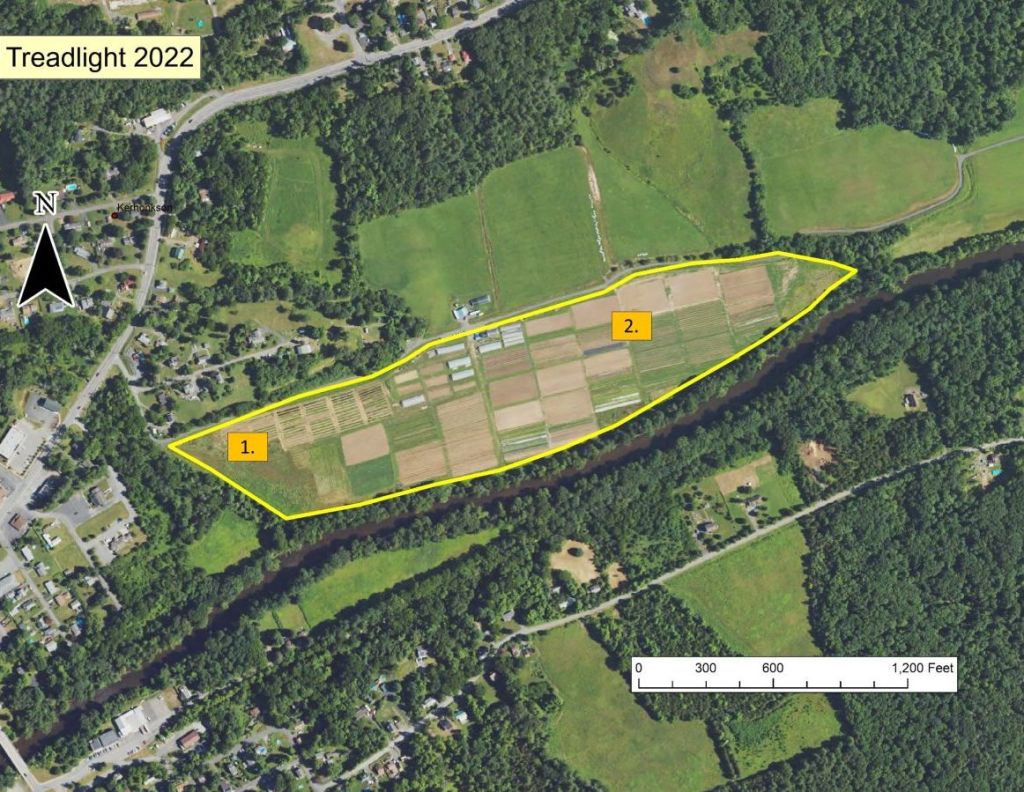
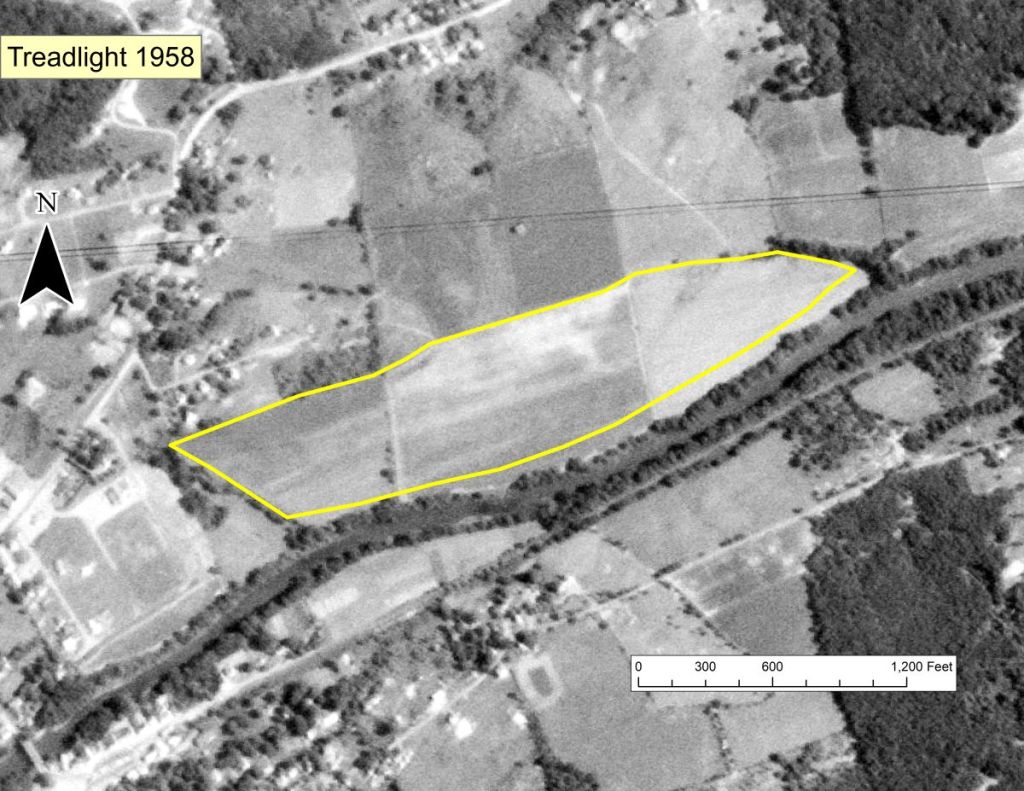
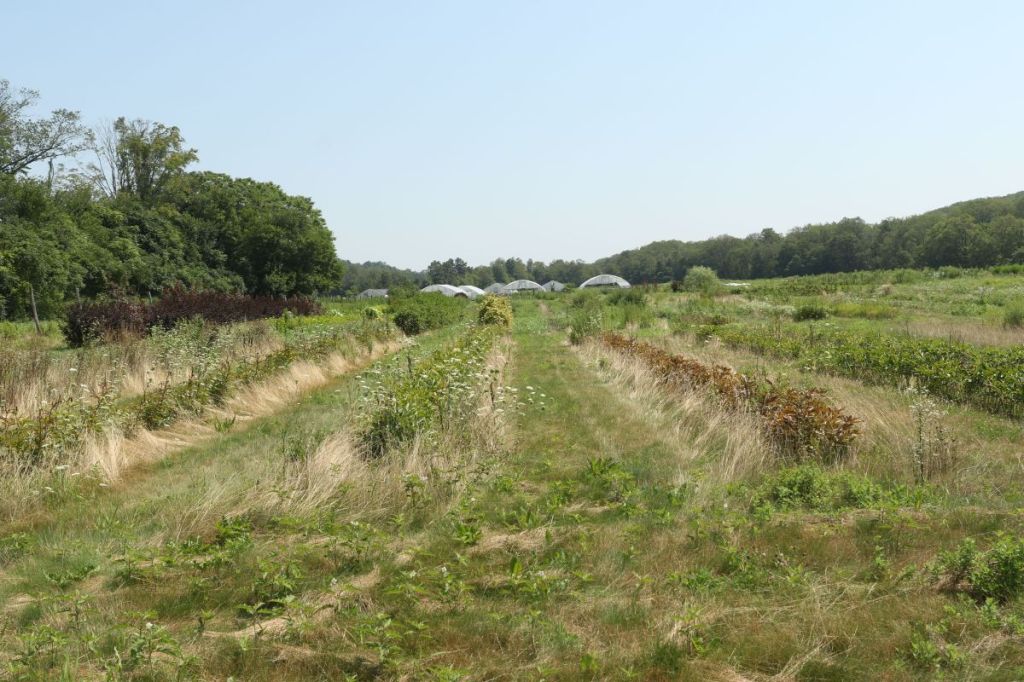
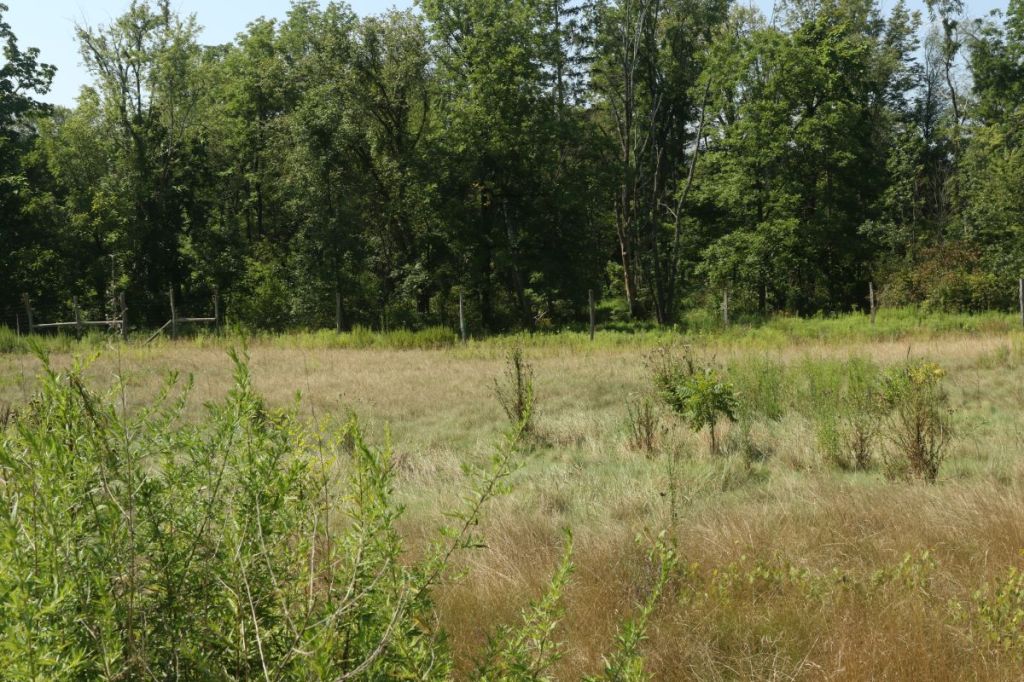
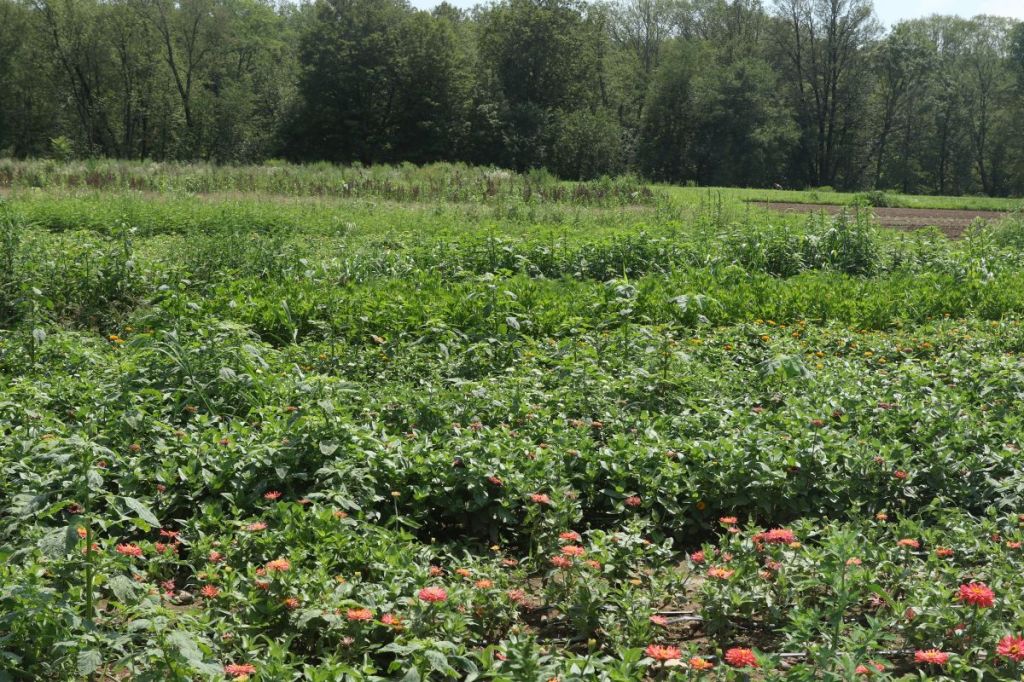


Treadlight Farm is an organic flower producer with a partial focus on raising native wildflowers for seed and retail. Its beds are located on leased land in the floodplain of the Roundout Creek. When I visited on 5 August, some beds were winding down. Most of the land is occupied by tilled flower and vegetable fields, the latter being worked by Long Season Farm; greenhouses are also present near the center of the area. The east and west tips of the parcel are fallow (or perhaps better, ‘old-field’) areas that appear to have been mowed occasionally.
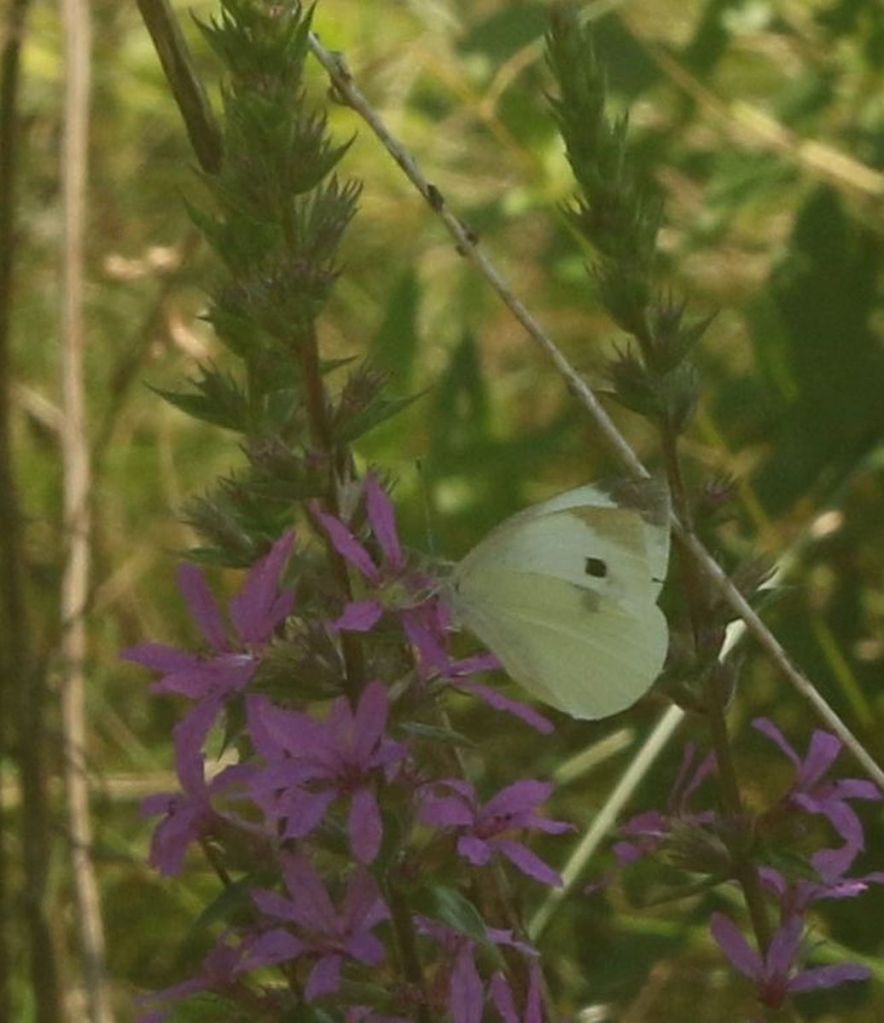
Cabbage Whites (a European species that took hold here in the 1860s) and the Clouded Sulphur (a native) were two of the most common farm-field butterflies in our surveys, together they accounted for roughly 44% of the ca. 1500 butterflies we noted across all nine participating farms. At Treadlight, they accounted for slightly less – around 36% of the butterflies we spotted.
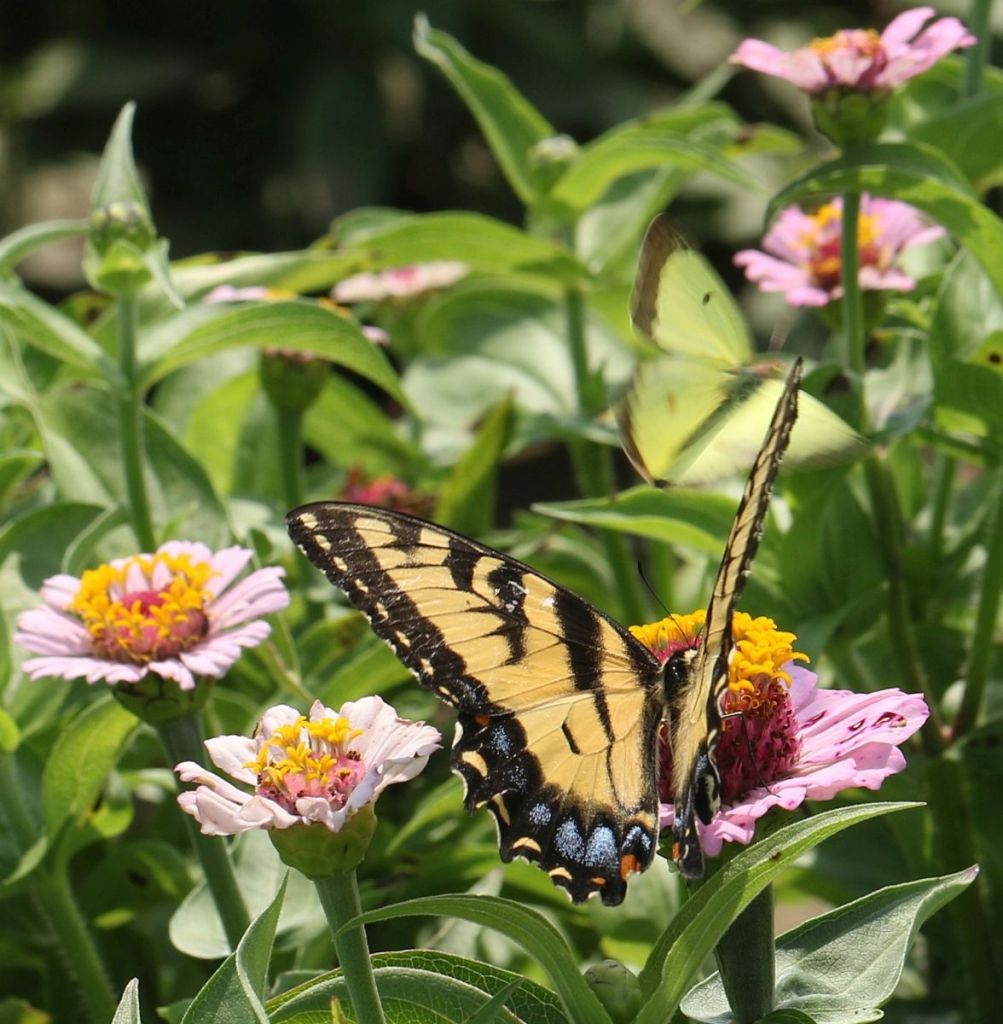
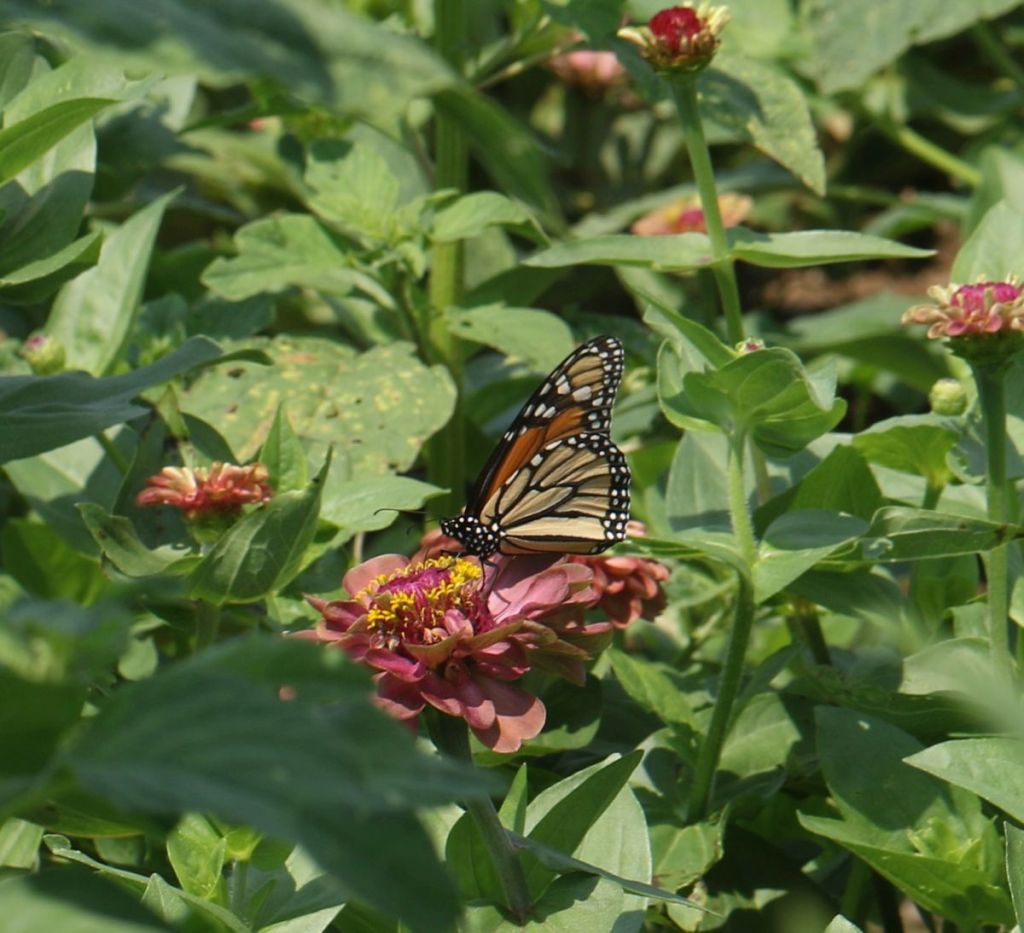
Treadlight accounted for about a quarter of all the Monarch sightings during our surveys. However, they were notably less common this year than during some past years – on 10 Sept. of 2021, on the same type of flower and on the very same farm, we had over 130 Monarch sightings in 30 minutes; our tally this year, during roughly four hours, was a relatively meager 16. Assuming Zinnia = Zinnia (not necessarily true), a variety of factors including migration patterns, weather, and fluctuations in the regional abundance of Monarchs might explain this.
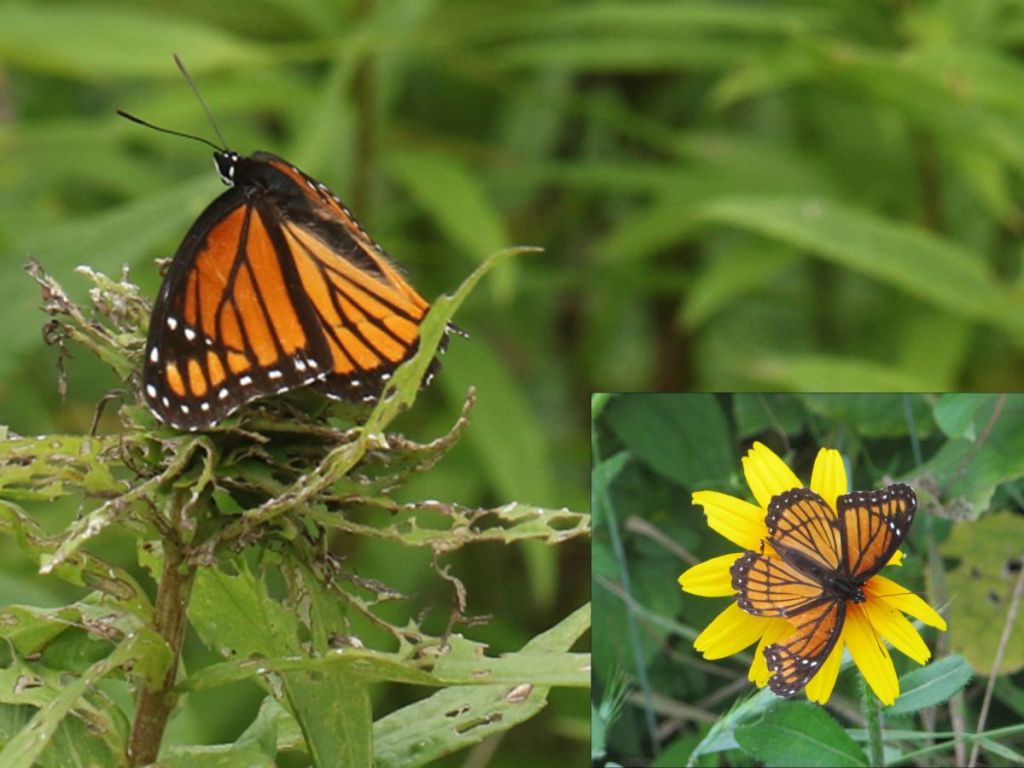
Viceroys are slightly smaller than most Monarchs, and their caterpillars feed on woody plants, such as Cottonwood. This individual is playing hard to ID – one key character to distinguish the two species is a black line which extends through the Viceroy’s hind wing parallel to the outer margin and about half way from the wing edge to the wing base. This is clear in the inset photo showing a rather battered Viceroy, photographed by our program at the Farm Hub. The subject of our main photo only has a faint suggestion of this line.
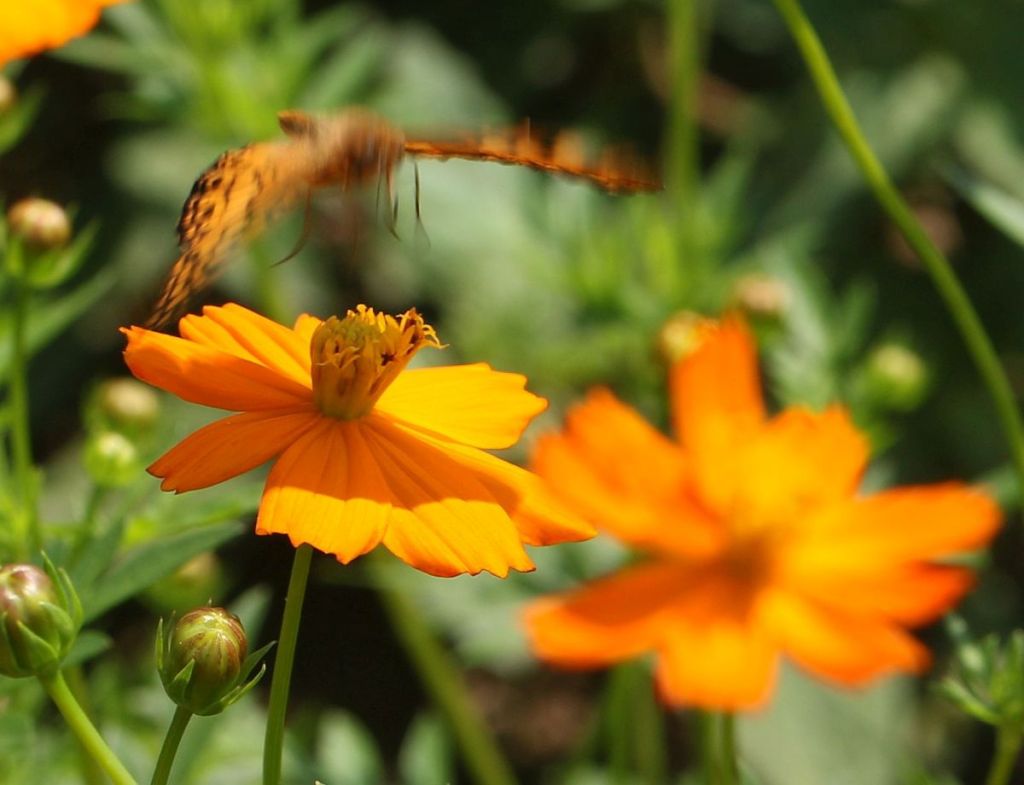
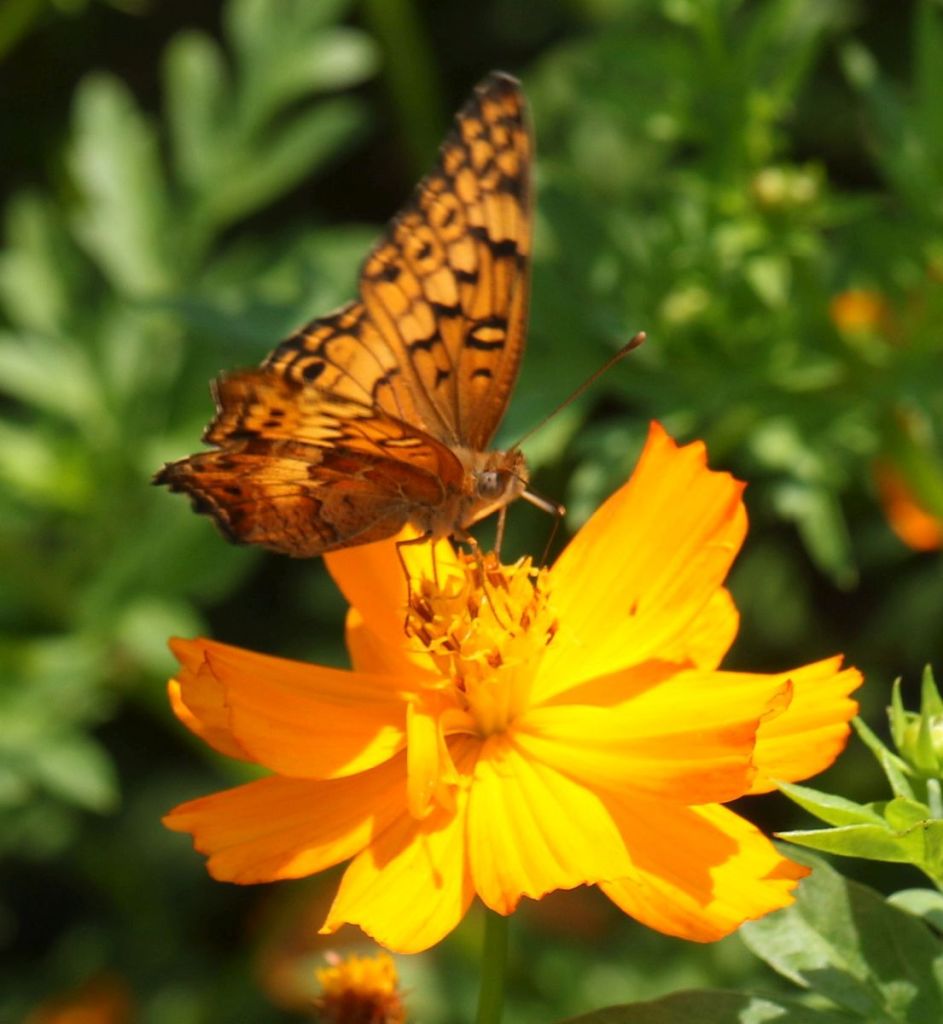
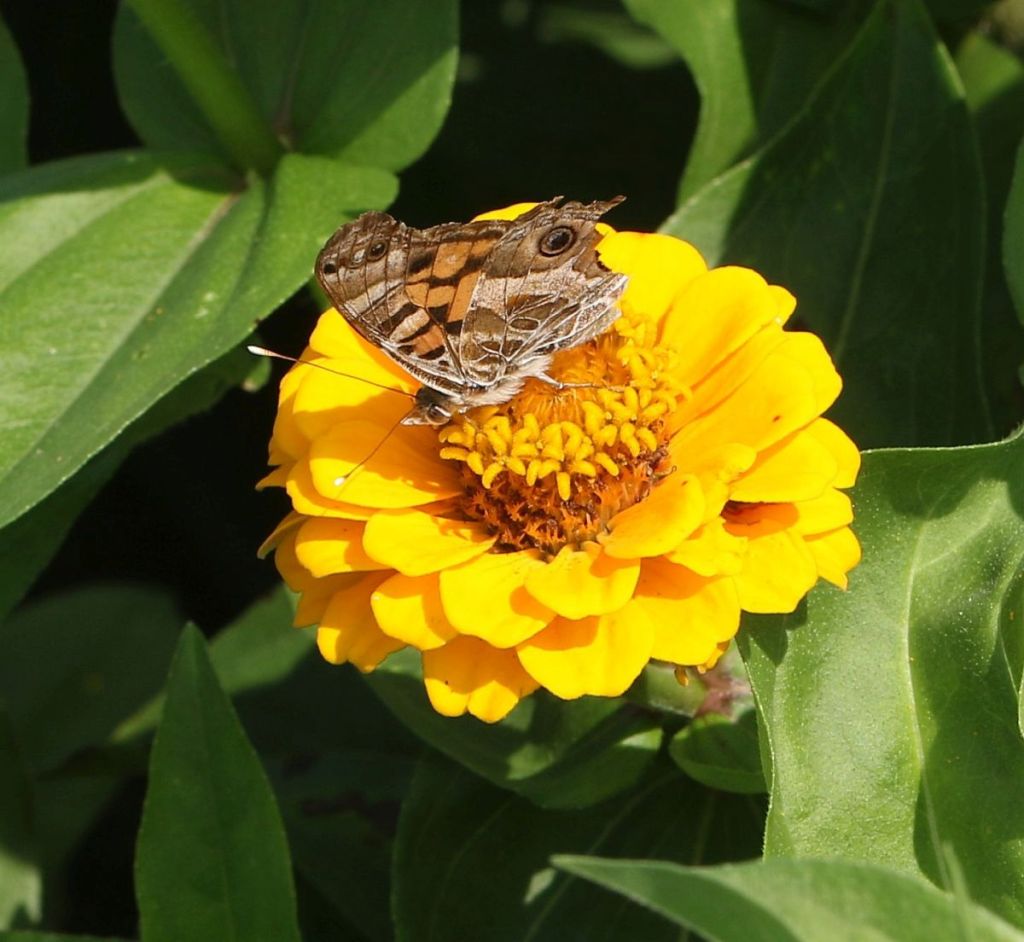
The large eyespots on the hindwing (one of which is now missing on this individual) may lead some birds to make a quick grab at the ‘wrong’ (for the bird) end. The lucky butterfly then lives to nectar another day. American Ladies are, like Monarchs, migratory. They don’t usually survive our Winters, but regularly recolonize during Summer, with late season individuals heading back south. Some of the other interlopers, perhaps including the Variegated Fritillary, have no such return trip – they’re constantly knocking on our door ecologically but, at least so far, most of the new populations that establish here during Summer then perish during the Winter. This might change if climate warming continues.
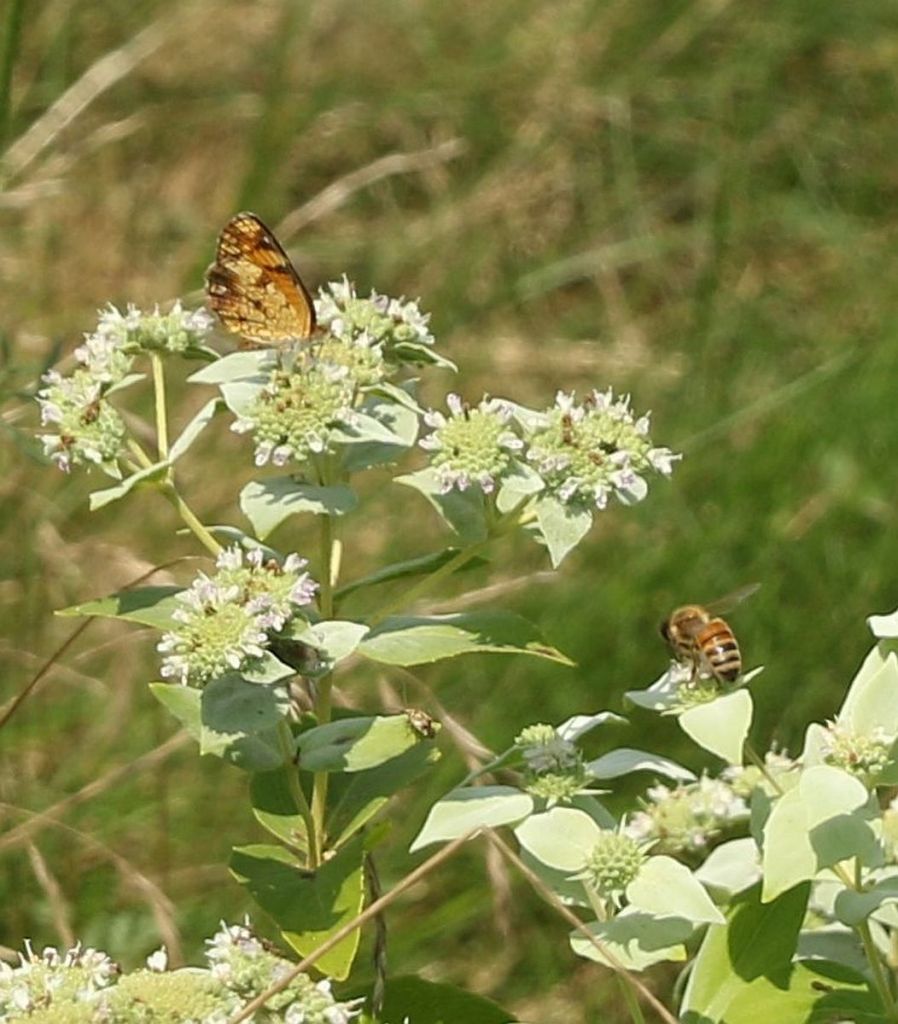
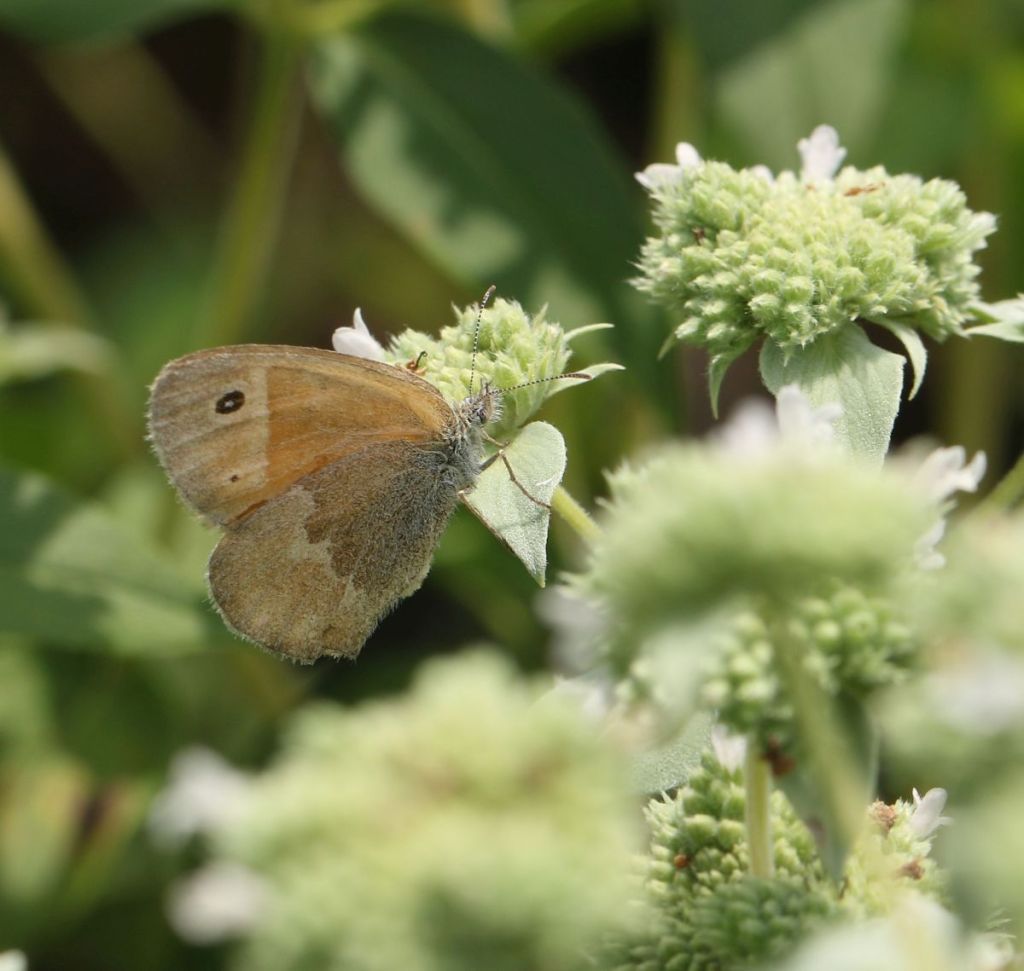
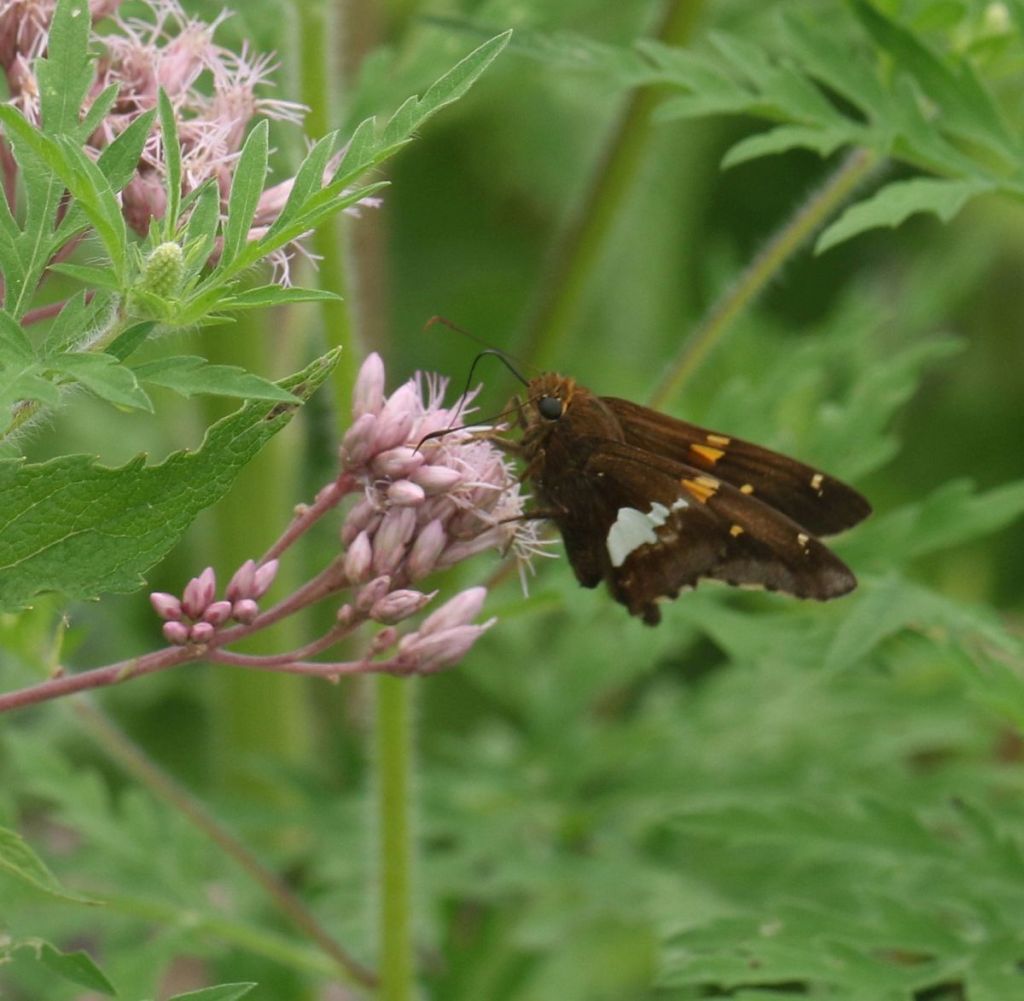
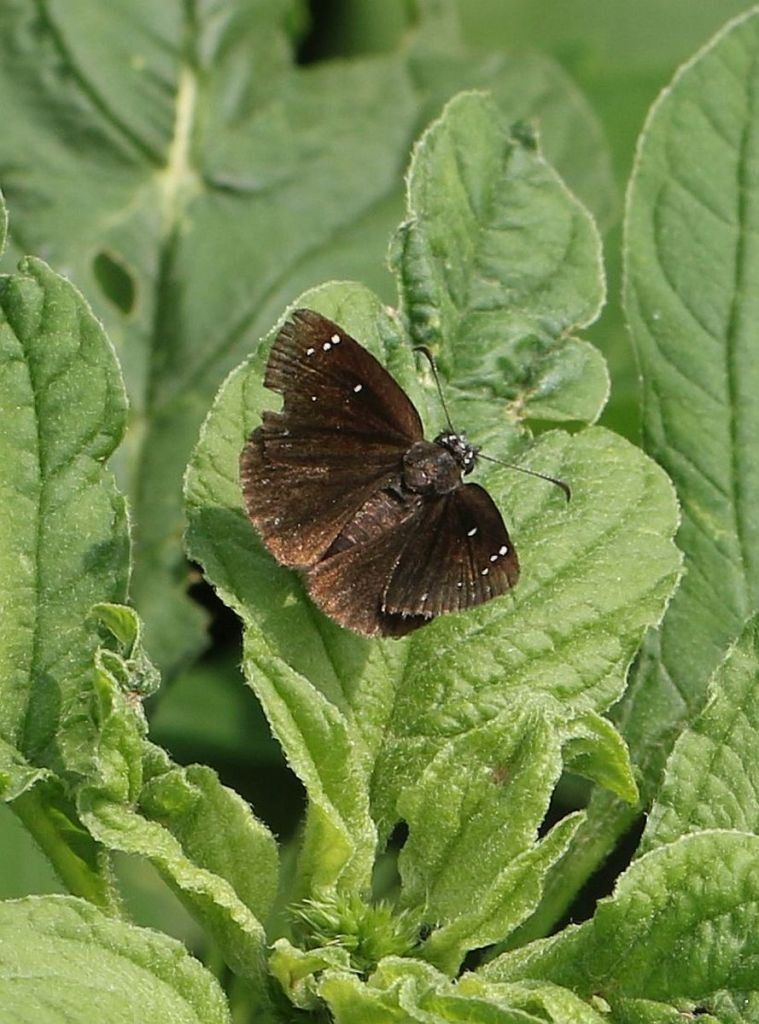
Common Sootywing, while native itself, now uses non-native ‘weeds’ as caterpillar host plants (esp., Lamb’s Quarters). As Cech & Tudor note in their Butterflies of the East Coast (still my all-around favorite East Coast butterfly book), this diet switch has allowed this little butterfly to range much more widely than it may have done prior to European colonization. While we tend to think of native organisms as helpless victims of human encroachment, it is also important to remember they are not passive actors. Genetically and behaviourally, some butterflies and other organisms (including birds, as Will has pointed out) can adapt and exploit the changes around them. Of course, some sadly cannot make the change and gradually disappear.
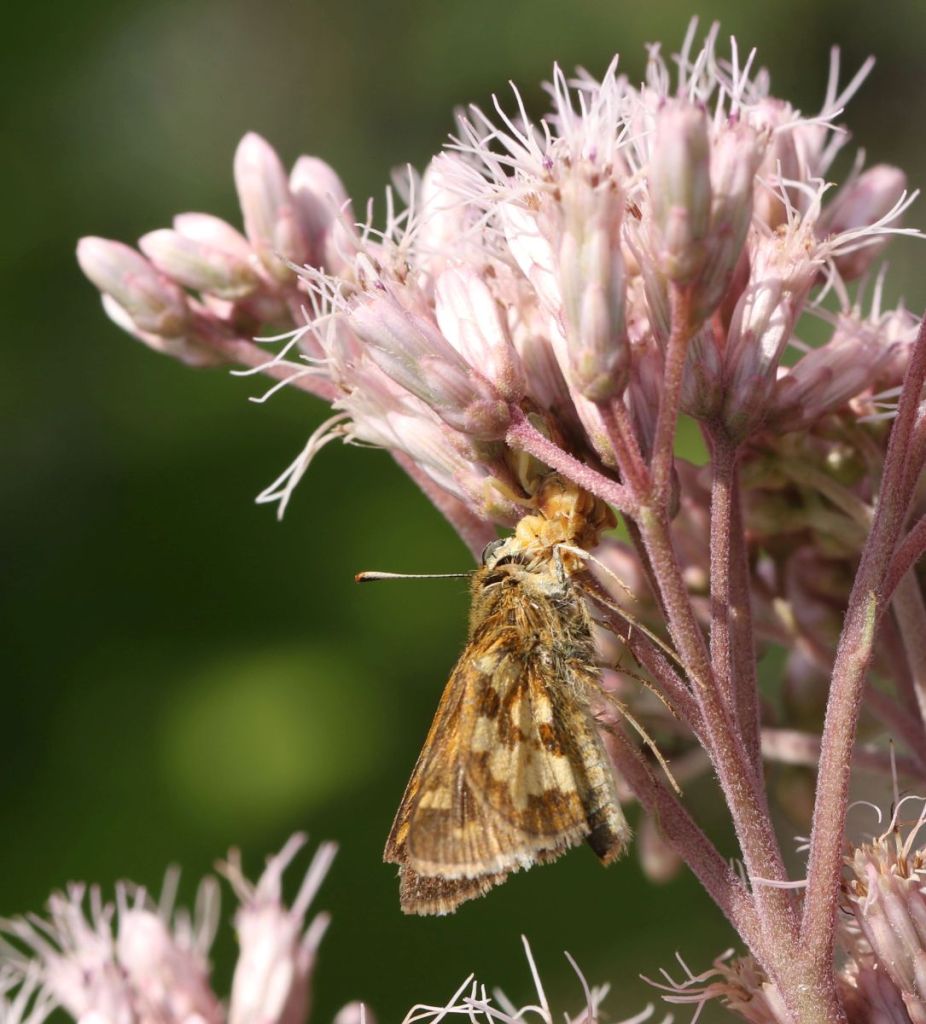
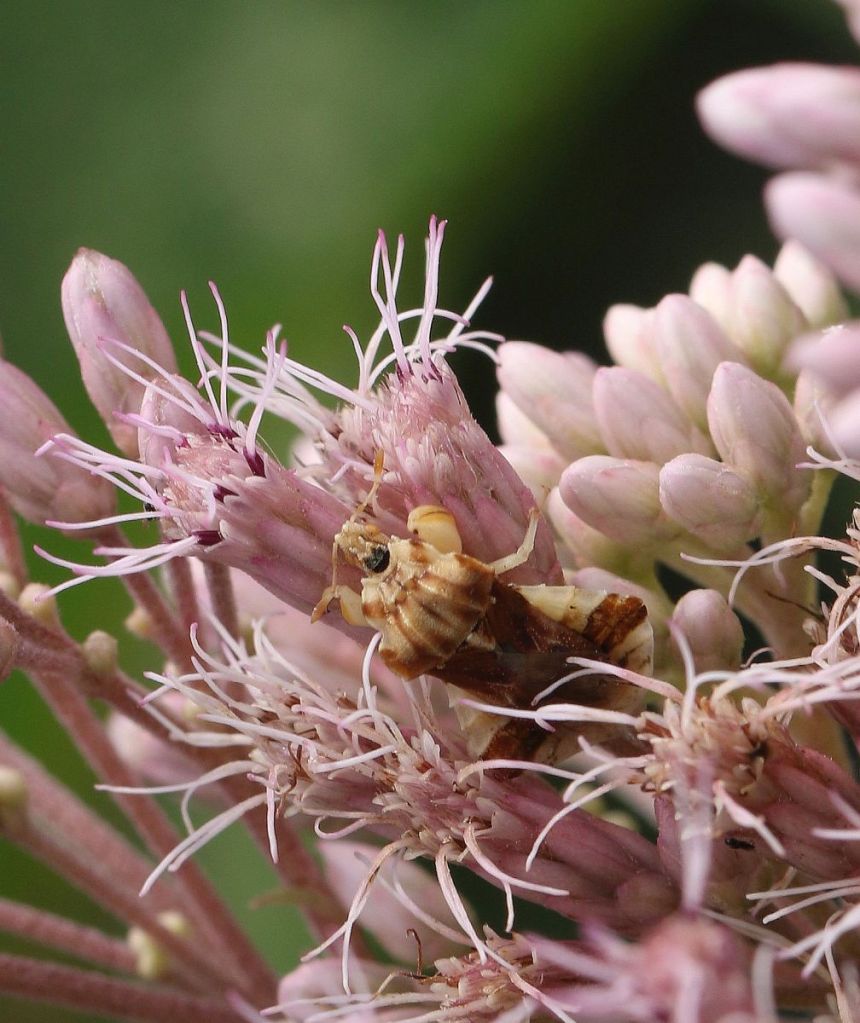
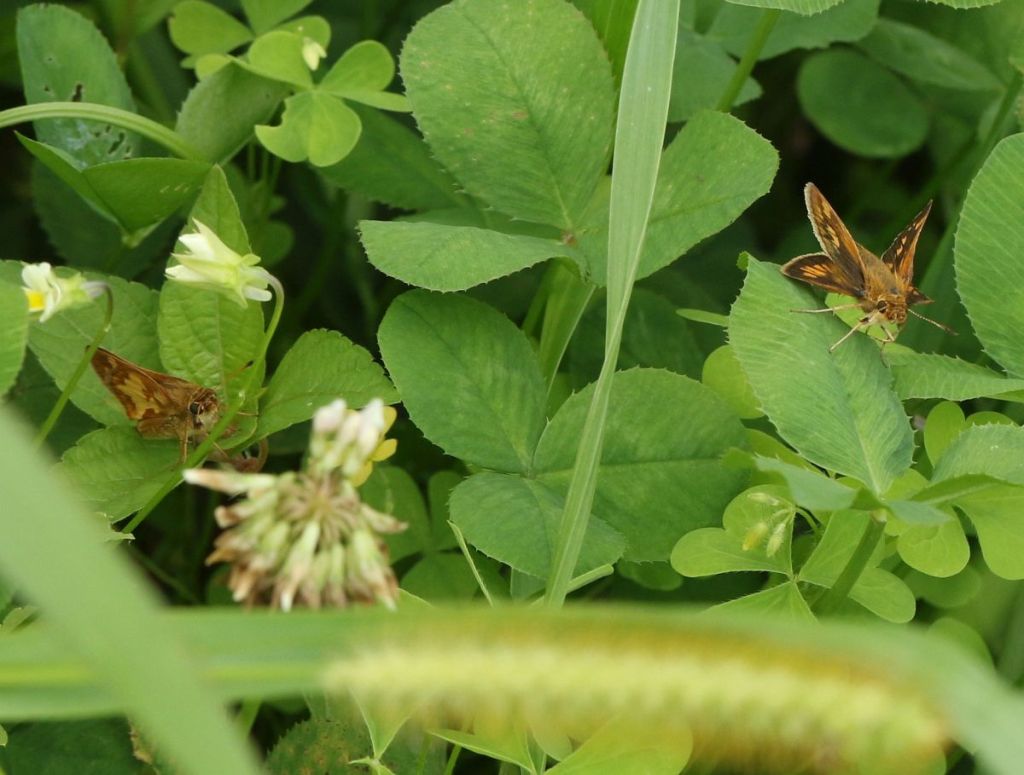
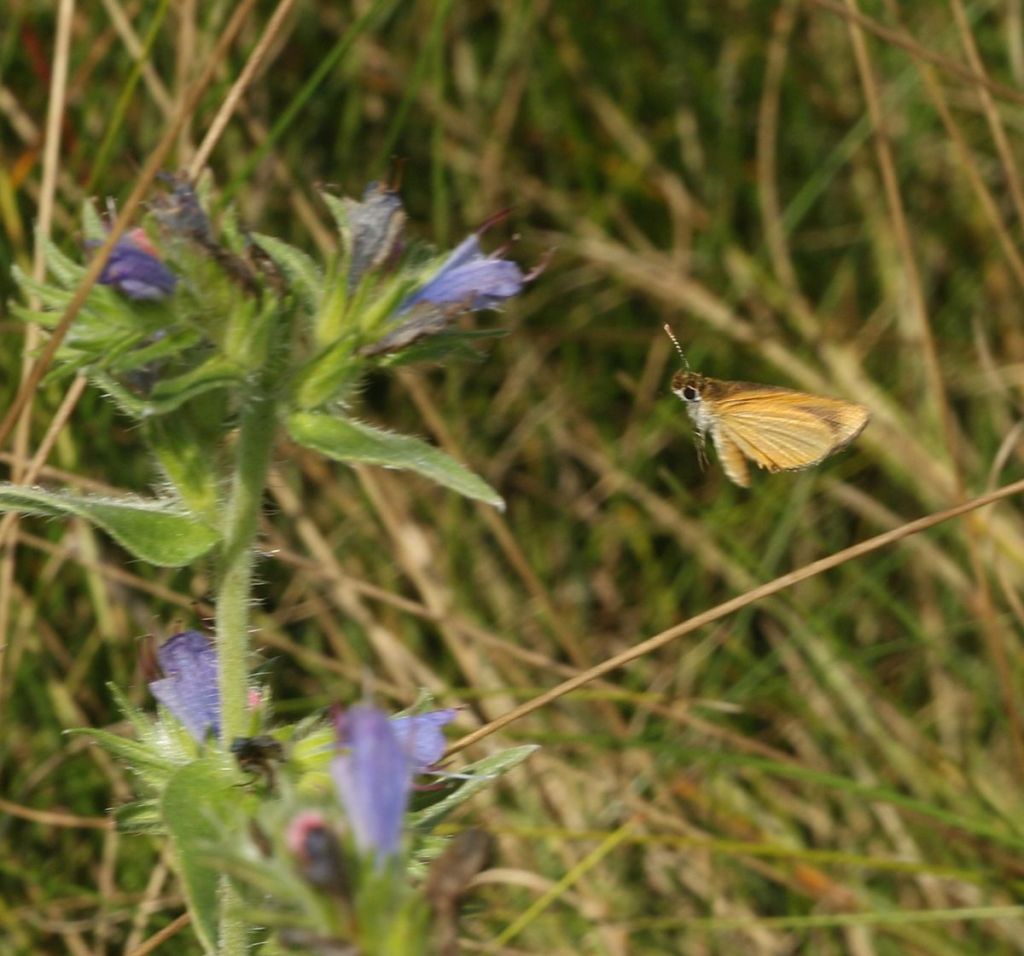
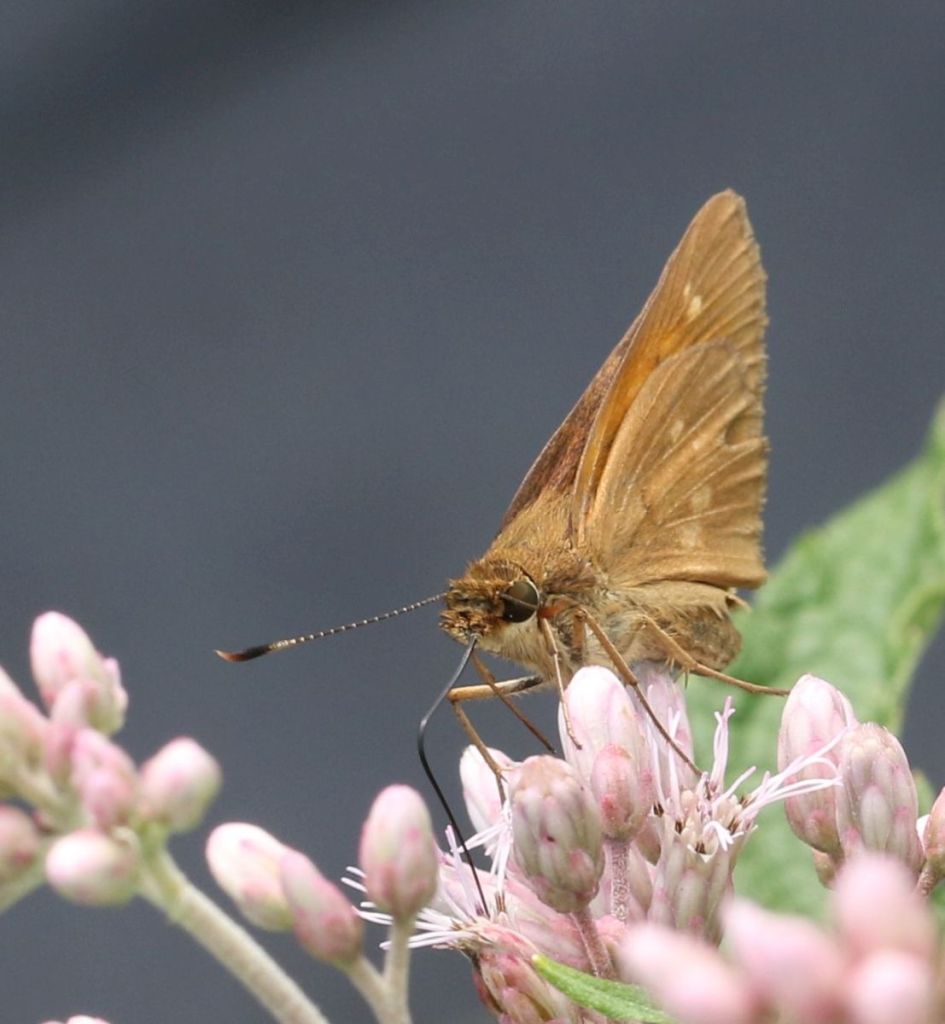
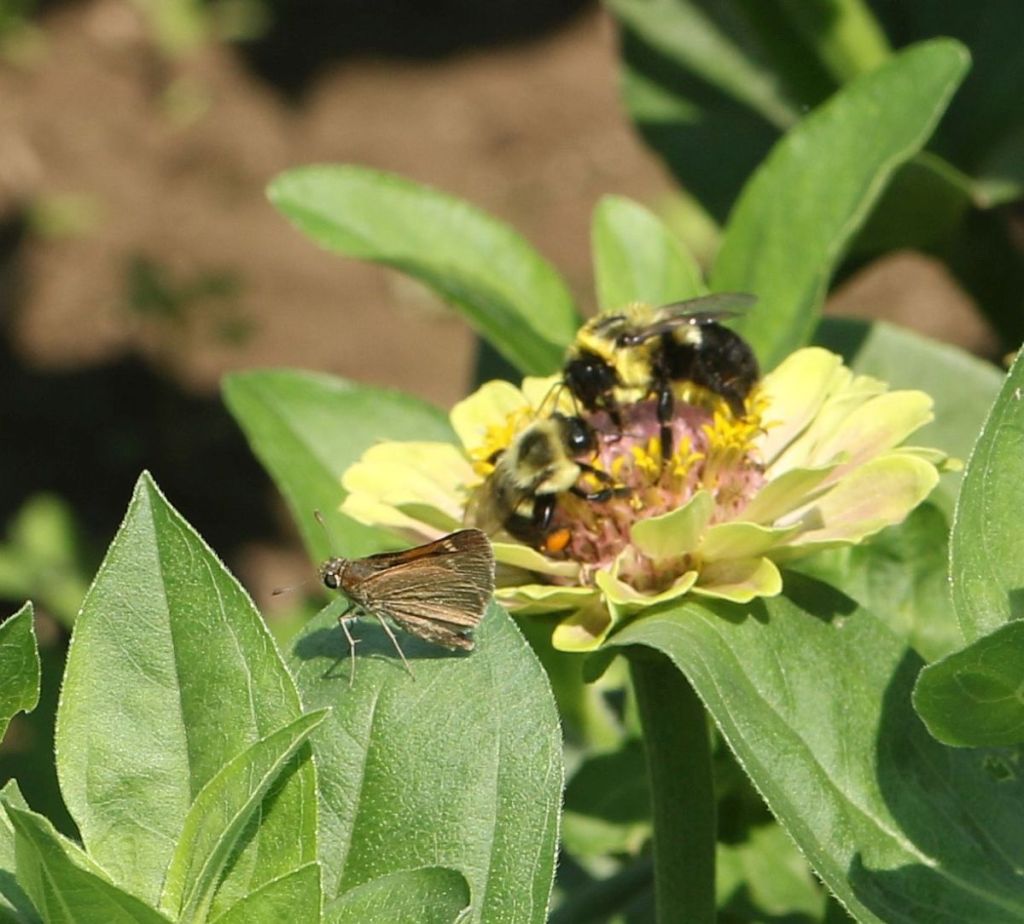
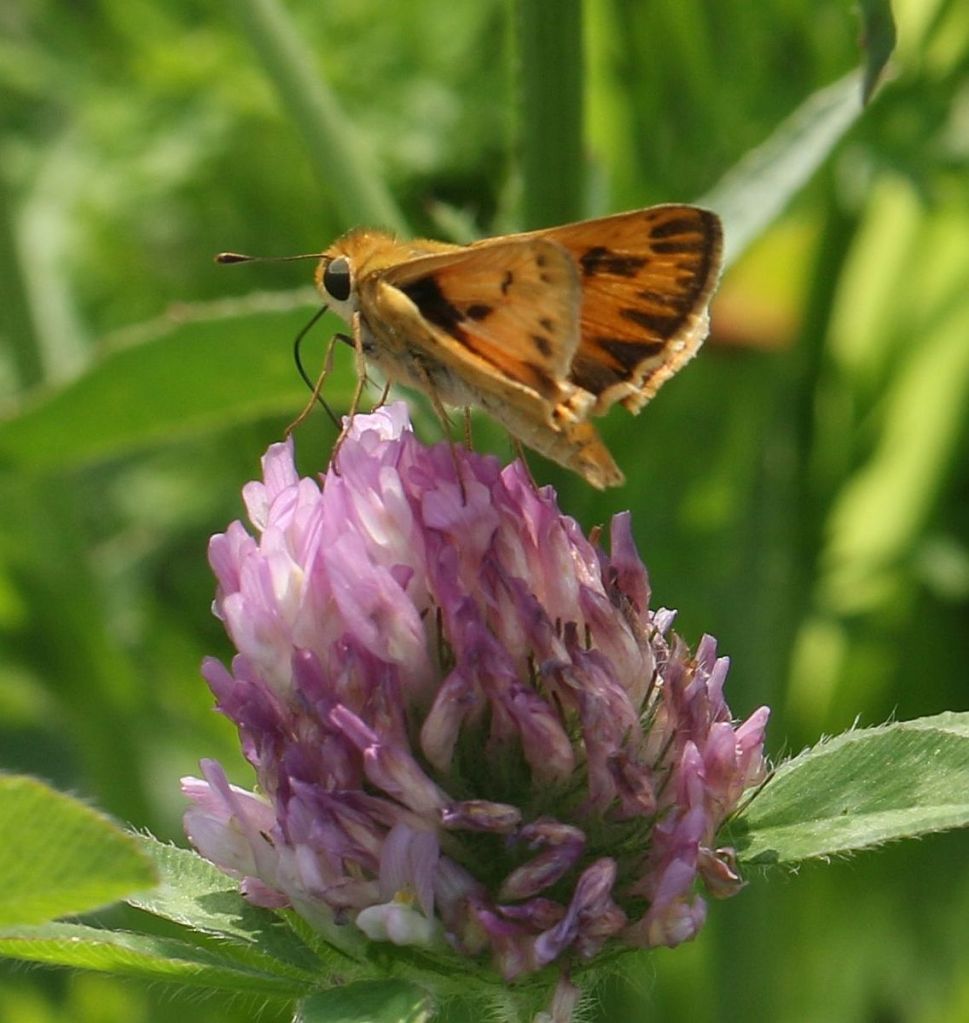
The abundance of skippers provokes some management thoughts – two of the important habitat ingredients for butterflies are the flowers that the adults nectar at and the host plants that their herbivorous larvae (aka caterpillars) consume. Monarchs, for example, will nectar at a variety of different flowers, including the Zinnia pictured earlier, but their caterpillars specifically need milkweeds. Similarly, many of the skippers pictured above are grass feeders. Although not all of those skippers are confined to native grasses, there are a few native-grass specialists whom we have seen in the region and who might be tempted to visit were their caterpillar host plants available. Given the abundant flower resources that Treadlight provides, it might be fun to think about what additional caterpillar foods could be seeded in the fallows at either end of the fenced-in area. Maybe a native grass seed mix could attract some interesting species.
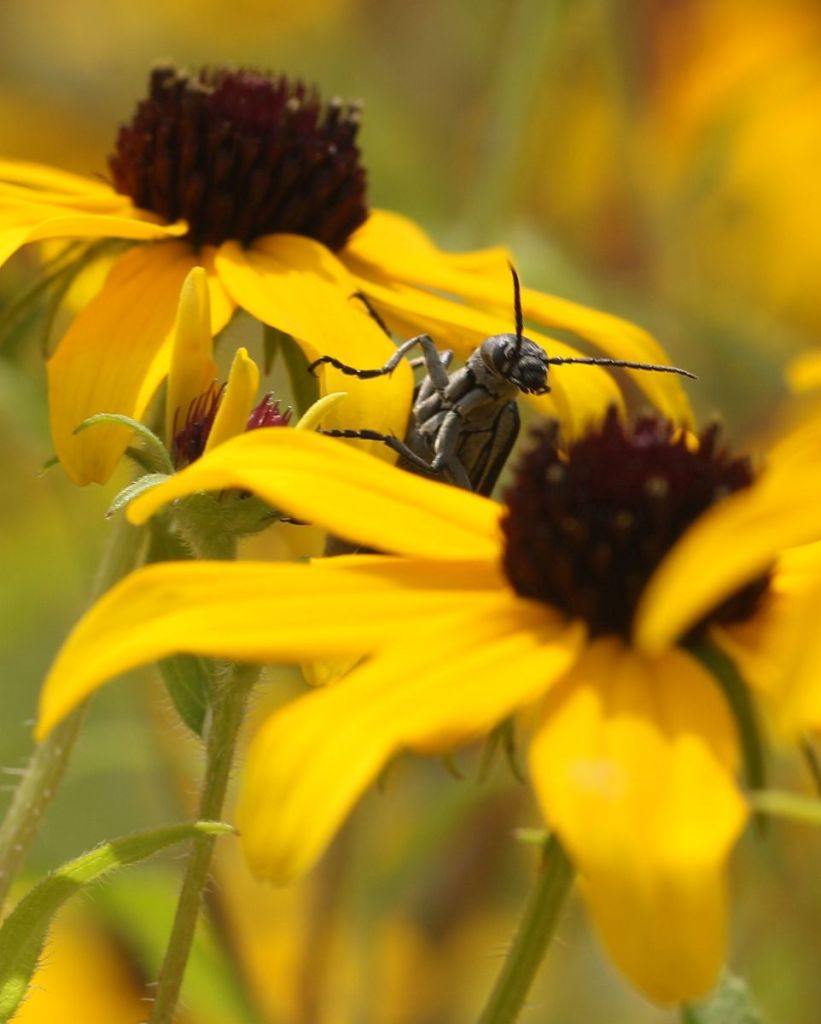

I saw too few of this particular species, the Golden Northern Bumble Bee (Bombus fervidus) to discern its preferences. But this globally Vulnerable species is nice to see wherever one finds it!
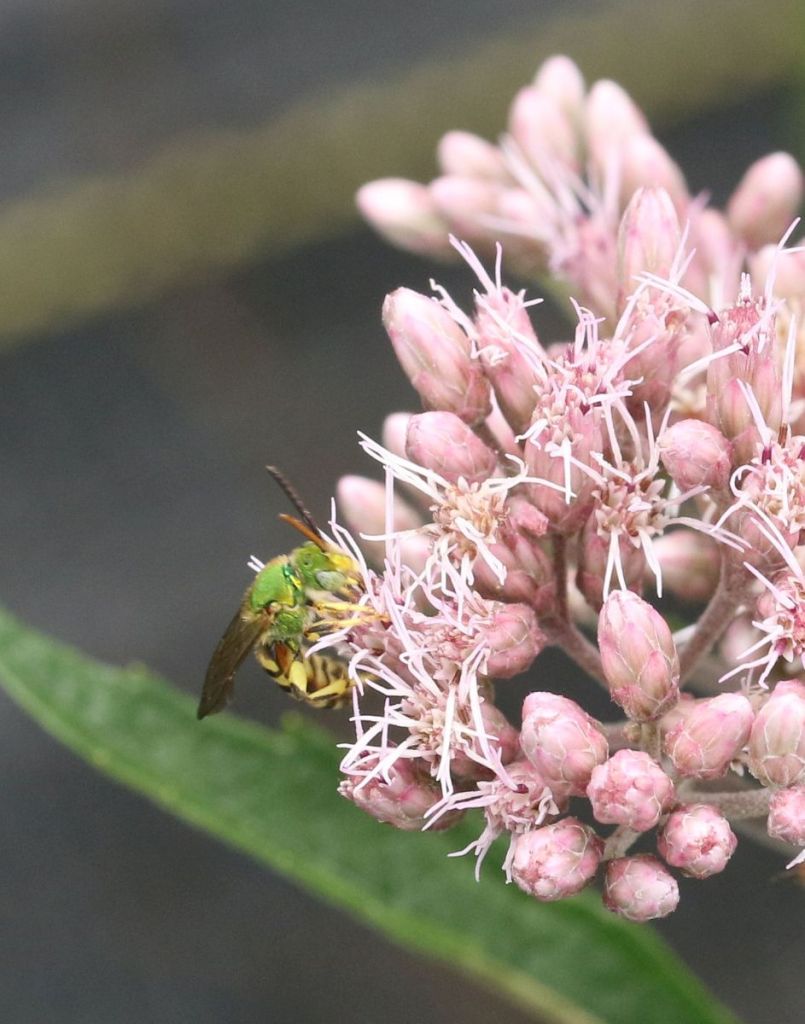
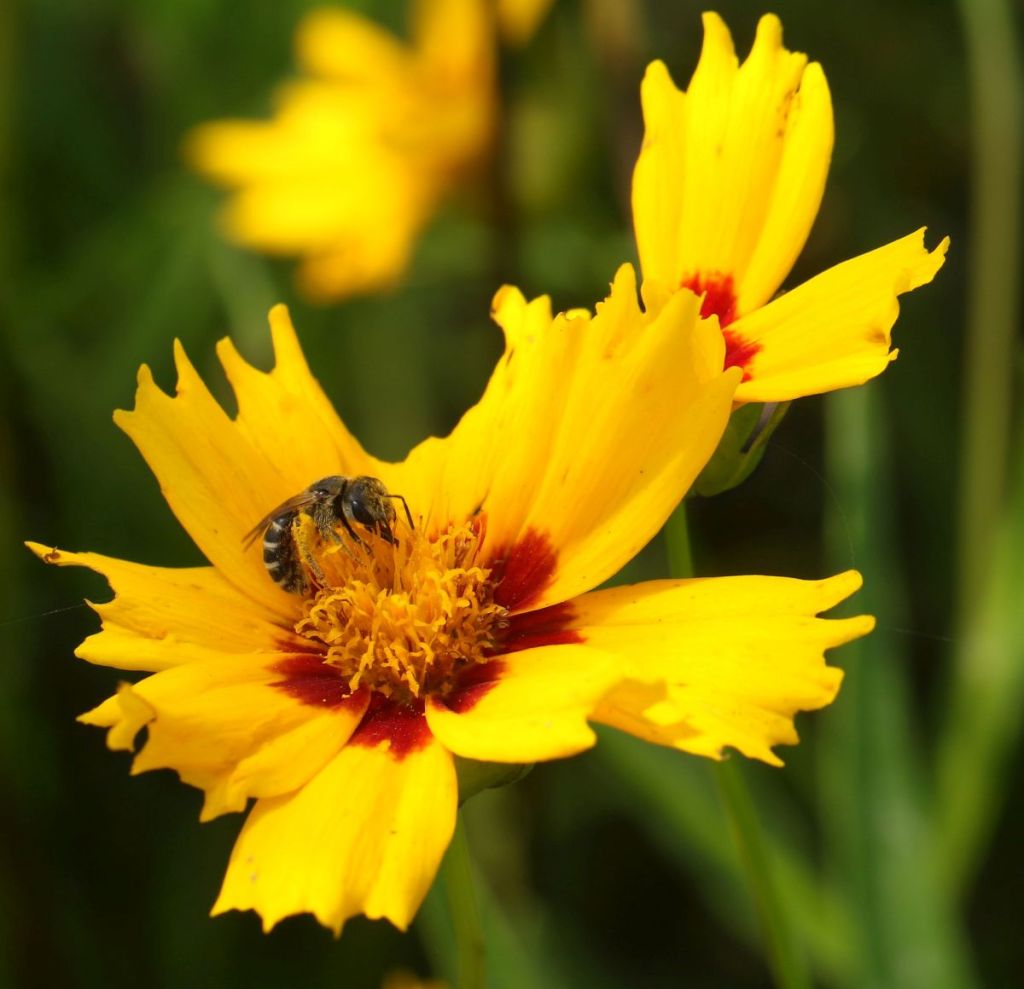
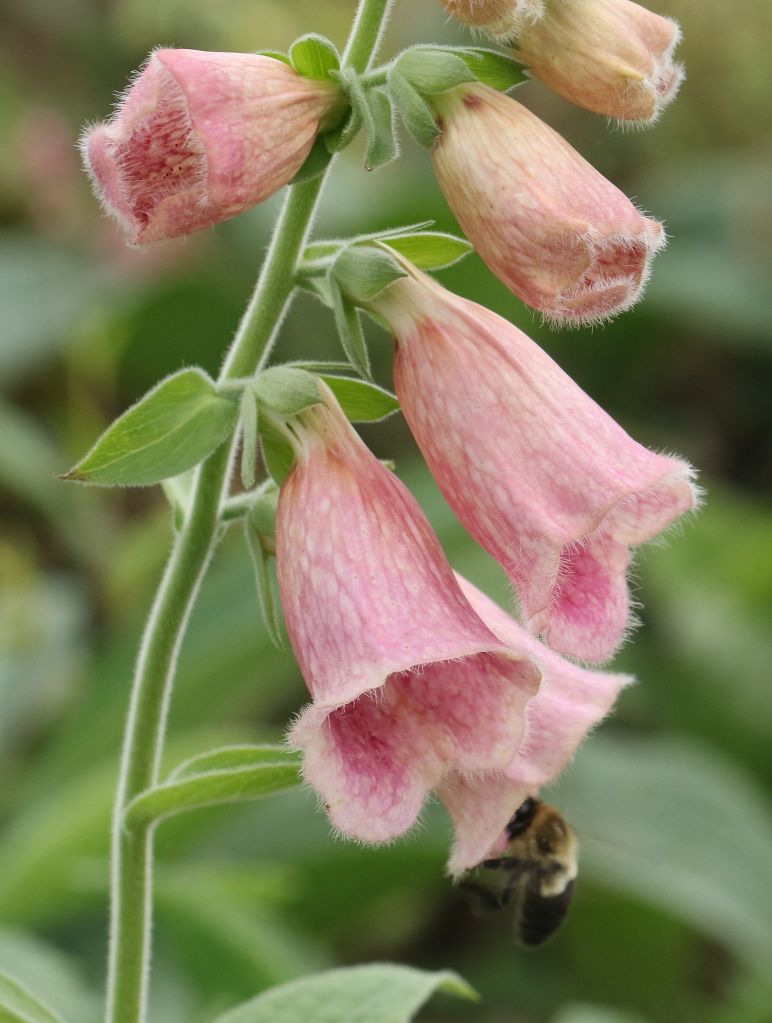
What I found so intriguing was how different the bee faunas of various flower types could be. Rather than getting the sense that there was one chaotic community of bees who were all visiting everything in bloom, the pattern seemed to be more one of specialization – with certain flowers hosting particular bees largely not see elsewhere. It’s likely that a variety of factors explain these patterns, including the relationship between bee and flower morphology, and bee preferences for certain pollen and/or nectar biochemistries.
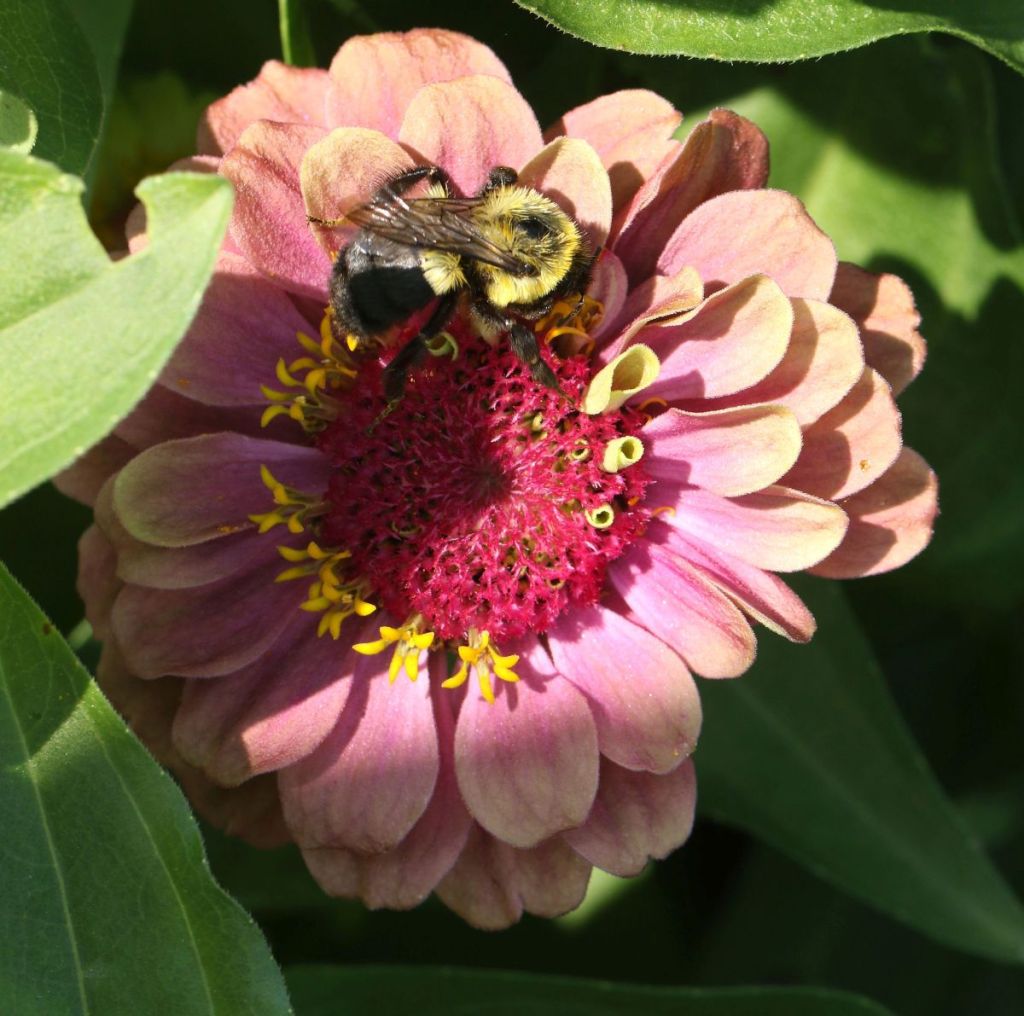
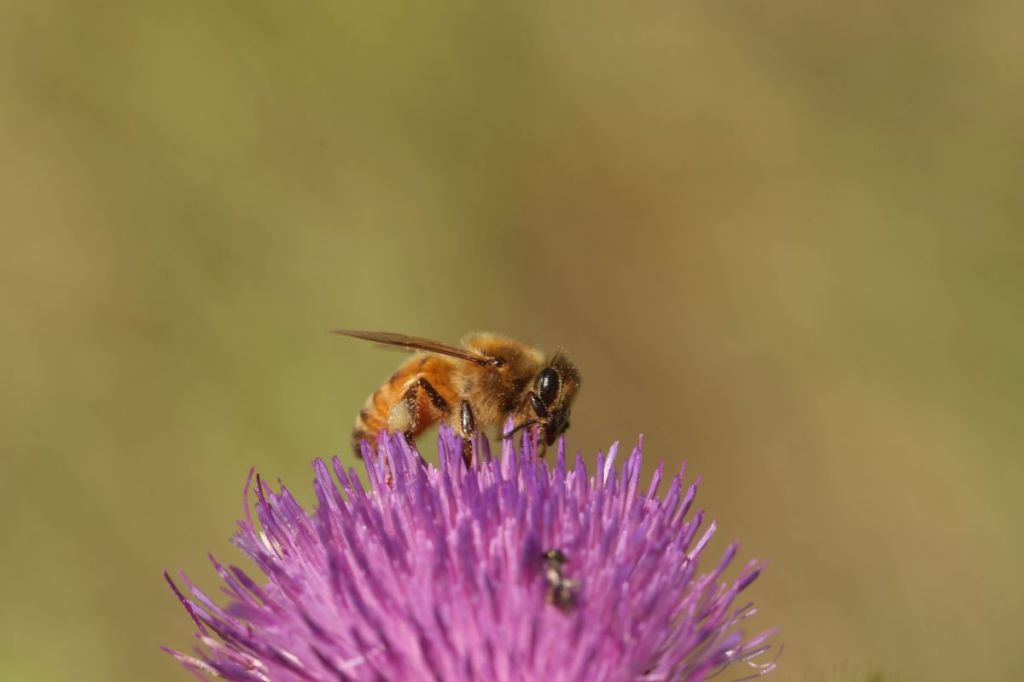
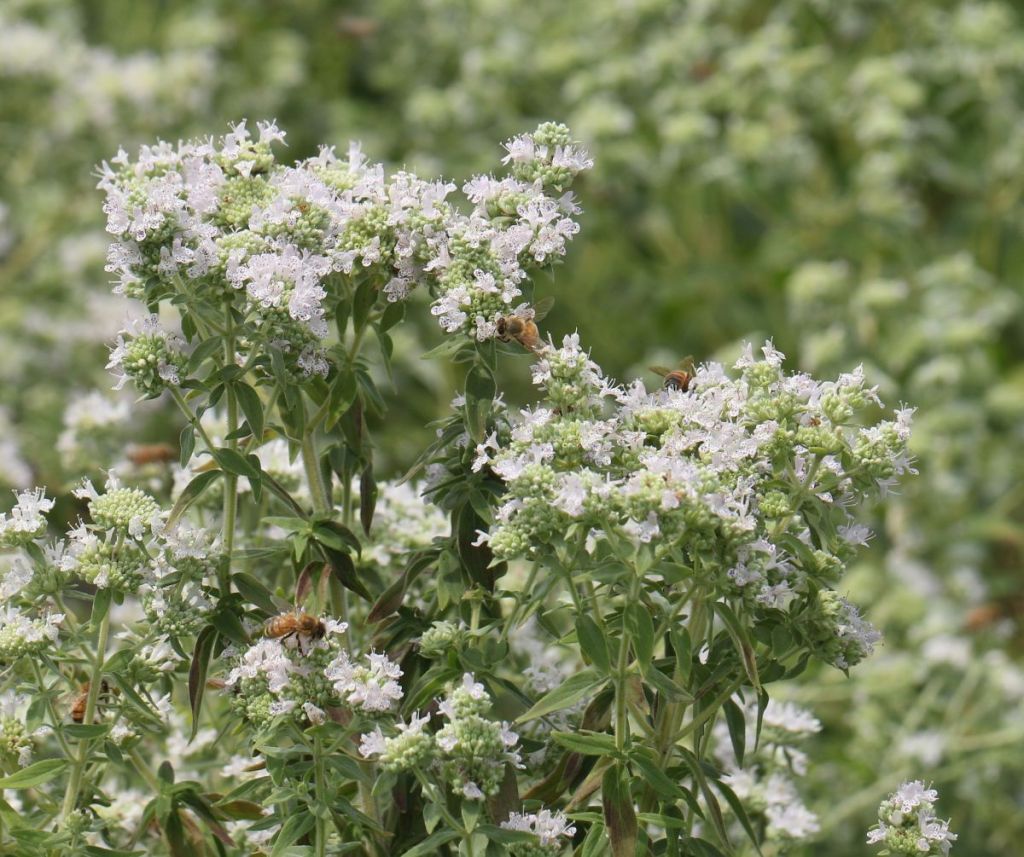

Honey Bees and native bee conservation is a fraught interface. Prompted in part by concern about colony collapse disorder, many members of the public probably equate Honey Bee protection with bee conservation overall. However, as mentioned in a previous post, Honey Bees are not native to North American – they were originally imported to our area from eastern and southern Europe. Increasingly, researchers are warning about the impacts of Honey Bees on native bees (e.g., see this paper and this Xerces web page). This can come about by competition for resources (there’s only so much pollen and nectar out there!), direct interaction (‘hey, that’s my flower!’), and the spread of disease. Of course, there are reasons why Honey Bees are popular. Aside from the honey, they can be diligent, early-season crop pollinators. However, in many cases, where ample natural habitat is available, native bees (which include bumble bees) are as good as or better at the job of pollination. Honey Bees are here to stay and there are now numerous feral colonies living on their own in the wild, so, even were it desired (which I doubt it would be!), removing Honey Bees from the landscape would not be possible. However if native bee conservation is one of your goals on a particular property, then avoiding Honey Bee hives on that land might be appropriate.

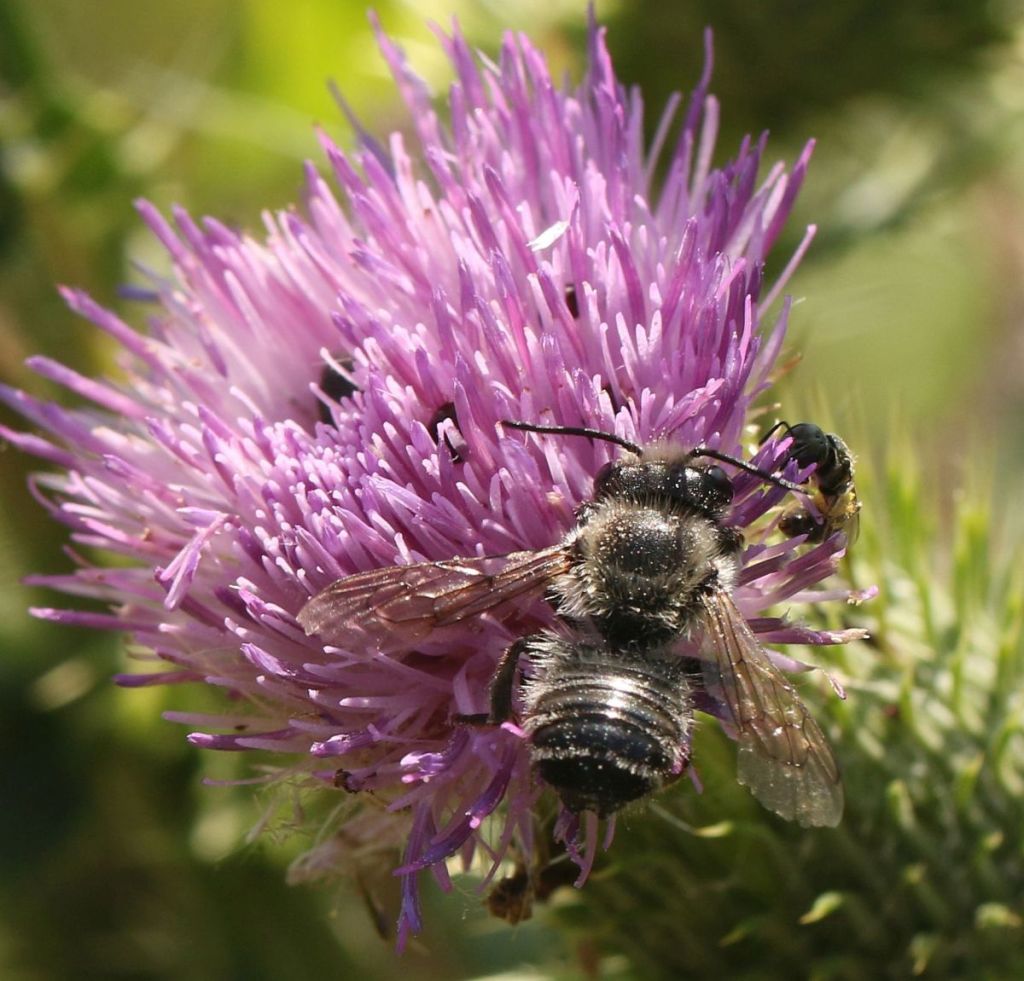


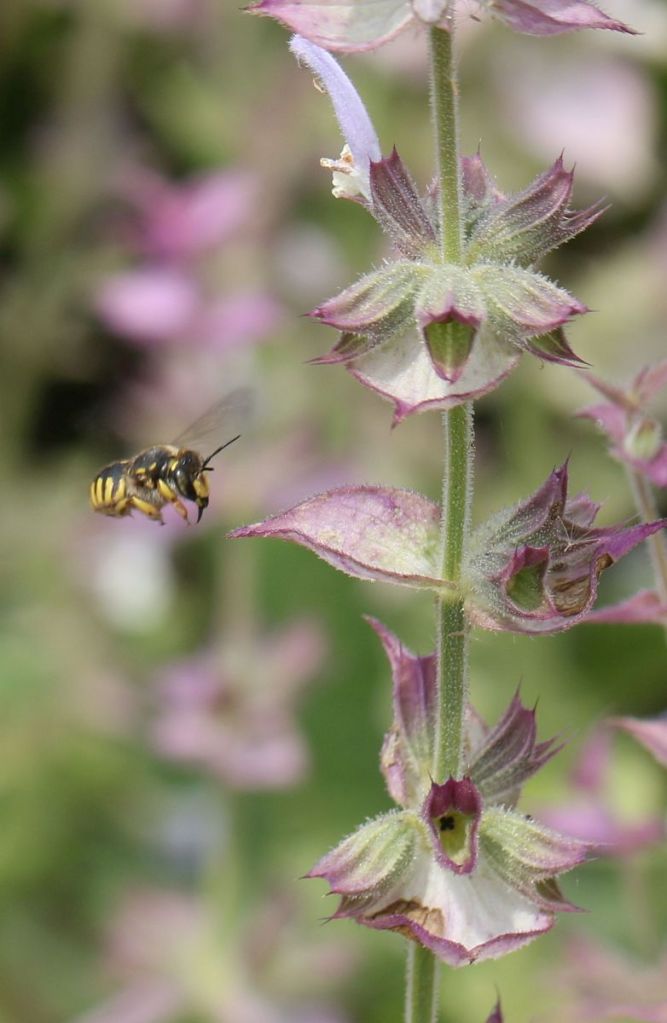

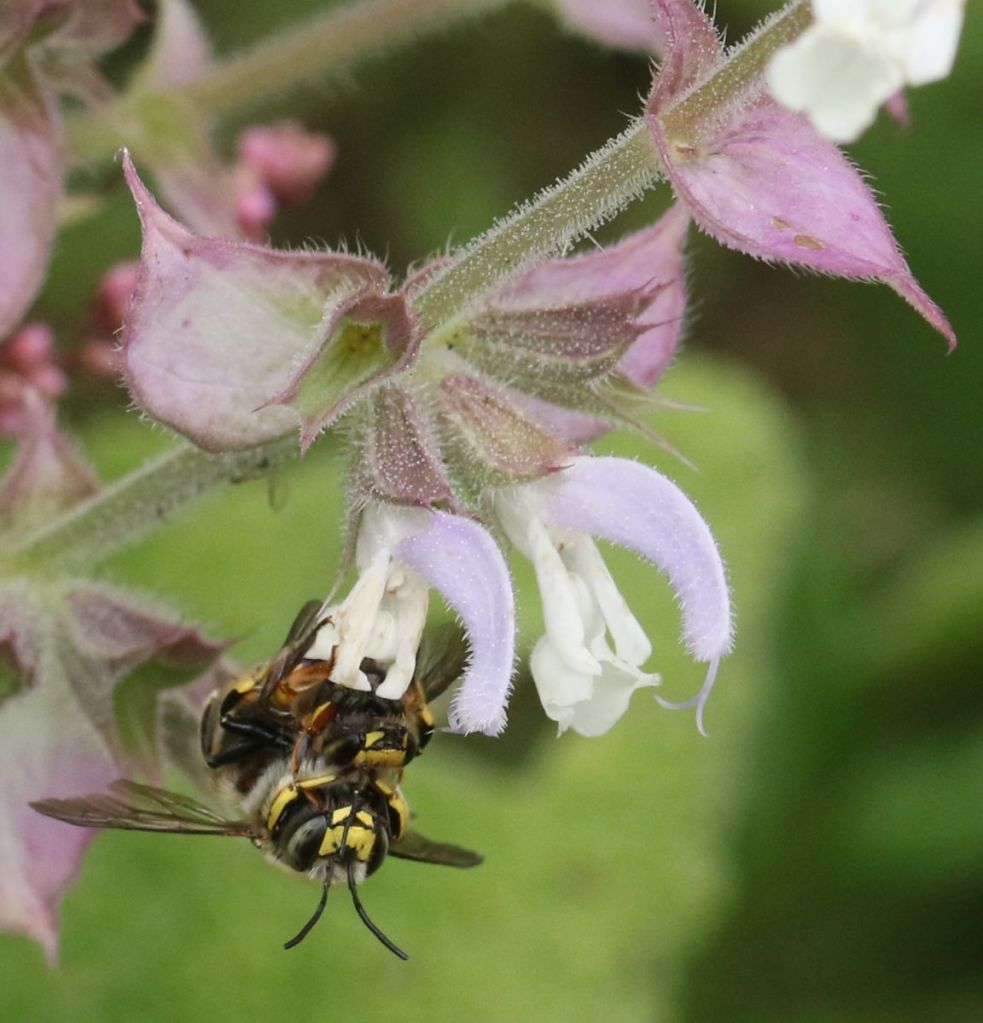
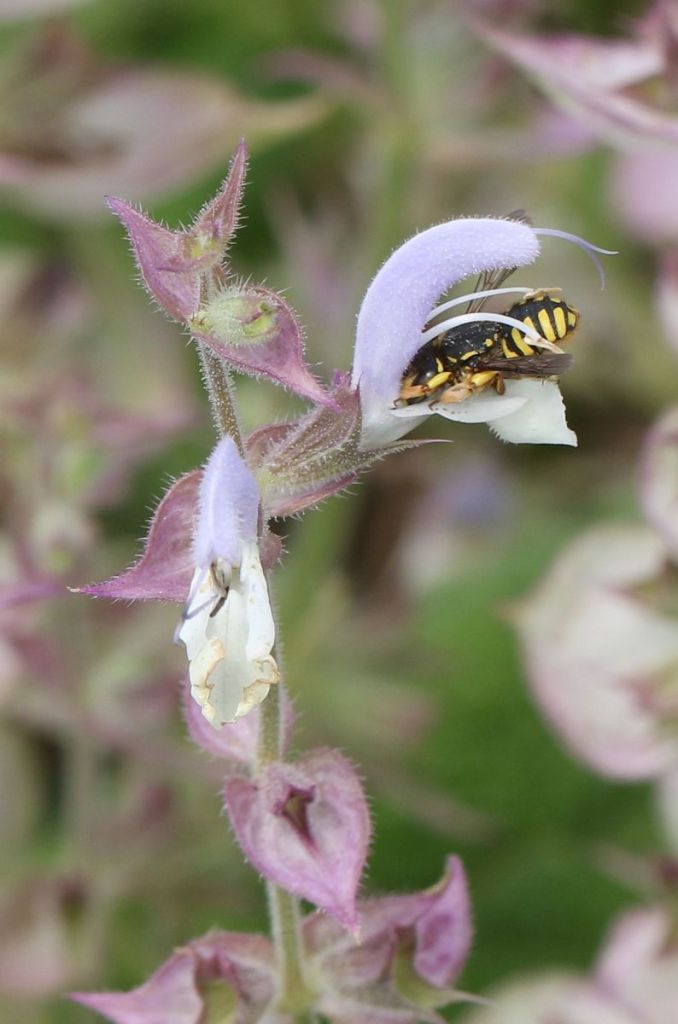
I only found this Anthidium bee in this one patch of flowers, where it was conspicuous. Not only were these bees relatively numerous, they were interacting ardently with each other, with bees boffing each other as they perched on flowers and occasionally coupling. Males are reportedly territorial, fending off newcomers except for the females they seek. Before one runs out and plants more of this flower in order to support native bees, it should be noted that, like the Honey Bee, this is not a native species, as its common name, the European Wool Carder Bee, reveals. The males reportedly use spines at the tip of their abdomens to attack and even kill other bees, and so are thought to sometimes prevent native bees from using certain flowers. There are, however, a couple of native Wool Carders, so be careful with your IDs. They are called “Wool Carders”, because they line their solitary nest cavities with a ‘woolly’ mat of plant hairs.
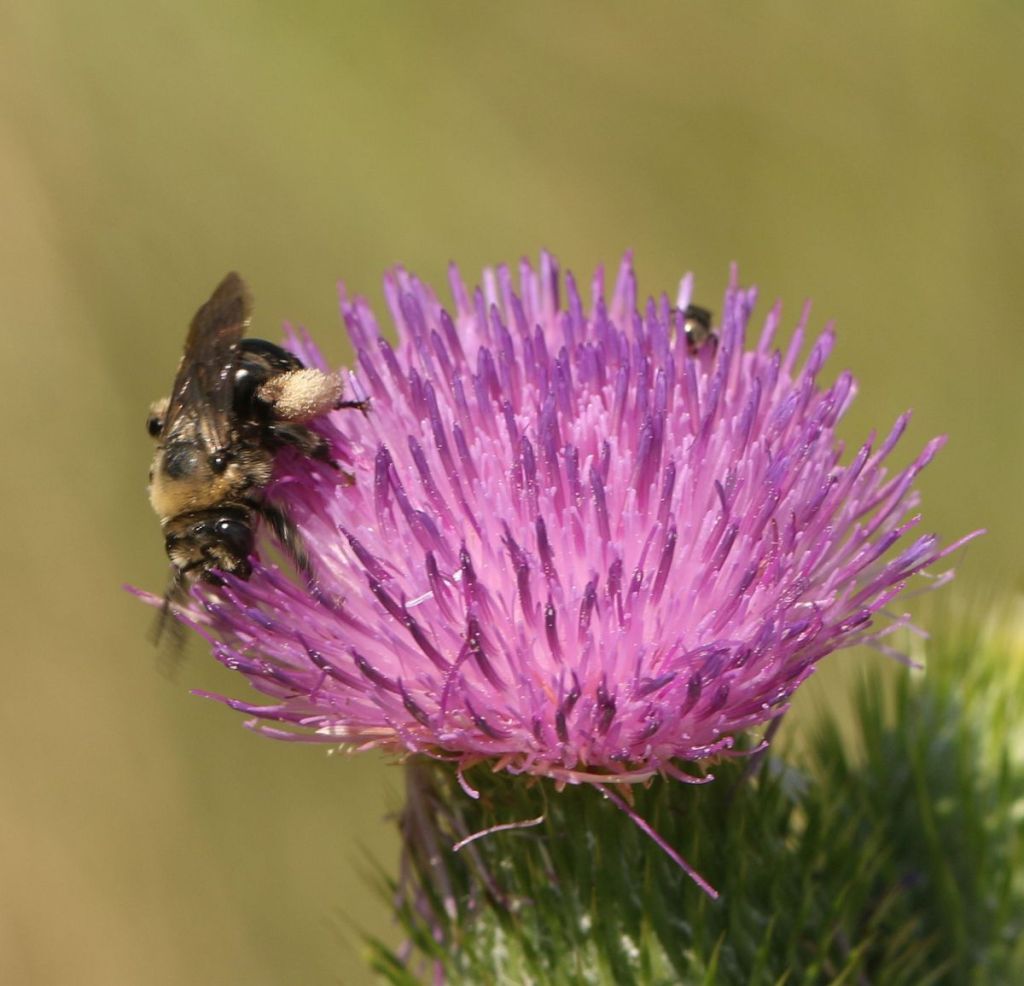
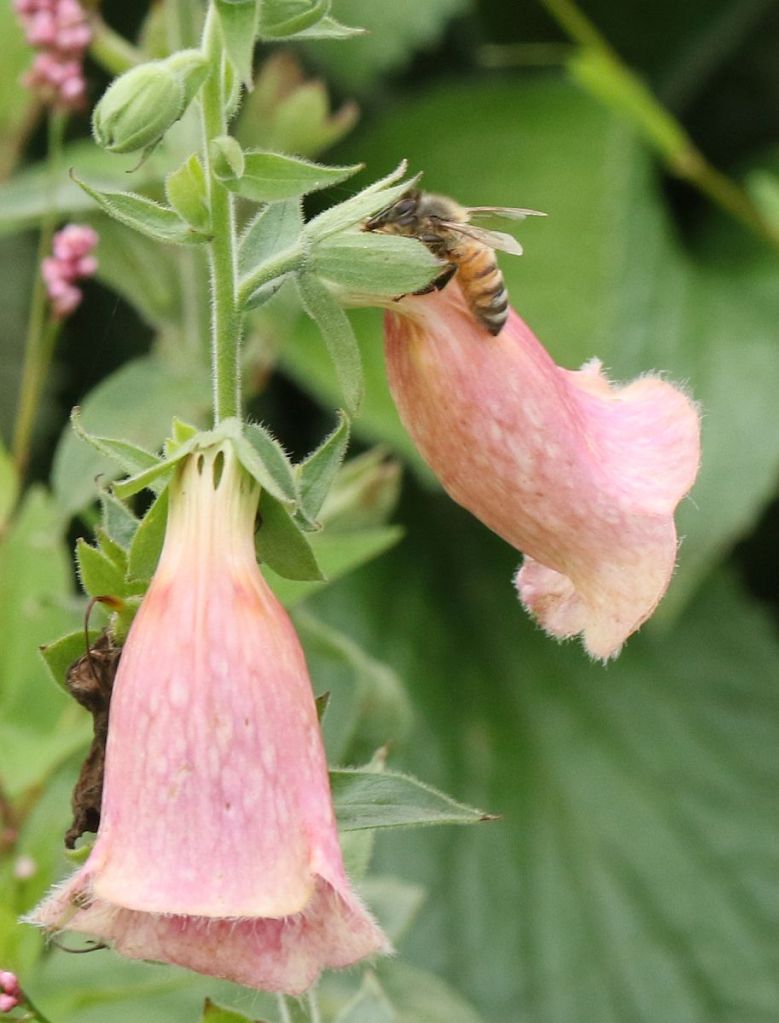
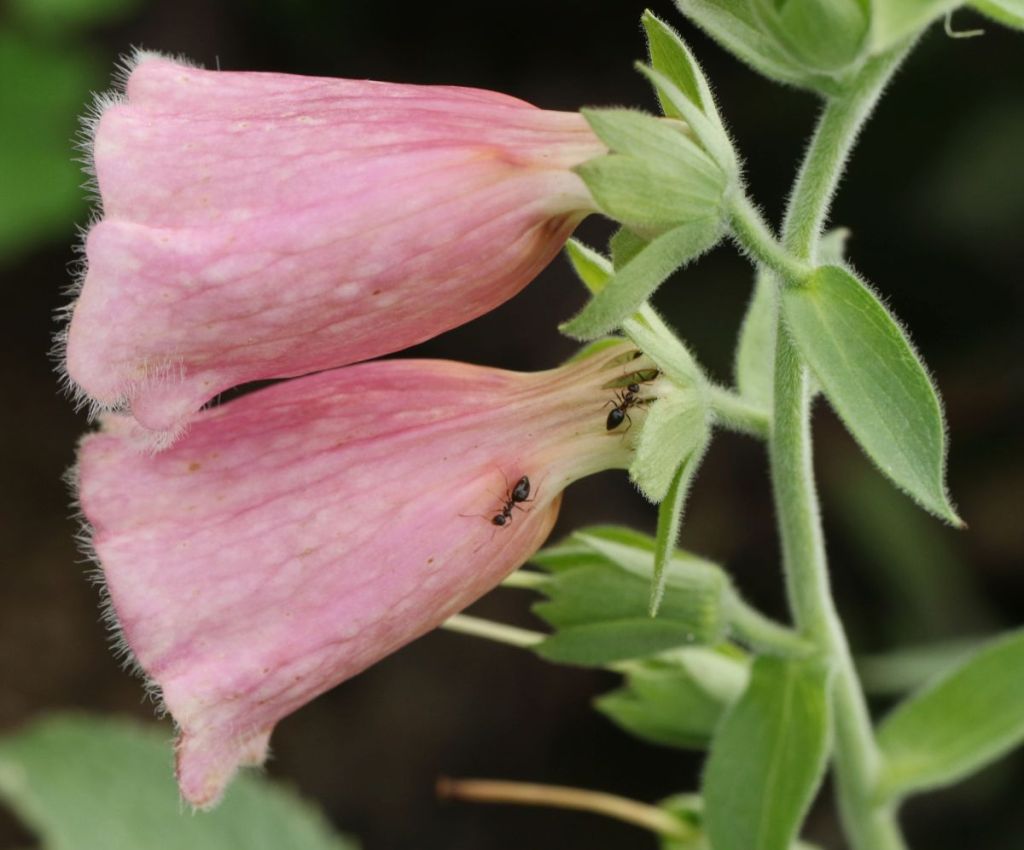

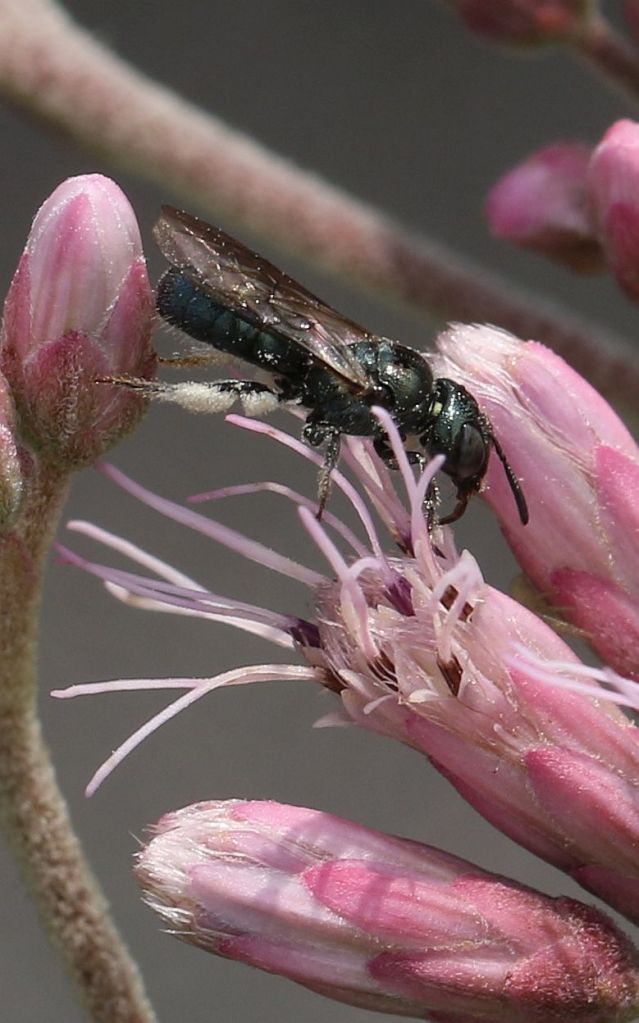
Aside from the wasp-like coloration, the insect above is not particularly fuzzy, another waspish trait. Notice too that, as in wasps, there are no pollen-collecting hairs on the legs nor (although perhaps hard to see from this angle) on the underside of the abdomen. So, assuming this is a female bee, which is certainly possible, how is she collecting pollen?
Like our other bees, she does indeed feed pollen to her young, but it’s not pollen that she collects herself. Instead, she seeks out the nests of other solitary ground-nesting bees, most commonly those of the Eastern Squash Bee, a type of longhorn bee who is our primary squash pollinator. There she lays her egg, and, upon hatching, the new-born larva kills the host bee’s larva and feeds on the pollen hoard originally intended for the host’s young. If you’ve been following the story, then the common name, Squash Longhorn Cuckoo Bee, shouldn’t be completely surprising. (If the “cuckoo” part of the name confuses you, then look up how that bird raises its young.)
This sighting is a ‘two-fer’ – the Squash Longhorn Cuckoo Bee is only likely to be present if its host is too. It thus wouldn’t be surprising if, perhaps somewhere in a nearby cucurbit field of Long Season farm, Squash Bees were also active.
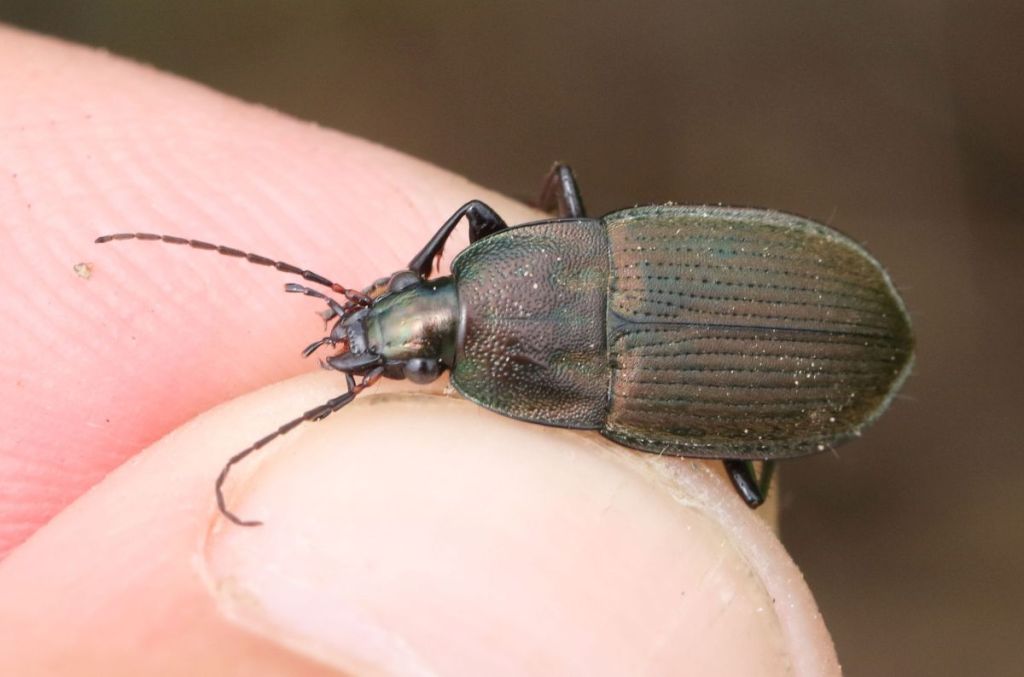
Aside from being a nod to my entomological home-sweet-home, i.e., the ground beetles, I mention this beetle in order to bring up a small management tip. I found this beetle in the deeply sunken cavity around an irrigation spigot. Such cavities can serve as pit traps, not just for beetles but also potentially for small rodents and amphibians (think Heffalump traps in miniature). Once they have fallen in, exiting can be nearly impossible for small creatures. I don’t bring this up to ‘tsk tsk’ anybody, but rather because open holes are understandably a widespread type of occurrence on farms, when post holes go unfilled or other pits are left open. By capping the hole or simply putting in a few long sticks or stalks that rest on the cavity bottom and lean against the top lip, trapped creatures can be provided with an escape route. Elsewhere, I have even seen a similar thing occur, on a bigger scale, at abandoned silos, where a basal entry door was just high enough and the walls just smooth enough to capture passing Raccoons and other scavengers. As in the above example, a simple plank or log boardwalk could provide an easy way out.

One of the most intriguing parts of doing this survey was, as I alluded to earlier, the wide variety of side-by-side flower options and so the opportunity to ask which insects liked which flowers. Scrolling through the preceding photos the variation in taste is evident – mountain mints, thistles, Zinnias, etc. But what you haven’t yet seen are the flowers to which bees were not coming. The Hydrangea above was an example – I saw little insect life on these blossoms. Why would a flower invest energy in creating showy flowers that don’t attract pollinators? Because we have asked it to. While some Hydrangea varieties are good pollinator plants, others have been bred in ways that mean pollinators are being attracted to an empty soda fountain. Breeding for beauty to the human eye can mean pollinators get short changed. This can seem like little more than an inconvenience for pollinators, but when showy flowers prompt passersby to stop for a look, then those aspiring pollinators are wasting precious energy that could be better devoted to visiting flowers that actually provide a reward and need the pollination.
If providing for pollinators is one goal of your garden, then next season think of spending some time noting which flowers are consistently attracting bees and butterflies who then actually settle to nectar or to assemble a pollen meal for their future young. Over time, you could encourage those busy buffets and perhaps think of editing out some of the less-appreciated flowers.
Two words of caution: first, before thinking of removing a flower, google its name and “pollinators” – some flowers are primarily pollinated by moths, whose visits likely go largely unseen; second, some flowers keep their petals well past their ‘sell-by date’, in other words, some flowers that were, when fresh, magnates for pollinators, lose their offerings later in the season while still looking appealing to our eye. Take it slow, watch, keep notes & don’t jump to conclusions, but see if any actionable patterns pop out.
P.S. The quiz butterfly was a Silver-spotted Skipper.
 Farmer-Ecologist Research Circle