Looking northeast from around # 3 on the below aerial. We are standing within the main gardens on the site.
The new facilities of the Hudson Valley Seed Company are located on Airport Road in Kerhonkson, Ulster County, NY. This business mixes seed production (including of native wild flowers) and artwork in order to encourage and facilitate gardeners.
A 2022 image of the land of the Hudson Valley Seed Company, with numbered squares indicating the approximate locations from which the accompanying landscape shots were taken.
The semi-open area through the woods about 600′ due south of the #1 is the wetland that Claudia profiled in her earlier plant posting. In that same post, Claudia also describes the botany of other parts of the property. The earlier posting on creekside beetles was based on observations made just a short way southwest of #1.
A 1958 image of the same land. Portions of the forest in the southeast half of the property appear to still be growing in this era. Looking northeast from #1 across what was, at the time of the photograph, a relatively freshly ploughed field. Looking south-southeast into the clearing from #2.Looking southwest from #3. The building in the center left is the new shop and processing facility .OK, so it’s not an insect. A female Ruby-throated Hummingbird takes a nip at Klip Dagga (Leonotis nepetifolia), a cultivated species in the mint family.Ooops, not an insect either. These are the ornate seed heads of Shinleaf (Pyrola elliptica), a wild-growing plant found in a damp, wooded area just northeast of #2. I stumbled on it while looking for butterflies. The (blurry) dark green leaf with white veins hiding in the background also belongs to this species.
More plants, just an assortment of grasses. No, wait a second, there is an insect. Do you see it? It took me a while to figure out why I had taken this photograph. Coneheads, such as this appears to be, are among the singing insects of late-summer grasslands and edges.Another field singer was this female Short-winged Meadow Katydid. They reportedly have a relatively broad diet, eating not only plants but other insects such as aphids.The insects in this image are also not conspicuous, although video would have made them more apparent. Above the ploughed ground in front of the forest are clouds of small creatures whose dancing swarm was especially evident when seen in motion.Here, they appear as a light brown dappling in front of the foliage.Capturing one of these swarmers in a butterfly net, reveals a small fly, perhaps some sort of midge. The wavering clouds are thought to be part of their mating ritual.While we’re on flies, here’s an introduced species of drone fly; it is thought to be a mimic of Honey Bees. We’ve already seen it in at least one previous post.These fuzzy, long-legged flies are called bee flies.
As adults, bee flies seem to be avid nectar feeders, and, while they do not appear to intentionally collect pollen, pollen does sometimes gather on their furry bodies. They are parasitoids, laying their eggs near those of a variety of insect hosts. The bee fly larvae hatch and proceed to eat their host’s larvae. At least some species reportedly have an interesting pattern of coating their eggs in sand and then aerial dropping them into or near the burrows of their hosts. The young of ground-nesting beetles, wasps and bees seem to be the most common prey of bee fly larvae.Speaking of parasitoids…. this Tobacco Hornworm (Manduca sexta, the caterpillar of a sphinx moth) was found near the tomatoes seen in the garden shown in the first photo.
Tobacco Hornworms sometimes host a parasitoid wasp who, upon pupating, can cover a caterpillar with what looks like a coat of small rice grains. While none of those pupae are visible on this individual, the random dark points (not the ones along the white lines nor the bullseye spiracles) on its skin may be the work of a wasp. The closely related Tomato Hornworm (Manduca quinquemaculata) also occurs in our area and both species eat tobacco and tomato; both are also affected by parasitoids.What appears to be a Familiar Bluet (a type of damselfly) was hanging out on this a poking through ground cloth. As shown by the bottom photo, moderately certain ID required live-capturing one for a closer look.Twelve-spotted Skimmers and some other dragonflies patrolled overhead. Why?A ground-cloth pond?
Such a cluster of dragonflies and damselflies would make sense were there swarms of their insect prey in the air but, so far as I could tell, such prey were not particularly abundant. Watching further, I saw some dragonflies periodically dive down as if trying to touch the ground cloth with the tips of their abdomens. This behaviour is similar to what females do when depositing their eggs in water, and I am guessing that these insects were actually mistaking the smooth, reflective ground cloth for open water. Have any of you ever noticed something like this on your own farms? If so, I would be curious to hear about it.
Turning finally to butterflies, I believe this is a Northern Broken Dash skipper, one of the three, hard-to-identify ‘witches’. It gets its name from the pattern formed by a dark band of pheromone-producing cells on the wings of the male. This, however, is a female. The caterpillars feed on an array of grasses. It is neither a particularly rare nor common species.Meadow Fritillaries are trim, middling-sized butterflies, who seem to be rarer than they ought to be given the prevalence of the violets that their caterpillars eat.
In general, probably because of the lateness of the season, butterflies were not particularly diverse during my visit. The rarest butterfly spotted was one of the so-called Emperors (either a Hackberry or Tawny Emperor); unfortunately for this post, it flew away before I could get a photo.
This is the last butterfly post of the season, and you should now be well-versed in our common butterflies. So, as your final exam, here are five relatively common butterflies photographed at the Hudson Valley Seed Company…
1) Who is this butterfly and, for extra points, is it male or female?2) And what about this one? And, again, extra points for male or female.3) And whose is this northern interloper?4) And this one (whose females are sometimes white and sometimes not)?5) This one gets its name from the lighter colored patch visible in the darker, underside field along the hind edge of the rear wing as seen in the right butterfly. Who is it?
Zinnias in a bed at Treadlight Farm, Kerhonkson, NY.Treadlight leases land from Arrowhead Farm. The yellow outline is not a property line – it is the deer-fenced, ca. 33.4 acre plot of land that contains Treadlight’s leased production fields, together with those of Long Season Farm. Numbers refer to the approximate locations of the landscape photographs below.These fields, located in the floodplain of Roundout Creek, have long been in production.Looking east-northeast from point #1, along some of Treadlight’s flower beds.Looking south-southwest from ca. point #1, across the fallow land at the west end of the fenced in parcel.Looking south from point #2 across some of Treadlight’s flower beds and, in the distance, some Long Season fields.Looking ca. east-northeast from near point #2, across the flower beds (whose posts are propping up a couple of King birds) towards fallow beyond that.This photo, taken from a point near the greenhouses, and looking west along the north fence, shows the lush edges found along the fencelines.
Treadlight Farm is an organic flower producer with a partial focus on raising native wildflowers for seed and retail. Its beds are located on leased land in the floodplain of the Roundout Creek. When I visited on 5 August, some beds were winding down. Most of the land is occupied by tilled flower and vegetable fields, the latter being worked by Long Season Farm; greenhouses are also present near the center of the area. The east and west tips of the parcel are fallow (or perhaps better, ‘old-field’) areas that appear to have been mowed occasionally.
The butterflies included many of the usual cast of characters you should have come to expect if you have been reading these blogs. This shaded Cabbage White is hanging out on Purple Loosestrife, in the fallows at the very western end of the parcel.
Cabbage Whites (a European species that took hold here in the 1860s) and the Clouded Sulphur (a native) were two of the most common farm-field butterflies in our surveys, together they accounted for roughly 44% of the ca. 1500 butterflies we noted across all nine participating farms. At Treadlight, they accounted for slightly less – around 36% of the butterflies we spotted.There are actually two species of butterflies in this shot, do you see them? The most obvious is a handsome Eastern Tiger Swallowtail. For open areas, we classify this species as, ecologically, a “Visitor”. Its caterpillars feed on a range of woody plants including cherries and ashes. However, it seems to happily visit field flowers to drink nectar. A Clouded Sulphur is flitting behind it. I have several pictures of this Sulphur ‘buzzing’ this Swallowtail. Maybe it wanted to share the flower?Monarchs were also present and nectaring at various flowers, including these Zinnias.
Treadlight accounted for about a quarter of all the Monarch sightings during our surveys. However, they were notably less common this year than during some past years – on 10 Sept. of 2021, on the same type of flower and on the very same farm, we had over 130 Monarch sightings in 30 minutes; our tally this year, during roughly four hours, was a relatively meager 16. Assuming Zinnia = Zinnia (not necessarily true), a variety of factors including migration patterns, weather, and fluctuations in the regional abundance of Monarchs might explain this. The Monarch look-alike, a Viceroy.
Viceroys are slightly smaller than most Monarchs, and their caterpillars feed on woody plants, such as Cottonwood. This individual is playing hard to ID – one key character to distinguish the two species is a black line which extends through the Viceroy’s hind wing parallel to the outer margin and about half way from the wing edge to the wing base. This is clear in the inset photo showing a rather battered Viceroy, photographed by our program at the Farm Hub. The subject of our main photo only has a faint suggestion of this line.In contrast, Variegated Fritillaries seemed to be having a banner year – after having gone through various years without seeing them, we found them on three different farms. This is one of the several southern butterfly species who wandered north this year.This American Lady looks like it may have had a brush with a bird.
The large eyespots on the hindwing (one of which is now missing on this individual) may lead some birds to make a quick grab at the ‘wrong’ (for the bird) end. The lucky butterfly then lives to nectar another day. American Ladies are, like Monarchs, migratory. They don’t usually survive our Winters, but regularly recolonize during Summer, with late season individuals heading back south. Some of the other interlopers, perhaps including the Variegated Fritillary, have no such return trip – they’re constantly knocking on our door ecologically but, at least so far, most of the new populations that establish here during Summer then perish during the Winter. This might change if climate warming continues.Pearl Crescents were found on all nine farms this year, Treadlight was no exception. Here, one nectars at a mountain mint.Common Ringlet is, indeed, relatively common; it was also found on two thirds of the farms visited this year. This one is also nectaring at a mountain mint. Unlike the southern butterfly species pushing north, this is a northern species who, over the last three decades or so, has come south. Prior to about 1970, in the Northeast, they were not known south of Canada. They moved south because … uhhmm…. err…. ? (There’s A LOT we don’t know about butterflies!)OK, here’s the quiz butterfly for this posting. This large skipper, whose caterpillars are legume feeders, was found on two thirds of the farms we surveyed this year. Who is it?Getting into the skipper motif, this is a Common Sootywing, another one of those slightly more southerly species who seemed to have a good year regionally. The bright white spots on the deep velvety black background make me think of stars on a dark night.
Common Sootywing, while native itself, now uses non-native ‘weeds’ as caterpillar host plants (esp., Lamb’s Quarters). As Cech & Tudor note in their Butterflies of the East Coast (still my all-around favorite East Coast butterfly book), this diet switch has allowed this little butterfly to range much more widely than it may have done prior to European colonization. While we tend to think of native organisms as helpless victims of human encroachment, it is also important to remember they are not passive actors. Genetically and behaviourally, some butterflies and other organisms (including birds, as Will has pointed out) can adapt and exploit the changes around them. Of course, some sadly cannot make the change and gradually disappear.Treadlight was a relatively skippery place. One of our most common ‘grass skippers’ (a group of small skippers whose caterpillars feed on grasses) is usually the Peck’s Skipper, however we noted it on only a pair of farms this year. This hapless Peck’s Skipper has actually fallen prey to an Ambush Bug, whose head is just visible near that of the butterfly.Ambush Bugs have confusing speckling and an odd shape, both of which probably help them avoid detection as they lay in wait in the heads of flowers, like this Joe-Pye Weed. Note those muscular forearms that let them grab the prey that they then subdue with a quick injection of poison.Here, in more uplifting circumstances, two Peck’s Skippers assess each other, perhaps as a prelude to mating.A Least Skipper arriving to Viper’s Bugloss on the wing.A Broadwinged Skipper inspects yet more Joe-Pye Weed (are you getting an idea of what one of the favorite flowers ‘in town’ was?). Broadwinged Skippers have probably benefited from the spread of a non-native variety of one of their favorite caterpillar host plants – Phragmites.A subtle Tawny-edged Skipper surveys the scene while a pair of bumble bees have a tête-à-tête. Treadlight was the only farm where we noted this species. My sense with this skipper is that it’s rarely common, but in some years it appears to be more widespread than in others. 2024 did not seem to be a particularly propitious year for it.This is the aptly named Fiery Skipper. This is another species who is wending its way north. During our surveys, we only saw it at Treadlight, although a colleague also spotted one at the Farm Hub this year.
The abundance of skippers provokes some management thoughts – two of the important habitat ingredients for butterflies are the flowers that the adults nectar at and the host plants that their herbivorous larvae (aka caterpillars) consume. Monarchs, for example, will nectar at a variety of different flowers, including the Zinnia pictured earlier, but their caterpillars specifically need milkweeds. Similarly, many of the skippers pictured above are grass feeders. Although not all of those skippers are confined to native grasses, there are a few native-grass specialists whom we have seen in the region and who might be tempted to visit were their caterpillar host plants available. Given the abundant flower resources that Treadlight provides, it might be fun to think about what additional caterpillar foods could be seeded in the fallows at either end of the fenced-in area. Maybe a native grass seed mix could attract some interesting species.
This is where I usually wrap up my insect accounts of the farms, perhaps ending with shots of one or two other insects I encountered, such as this seemingly inquisitive blister beetle. However, Treadlight’s abundance of various flowers prompted me to spend some thought-provoking time observing the bees. I saw too few of this particular species, the Golden Northern Bumble Bee (Bombus fervidus) to discern its preferences. But this globally Vulnerable species is nice to see wherever one finds it!
What I found so intriguing was how different the bee faunas of various flower types could be. Rather than getting the sense that there was one chaotic community of bees who were all visiting everything in bloom, the pattern seemed to be more one of specialization – with certain flowers hosting particular bees largely not see elsewhere. It’s likely that a variety of factors explain these patterns, including the relationship between bee and flower morphology, and bee preferences for certain pollen and/or nectar biochemistries.An Eastern Bumble Bee (Bombus impatiens) on a Zinnia. This is currently one of our most commonly spotted bumble bees.A Honey Bee forages on a thistle flower while a smaller bee explores the unfocused foreground.The mountain mint in particular was bubbling with Honey Bees.A Honey Bee hive amidst the fallow.
Honey Bees and native bee conservation is a fraught interface. Prompted in part by concern about colony collapse disorder, many members of the public probably equate Honey Bee protection with bee conservation overall. However, as mentioned in a previous post, Honey Bees are not native to North American – they were originally imported to our area from eastern and southern Europe. Increasingly, researchers are warning about the impacts of Honey Bees on native bees (e.g., see this paper and this Xerces web page). This can come about by competition for resources (there’s only so much pollen and nectar out there!), direct interaction (‘hey, that’s my flower!’), and the spread of disease. Of course, there are reasons why Honey Bees are popular. Aside from the honey, they can be diligent, early-season crop pollinators. However, in many cases, where ample natural habitat is available, native bees (which include bumble bees) are as good as or better at the job of pollination. Honey Bees are here to stay and there are now numerous feral colonies living on their own in the wild, so, even were it desired (which I doubt it would be!), removing Honey Bees from the landscape would not be possible. However if native bee conservation is one of your goals on a particular property, then avoiding Honey Bee hives on that land might be appropriate.
While that might look like a large bumble bee joining Honey Bees on the mountain mint, it’s an Eastern Carpenter Bee, as indicated by the generally bare and shiny abdomen, together with tinted wings.This Ceratina is also considered to be a type of carpenter bee. However, unlike the Eastern Carpenter Bee (who, as many of us know, excavates its solitary nests in exposed wood), Ceratina excavates its nest holes in the soft pith of annuals, herbaceous perennials, and shrubs.A native green sweat bee (a male Agapostemon) visits Joe-Pye.A chunky, native Megachile bee, part of the group known as leaf cutters, shares a thistle with a small native bee. This Megachile is conspicuously gathering thistle pollen on the collecting hairs underneath its abdomen. Most of our female bees collect pollen on their legs. Pollen is used by mother bees to provision their young, so male bees generally lack pollen-collecting hairs. In solitary ground or cavity nesting bees like Megachile, the egg is deposited together with a pollen packet, which the larva then devours upon hatching.A female sweat bee loads up her hind legs with pollen. This tiny sweat bee (looks like a Lasioglossum species to me) demonstrates the source of its common name by looking for salts on my sweaty skin.
Anthidium manicatum at the flowers of a cultivated member of the mint family.
I only found this Anthidium bee in this one patch of flowers, where it was conspicuous. Not only were these bees relatively numerous, they were interacting ardently with each other, with bees boffing each other as they perched on flowers and occasionally coupling. Males are reportedly territorial, fending off newcomers except for the females they seek. Before one runs out and plants more of this flower in order to support native bees, it should be noted that, like the Honey Bee, this is not a native species, as its common name, the European Wool Carder Bee, reveals. The males reportedly use spines at the tip of their abdomens to attack and even kill other bees, and so are thought to sometimes prevent native bees from using certain flowers. There are, however, a couple of native Wool Carders, so be careful with your IDs. They are called “Wool Carders”, because they line their solitary nest cavities with a ‘woolly’ mat of plant hairs.
Appropriately enough given its perch, this is, according to a kindly helper on iNaturalist, Melissodes desponsa or the Eastern Thistle Longhorn Bee. Not surprisingly, it is said to prefer thistles.A bumble bee about to enter a tubular flower. This is surely what the flower, evolutionarily speaking, ‘wants’. The bee will enter the flower, encounter the anthers, intentionally or unintentionally pick up some pollen , and then depart to passively pollinate the next flower it visits. So far, so good.…But that long trip up a fuzzy tunnel can be inconvenient and slow; it’s probably not the most efficient way to gather nectar, if that’s all you’re after. What’s a wise bee to do? Cheat. This Honey Bee is feeding on nectar through some basal slits that it or an earlier bee made. These slits are clearly visible on the neighboring flower. I say ‘cheat’ because such slits let the bees take the nectar without encountering the pollen whose transport the flower was investing in.Even ants, like these Winter Ants, get in on the game.This is a bee, not a wasp.
Aside from the wasp-like coloration, the insect above is not particularly fuzzy, another waspish trait. Notice too that, as in wasps, there are no pollen-collecting hairs on the legs nor (although perhaps hard to see from this angle) on the underside of the abdomen. So, assuming this is a female bee, which is certainly possible, how is she collecting pollen?
Like our other bees, she does indeed feed pollen to her young, but it’s not pollen that she collects herself. Instead, she seeks out the nests of other solitary ground-nesting bees, most commonly those of the Eastern Squash Bee, a type of longhorn bee who is our primary squash pollinator. There she lays her egg, and, upon hatching, the new-born larva kills the host bee’s larva and feeds on the pollen hoard originally intended for the host’s young. If you’ve been following the story, then the common name, Squash Longhorn Cuckoo Bee, shouldn’t be completely surprising. (If the “cuckoo” part of the name confuses you, then look up how that bird raises its young.)
This sighting is a ‘two-fer’ – the Squash Longhorn Cuckoo Bee is only likely to be present if its host is too. It thus wouldn’t be surprising if, perhaps somewhere in a nearby cucurbit field of Long Season farm, Squash Bees were also active.Aside from butterflies, ground beetles are really ‘my thing’, but this one took an embarrassingly long time to ID, because I see this species so infrequently. I’m now pretty sure it’s Chaleanius tomentosus. This is not a species I know from Columbia County, although we have collected a couple of these beetles at the Farm Hub over the past decade.
Aside from being a nod to my entomological home-sweet-home, i.e., the ground beetles, I mention this beetle in order to bring up a small management tip. I found this beetle in the deeply sunken cavity around an irrigation spigot. Such cavities can serve as pit traps, not just for beetles but also potentially for small rodents and amphibians (think Heffalump traps in miniature). Once they have fallen in, exiting can be nearly impossible for small creatures. I don’t bring this up to ‘tsk tsk’ anybody, but rather because open holes are understandably a widespread type of occurrence on farms, when post holes go unfilled or other pits are left open. By capping the hole or simply putting in a few long sticks or stalks that rest on the cavity bottom and lean against the top lip, trapped creatures can be provided with an escape route. Elsewhere, I have even seen a similar thing occur, on a bigger scale, at abandoned silos, where a basal entry door was just high enough and the walls just smooth enough to capture passing Raccoons and other scavengers. As in the above example, a simple plank or log boardwalk could provide an easy way out.
A Hydrangea in full, if somewhat lonely, flower.
One of the most intriguing parts of doing this survey was, as I alluded to earlier, the wide variety of side-by-side flower options and so the opportunity to ask which insects liked which flowers. Scrolling through the preceding photos the variation in taste is evident – mountain mints, thistles, Zinnias, etc. But what you haven’t yet seen are the flowers to which bees were not coming. The Hydrangea above was an example – I saw little insect life on these blossoms. Why would a flower invest energy in creating showy flowers that don’t attract pollinators? Because we have asked it to. While some Hydrangea varieties are good pollinator plants, others have been bred in ways that mean pollinators are being attracted to an empty soda fountain. Breeding for beauty to the human eye can mean pollinators get short changed. This can seem like little more than an inconvenience for pollinators, but when showy flowers prompt passersby to stop for a look, then those aspiring pollinators are wasting precious energy that could be better devoted to visiting flowers that actually provide a reward and need the pollination.
If providing for pollinators is one goal of your garden, then next season think of spending some time noting which flowers are consistently attracting bees and butterflies who then actually settle to nectar or to assemble a pollen meal for their future young. Over time, you could encourage those busy buffets and perhaps think of editing out some of the less-appreciated flowers.
Two words of caution: first, before thinking of removing a flower, google its name and “pollinators” – some flowers are primarily pollinated by moths, whose visits likely go largely unseen; second, some flowers keep their petals well past their ‘sell-by date’, in other words, some flowers that were, when fresh, magnates for pollinators, lose their offerings later in the season while still looking appealing to our eye. Take it slow, watch, keep notes & don’t jump to conclusions, but see if any actionable patterns pop out.
An Ailanthus Webworm Moth shelters below a Honey Bee. Originally, this native species was probably confined to the Neotropics and some tropical host, but it has followed its adopted host, the non-native Tree of Heaven, northwards.
P.S. The quiz butterfly was a Silver-spotted Skipper.
Yellow Foxtail and a vetch mix in a Carpenter Road field.
These Hawthorne Valley Farm-managed fields are comprised of hay field, pasture and ploughed ground and are leased from three nonfarmer land owners. They are interspersed with a few hedgerows and wood patches. The parcels are located along Carpenter Road, just north of Philmont, Columbia County. The eastern property belongs to Arthur’s Point Farm, a native plant nursery with ongoing reforestation/orchard establishment on some of its fields. The western property has a small apple orchard managed by the owner, but that was outside of our survey area.
A 2021 image of the fields surveyed. The lettered squares refer to the sites of the landscape photographs shown below.A 1948 aerial of the same area. Other than the pond and the southwest forest block, little has changed.Looking north-northeast from near point A. The far hill (where Black Swallowtails were later observed hilltopping) has been planted with tree-tube-protected young trees by the landowner.Looking ca. due west from point B.Looking west-southwest from point C.Looking more or less west from point D. Carpenter Road is just out of view to the right.
As we did in our Harrier Fields post, this one is a multi-organismal extravaganza, what follows is Claudia describing plants, Conrad describing mainly butterflies, and Will describing birds. You can use the below anchor points to navigate to your favorite section:
The botanical survey only included agricultural areas managed by Hawthorne Valley Farm and some adjacent non-agricultural habitats. The following map shows the approximate routes walked during the survey. Numbers indicate points/areas where botanical observations were made. I will refer to them throughout this blog.
Most of the field north of the entrance of Eagle Rock Road (#1 on the map) was dominated by Yellow Foxtail, an annual, warm-season grass originally from Europe, which seemed to be doing particularly well on tilled ground on several farms we visited this year. The area of greener, lower vegetation visible here is a wet spot in the field (#2), which supports sedges and Sensitive Fern. The yellow strip of vegetation along the edge of the field (#3) is a wet meadow that is fenced off and does not get tilled.
Field north of entrance to Eagle Rock Road (#1, 2, 3 on map)
These delightful flowers of an unusual color belong to an uncommon European annual with a fun name: Scarlet Pimpernel (Anagallis arvensis), which is also referred to as “Poor-man’s Weatherglass,” because it supposedly closes its flowers when the sky becomes cloudy, “Red Chickweed,” for obvious reasons, or “Poison Chickweed,” because it contains toxins. We find this small plant occasionally along roadsides and in tilled fields (#1), but in our region, it never seems to become common enough to consider it a serious agricultural weed.
Scarlet Pimpernel (Anagallis arvensis)
Another uncommon European weed spotted in the same field (#1) is Flower-of-an-hour (Hibiscus trionum), which has a flower of typical Hibiscus-shape, but unusual color combination.
Flower-of-an-hour (Hibiscus trionum)
The unmowed wet meadow at the field edge (#3) was composed of mostly native wildflowers, including four kinds of goldenrods, Blue Vervain (Verbena hastata), Pilewort (Erechtites hieraciifolius), Spotted Jewelweed (Impatiens capensis), Spotted Joe-Pye-weed (Eutrochium maculatum). It also harbored some invasive species, such as Purple Loosestrife (Lythrum salicaria) and Canada Thistle (Cirsium arvense), which is a European species that might better be referred to as “Creeping Thistle,” to avoid the common misconception that this species is native to this continent.
Wet meadow (#3)
The pastures and hayfields (#11) appeared mostly green from a distance.
Pasture/hayfield (#11)
Looking closer, they were composed of quite a variety of plant species: European cold-season grasses mixed with European clovers: White Clover (Trifolium repens), Red Clover (Trifolium pratense), and Bird’s-foot Trefoil (Lotus corniculatus). One can also see the European Common Bedstraw or “Wild Madder” (Galium mollugo) and Wild Carrot (Daucus carota), as well as the ubiquitous Yellow Foxtail (Setaria pumila).
Two native species that were quite common in these perennial pastures/hayfields, were Horse-nettle (Solanum carolinense) and Common Milkweed (Asclepias syriaca).
A closer look at the plant community of a perennial pasture/hayfield (#11)
This shrub swamp (#18) is part of a small wetland complex that also includes an ancient swamp forest (#15), which seems to have never been completely cleared for agriculture. The center of the shrub swamp is dominated by the native Buttonbush (Cephalanthus occidentalis), which tolerates year-round “wet feet.” Some of the edges of the shrub swamp are dominated by the invasive Reed Canary Grass (Phalaris arundinacea; seen in the foreground).
Buttonbush shrub swamp (#18)
A closer look at the Buttonbush reveals its tell-tale spherical seed heads. In mid summer, each of these spheres was covered with small, white, tubular flowers that are very attractive to a variety of pollinators.
Buttonbush (Cephalanthus occidentalis)
This curious-looking vine is Burr-cucumber (Sicyos angulatus), a native member of the cucurbit family.
Burr-cucumber (Sicyos angulatus)
It was enthusiastically growing on Eurasian honeysuckle shrubs (Lonicera morrowii or. L. bella) around the edge of the Buttonbush swamp. This is one of the North American species considered invasive in parts of Europa and Asia.
Edge of buttonbush shrub swamp (#18)
There were several unmowed, herbaceous field edges (e.g., this east edge of #19), which support a vegetation composed of typical pasture/hayfield plants and native species, such as asters and goldenrods, which don’t tolerate mowing/grazing very well. These margins serve as sanctuaries for insects, as pantry for seed-eating birds, and provide shelter for all sorts of wildlife.
Unmowed field edge (#19)
A small rocky knoll (#20) drew my attention because of its potential for unique plants.
Rocky knoll (#20)
On the rocks themselves I found a number of mosses and lichens not seen elsewhere on the Carpenter Road Farmland (but not uncommon in the larger region). There was also a small patch of Ebony Spleenwort (Aspleniumplatyneuron) a native fern tolerant of dry conditions. The plants in the foreground are Spotted Knapweed (Centaurea jacea), a European meadow species with thistle-like flowers that often invades dry pastures in our area.
Some of the plants, including the fern Ebony Spleenwort (Asplenium platyneuron) on the rock outcrop.
While an interesting scenic feature, the rock outcrop and surrounding dry pasture proved to be not as botanically-rich as hoped. One reason might be that this area has the only shade trees in this pasture, which might result in heavy use and associated trampling of the vegetation by grazing animals. (A snag on the knoll did seem to be a nesting site for American Kestrels.)
View west from the rock outcrop and shade trees (#20) across a hayfield (#21)
In contrast, the unmowed shore of this nearby pond was one of the few places on the land where native wetland plants abounded. These included two species of cat-tails (Typha latifolia and T. angustifolia), several species of sedges (Carex spp.) and bulrushes (Scirpus spp.), a nutsedge (Cyperus sp.) and a spikerush (Eleocharis cf. obtusa).
Pond (#23) with unmowed shoreline and a diverse plant community
The tall vegetation next to the pond also supported the elaborate nets (with their characteristic zig-zag pattern) of several large Garden Spiders (Argiope aurantia).
Garden Spider (Argiope aurantia)
The pond itself had some patches of floating duckweeds, which are often mistaken for algae. Instead, they are miniscule plants (which actually have microscopic flowers that grow directly on the floating leaves). This floating carpet seemed to be composed of at least three different species: the largest leaves belong to Common Duckmeal (Spirodela polyrhiza), the medium-sized ones to Common Duckweed (Lemna minor), and the really tiny ones to one or several species of watermeal (Wolffia spp.).
Several species of duckweeds floating in the pond (#23)
On an old compost pile near the silos south of the pond (#24), I discovered a big patch of the invasive Japanese Hops (Lupulus japonicas).
Japanese Hops (Lupulus japonicas)
On the south side of Carpenter Road, there are three big fields (#27-29) with different plant compositions.
Three fields south of Carpenter Road (#27-29)
The unmowed, untilled field margin between #27 and #28 harbored a mix of native and non-native plants, including some tall thistles.
Unmowed, untilled field margin between fields #27 and #28
Closer inspection helped identify them as the native Field Thistle (Cirsium discolor), identifiable by their large flower heads and the characteristic white stripes on their spiny bracts (the otherwise green, little leaves that surround the flower head in a tile-like arrangement).
Field Thistle (Cirsium discolor)
The tilled field (#28) had a cover crop of Buckwheat (Fagopyrum esculentum) and an abundance of annual agricultural weeds, including the native Common Yellow Nutsedge (Cyperus esculentus; in the foreground) and three species of introduced foxtails (Setaria spp.).
A field (#28) with a cover crop of Buckwheat (Fagopyrum esculentum)
Three seed heads of foxtails growing side-by-side in the Buckwheat cover crop: Green, Giant, and Yellow Foxtail (Setaria viridis, S. faberi, and S. pumila; from bottom to top, respectively).
Green, Giant, and Yellow Foxtail (Setaria viridis, S. faberi, and S. pumila; from bottom to top, respectively)
Another pond (#32) also supported a diverse wetland vegetation along its unmowed margins.
Another pond (#32) with diverse wetland vegetation
American Bur-reed (Sparganium americanum) was one of ten native species not noticed anywhere else during this inventory.
American Bur-reed (Sparganium americanum)
The herbaceous/shrubby field margin (south edge of #29) harbored a mix of invasive (note the ample Japanese Stiltgrass, Microstegium vimineum, in the bottom left corner of the image), native (Common Milkweed, Asclepias syriaca, and goldenrods, Solidago spp.), and European (Wild Carrot, Daucus carota) species. The structural diversity of such “soft edges” attracts certain songbirds and the diversity of plant species provides floral resources for pollinators.
Herbaceous/shrubby field margin (south edge of #29)
Finally, a wet meadow (#37) along a small stream was exceptional in its density of native, late-summer flowers, including those of several species of goldenrods, Spotted Joe-Pye-weed (Eutrochium maculatum), Spotted Jewelweed (Impatiens capensis), and Purple-stemmed Aster (Symphyotrichum puniceum). The latter was not seen anywhere else during this survey.
It was a generally warm and sunny 27th of August when I made my way around the Carpenter Road fields. I more or less followed the route shown below, winding through the open farm fields.
My approximate path chasing butterflies on 27 Aug.For much of my outing, I encountered the standard set of farm-field butterflies, such as this Clouded Sulphur.While this looks a lot like a Clouded Sulphur, note the slightly more orangish tinge.When it takes to the wing, that egg-yolk orange becomes strikingly more apparent.Orange Sulphurs are considered dietary “Switchers” (a term coined by Boston butterflier, Sharon Stichter). That means that, while they are a native butterfly and their caterpillars doubtless can feed on native legumes, they’ve been able to add widespread non-native legumes, such as Alfalfa, to their diets. Life doesn’t stand still!Another example, although not a butterfly I saw on this day, is the Wild Indigo Duskywing – its original food was Wild Indigo (when was the last time you saw that plant?), but it has grown to like Crown Vetch, and so is a regular in our landscape.A male Eastern Tailed-blue, top, and a female, bottom. Females are grey; males are blue.These are widespread little butterflies who feed on a range of legumes.Another of our more common butterflies (as you’ll know if you have been following our earlier posts!): the Least Skipper.A fresh looking male Monarch.This Monarch caterpillar was probably getting close to pupating. For me, the easiest way to find a caterpillar on milkweed is by looking for the frass (aka caterpillar poop). Those are the little brown pellets visible on the leaf below the caterpillar. Notice that even in late August, this caterpillar had been able to find a moderately young milkweed plant (those leave still look nice and fresh). This emphasizes a point made in an earlier post – having a range of milkweed ages on a farm is probably your best bet for supporting Monarchs, especially if you try to make sure that there’s a good stock of youngish plants come mid-Summer, when Monarchs generally seem to be most common in our neighborhood (see below).This graph shows the average number of Monarchs we have seen during butterfly surveys here in Columbia County and nearby areas. It’s a ‘napkin’ sketch, in that I didn’t try to correct for survey length, etc., but it does show that we don’t really have a Monarch turn out until July, so making sure they have fresh milkweed available then could be good. Milkweed will usually resprout if clipped, and so cutting back portions of a May or early June milkweed patch could result in nice, tender shoot for those late Summer arrivals. (The October peak shown above may well reflect passing migrants.)The Silver-spotted Skipper is relatively big and common, ergo one of the most frequently seen of our skippers.A Great Spangled Fritillary. This was not a particularly good year for this species, and we only saw them occasionally.We did, however, see relatively large numbers of their southern kin (more to come below).Not a great shot, but it does document the presence of Pearl Crescent. Some people think this “species” might actually contain two or more cryptic species.A red meadowhawk. Yes, I know, that’s not a species, but if I said it were a White-faced Meadowhawk or a Ruby Meadowhawk, then I would be whistling in the wind.As I was writing this blog post on 13 November at the nearby Hawthorne Valley home farm, this individual flew in. Air temperature was at or below 40F, albeit with a clear sun. This is likely a male Yellow-legged (aka Autumn) Meadowhawk, a relative of the above species, and just serves to indicate the fortitude of some of these late-season species. I can imagine he was finding rather slim pickings in terms of other flying insects to eat.A male Black Swallowtail.
As I’ve tried to illustrate with this photograph, Black Swallowtails seem to be especially dedicated “hilltoppers”, often gathering atop hills. Perhaps this facilitates mating, a sort of innate “I’ll meet you at the top of the hill” social club.
We’ve seen the Common Buckeye in a previous post, but it’s hard to pass up this exotic-looking creature. This is primarily a southern species, only edging it way north during some years. In fact, looking at i-naturalist, our Columbia County observations mark their northernmost forays in the Hudson Valley during 2024. Although they also extended into New Hampshire and Maine this year.
Here’s another southerner who pushed north this year – the Common Checkered Skipper. Again, this is i-naturalist’s northernmost Hudson Valley sighting this year. There were apparently no New England records in 2024, however, it’s admittedly not as eye-catching as the Common Buckeye.
Another southerner and, to me, the most surprising – a Variegated Fritillary, a relative of the Great Spangled shown earlier. We only had one or two previous records from Columbia County (where Carpenter Road is located). All of those were of single individuals. And then, lo and behold, there was not just one, but several of these cavorting in a Buckwheat field.
Clearly, ‘spider web on pumpkin’ camouflage.
And even more surprising, they were mating!
It’s a blurry picture, but it is an action shot – a pair of mated Variegateds in flight. As is understandable, only one of the mated pair tries to fly while the other forms a hanging keel of sorts. As I recall, a given species is fairly consistent in terms of which sex flies and which goes along for the ride, but I don’t think it’s the same pattern holds across all species. Something to look up when I get a chance…
As we were preparing this, Will asked me why we observed so many southern butterflies this year. Aside from the species mentioned above, elsewhere in the region we or colleagues saw Giant Swallowtail, Cloudless Sulphur, Fiery Skipper, and Little Yellow – all of whom are also southern species. It’s hard to know for sure why this was the case. These are all southern species who have been recorded to occasionally make northern forays. For some of these species there are even 19th century records of such movements. One can imagine that such species are always probing the northern margins of their distribution, and when populations are particularly high farther south and/or conditions are particularly amenable farther north, they then appear in our area. Is their local appearance due to climate change? Could well be, but I don’t think we know enough about their ecologies to really pinpoint the cause of their appearances this past year. Time will tell whether this was a fluke year or, instead, the start of a trend. An interesting management question is, should we ‘plant ahead’? For example, should we seed more Partridge Pea or Prickly Ash (also southern species) so that the Cloudless Sulphur, Little Yellow and Giant Swallowtail find welcoming host plants for their caterpillars when they show up?
What appears to be Bombus vagans, the Half-black Bumble Bee.Here we have what looks to be Bombus impatiens, the Eastern Bumble Bee, but what is most interesting to me about this picture is comparing where these two bees are carrying their collected pollen. The Bumble Bee sports leg panniers, officially known as ‘corbicula’. These are widened, largely bare portions of their hind legs that are surrounded by long, pollen-retaining hairs. The bee on the right, in the family Megachilidae (Leaf cutter bees and their kin), is taking a different approach – it sticks the pollen to the fuzz on the bottom of its abdomen. Evidently, for thistle pollen at least, both approaches work.Hey Mom, there’s some guy over here stalking butterflies…
The three Hawthorne-managed properties owned by three different households that we will simply refer to as “Carpenter Road” contains a broad range of habitats and with it, a broad diversity of birds to match. I visited these properties on June 24.
A common theme throughout my blog posts has been an investigation of unmanaged or lightly-managed edges, which can be productive foraging areas for birds seeking seeds and insects. These areas need not be designed and planted as wildlife strips, but rather through willful neglect can host a higher plant diversity than closely mowed lanes. That plant diversity often leads to structural diversity which provides cover for birds and insect diversity which provides food.
The Savannah Sparrow, a species of concern in NYS is quick to make use of unmowed edges around farm fields. Photo credit: Mike Birmingham
The diversity of native and naturalized vegetation provides many opportunities for a variety of bird to nest and feed
Barn Swallows and Red-winged Blackbirds foraged over the fields of grain on Carpenter Road and as one moved south of the road, a mature hedgerow of native trees and lightly managed meadow hosted an entirely different set of forest and shrub-loving species of birds.
American Robin, Carolina Wren, Downy Woodpecker, Field Sparrow, Gray Catbird, House Wren, Northern Cardinal, Northern Flicker, Orchard Oriole, and Yellow-throated Vireo could be found in the hedgerow. Another guild of water-loving species could be found near the small pond there including Common Grackle, Red-winged Blackbird, Warbling Vireo, and Yellow Warbler.
Because of the ephemeral nature of their preferred habitat, Chestnut-sided Warblers rarely stay in the same place for more than a decade or so. Photo: Mike Birmingham.
The song of the Chestnut-sided Warbler ‘Pleased Pleased Pleased to MEETcha!‘ rang from a group of young Red Maples. This bird can nest in a very small patch of suitable habitat, but they prefer young trees and thickets. Historically, this was a bird that followed natural disturbance or even logging, taking advantage of rapidly regrowing trees and shrubs. Once forests mature, this species moves on to other young patches. It’s likely that some part of the farm south of Carpenter Road was abandoned a few decades ago (see the 1940s aerial photo on Conrad’s post!) and the trees are in that habitat ‘sweet spot’ for this warbler.
We’ve lost about half the number of Chestnut-sided Warblers in North America since the 1960s as much of their suitable early successional forest has matured since the peak of agricultural abandonment a century ago. They likely colonized forests after fire and storm damage and in the wake of abandoned beaver meadows before European settlement. It’s possible that they were even rarer than today in the North America centuries ago of mature forest punctuated with Native American fields and encampments. This warbler has also suffered from severe habitat depletion on its wintering grounds in Central America as tropical foothills have been cleared to raise coffee. It is well documented that reputable “shade grown” coffee, from plantations that retain an intact canopy of native tropical tree species, greatly benefit this species. Something to ponder as we make our caffeine purchasing choices.
Chestnut-sided Warblers forage in leaves, searching for caterpillars, fly larvae, spiders, and leaf hoppers. They nest fairly close the the ground in shrubs, rarely more than six feet off the ground. They form monogamous pair bonds and actively defend their small nesting territories from neighboring species of warblers and other songbirds. It usually requires a good pair of binoculars to see them well, but once you track down this fast flitting species the spring males in particular can be a stunning reward of color.
To the north of Carpenter Road, Hawthorne Valley farmers have interplanted cereal grains in a matrix of clover and other cover crops.
A quick drive by and this field of wheat looks like any other…
A closer look shows that these cereal grains are not conventionally grown in a no-till regime with glyphosate herbicide because the edges and understory still host other photosynthesizing plants…
This understructure of clover and other forbs provides an essential understory for insects, the primary summer food for all North American songbirds
Conventionally grown row crops can be fairly unbirdy places since there is limited cover and very little to eat. Historic records, however, suggest that early American fields of rye and wheat were once suitable nesting sites for a variety of grassland birds and Carpenter Road fields may illustrate one reason for the difference. So-called Round-Up Ready cereal crops that are drilled and then sprayed with broad-scale herbicides create fields that are so clean, so devoid of weeds, that they are entirely new agricultural landscapes. No 19th-Century farmer, no matter how fertile their soil, or however many times they cultivated, could match the ‘cleanliness’ of even the most average conventionally grown cereal crop today. Combine that with our ability to use heavy equipment to push out and even landforms to enable farmers to plant hedgerow to hedgerow explains why grassland birds are among the fastest declining guild of birds in North America. There simply isn’t enough habitat left in the Upper Midwest (or here in the Northeast where cereal crops are declining but still a valuable crop in some areas) to provide critical shelter and food.
As I walked through these wheat fields I wondered if this land would support grassland birds and I soon noticed Eastern Meadowlarks flushing from the field. A short distance later Savannah Sparrows foraged and I heard the insect zzzzzzz of a Grasshopper Sparrow.
The striking yellow breast and black chevron on the chest make the Eastern Meadowlark unmistakable. Photo: Mike Birmingham.
We still have a lot of upland meadows in the Hudson Valley, but the vast majority of those fields are intensively hayed with multiple cuttings. As we discussed in the Churchtown blog, this recent intensification of land use presents a level of disturbance that is incompatible with the needs of many grassland breeding birds. The Carpenter Road fields consisting of grains without herbicide and lightly used pastures do provide suitable levels of land use intensity and grassland birds are likewise present.
We must always be careful in ornithology to distinguish between the positive presence of birds and positive breeding outcomes. Grassland birds have an innate biological attraction to open fields regardless of the land use intensity and their mere presence does not guarantee that they are maintaining sustainable populations at that site since they could be attracted to large open areas that ultimately serve as traps where breeding fails. That said, in only a few moments of searching I was able to locate a few nests with eggs.
This Savannah Sparrow nest with eggs was located in the exact tussock of pasture grasses shown to the right. This nest existed in a field recently grazed by cows but the stocking rate was low enough to leave a few uneaten patches of vegetation used by this sparrow.
The Arthur’s Point silvopastures and tree nursery are unique habitats, with grass species similar to adjacent pastures but with greater structural diversity and the obvious hunting perches the young saplings provide. Early successional species such as Field Sparrow, Brown Thrasher, Common Yellowthroat, and Chipping Sparrow were common. Tree and Barn Swallows foraged over the meadow and Eastern Kingbird hunted from fence posts and trees.
Landscape structures like this are inherently ephemeral in the Northeast. Somedisturbance — be it from mower or cattle — is needed to keep mature trees in check. This tension between field and forest can create a transitional habitat that is very productive for birds.
A Grasshopper Sparrow nested at the base of the white plastic electric fence post
In the short 20 minute walk up and around this hill, I counted two Grasshopper Sparrow nests and counted at least 8 birds, some possibly so-called hatching year birds that fledged at this location. This was a high-quality site for this species as several paired adults were preparing second clutches.
The Carpenter Road complex hosted about a dozen or so Grasshopper Sparrows in total which is likely the highest density for this species in Columbia County and among the highest I’ve ever found in the Hudson Valley!
Many of the farms I visited for this project have made some deliberate attempt to manage lands lightly or to leave some habitat unmanaged. In many ways these practices have led to higher-than-expected avian richness. Are there models contained in these farms that can be shared? Improved? Better studied? Will these models be enough to shelter and support birdlife as climate change mounts challenges even on protected land? Can conventional high-production farms be encouraged to leave more room for ecology as they are squeezed by market forces to become more efficient to survive? What does a farm of the 21st Century look like and who are the new stewards?
As many have written before, birds are a wonderful group of organisms for measuring, and educating others about ecological states. They are of a scale easily observed by amateurs, with memorable colors and sounds, and their populations in many instances wax and wane in rapid response to our actions. How can we coexist– or better, thrive — in same world?
Conrad captured this American Goldfinch during his end-of-summer visit to Carpenter Road
by Conrad (with some photos and field assistance from Laura & Meg).
First of all, I’m not trying to ‘back date my check’ by associating this with a date of 9 days ago – that is when we visited Rose Hill, not the date on which this was written. Because phenology changes rapidly, it seems important to use the date we were actually on the ground.
In 1936, on the current land of Rose Hill Farm only the northwest corner appeared to be in orchard.
Today, orchards of various sorts fill much of Rose Hill. Surprisingly, one of the areas reverting to forest is that northwest area which appeared to be orchard in the earlier image. The pink line refers to our approximate path, and yellow-boxed numbers indicated the approximate locations of some of the below landscape shots.
Several ponds are scattered across Rose Hill. This photograph was taken looking southwest from roughly point 1 on the above map. All ponds probably had predatory fish, possibly reducing their ecological value for some dragonflies.
One of the ecologically most interesting areas was the wet meadow shown in this photo, taken looking west-northwest along the fence from near point 2. There is wetland beyond the fence here and that wetland has snuck into Rose Hill.
Among the fun plants spotted in this area were Yellow Star Grass (a somewhat unusual plant found in both wetlands and dry forests) and…
Square-stemmed Monkey Flower, a moist-meadow plant.
Some of the strips between trees had been left unmowed, leaving a welcome abundance of clover. This picture was taken near point 2, looking north.
Mowing had occurred between the rows of some smaller trees, although taller vegetation, including Common Milkweed and Indian Hemp, was growing up within rows but between the trees. This photo was taken looking northeast from around point 3.
There were also larger patches of uncut vegetation, including this dry hillock north of point 4 and capped by sumach and knapweed.
This moister, unmowed block was located roughly north of point 5. Flowers included Queen Anne’s Lace (aka Wild Carrot) and Common Milkweed. The Rose Hill bioblock, where they are experimenting with organic production, is located just beyond this meadow, but we did not enter because it had recently been sprayed with organic pesticides.
This photo was taken looking north from point 6; a pond is hidden behind the bushes and surrounded by this wetter meadow.
We split up and circled around these ponds before rejoining for a quick lunch near the main parking lot and heading out for a final loop through the northwest section of the Farm.
We’ll begin our ‘insect hodge-podge’ section with this species, the elegant, iridescent Dogbane Beetle, which we found hanging out in the Indian Hemp (a species of Dogbane).
Lacewings are described as beneficials, largely because of their predatory larvae. One can even buy them commercially. However, we see their adults and larvae so rarely that it’s hard to believe that, in our region at least, they are usually having much of a demographic impact on pests. If you have observed otherwise, please let us know!
Crops aren’t the only plants afflicted by aphids – here Common Milkweed flowers appear to sag under their aphid load.
Honey Bees were the most common bee we observed (not surprising, given the on-farm bee hives), however we did observe some other bees including this Brown-belted Bumble Bee (Bombus griseocollis) and this…
This is a Giant (or “Sculptured”) Resin Bee. I was rather baffled by this bee, and do not recall having seen it before. This is an Asian bee that was apparently accidentally introduced to the US in the early 1990s; it now occurs throughout most of the East Coast. It is solitary and makes its solo nests in wood cavities. It apparently doesn’t make its own excavations, and so sometimes uses the holes pre-drilled by our native carpenter bees.
Dragonfly and damselfly diversity was not particularly high, perhaps because of the presence of fish. Among the species we noted were the following:
The common, widespread Widow Skimmer; this mature male shows the characteristic black wing bases fringed with white frosting.
This bright green beast is a female Eastern Pondhawk; she’s really our only dragonfly with such a vibrant green coloration.
The maturing blue male of the Eastern Pondhawk, both sexes have that white tail tip.
Sorry for the ‘headless’ photograph, but at least this image shows the distinctive orange wings of the male Eastern Amberwing.
It appears that this female Eastern Amberwing may have flown too close to the clay sprayer. In organic orcharding, a clay compound is used to coat fruit with a protective clay layer.
The colorful Halloween Pennant is common in our fields at this time of year.
For longer than I should have, I mistook this for the preceding species because of its similar size, behaviour,and orange-yellow coloration. However, note the different patterning of the dark dots on the wings. This is a Calico Pennant, whose females and young males look like this. Mature males are…
a distinct red (but don’t mistake them for Meadowhawks!).
Damselflies, such as this bluet, tend to be smaller and thinner.
One of the key characteristics for identifying these insects is the shape of the so-called claspers – the structures that the males use to grasp the females behind the head. Because that physical pairing is a integral part of the mate bonding, clasper structure tends to be unique, perhaps creating something like a lock-and-key with the architecture of the female. The shape of these claspers (together with features of its coloration) suggest that this is a Familiar Bluet. As the name suggests, this is a common species; it found throughout almost the entire continental US.
The purplish hue of this damselfly earmark it as a Variable Dancer. This another relatively common species, with the core of its distribution in the eastern US.
Turning to the butterflies, we were welcomed to the parking lot by a Giant Swallowtail. As the name implies, this is our largest swallowtail species. Unique among our species, it appears to be yellow with black markings below and black with yellow markings above. This is a southern species that occasionally comes north in greater or lesser numbers. This years seems to be a relatively good one for it, as we have noted it at various locations. Its only regional caterpillar foodplant (outside of some garden exotics) is probably Northern Prickly Ash, a sparsely distributed species in our region.
A Viceroy hanging out on Indian Hemp, as documented below…
its look-alike, the Monarch, was also present. It was once thought that the palatable Viceroy mimicked the distasteful Monarch. It is now believed that both are distasteful and so reinforce each other’s warning coloration. Here, a Monarch visits milkweed in the wet meadow of the southwest corner. Also present in this photo is..
what appears to be a Great Spangled Fritillary. Last year was a banner year for this species, they seem noticeably less abundant this year. Because their caterpillars eat violets, they tend to be associated with forest edges. Although we didn’t get a good photograph of it, we also saw one individual of the Great Spangled’s smaller cousin, the Meadow Fritillary.
This sharply marked little skipper was found relatively near that same wet meadow. This is a Mulberry Wing (so named because some fresh individuals have a distinctly purplish hue). Its caterpillars feed on sedges and we generally associate it with well-developed, older wetlands, and we consider it somewhat unusual.
Dun Skippers were more common. This individual has an atypical white wing marking on one side, perhaps associated with some developmental quirk or a post-metamorphosis run-in. Its caterpillars are also sedge feeders, but it doesn’t seem to be a tightly associated with wetlands.
To finish with the skippers, this large species was relatively common both here and at other farms – which butterfly is it?
At first glance, one might think that both of these are Black Swallowtails, but actually only the top photograph is that species. The bottom is a Spicebush Swallowtail (so identified by the one missing orange spot along the inner row of orange spots on the underside of the hind wing); as the name implies, its caterpillars feed on Spicebush, a shrub of wet areas.
Common Ringlet, a butterfly that should already be familiar if you have read previous blogs; it is regularly found bouncing across old fields at this time of year.
Two more welcome ‘regulars’ during this time of year, a Common Woodnymph (lower left) and Pearl Crescent (upper right).
Eastern Tailed-blues tend to be most common (or at least visible!) in short, grassy areas. Sooty grey means this is a female.
This beauty is a good butterfly shot to end with – our only truly green regional butterfly, the Juniper Hairstreak, is widespread but sparsely distributed in our area. Its caterpillars feed on Red Cedar (actually a juniper), and it is usually found near stands of that tree. Its presence at Rose Hill surprised us because we hadn’t come across many Red Cedar on the farm. However, Kevin assured us they are nearby. Some orchardists aren’t fond of Red Cedar, because it is the alternate host of Apple-Cedar Rust.
As listed above, we saw about 21 butterfly species at Rose Hill, the core group of widespread openland butterflies was spiced by a few species associated with damper areas (indicated in blue hues above). While some of these (fainter blue) seem to range more widely, Mulberry Wing and Spicebush Swallowtail (brighter blue) have tighter wetland associations. Also augmenting the diversity were a couple of species that, while not rare, we only see occasionally: Juniper Hairstreak and Giant Swallowtail. The ample flowers left along edges, around ponds, and in ‘roughs’ retained within the orchards helped attract and support this diversity.
As noted, the dragonfly community was primarily composed of relatively common (nothing wrong with that!) pond dragonflies and damselflies.
As this LiDAR image shows, the western portion of Blue Star Farm, run by Sue Decker, is located in Stuyvesant NY on terrace land above the Hudson River (seen on the left). A seasonal waterway drains north out of this farm, joining up with Mill Creek shortly before entering the Hudson. Sue’s “home farm” is slightly farther east along route 26A.
We parked just southwest of the “1” on the map and then headed north along veggie and cover crop beds, before cutting northeast to the new pond (near “2”) and then following the forest edge south, before cutting west through veggie plots to flower beds of Damsel Garden, run by land owner Denise Pizzini. We then moved south before turning east along the pastures, and finally bearing north into a finger of wettish meadow. The forested sections in the center of the land are wetland, sporting some interesting trees that Claudia will describe in a subsequent plant post.
In the 1940s, much of the now-forested area was cleared, although a patch of mature swamp forest existed near the center of the parcel. As was typical of this era, orchards were extensive, although they only nudged into the edges of the current farmland
This photograph looks north from near the point marked “1” on the earlier image.
This photograph was taken from near point “2” and looks south, across a pond constructed around 2022. This was a dragonfly hot bed, as we’ll see later.
This picture, taken looking south from a bit north of point “3”, shows the welcoming (at least to insects!) soft edge with the forest.
This photograph was taken around point “3” and looks southwest across Blue Star veggie beds towards the buildings and beds of Damsel Gardens.
This wet meadow was photographed looking north from around point “4”. The mature swamp forest mentioned earlier is on the right.
One characteristic of this farm is its sandy soils, as evidenced here. These are remnants of Glacial Lake Albany beaches (or shallow, submerged sand flats). Making a cameo is one of the numerous grasshoppers we encountered. Most of the time they flushed hurriedly from in front of us, their large wings sometimes fooling us into mistaking them for short-flighted butterflies.
One consequence of the sandy soils seems to be ample habitat for native, ground-nesting bees, such as this Eastern Miner Bee (or close relative).
This graph illustrates data we collected from 19 Columbia County farms back in 2010. In and around tomato beds, we indexed flower abundance (much of which was unplanted “weeds”) and surveyed bees using bowl traps. This graphic shows that, relative to all other farms and especially for those with such low flower abundance, bees were very abundant at the current Blue Star site. Our guess was that this was because the sandy soil made excellent habitat for ground nesting bees. Bee diversity also appeared to be relatively high, ranking fourth in a quick and dirty assessment of diversity. We did not assess flower abundance during our current visit and it may well now be higher.
This native bee may be another species of mining bee.
Many bumble bees are also ground nesters.
The most common bee species observed was the Honey Bee, likely originating from…
these hives along the forest edge. While many of us appreciate the honey, and Honey Bees can definitely be a boon to crop pollination, there is evidence that, at least under certain conditions, they can out compete native bees, thereby reducing the habitat quality for some species. Where native bees are abundant, additional pollinators are usually not needed.
Open sand or clay patches are also favored by tiger beetles. This happens to be a “Punctured Tiger Beetle”, named for the row of point-like indentations along its back.
Speaking of beetles, this is a Green June Beetle, an elegant beetle with a wide-ranging diet, who is sometimes considered a minor agricultural pest.
Most of our attention was focused on dragonflies (& damselflies) and butterflies. We’ll start with the former.
This large dragonfly was seen flying over the aforementioned pond. While the green body and reddish tail could suggest a female Common Green Darner (a species that was also present), the brightness of the red, coupled with an evident white patch below the hind wings (not so evident in this photo, but clearer in others), suggests Comet Darner. Comet Darners are the biggest dragonflies regionally, and they are generally considered rare. We know them from only two other sites in the County.
The vegetation around the pond edge sported numerous darner exuvia – the hollow, dry skins left behind when the aquatic nymph clambers out of the water, unzips its diving suit, and flies away. These appear to be exuvia of the Common Green Darner.
Widow Skimmers are common pond dragonflies that range widely in search of prey.
The Eastern Pond Hawk is another relatively common pond dragonfly. This bright green individual is the female, who has a much more verdant coloration than…
the blueish male shown above. One wonders if she is also more apt to hang out in green vegetation. As the traces of green suggest, the coloration of younger males resembles that of the female in many dragonfly species .
The name “Common Whitetail” almost says it all, but only the males have such white abdomens.
This slightly tattered Blue Dasher female also seems to carry its habitat’s design onto its thorax.
The Blue Dasher male tends to have a blue tail with a black tip.
OK, I admit this is an odd angle. It shows a pair of flying Black Saddlebags from the back. The male is in front and is clasping the female behind the head with his aptly named “claspers”. Unlike Widow Skimmers, Pondhawks, and Blue Dashers, Black Saddlebags rarely perch. Rather than ‘hawking’ after prey from stationary resting points, this species does most of its hunting on the wing. This mated pair is probably not hunting, but rather looking for a place where their eggs can be deposited.
A mature male of one of our red-colored Meadowhawks. We have a trio of similar species and, not having tried to catch and inspect this individual more closely, I won’t guess at a species name.
Damselflies are close relatives of the dragonflies, but are generally smaller, slimmer and hold their wings above their backs when perched. This damselfly is an Eastern Forktail, a common if somewhat inconspicuous species.
A Familiar Bluet. The defining characteristic for many damselflies and dragonflies is often those male claspers mentioned earlier; they are found at the very tip of the tail. Probably because they are an important component of the pairing process, their shape tends to be species-specific.
Damselflies can have exuvia too!
Moving on to butterflies, this is the iconic Monarch. We have seen a scattering of them so far this year.
This is the Viceroy, a Monarch look-alike. It is usually smaller than a Monarch and has that distinctive black line paralleling the trailing edge of the hindwing.
Cabbage Whites were abundant at the farm. As hinted at here, their caterpillars (aka cabbageworms) feed on brassicas and can sometimes be crop pests. Cabbage White are not native, and were first noticed around the ports of Quebec City and New York in the 1860s, probably having hitched a ride on imported cabbages.
Their medium size and bright white wings is almost distinctive. Just to keep things interesting however…
some female sulphur butterflies are white, and so a definitive ID can require a close look. When their wings are closed, sulphurs have a small, brown-outlined eye on their hindwings; Cabbage Whites have no such mark. The tops of the wings are also distinctive but are less commonly seen.
“Skippers” are moth-like butterflies with comparatively large bodies. Their flight is usually hurried, with minimal apparent gliding. This is our largest skipper, the Silver-spotted Skipper. It is a common resident on farms, where its caterpillars feed on various, usually non-commercial legumes.
Butterflies do age. Their wings do not grow back and they progressively lose their scales, hence the tattered, almost translucent wings of this Silver-spotted Skipper.
Another Silver-spotted Skipper, this time in the relatively rare open-wing posture.
We have a host of tiny skippers that often go relatively unnoticed. They can be tricky to ID, so much so that butterfly aficionados call this and two other darkish skipper species the “Three Witches”. This is a male Little Glassywing, or at least so I have convinced myself!
My guess is that this is a female of the same species. These smaller skippers often perch with their wings in a ‘jet-fighter’ position – the hindwing flat and the forewing at an angle.
I believe this slightly drabber-colored species is a Dun Skipper, another one of the witches. Unlike the other two witches, the Dun is a sedge feeder; correspondingly, it tends to be most common around wetter areas.
The bronzy head of this fresh individual is a subtle but useful characteristic for recognizing the Dun Skipper.
Some skipper do, however, perch with their wings flat. In fact, one rarely sees these particular species with their wings closed. This is a Wild Indigo Duskywing, a native butterfly whose caterpillars feed on Wild Indigo. This would currently seem to be a losing strategy in our region – how many times have you seen Wild Indigo? However, species aren’t stupid evolutionarily, and the Wild Indigo Duskwing could now be more aptly named the Vetch Duskywing, having accepted introduced vetches into its diet.
This was the first time I have seen a Common Checkered Skipper for at least a couple of years. We are on the northern edge of this southerly species’ range, and they have not been common locally. It may not overwinter with us and might need to recolonize each summer from farther south. Its caterpillars feed on Velvet Leaf, a farm weed that Sue assured us she has plenty of.
This little beauty is a Pearl Crescent – a small, sometimes common butterfly whose caterpillars feed on asters. They were most common in the flowers between the pond and the forest, but were found throughout the farm.
A mated pair of Pearl Crescents, the larger, more darkly marked female has her wings open.
Crescent taxonomy harbors some confusion. There are probably at least two Crescent species in the County, the widespread Pearl Crescent and the less common Northern Crescent. The distinguishing characteristic is said to be the lack of black dividing lines in the central, orange field of the Northern’s hindwing. So perhaps this is a Northern Crescent, or maybe it’s just a particularly ‘blond’ Pearl Crescent.
Only slightly bigger than a large, female Pearl Crescent, the Meadow Fritillary seems to be declining regionally for reasons unknown. In the 19th century, for example, its range extended throughout Massachusetts, but now it is mainly found in the western part of the State. It has similarly retracted from the surroundings of NYC. One hopes it will not go the way of the Regal Fritillary – a once relatively widely distributed species, now nearly extinct on the East Coast.
The Meadow Frit’s underwing is well camouflaged.
The underwing of this butterfly is also subtle, but, wait a bit and…
the Red Admiral may flash its more dramatic wing tops. Like the Monarch (and a few other of our species), the Red Admiral is migratory.
Do you see the butterfly hiding in this picture?
What about now? This is an Eastern Comma. It is thought that such contrasting coloration of the two sides of the wings might play a role in a startle strategy – come too close and a potential predator gets a surprising flash of orange as its intended prey flies away. Alternatively, perhaps the coloration plays a role in inter-species communication but is best kept under wraps much of the time.
As suggested by the fact we have already seen this hairstreak in our Little Seed Gardens posting, the Grey Hairstreak is probably are most common hairstreak.
A sooty Eastern Tailed-blue female.
Common Ringlets flash their brick orange while flying. Somewhat counterintuitively, this is a northern species which has come south over the past 30 years or so.
This reclusive butterfly was found hugging the edge of the swamp forest. The Appalachian Brown is largely confined to wetlands, where its caterpillars’ food plants – sedges – are found. Unlike some other wetland butterflies, one rarely sees it on field flowers, perhaps because tree sap and animal dung are its more favored adult foods.
A male Black Swallowtail decked with ample ‘scrambled eggs’.
The female has less yellow. This is a native butterfly, but is sometimes considered an agricultural pest on carrots, dill, parsley and other cultivated relatives. Caterpillars also feed on Queen Anne’s Lace.
Butterflies aren’t the only ‘Lepidoptera’ out during the day – several of our moths are also day fliers. These Yellow-collared Scape Moths seem especially common this year. Their caterpillars are reportedly grass and sedge feeders, but the adults seem to love nectaring on a range of flowers.
None of the butterflies we saw at this farm were particularly rare, but their abundance and diversity (18 species) were encouraging. This was probably due in part to the diversity of habitats on the farm, from wet meadow to swamp forest to pasture to pond edge, combined with the ecological farming practices used and the ample space for wild-growing flowers.
The dragonflies and damselflies around the new pond were fairly abundant, especially for a pond that is only a couple of year old. One of the key factors that encourages the diversity of these insects is a lack of fish, and we would discourage their introduction. If it does not completely dry out, there might be additional species of dragonflies in the swamp forest, but we did not venture in during this visit.
Today, we visited Little Seed Gardens on a hot, heavy midday with hazy, overcast skies. Little Seed is located on the west bank of the Stony Kill, and that stream unites with Kinderhook Creek in the northeast corner of the farm. They grow organic veggies and raise Randall Cattle (a rare land race from VT).
This LiDAR image (LiDAR is way of mapping the detailed, small-scale topography from aerial imagery) suggest that almost the entire farm is in the historical floodplain of Kinderhook Creek.
In 1948, the area around Little Seed was somewhat more open, but one of the main differences is the evident movement of the Kinderhook into the northern part of the farm since that year. Aside from that erosion, the northern pasture outline remains largely unchanged, but the smaller fields south of that have been united into a single large field (although, in practice, that is actually divided into a checkerboard of pasture and vegetable beds without large hedgerows).
As roughly indicated by the hot pink arrows, we visited the core of the farm, moving along its southeast edge until we reached the far, currently unoccupied pasture. We then headed northwest, passing by and around some veggie beds, nosing into pasture again before heading east along the hedgerow. We did visit the northern section and the banks of the Kinderhook, although by that time the rain clouds were rolling in.
Little Seed has plenty of loosely tended edges as shown by this photograph taken at point 1 looking southwest. In this picture, there is Common Milkweed, Fleabane and (in the background) Canada Thistle, all in flower.
As this photograph (looking southwest between points 1 and 2) shows, some of the same flowers come in around the veggie beds.
As this picture (taken at point 2 looking northeast), Fleabane is relatively common in the currently unused pasture.
This last landscape shot, taken looking west from around point 3, shows recently grazed pasture on the right and less recently grazed, fleabane-exuberant, pasture on the left.
Zooming in on some of the plants, we found Blue-eyed Grass (Sisyrinchium montanum) flowering in one of the pastures. This native plant (which is not a true grass!) can be found here and there in meadows, where its grass-like leaves blend in until its delightful flower announces its presence.
Another native plant, the Clammy Ground-cherry (Physalis heterophylla) was found in unmowed vegetation along an irrigation line. This is a wild relative of potatoes, tomatoes, eggplants, and peppers.
American Germander (Teucrium canadense) was found in several places along the deer fence surrounding the vegetable fields and also along the edge of the riparian forest of Stony Kill. This species is a native member of the mint family.
The native vine Moonseed (Menispermum canadense) can easily be recognized by its uniquely-shaped leaves with their stalks attached slightly underneath the leaf blade. Here it mingles with the invasive Mugwort (Artemisia vulgaris) on the edge of the riparian forest along Stony Kill.
The native Thin-leaved Sunflower (Helianthus decapetalus) is quite common along the forest edges. It will produce small yellow flower heads later in the summer.
Toringo Crab Apple (Malus sieboldii) is a rapidly-spreading small tree in the north-western part of Columbia County and has been classified as an invasive plant in our region. At Little Seed Gardens, it is the most common woody plant along fence lines. Unfortunately, it still is planted as an ornamental in gardens because of its beautiful white spring bloom. Birds love its small fruit (which turn orange when ripe) and disperse its seeds all over…
Toringo Crab Apple has variably-shaped leaves. These lobed leaves are from a young plant. Branches that flower and bear fruit usually have more simple, unlobed leaves.
Butterflies were not particularly active, perhaps in part due to the overcast conditions. Nonetheless, we saw about one dozen species. I only saw one Monarch. It would not be surprising if they laid eggs on the ample Common Milkweed on the farm.
We have two common species of Sulphurs here – the Clouded and the Orange. The Orange Sulphur often, but not always, flashes egg-yolk orange in flight, both species regularly have white females. This individual? Yes, it’s either a Clouded or an Orange… I’m not placing a bet. The Orange has become notably more common after its caterpillars discovered alfalfa as a food plant.
And one Red Admiral (sorry for the bad photo). Both Monarch and Red Admiral probably do not overwinter in the region, meaning that each year they must recolonize from the south. Both do breed here, but those following generations must head south if they are to survive. Red Admiral caterpillars feed on nettles, which probably occur in the wetlands or stream sides around the farm.
A few Great Spangled Fritillaries flew through during the surveys. We have two or three large fritillary species in the region, but only the Great Spangled as so complete a broad tan band between the silver spots of the hind wing. Their caterpillars are violet feeders.
The little Eastern Tailed-blue is common in our fields. The males are markedly blue on the top, but the females, like this one, are sooty.
Another little butterfly of fields is the American Copper. Ironically, given the name, some now suspect that, at least here in the East, this species was imported early in the period of European colonization.
Claudia spotted this little beauty while doing plant surveys along the edge of the southwest pasture. The Grey Hairstreak is one of our most common hairstreaks (which isn’t saying much given their general rarity as a group). This relative abundance shouldn’t be surprising because, as one guide book noted, their caterpillars “will reportedly eat almost anything”.
Pearl Crescents are relatively small butterflies, marked with orange and black. This pair was inspecting the mud around a former livestock watering spot. It’s thought that they are probably seeking salts deposited in cattle urine.
Another somewhat blurry photo, but good enough for an ID. This is a Black Swallowtail, of which we saw three individuals. These butterflies are occasionally considered pests because their caterpillars feed on members of the carrot family. The local species most likely to be confused with this butterfly is the Spicebush Swallowtail. The Eastern Tiger Swallowtail also has a dark female form, but it is most common to the south.
Skippers are fast-flying, moth-like (because of their big bodies relative to their wings) butterflies. This is our largest skipper, the Silver-spotted Skipper. Its caterpillars feed on a variety of legumes and it can be relatively common in farm fields, although I have not heard of it referred to as a pest on any leguminous crop.
The Northern Broken Dash can be recognized by the ‘3’ outlined in white spots on its hind wing. (OK, so it does take a bit of imagination to see it.) This is one of three small, relatively drab, brownish skippers flying at this time of year. To honor the difficulty of distinguishing them, butterfly folks refer to those species as the “Three Witches”. Just saw a few of these Broken Dashes today.
Here’s the same species starting to open up its wings. Unlike most butterflies, skippers tend to open their wings into a ‘jet fighter’ formation with the hindwing flat, but the forewing at an angle.
Distinctly different, right? Admittedly, skipper ID is something of an art. This is probably a second species of “witch,” the Dun Skipper – the drabbest of the lot, although it often has a vaguely greenish/gold hue to its head. The Dun Skipper caterpillars feed on sedges, while those of the Northern Broken Dash are grass feeders. The third “witch” is another grass feeder, the Little Glasswing. We didn’t see it today, although we did see it earlier in the week at a farm farther south.
The last butterfly for today is this one, caught mid-flight. This is the so-called Question Mark, named for the white dot and arc seen on the underside of its hindwing (and visible here). I only saw this species along the wooded edges. A Least Skipper and probable Cabbage White were also logged but not photographed.
Dragonflies seemed more common, but less diverse than butterflies. Indeed, I noted about 70 of them during the roughly 2 hour survey, but only roughly half that number of butterflies. However, I only ID’d four species of dragonflies vs. roughly a dozen species of butterflies. These are two Widow Skimmers, the most common species I saw during my wanders.
The second most common dragonfly were the Eastern Amberwings (aka ‘Snitches’). These are our smallest butterflies and the golden wings of this individual mark it as a male.
This mottle-winged individual doing a headstand is a female Eastern Amberwing. Males and females often differ markedly in coloration.
Some dragonflies seem to outshine butterflies in terms of color. This is the aptly named Halloween Pennant. Another relatively common dragonfly of grassy fields.
The young of all our dragonflies are aquatic, so these species are probably just visiting the fields for feeding. All of our dragonflies are predators and feed on other insects. These three species (and a fourth, the Blue Dasher) raise their young primarily in still or slow waters, and are probably coming from adjacent ponds or wetlands. The rarest dragonflies on the farm might be found along the Kinderhook, but our time was running out by the time we made it to the Creek. Creek dragonflies seem less likely to spread into adjacent fields.
Fifteen to twenty years ago we also did butterfly surveys at Little Seed. Many of the same ‘suspects’ appeared, but also present were several wetland butterflies – Bronze Copper, Mulberry Wing, and even a Dion Skipper (see shot from Little Seed in July 2010 above, one of only two records we have from Columbia County). Across those surveys, we averaged about 1 butterfly spotted per minute; during yesterday’s surveys, we averaged about half that, largely because we saw much fewer Cabbage Whites.
There are various, non-exclusive explanations for these differences. Foremost, no single day of surveys should be taken as representative. The weather was cloudy and hot yesterday; butterfly activity may have been reduced. Further, butterfly populations can fluctuate markedly across years, because of certain climatic conditions or other factors that boost or bust a given species’ natural history. Generally, this does not seem to have been a good Cabbage White year. Additionally, as a pest species, efforts may have been made on the farm to control this species in particular, although we have not yet talked to Willy and Claudia about that. The relative absence of wetland species might again be chance – each species of butterfly has its own flight calendar and we may have just not hit it right this year (although we know some of those wetlands species are currently flying elsewhere). Alternatively, perhaps some of those wetlands have dried or otherwise been altered – a clue to explore.
Insects rarely provide explicit answers about habitat change but they provide hints and, heck, they can be pretty! (For more on regional butterflies and our recommendations for good field guides, see here.)

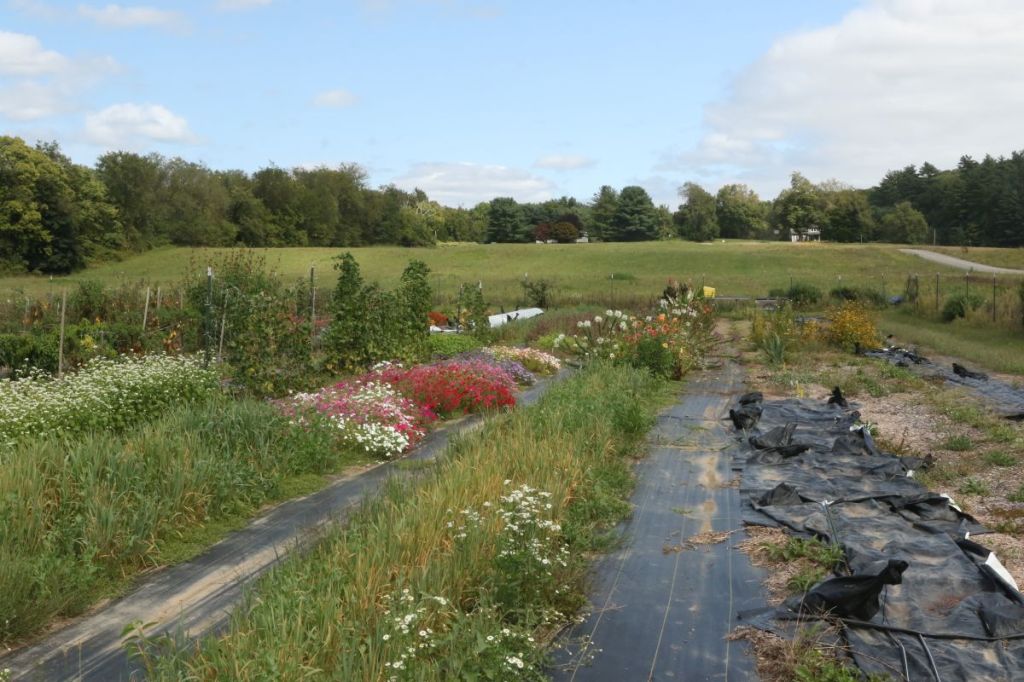
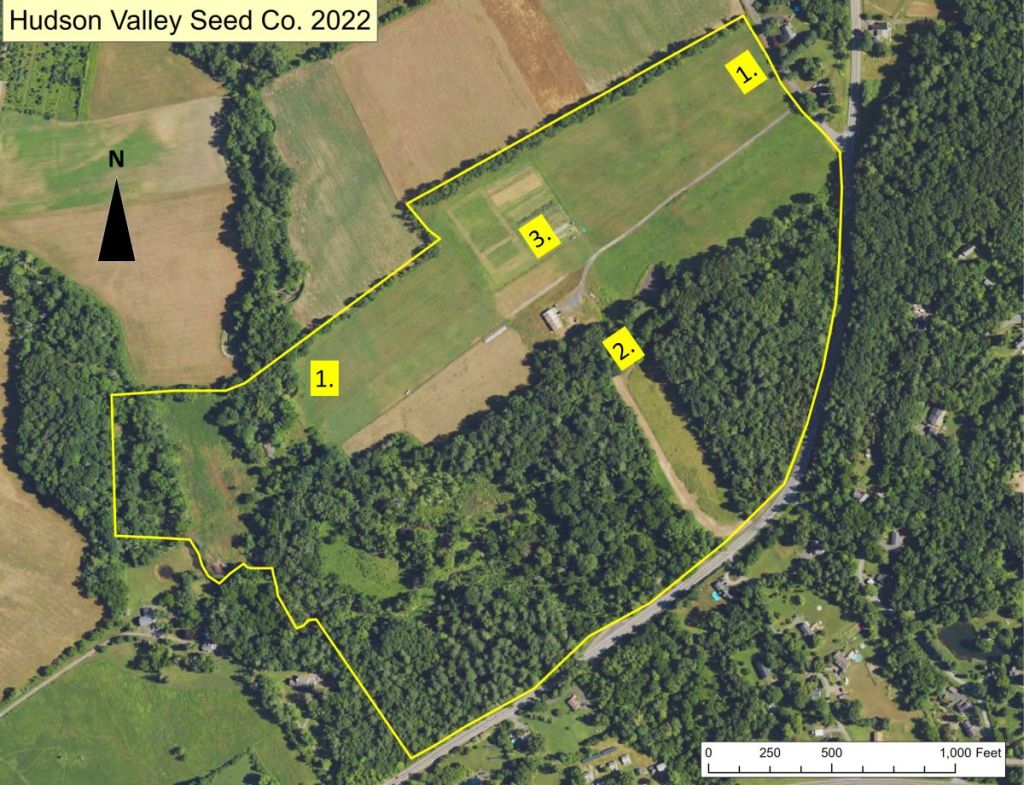

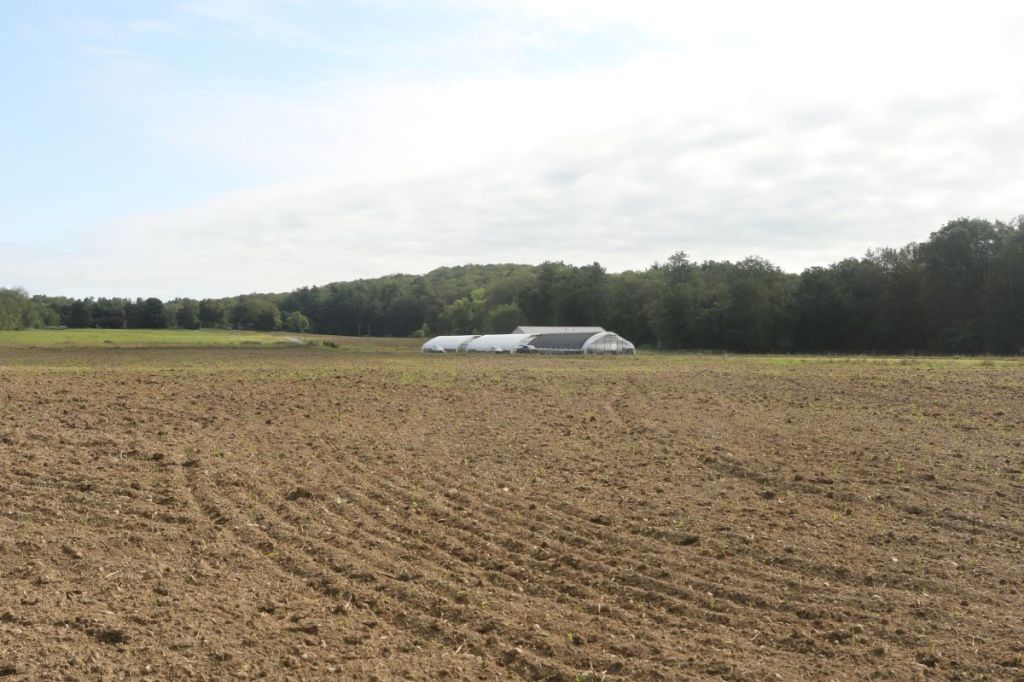
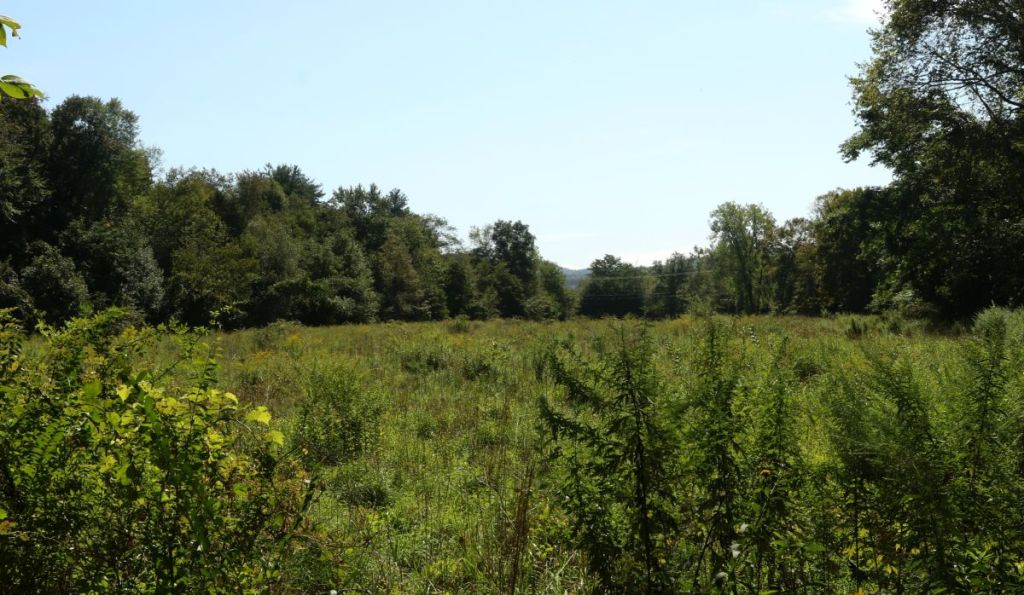
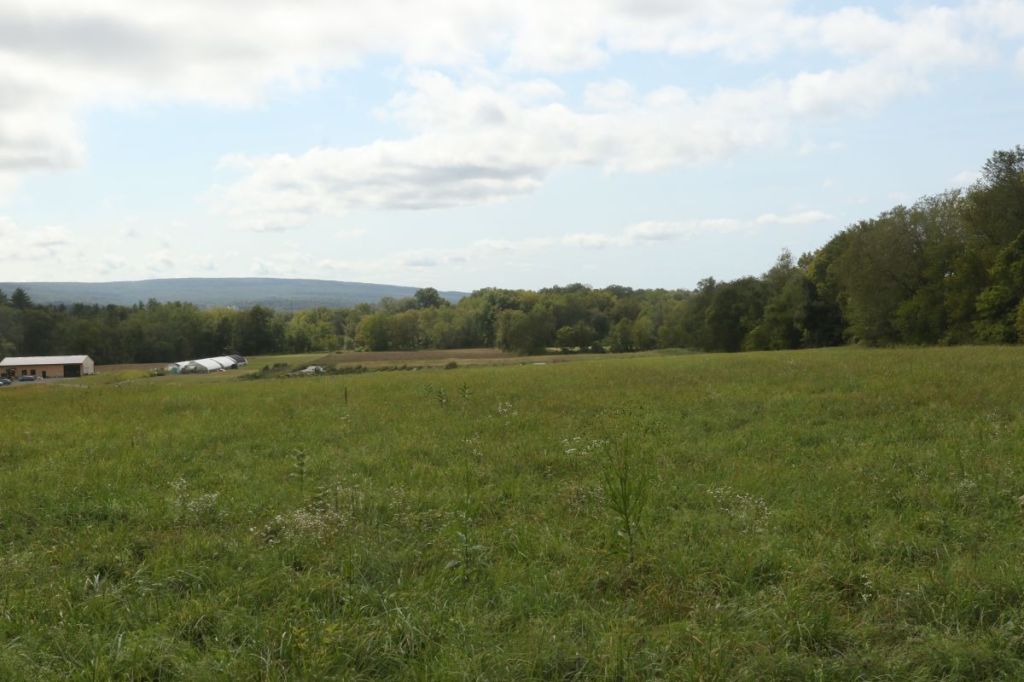
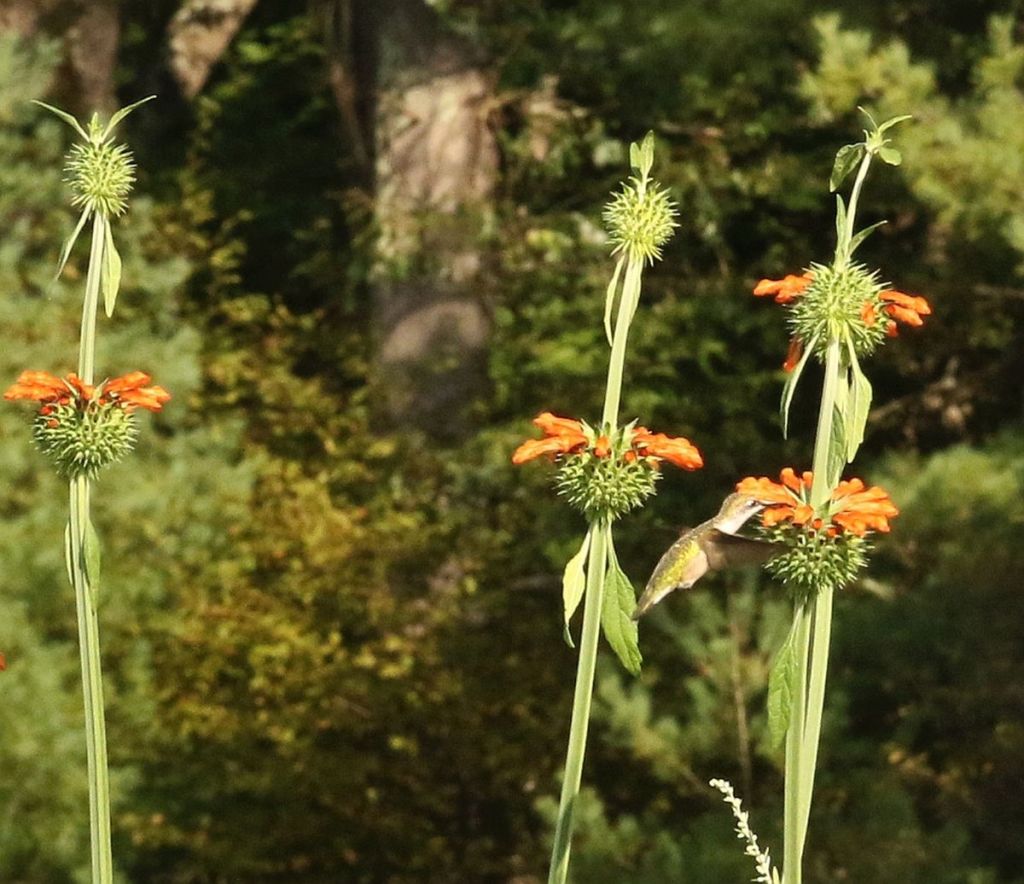
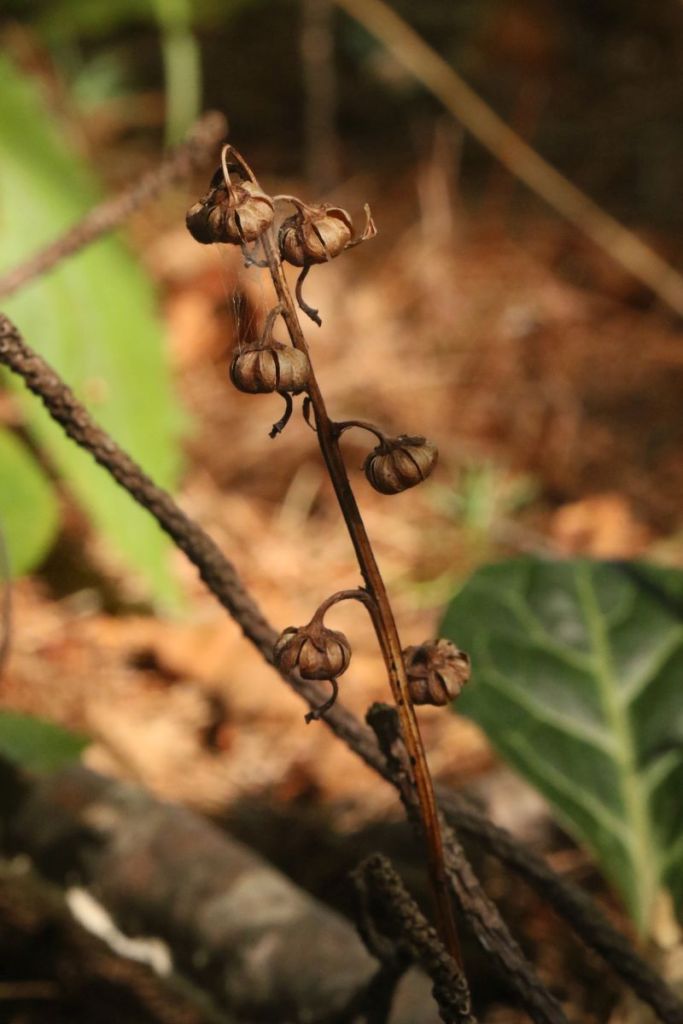
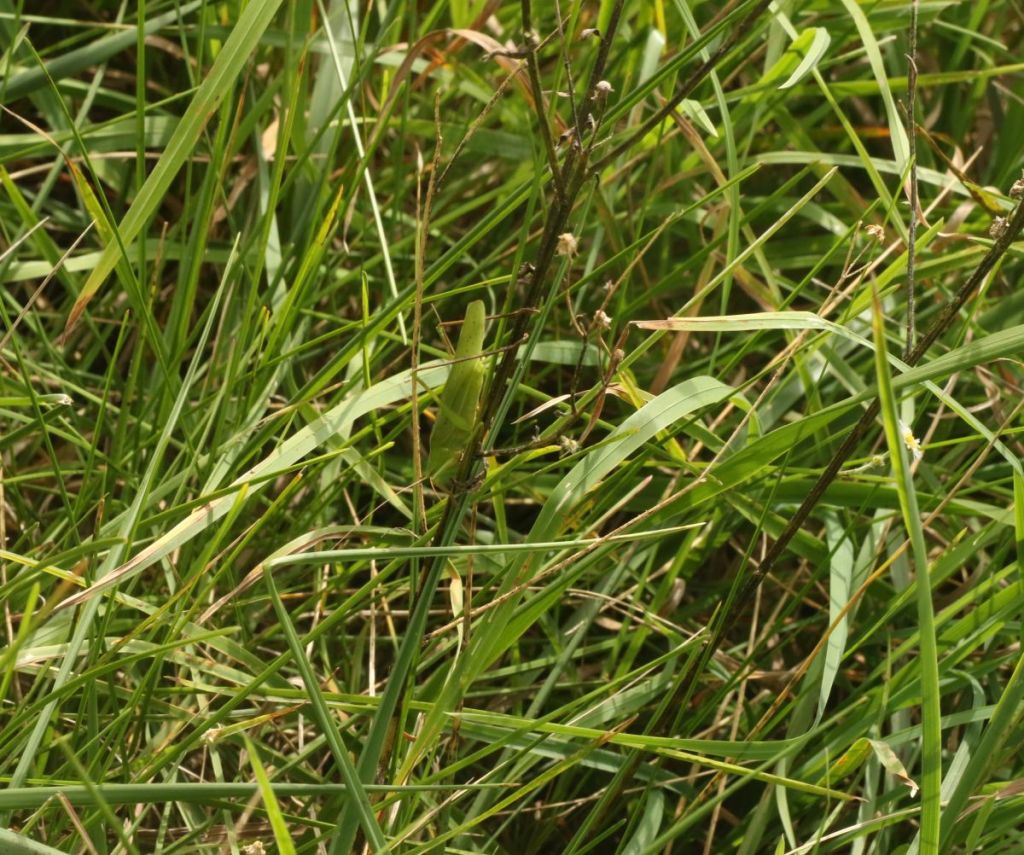

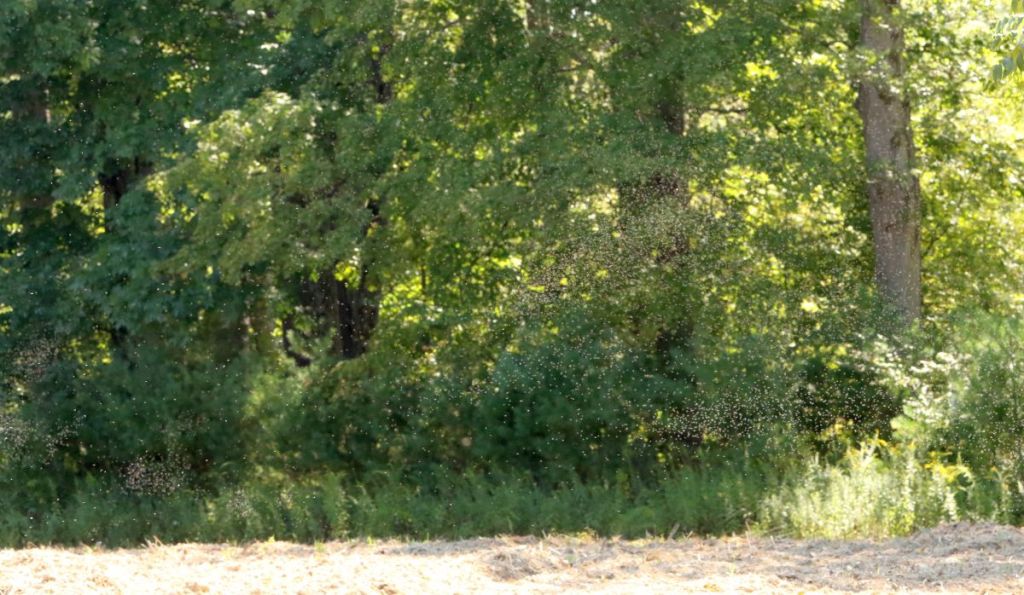

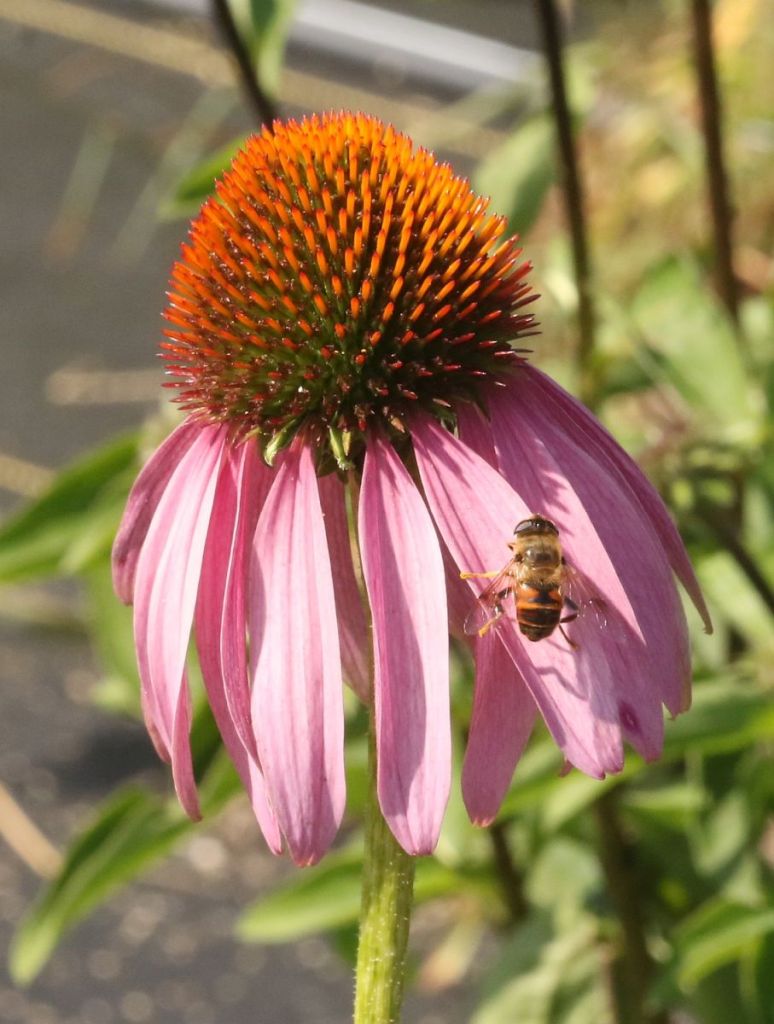
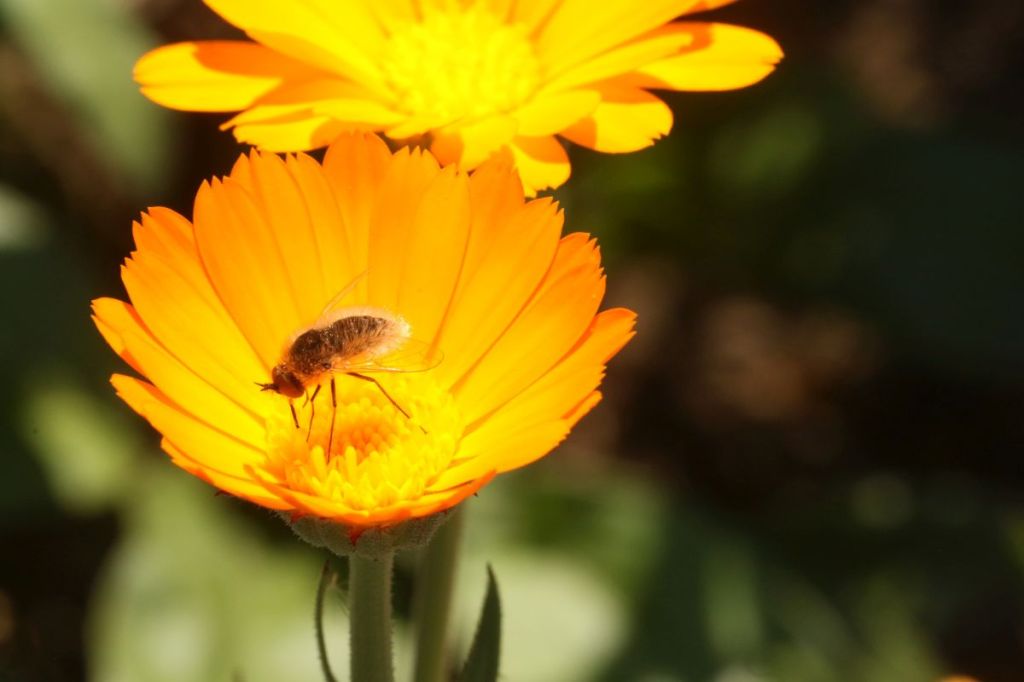
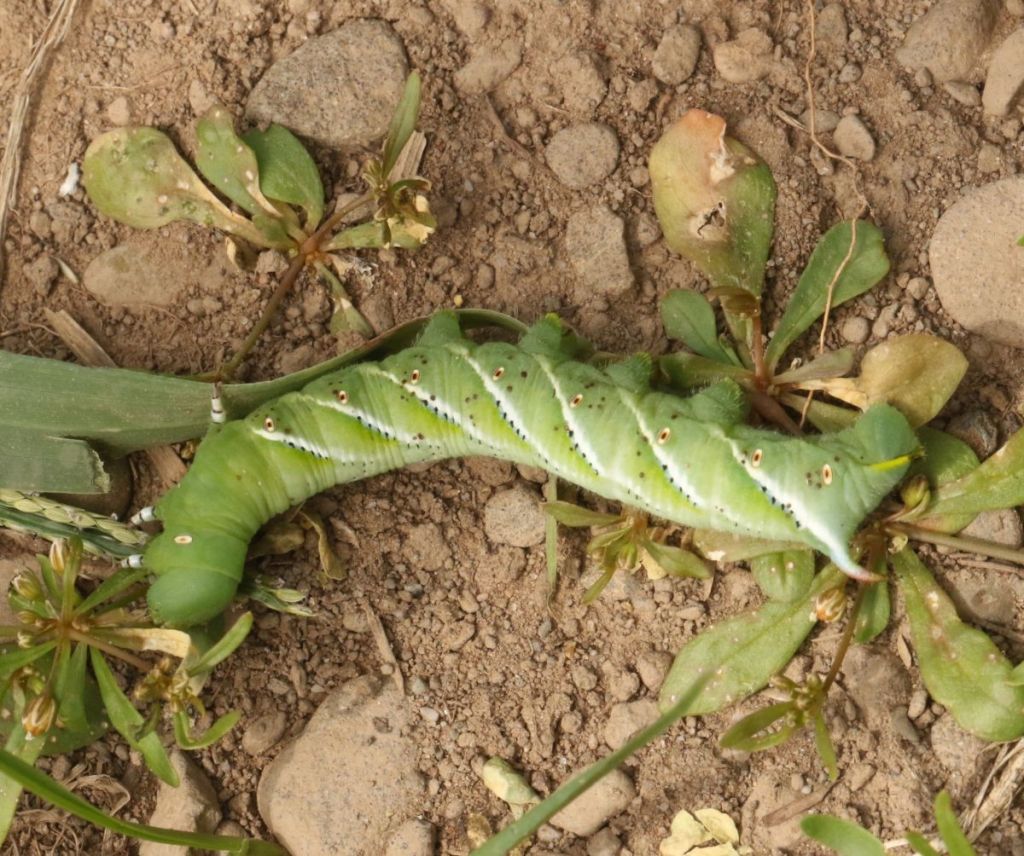
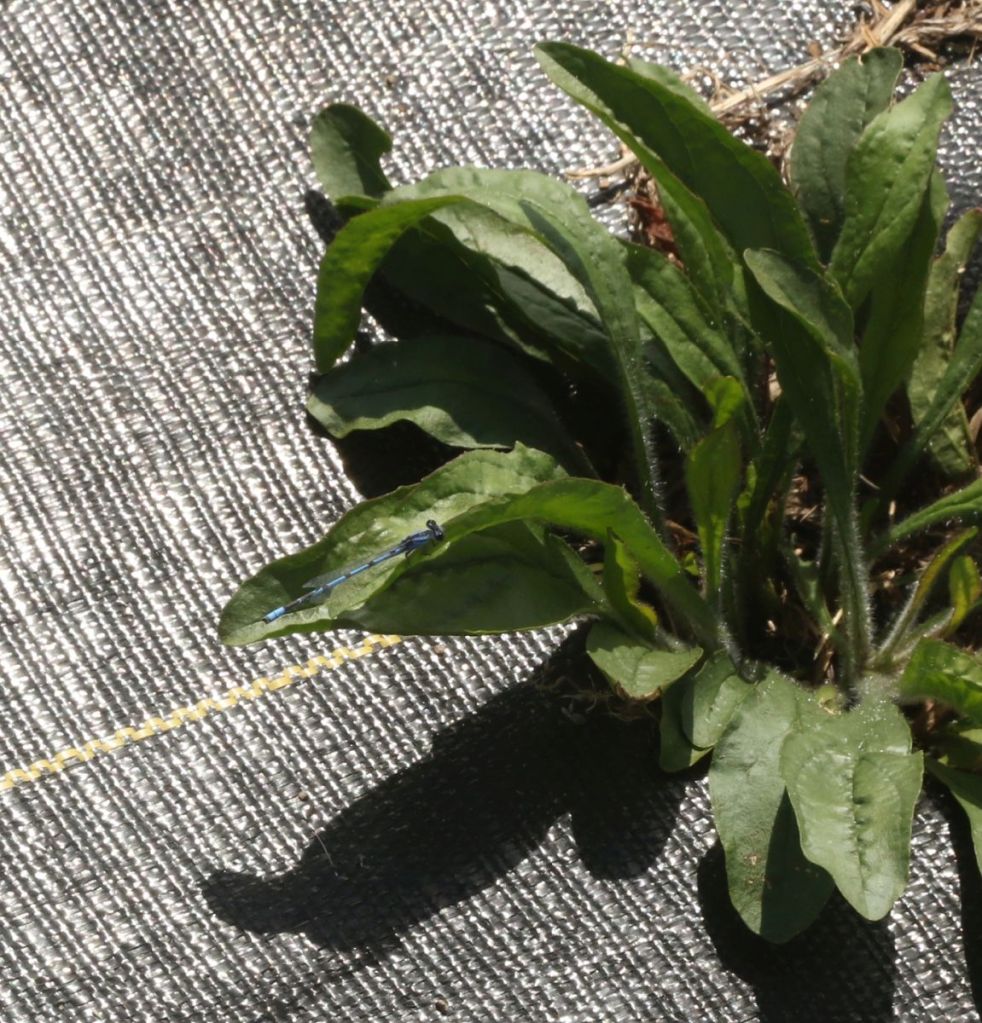
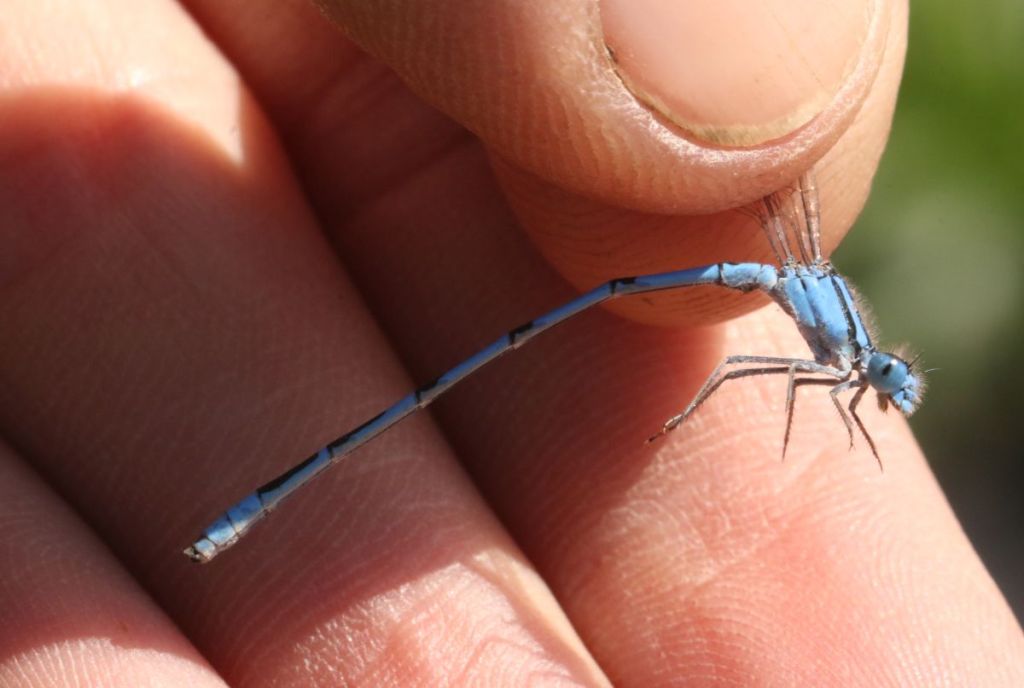
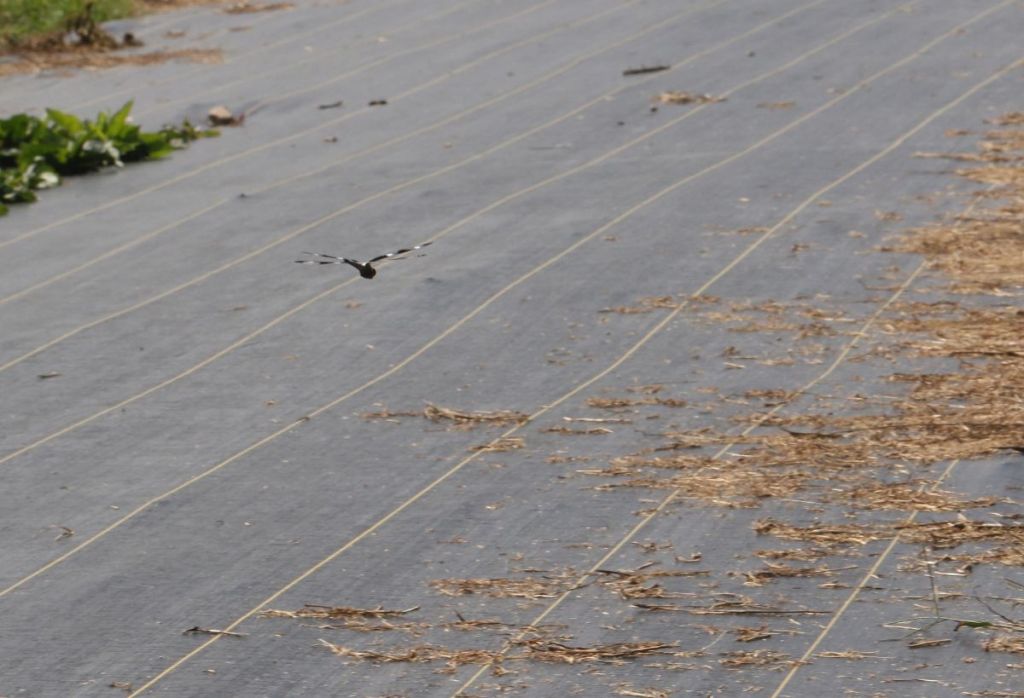
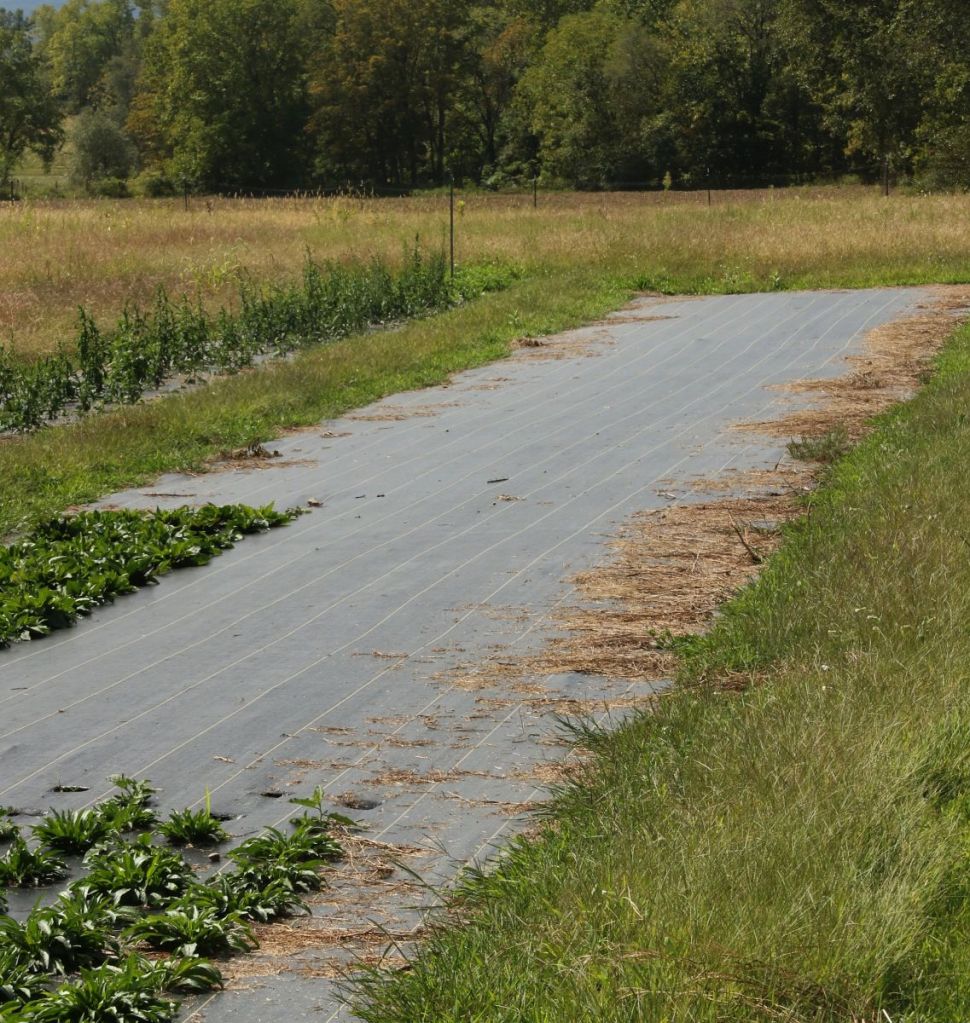
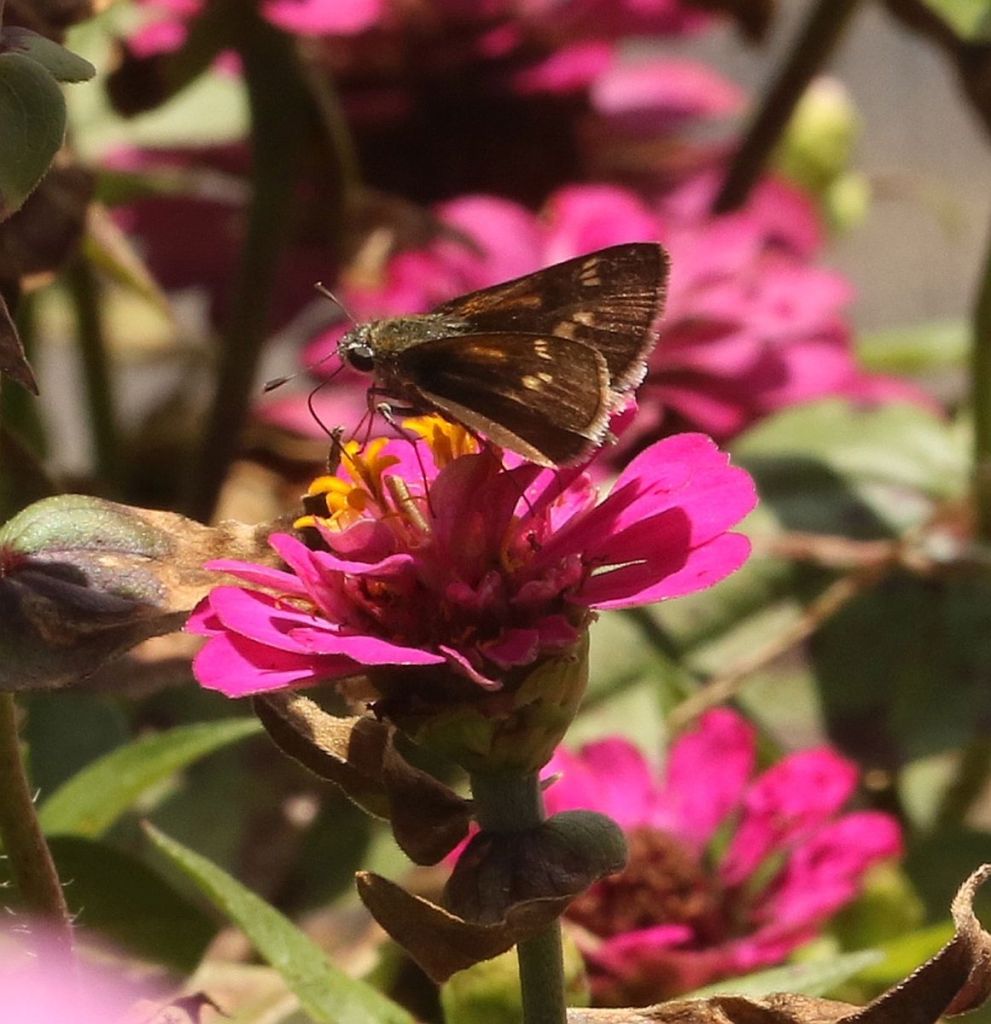
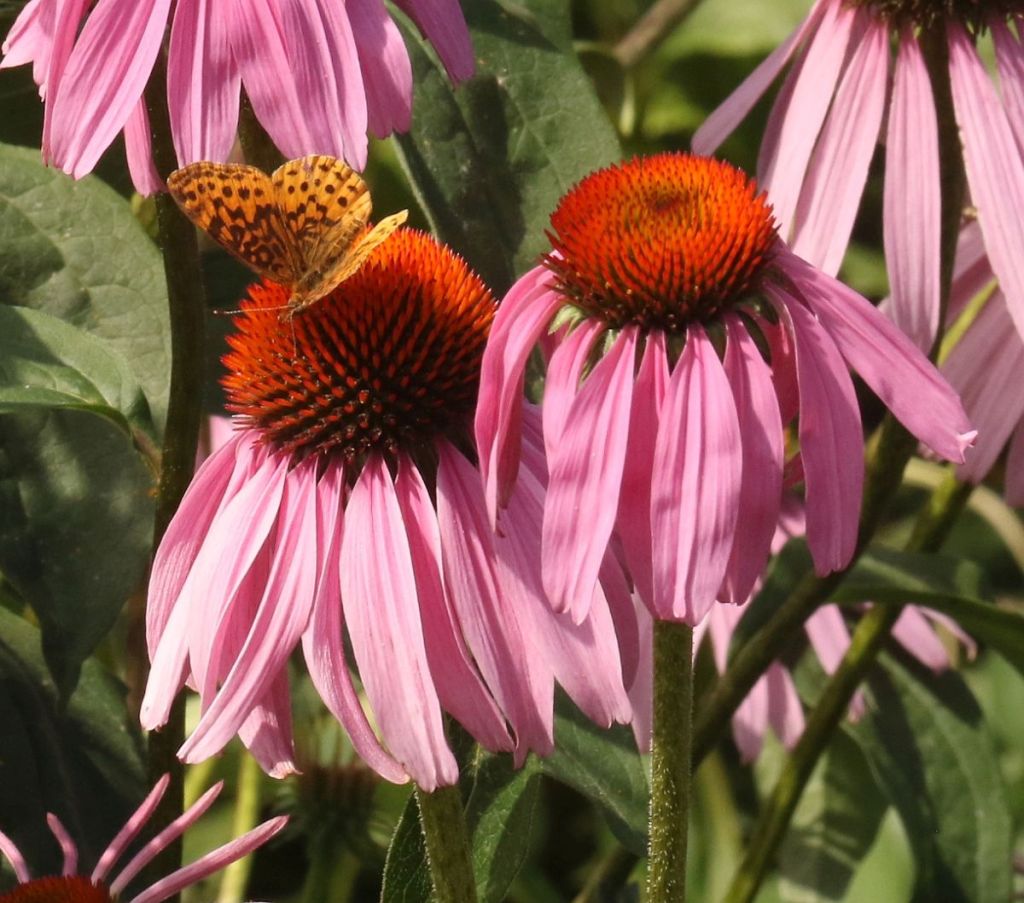
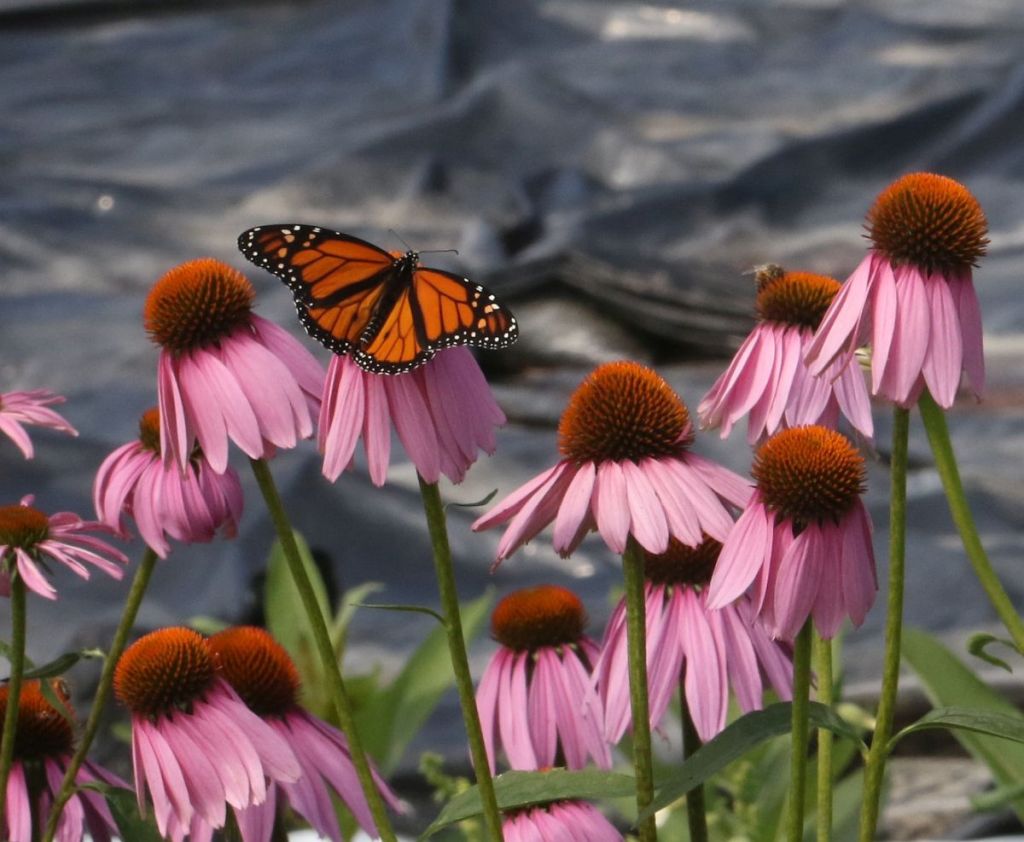
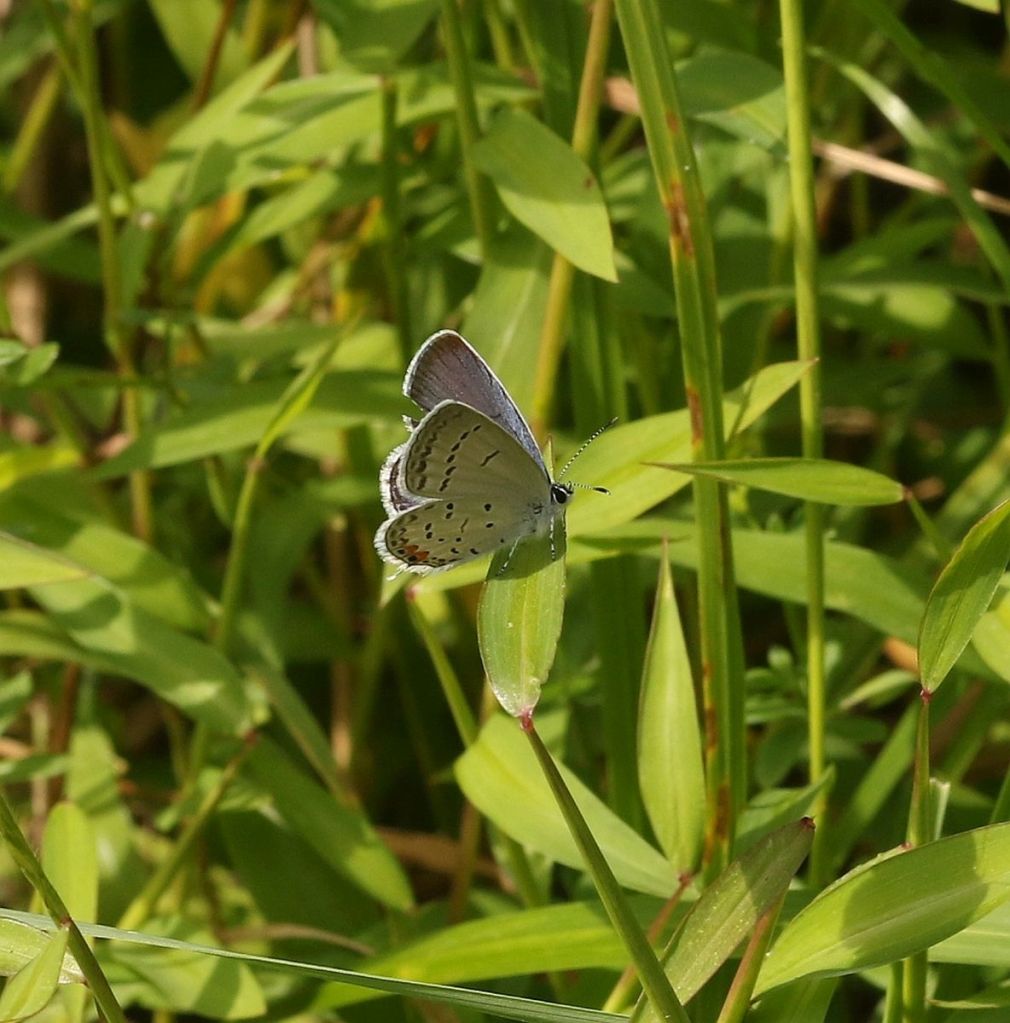
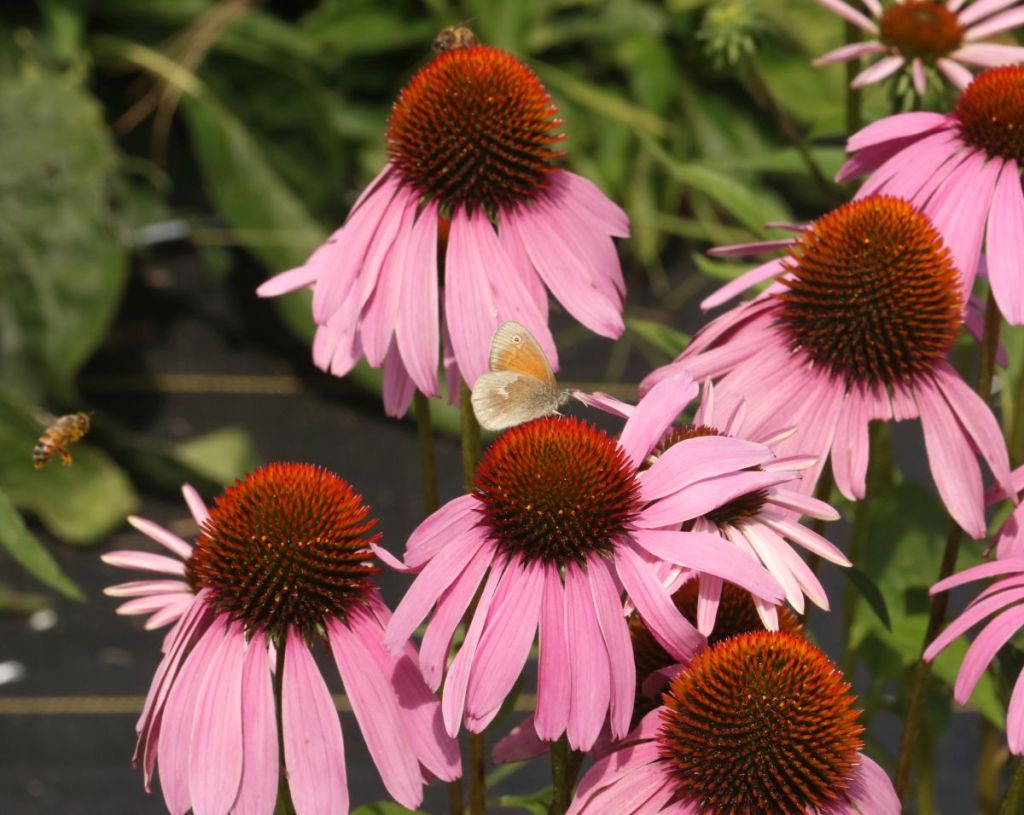
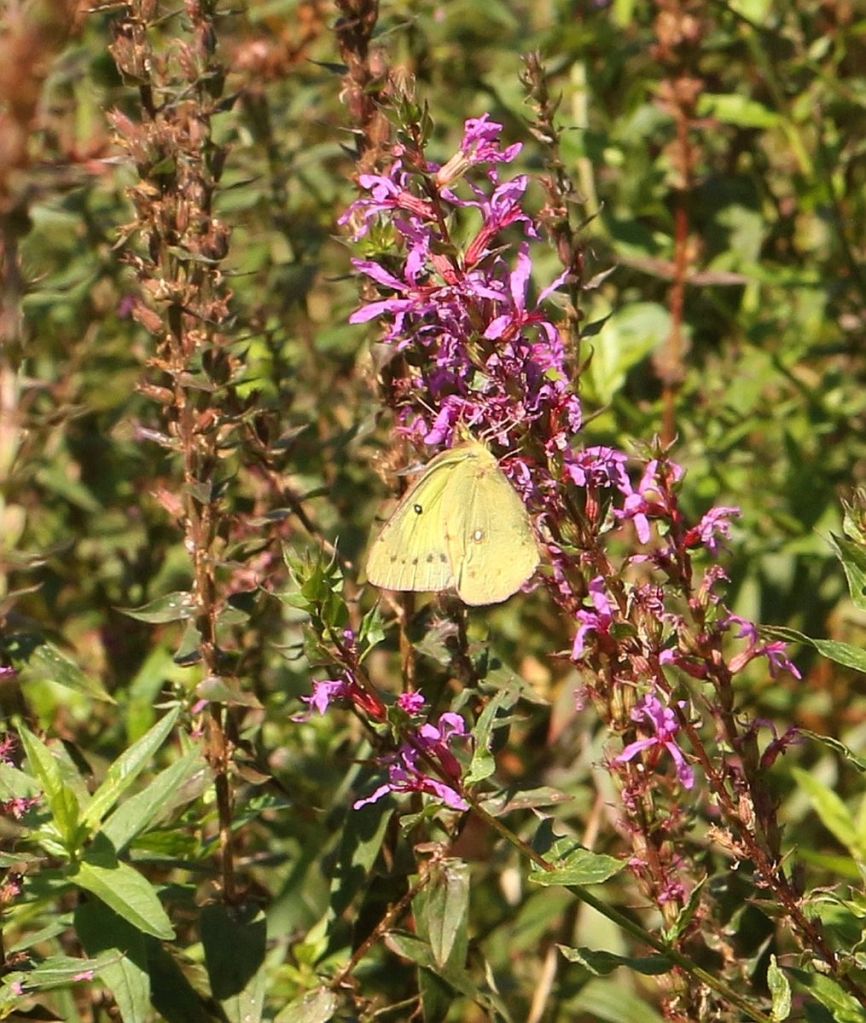
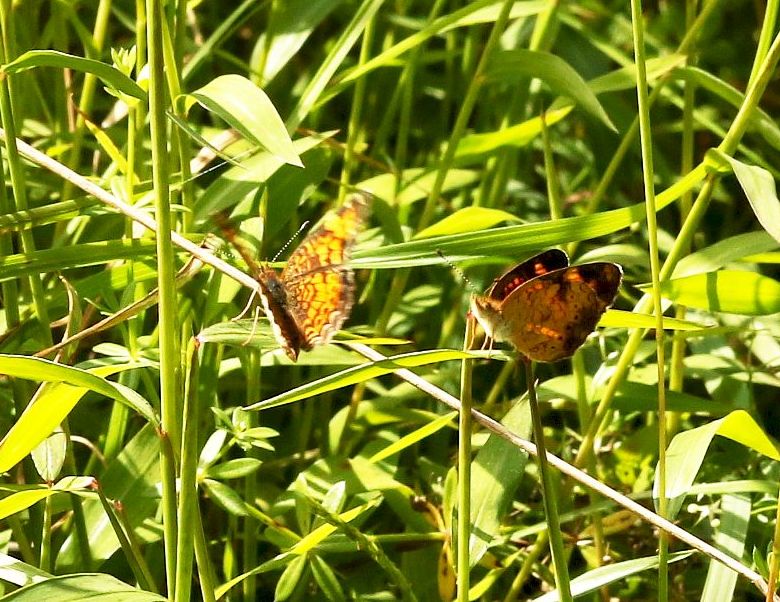
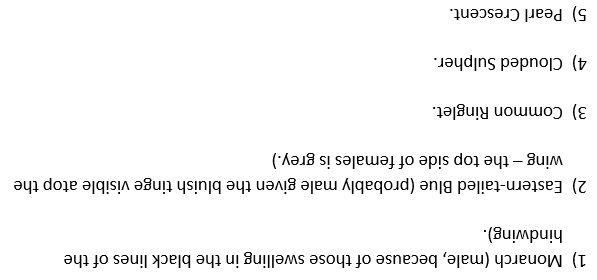

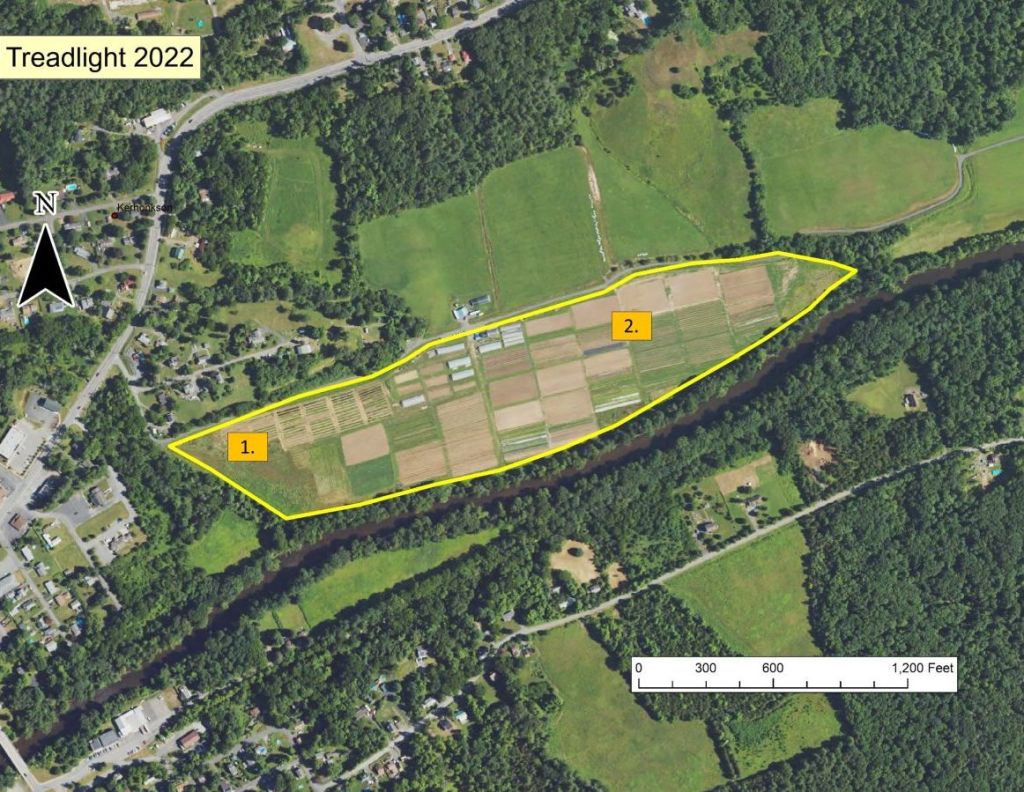
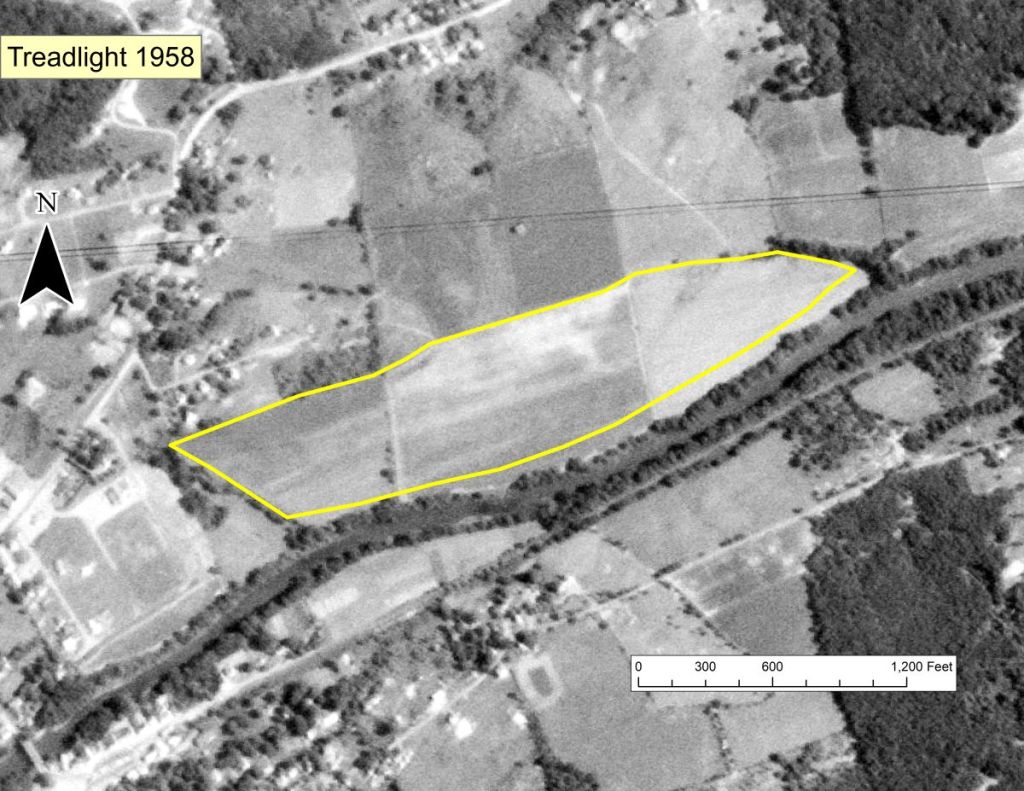
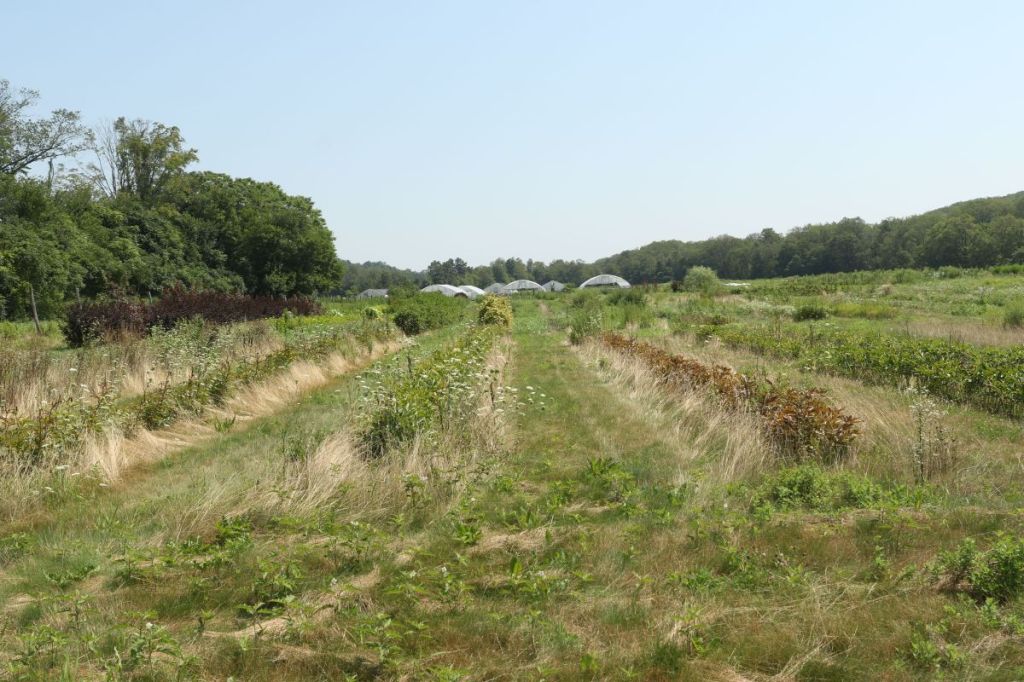
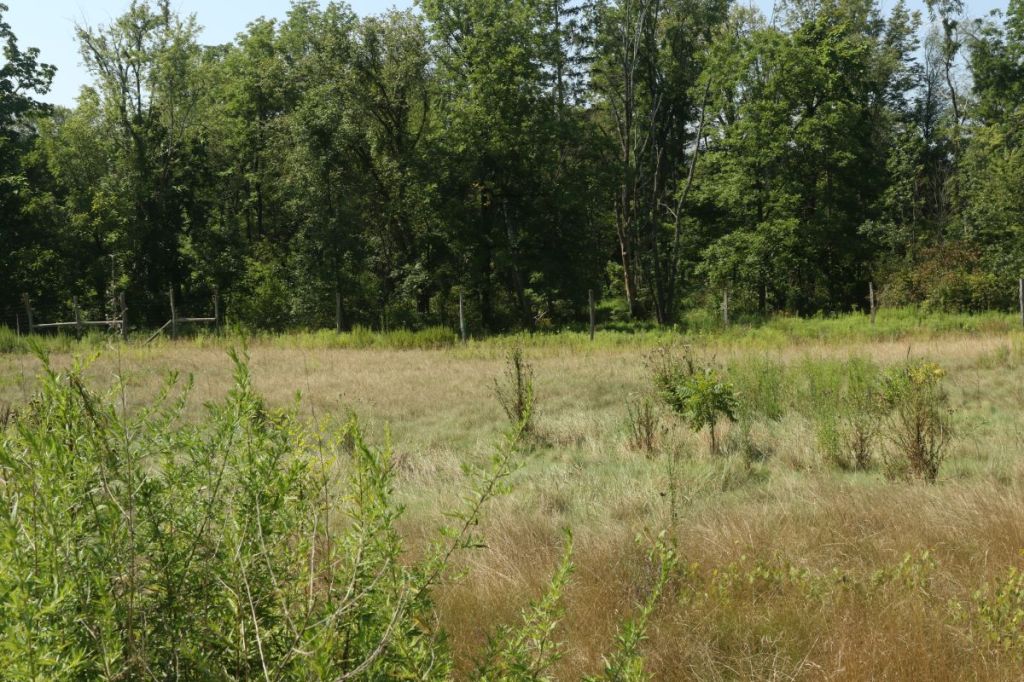
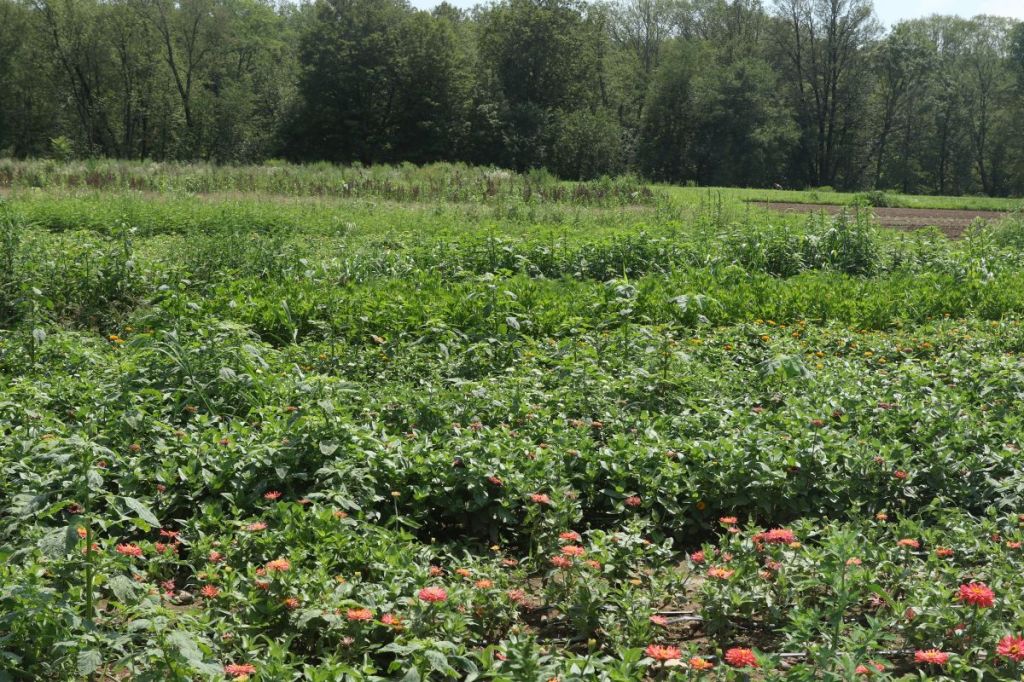


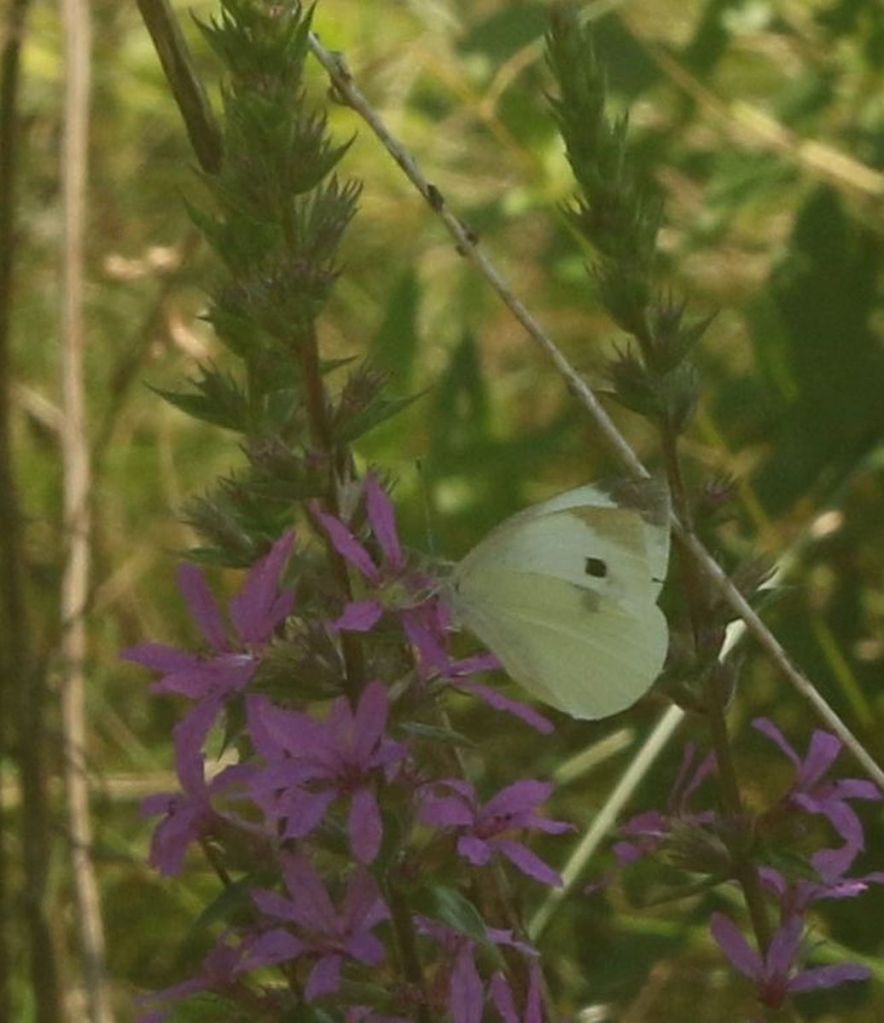
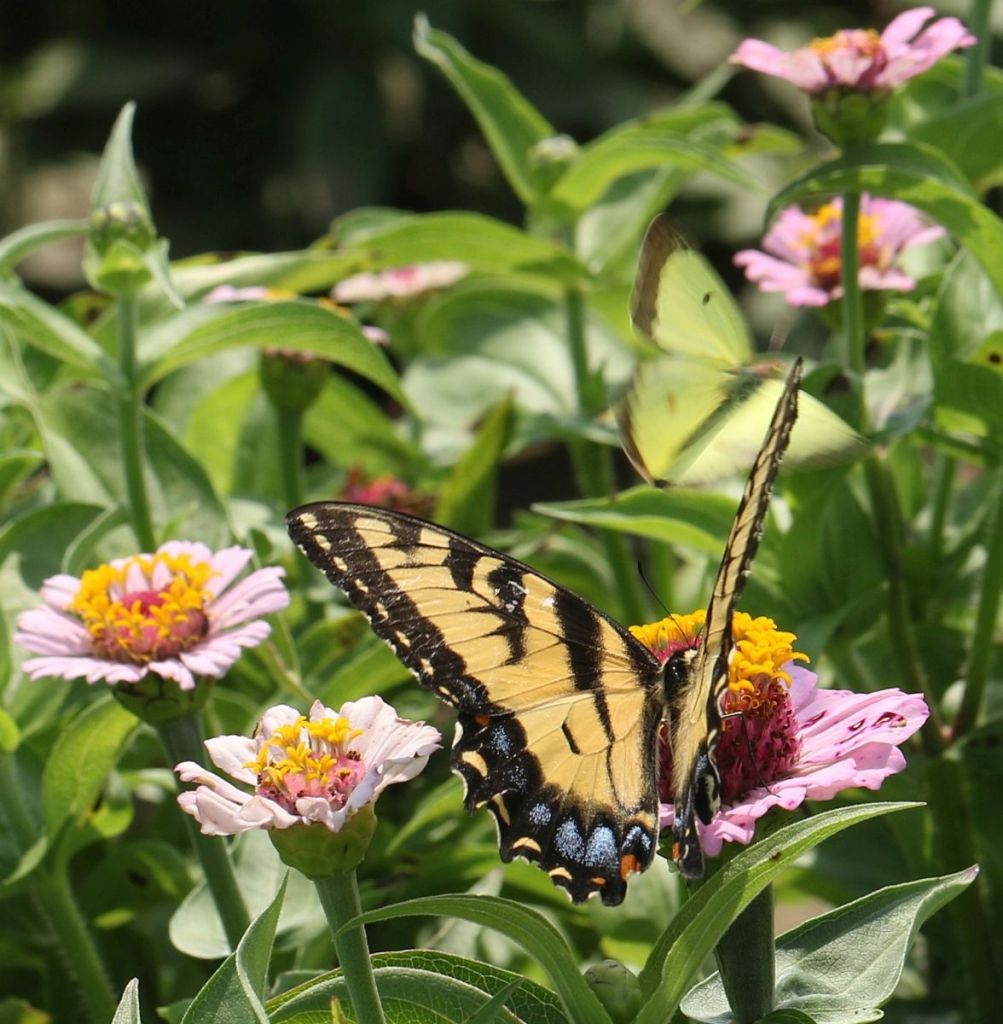
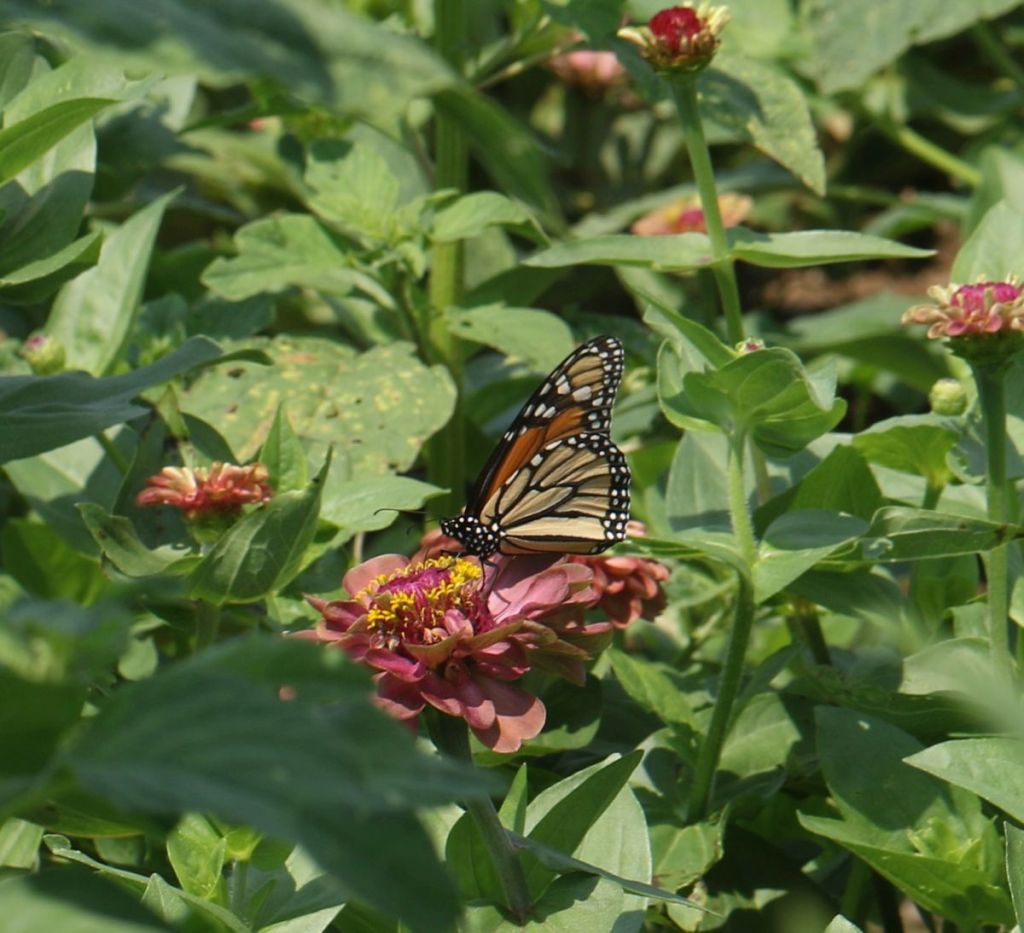
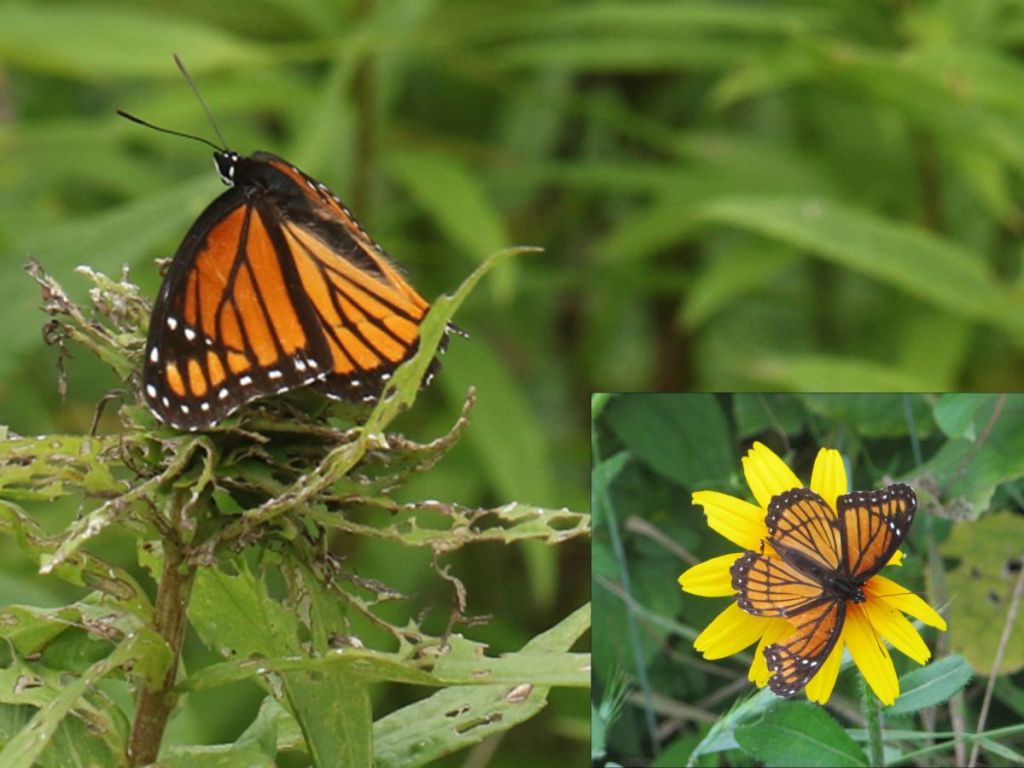
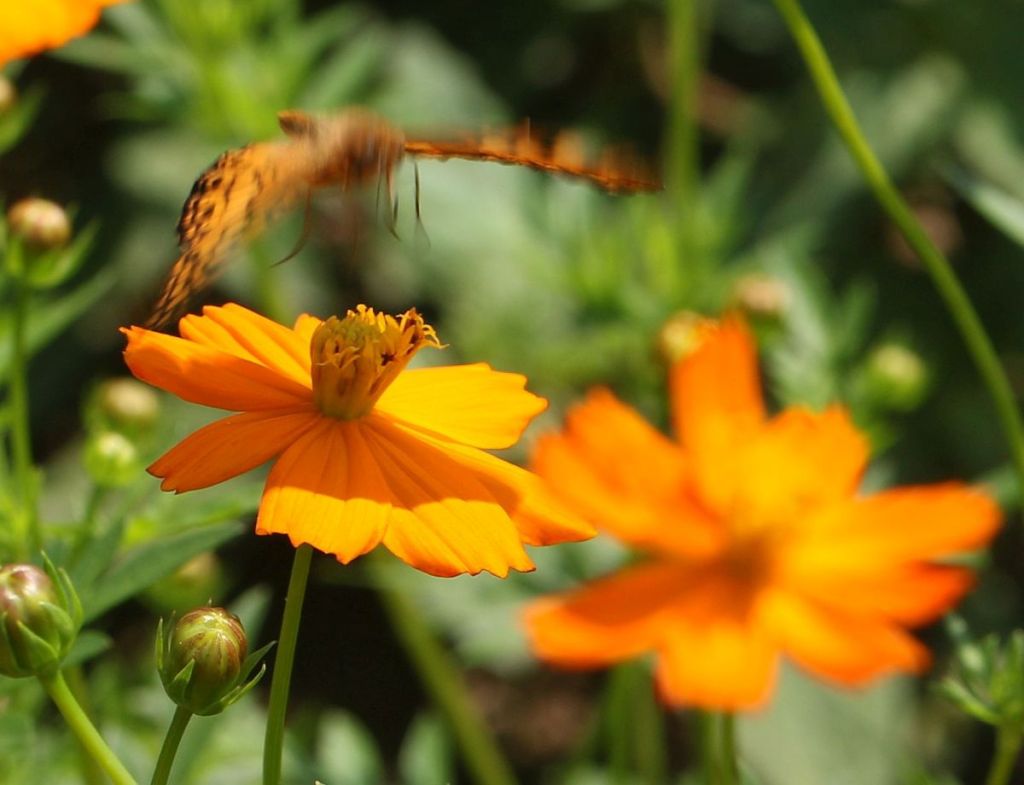
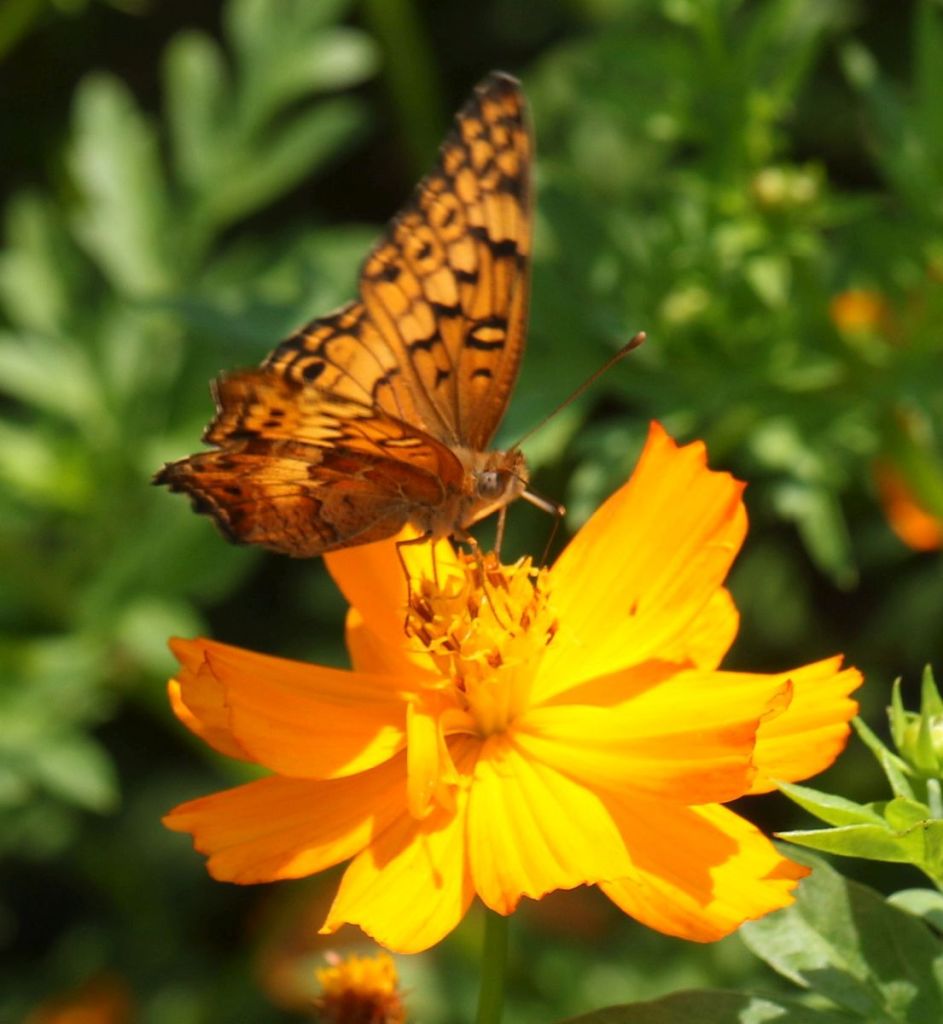
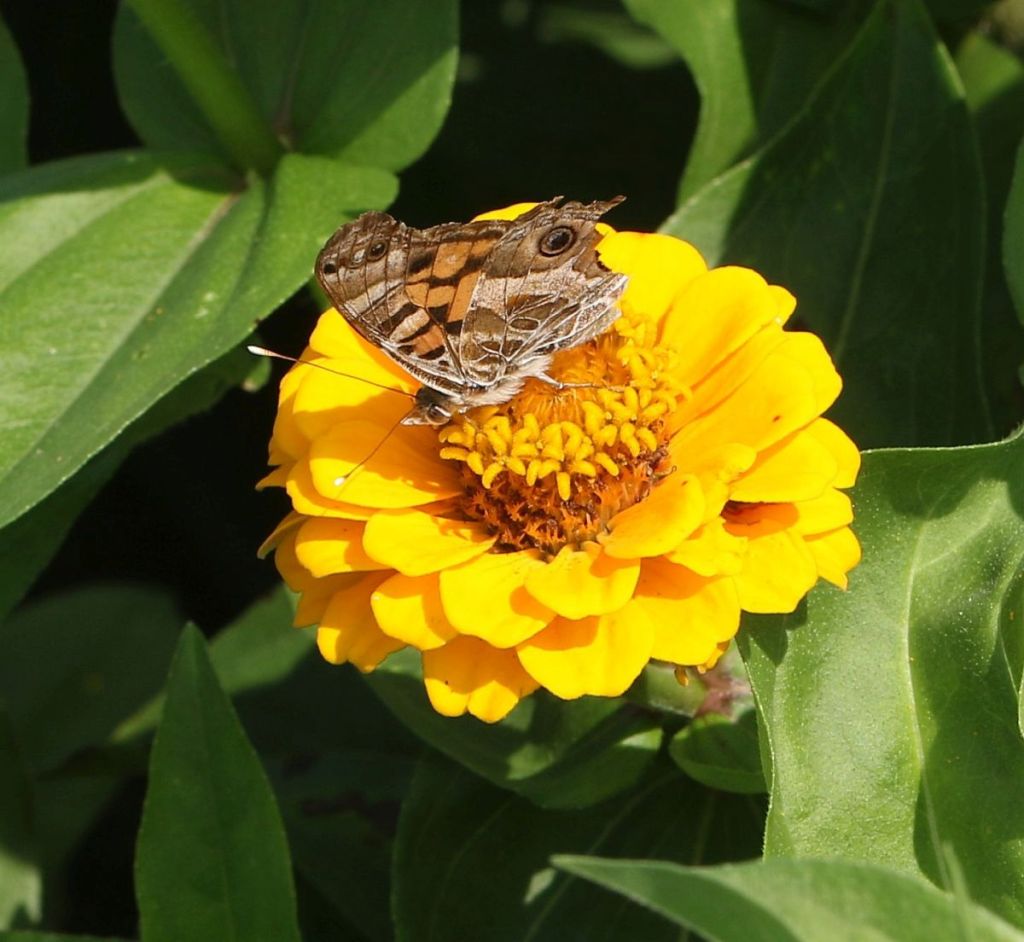
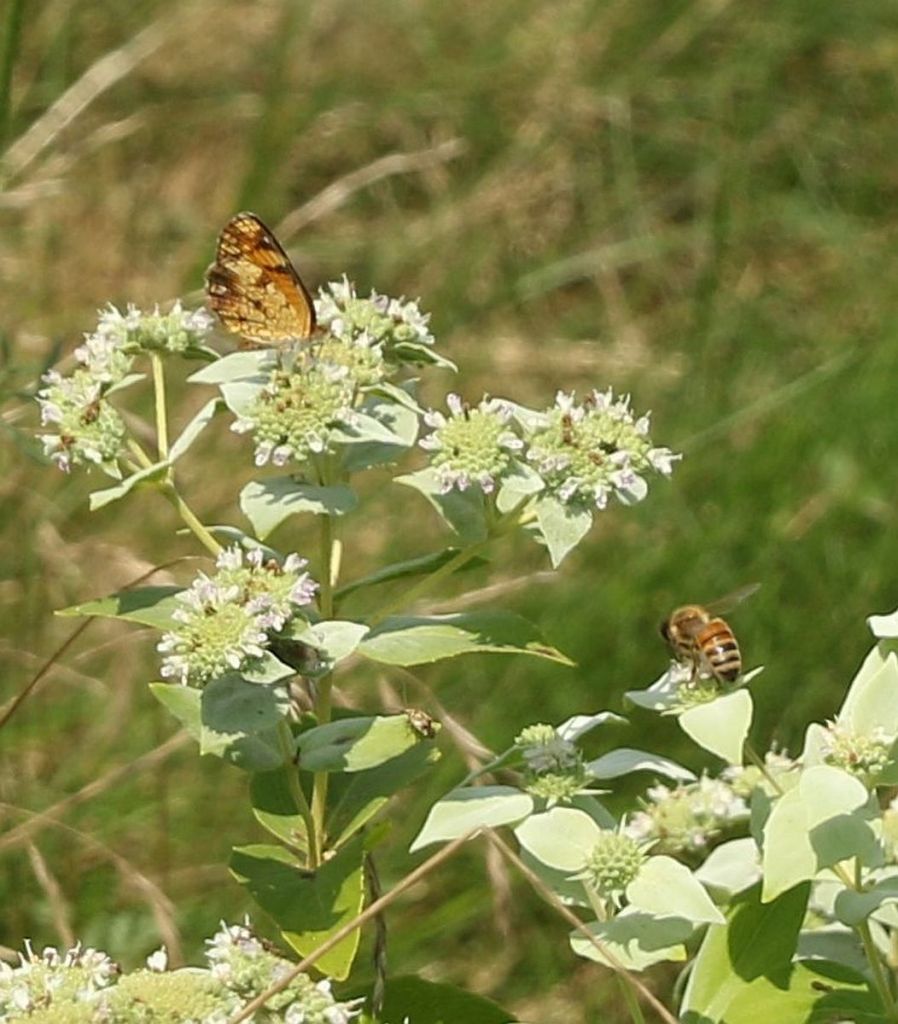
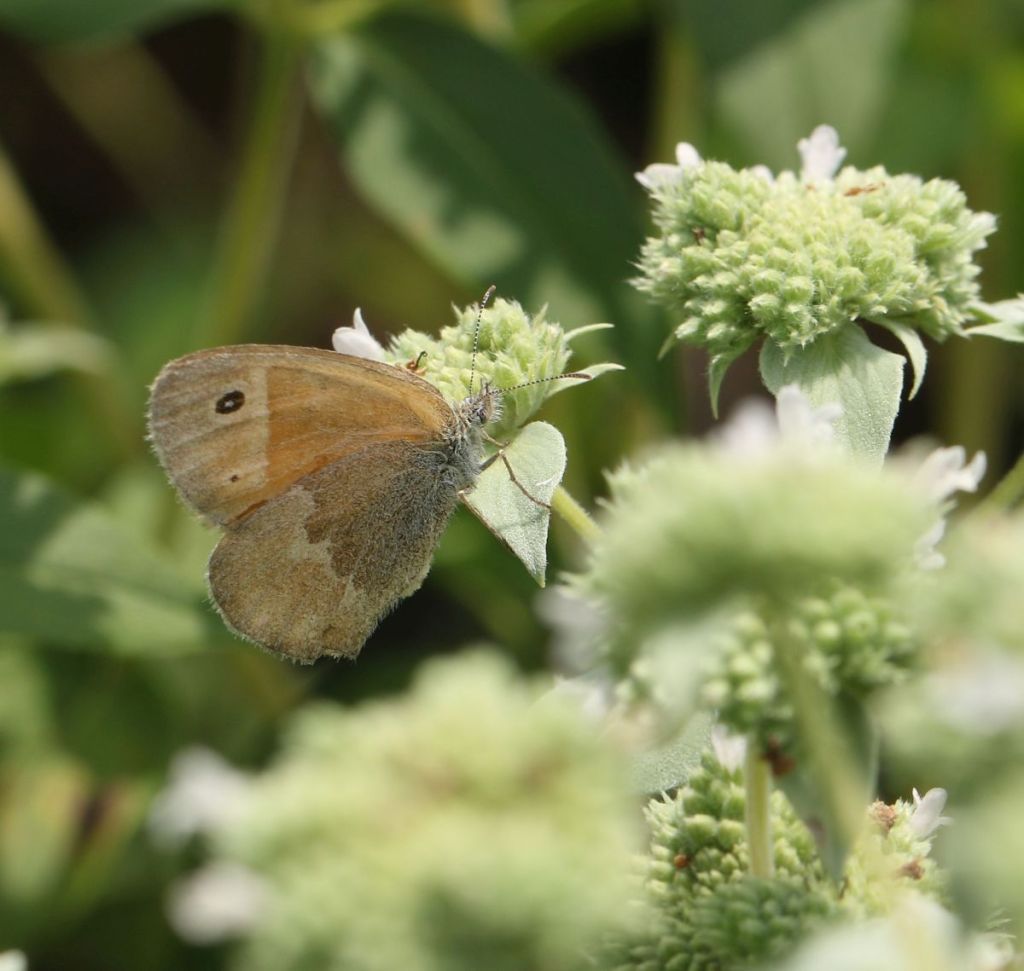
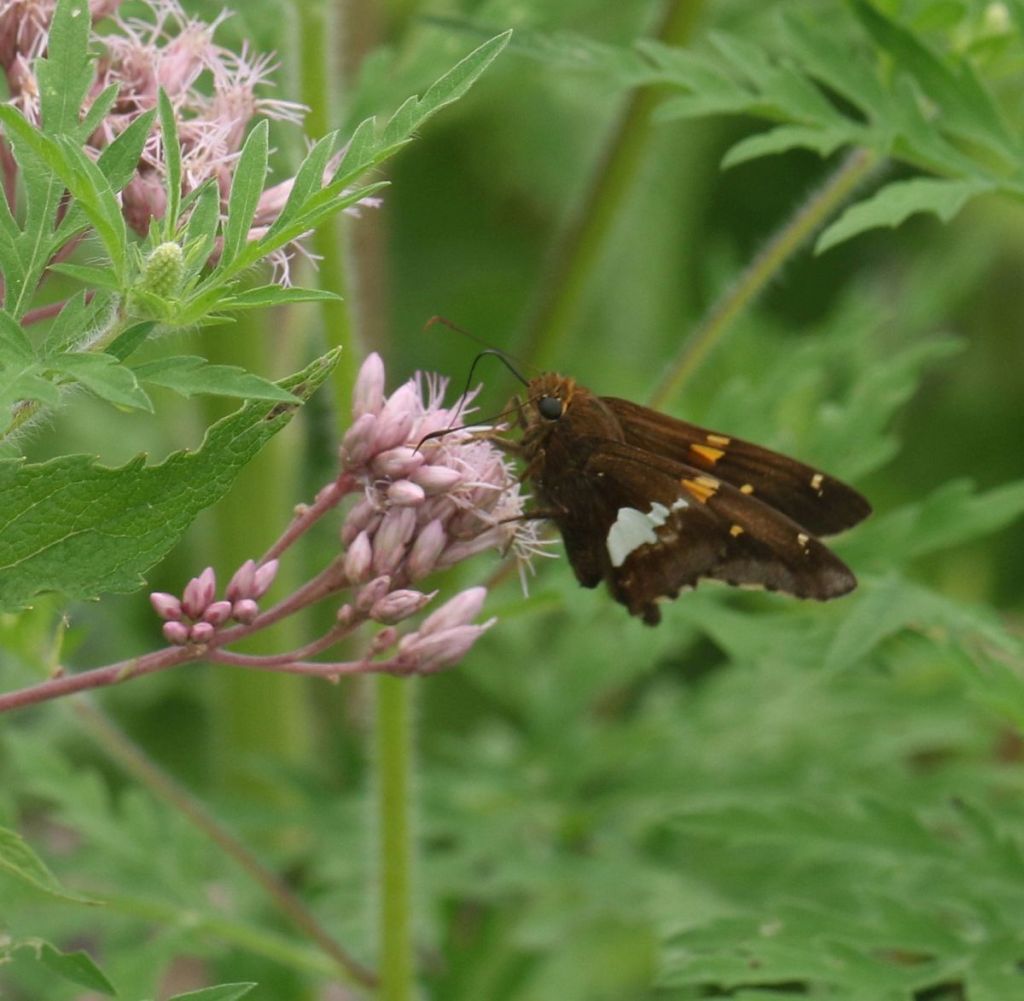
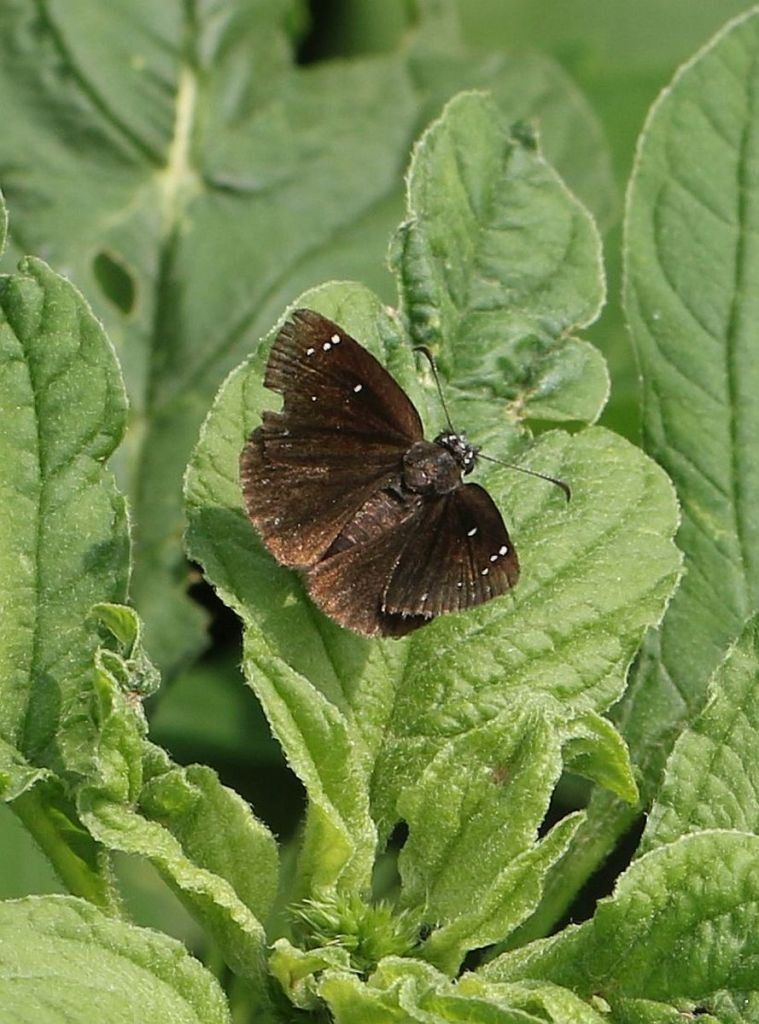
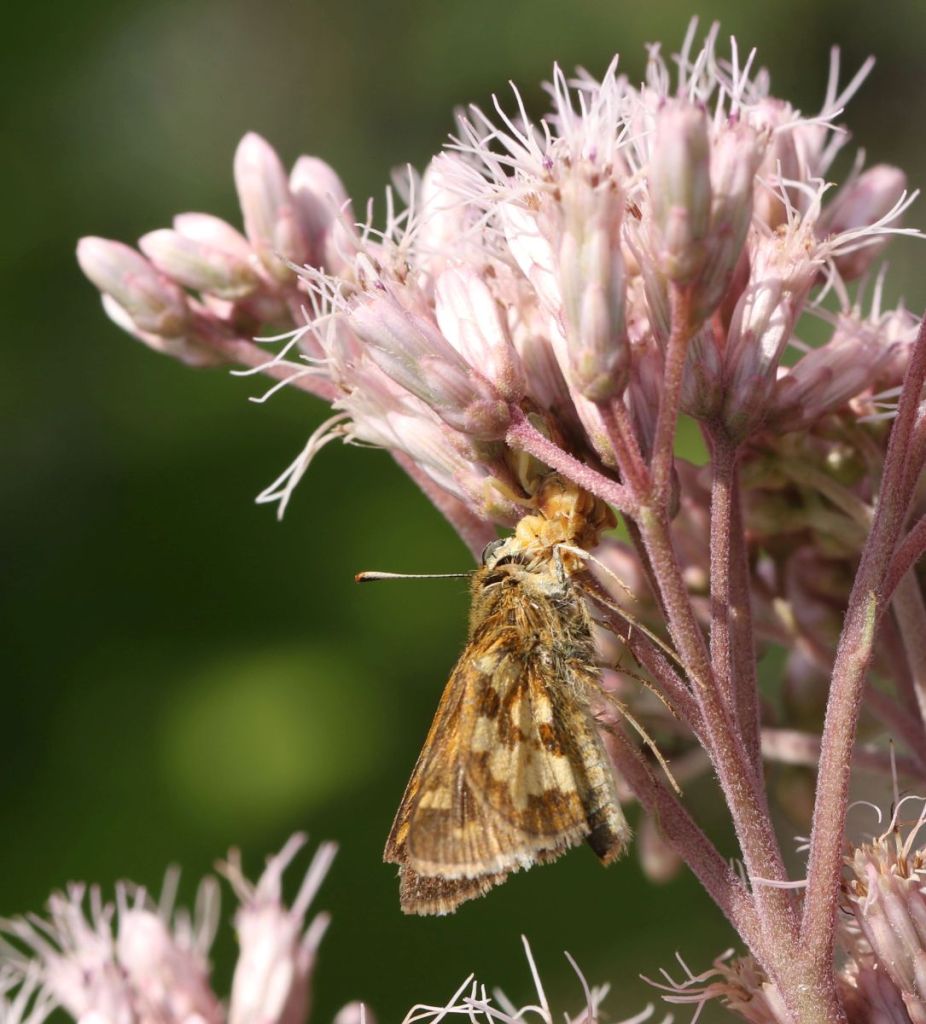
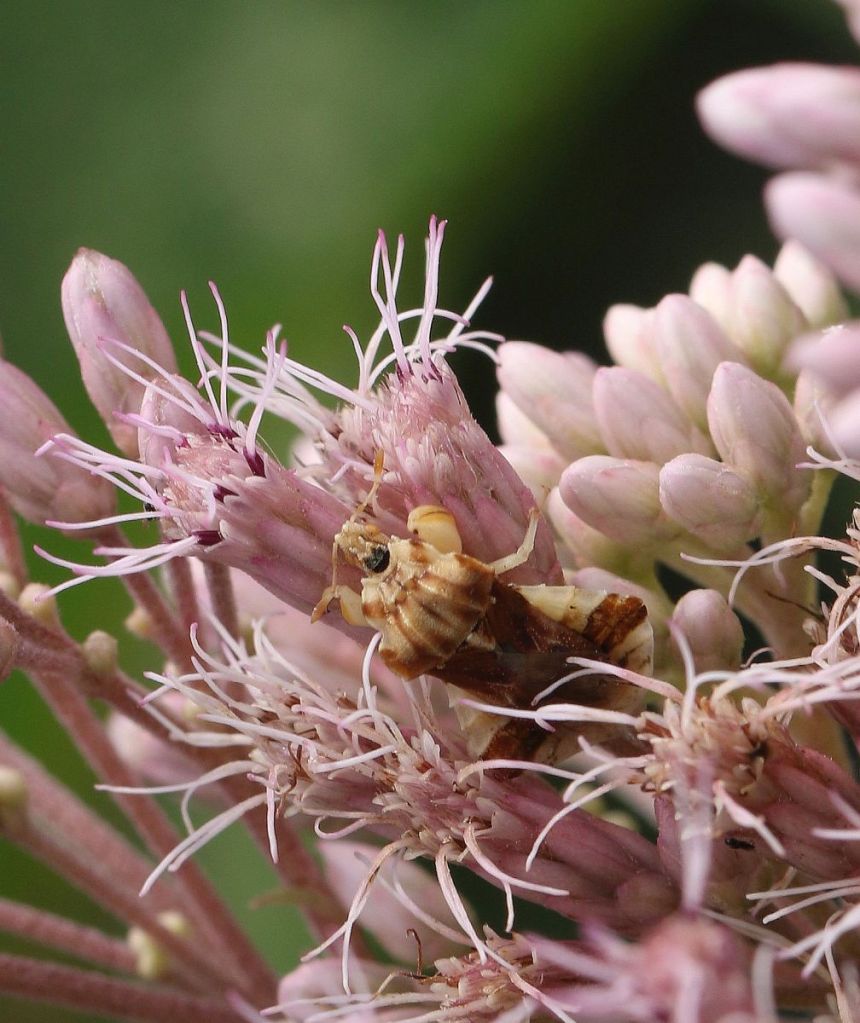
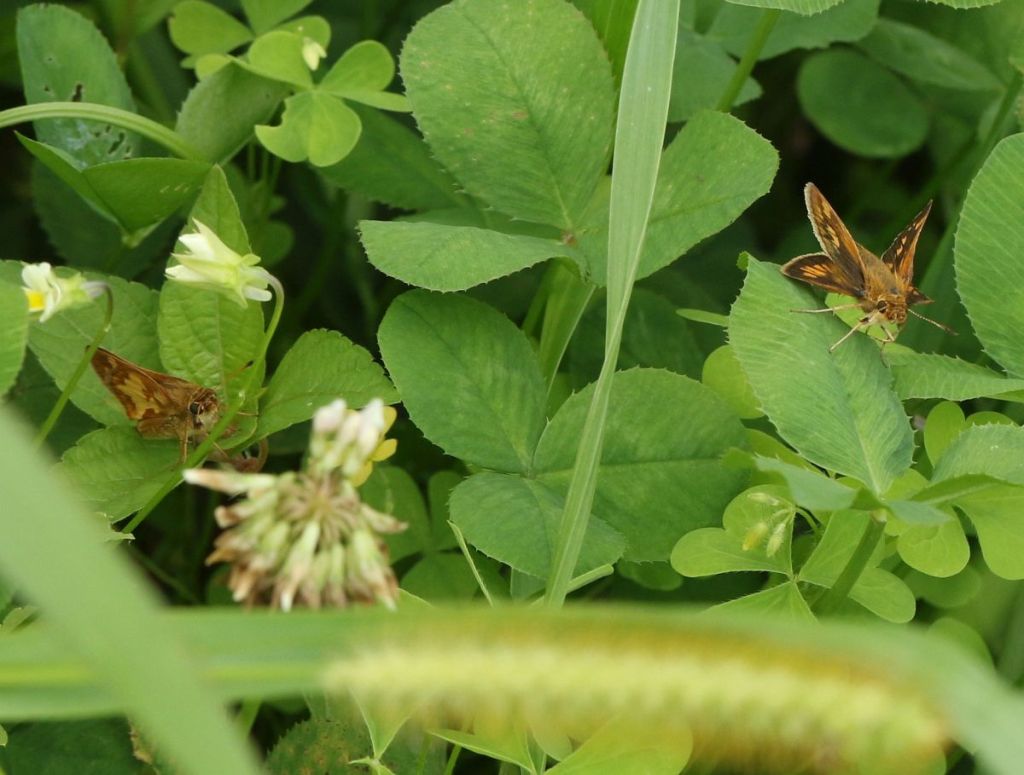
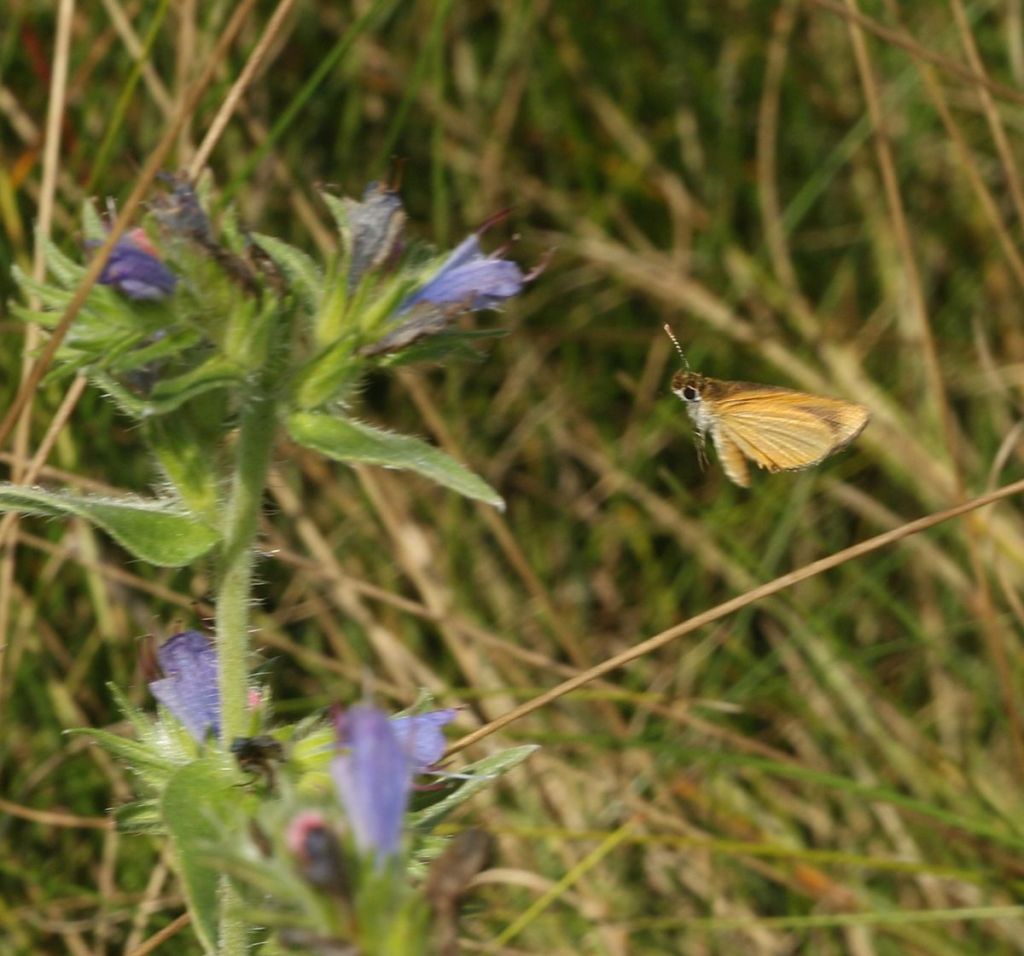
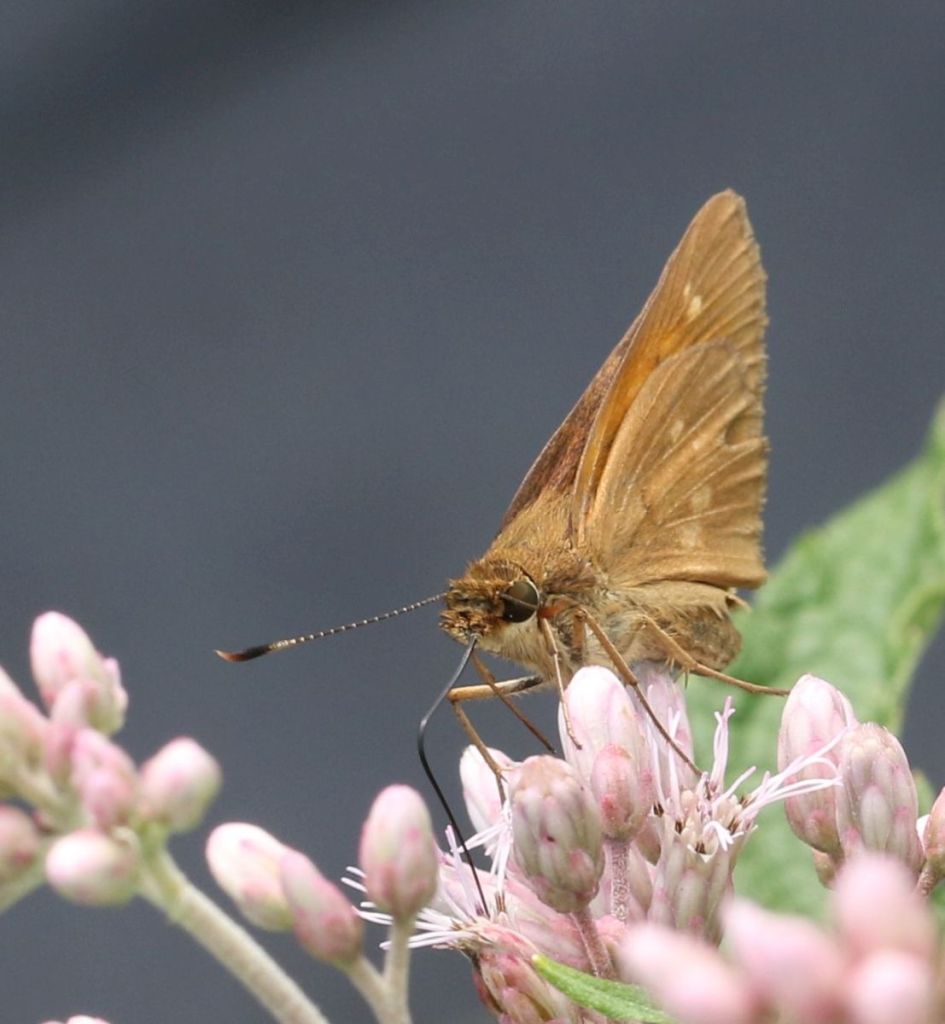
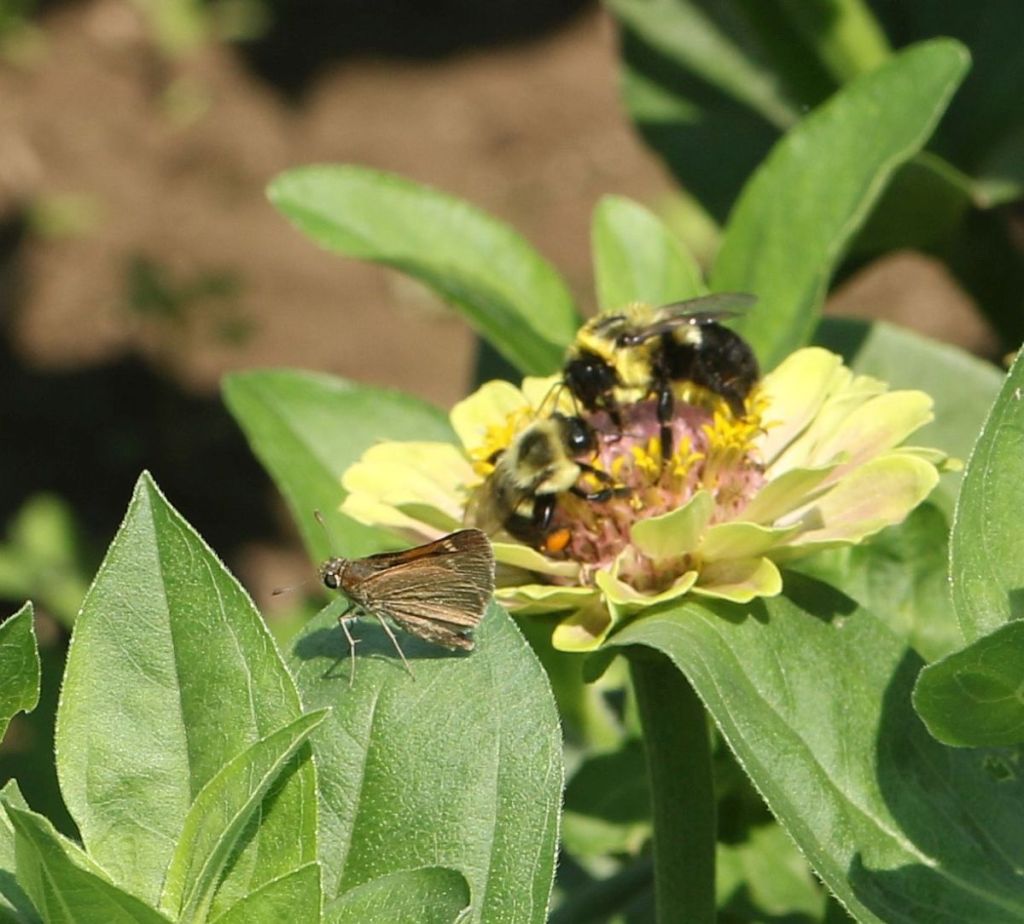
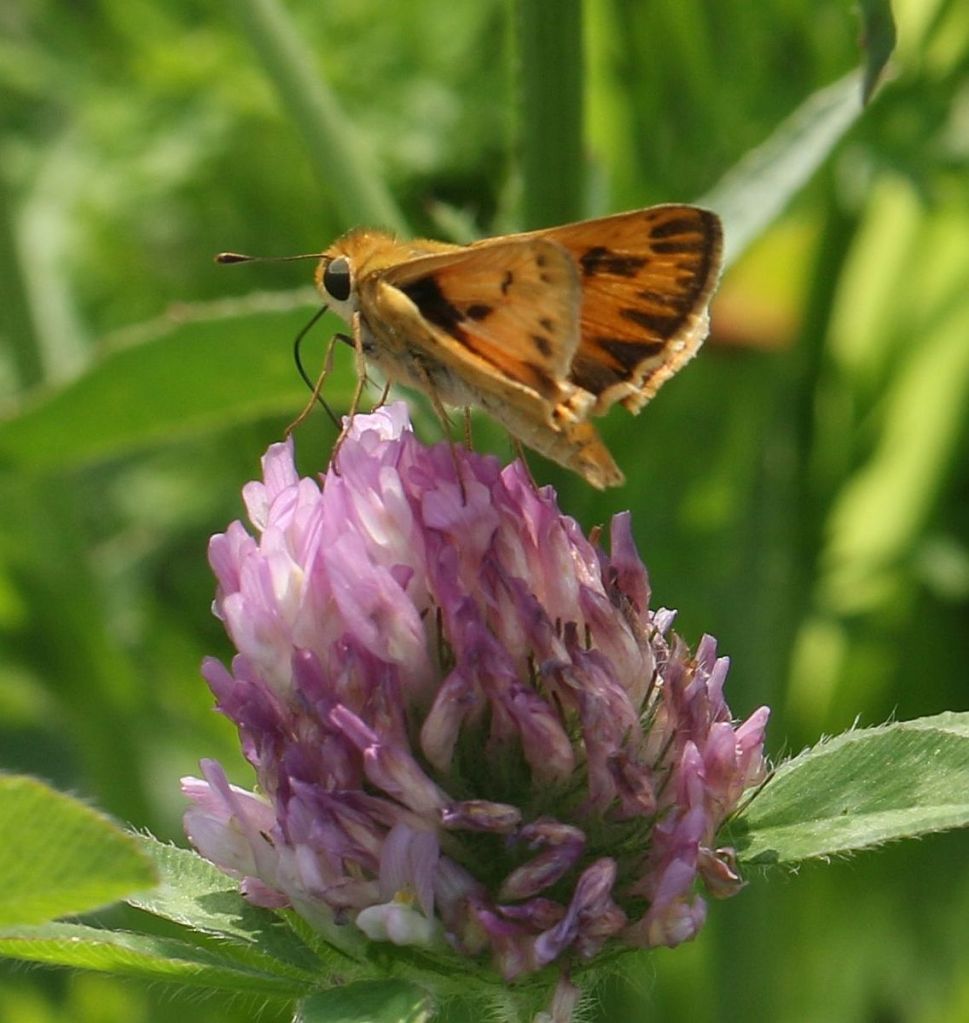
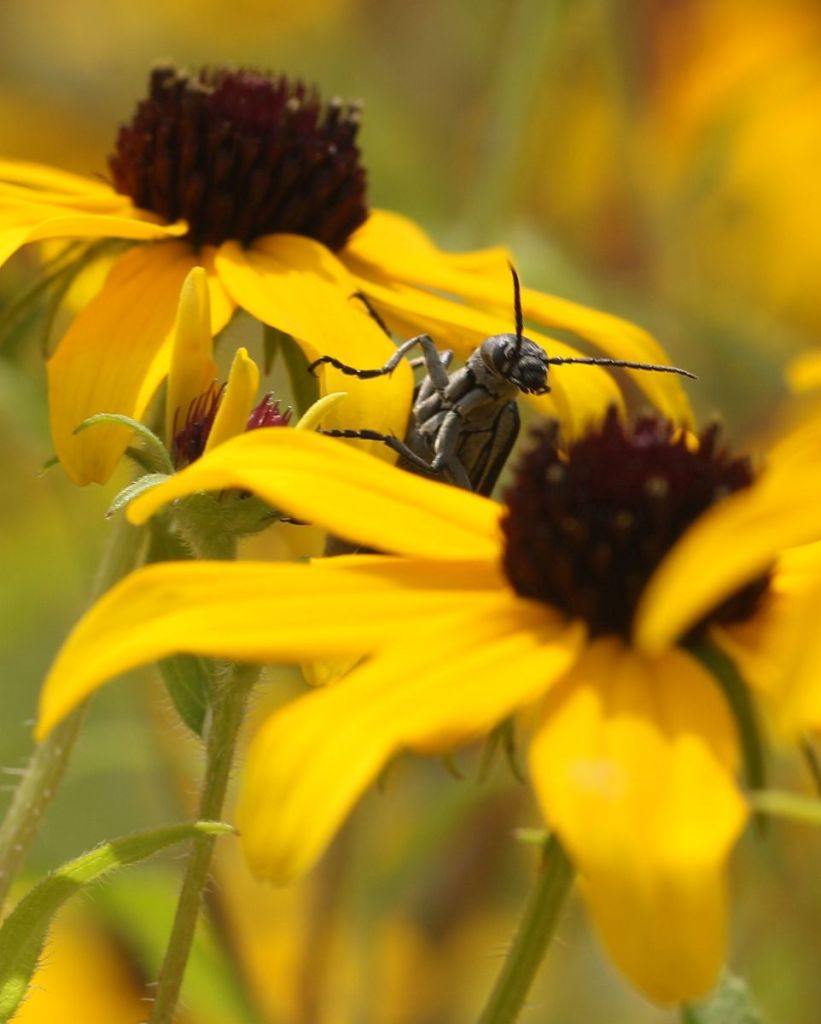

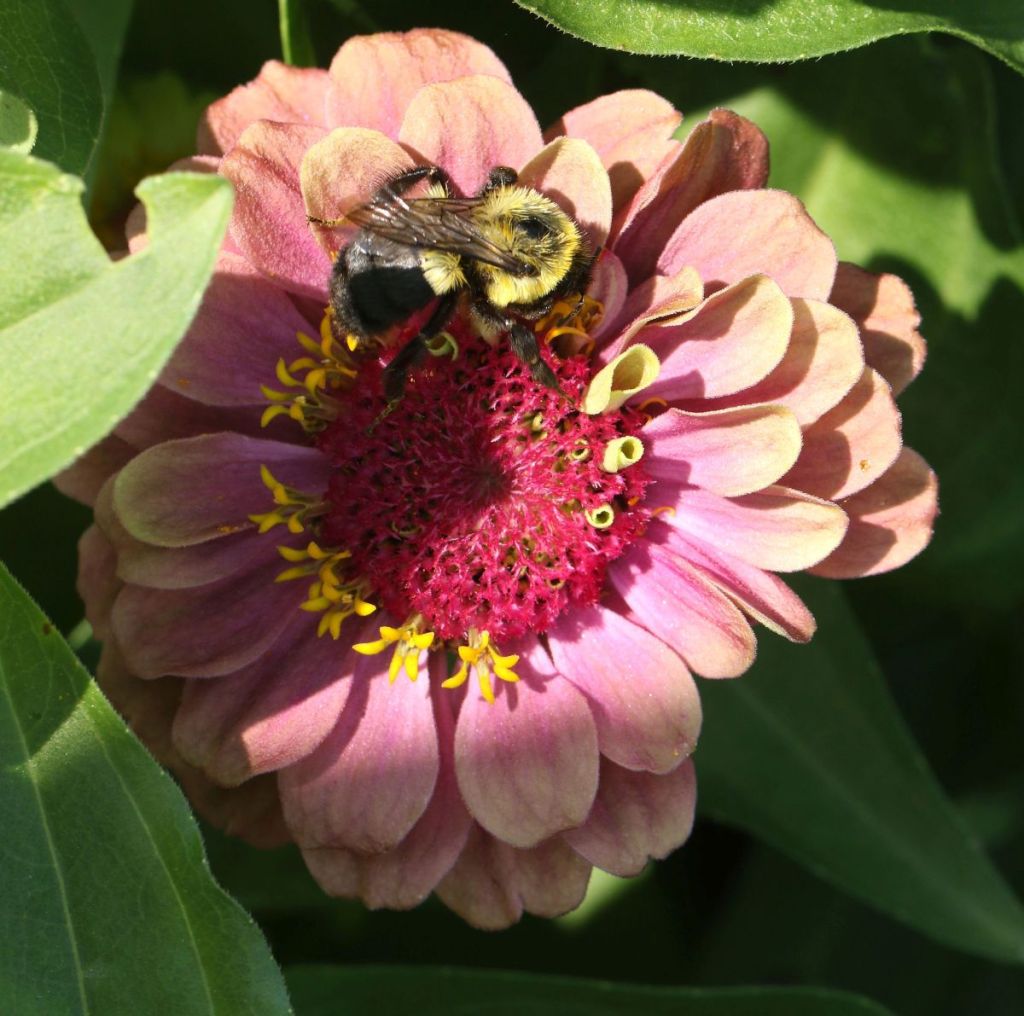
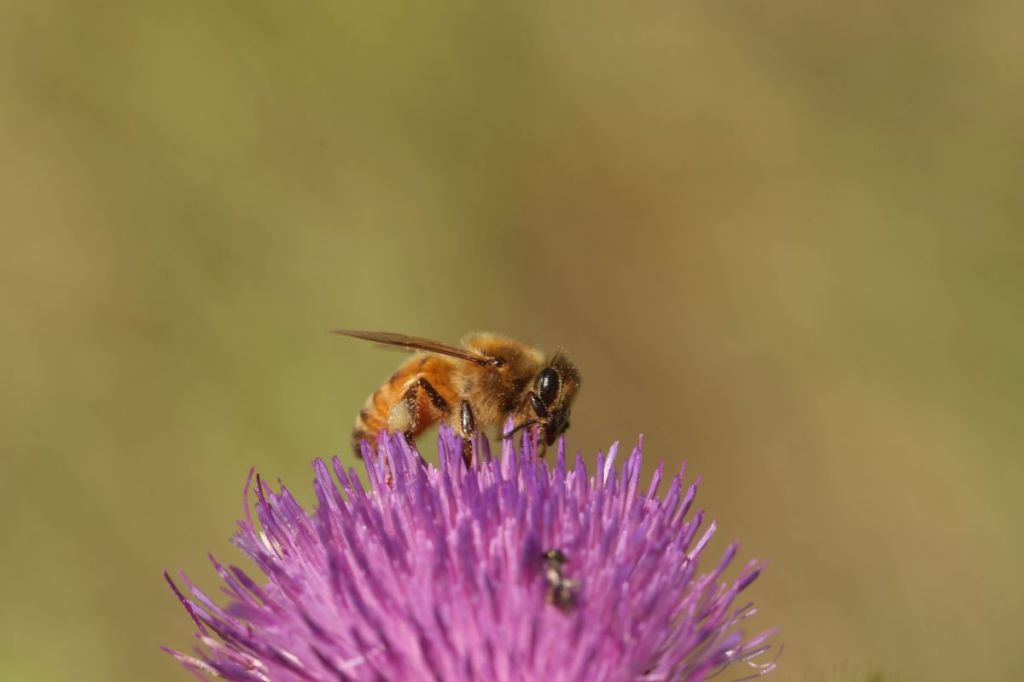
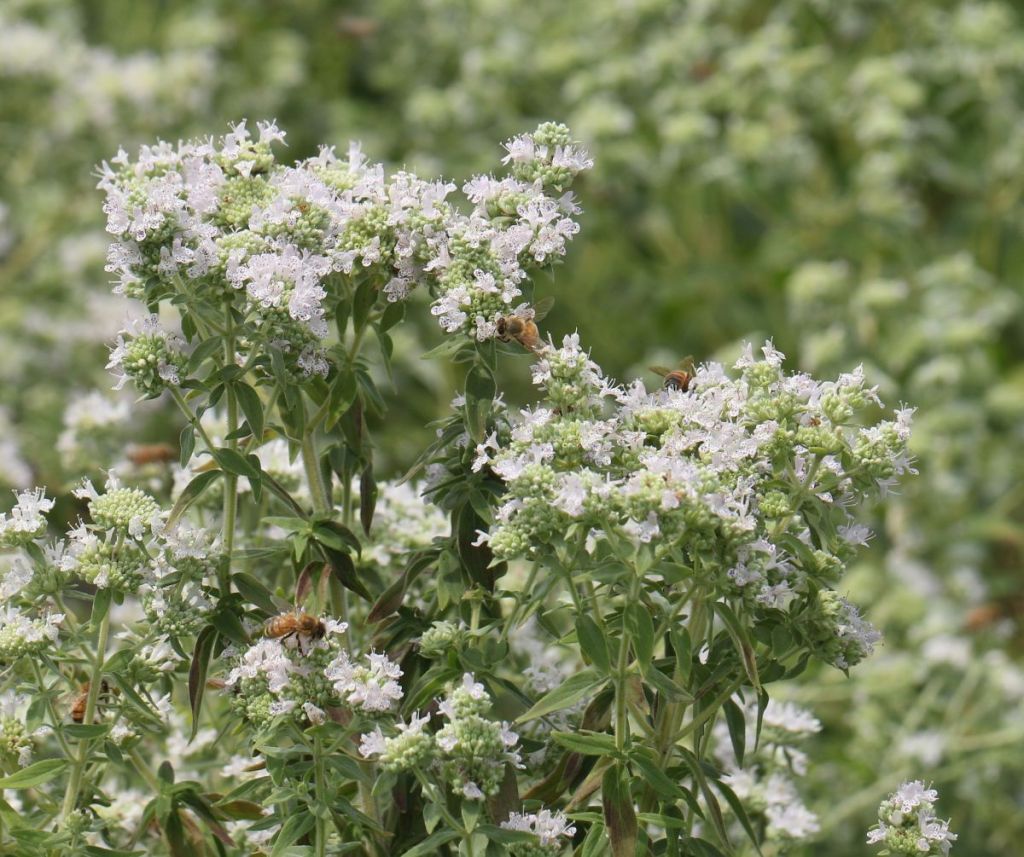


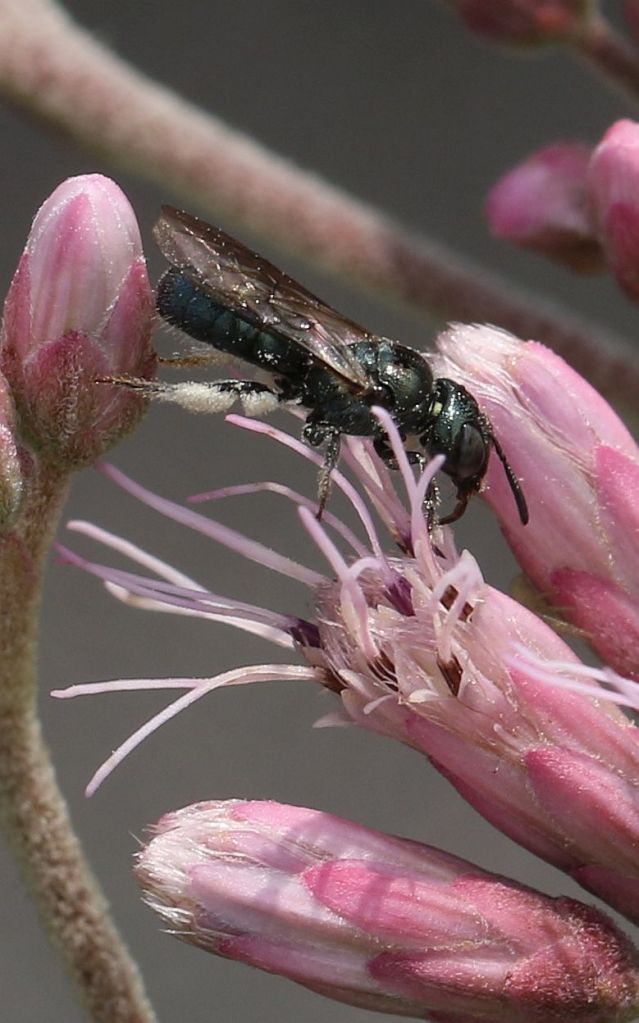
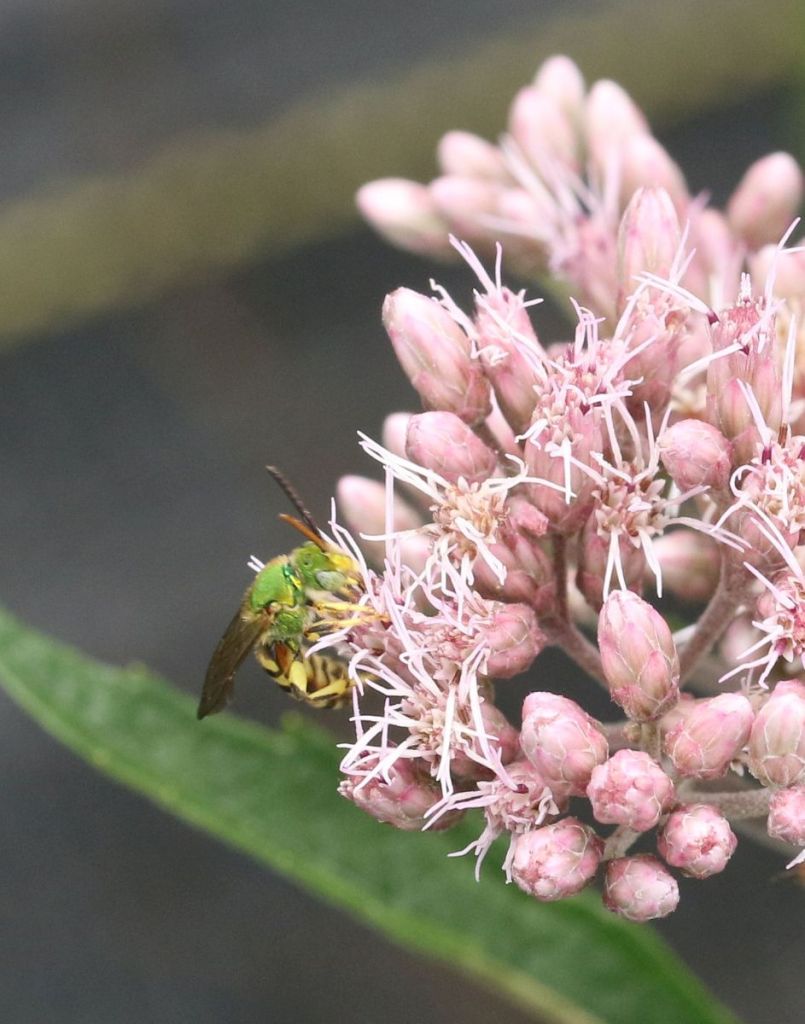
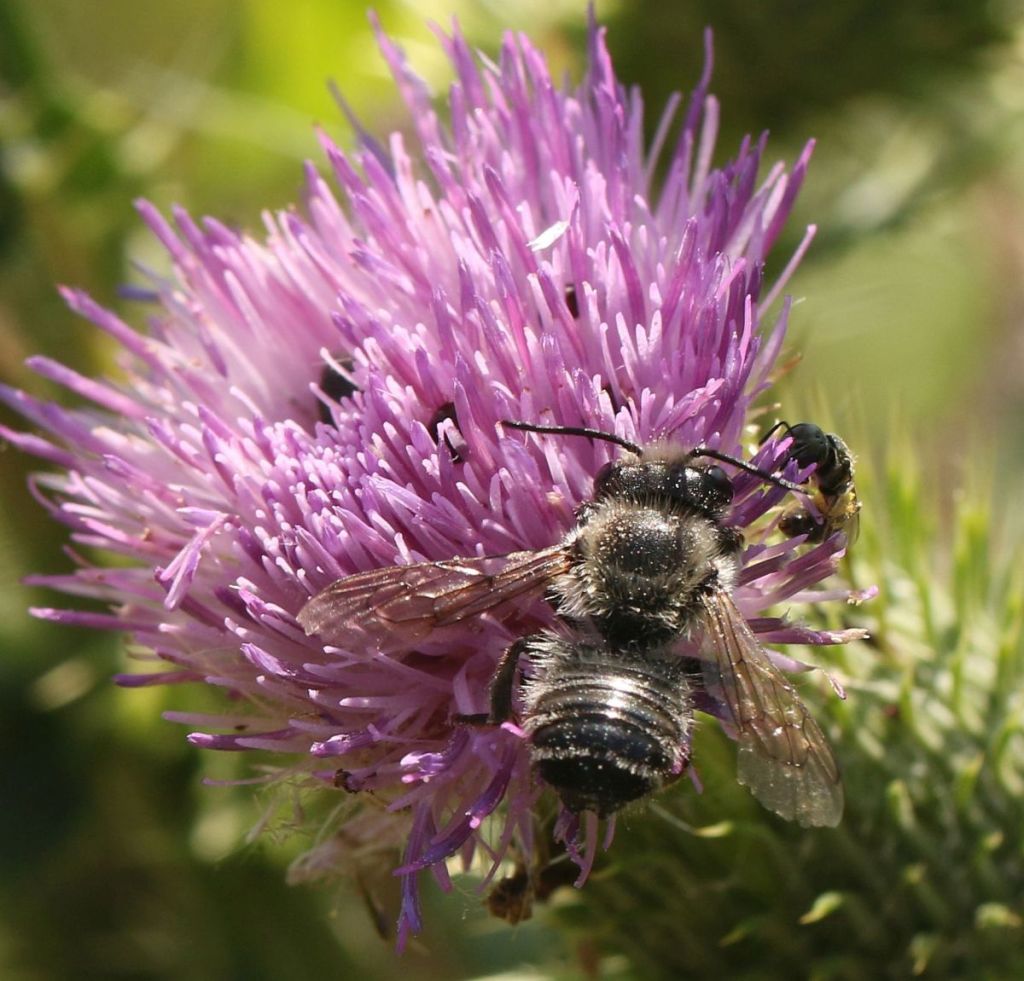

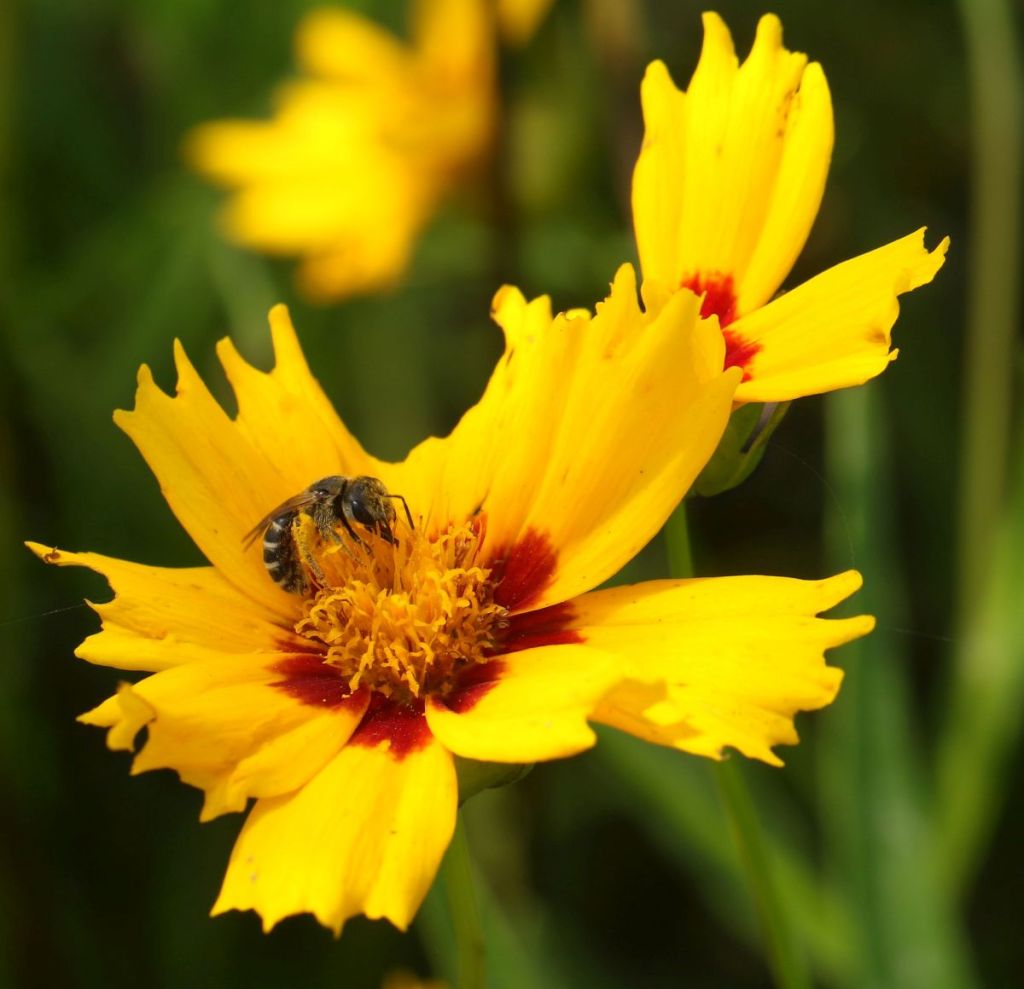

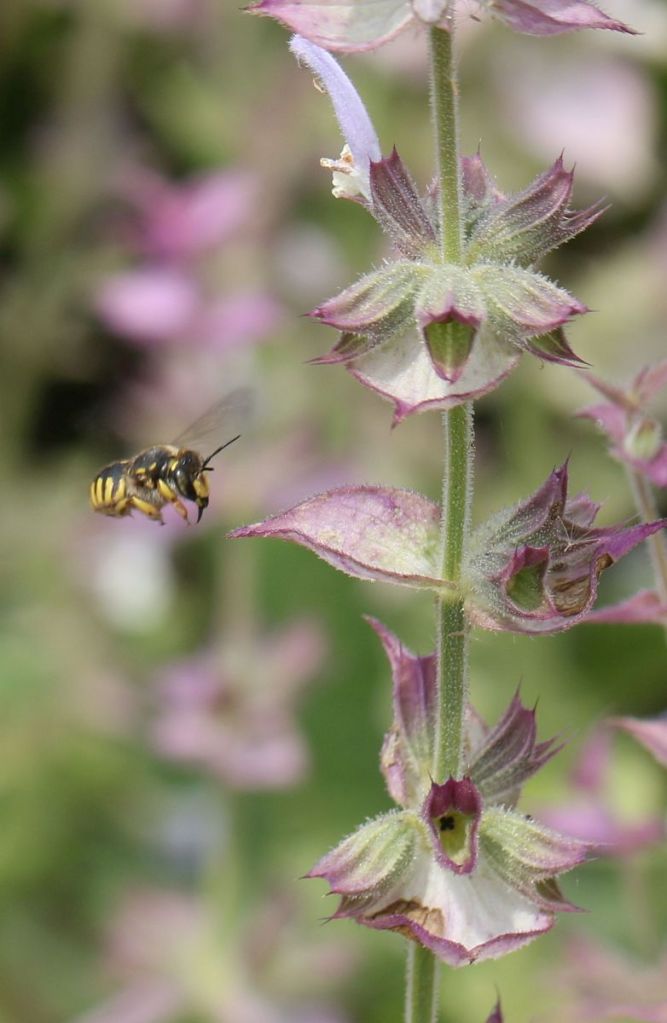

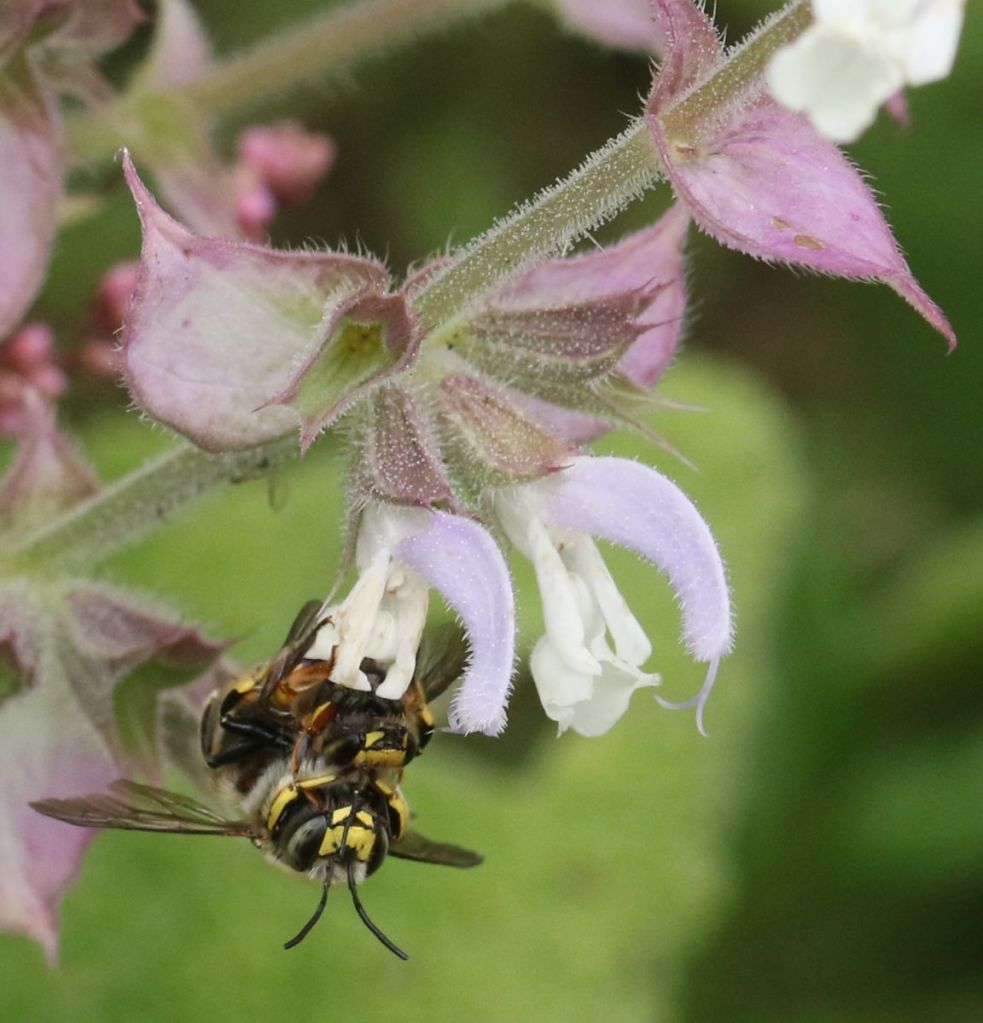
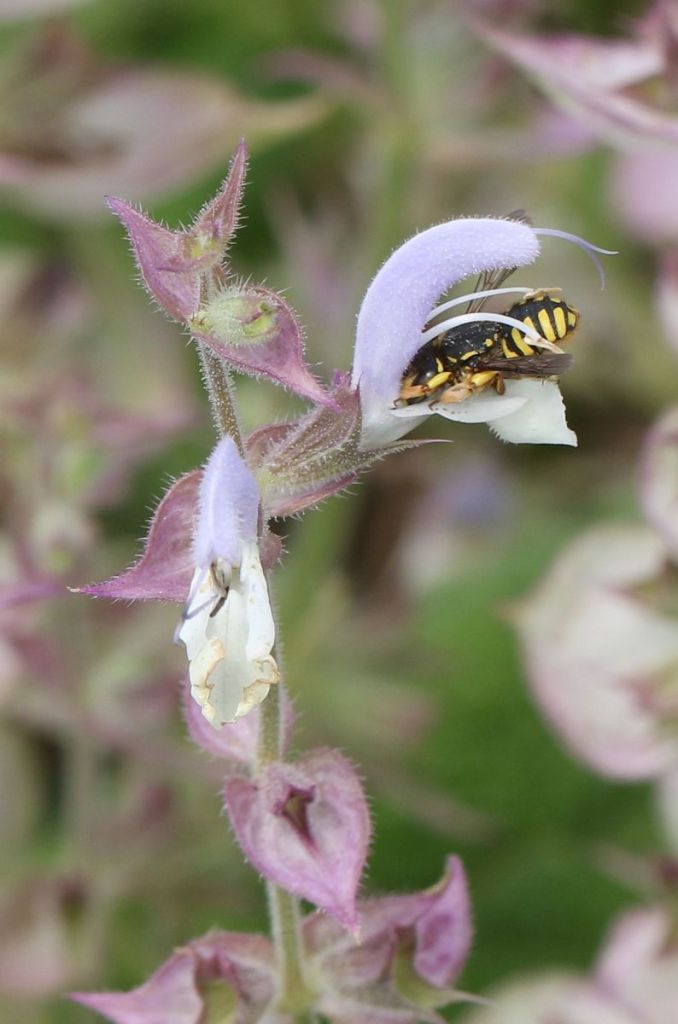
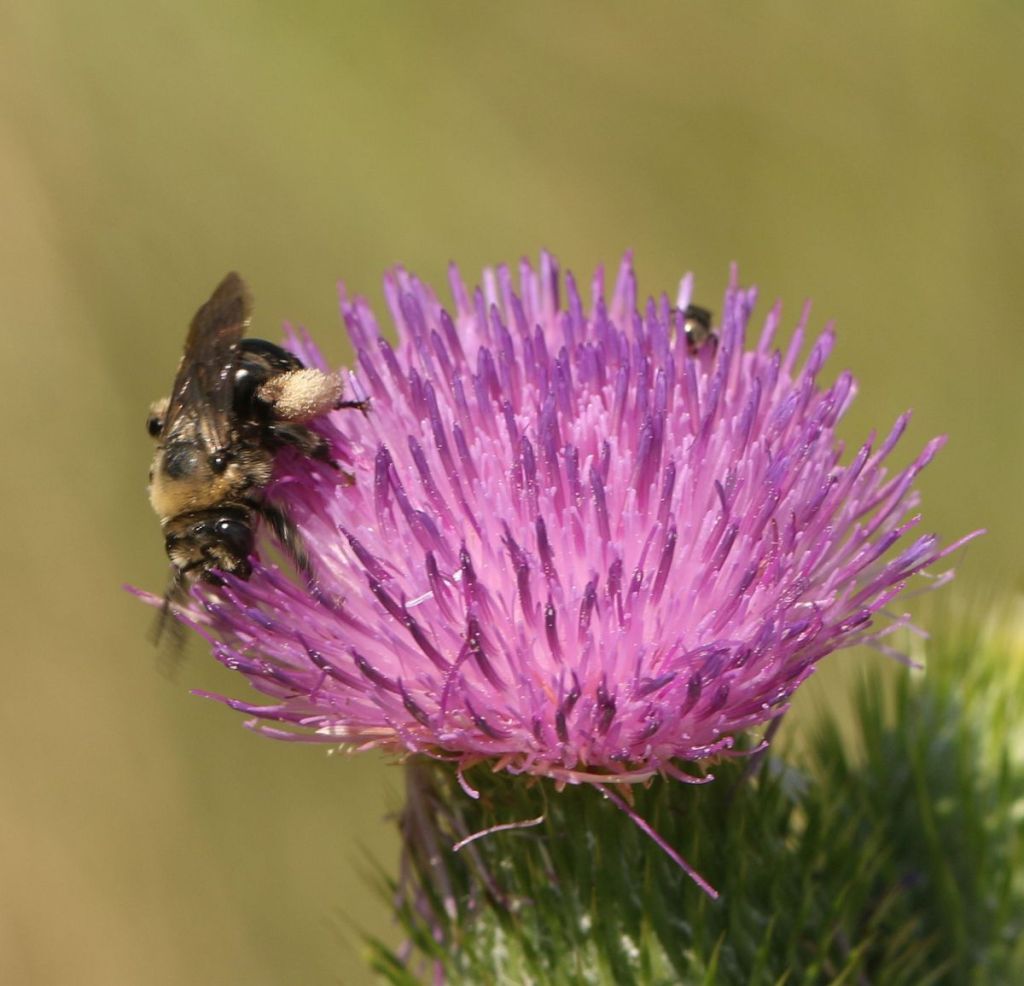
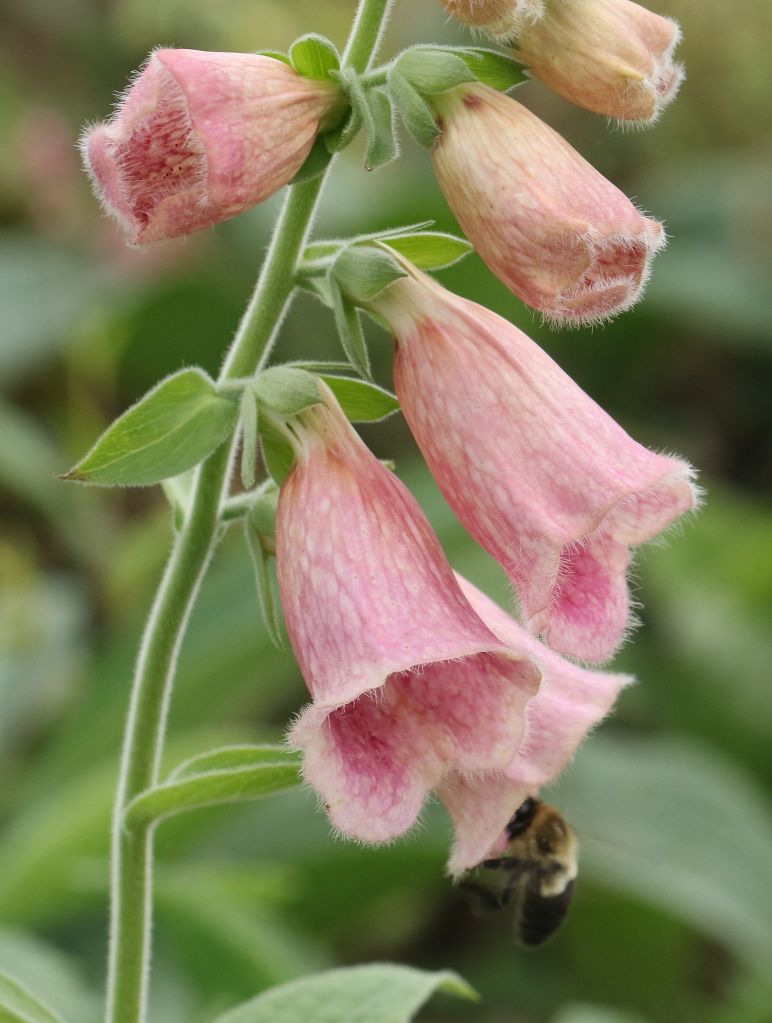
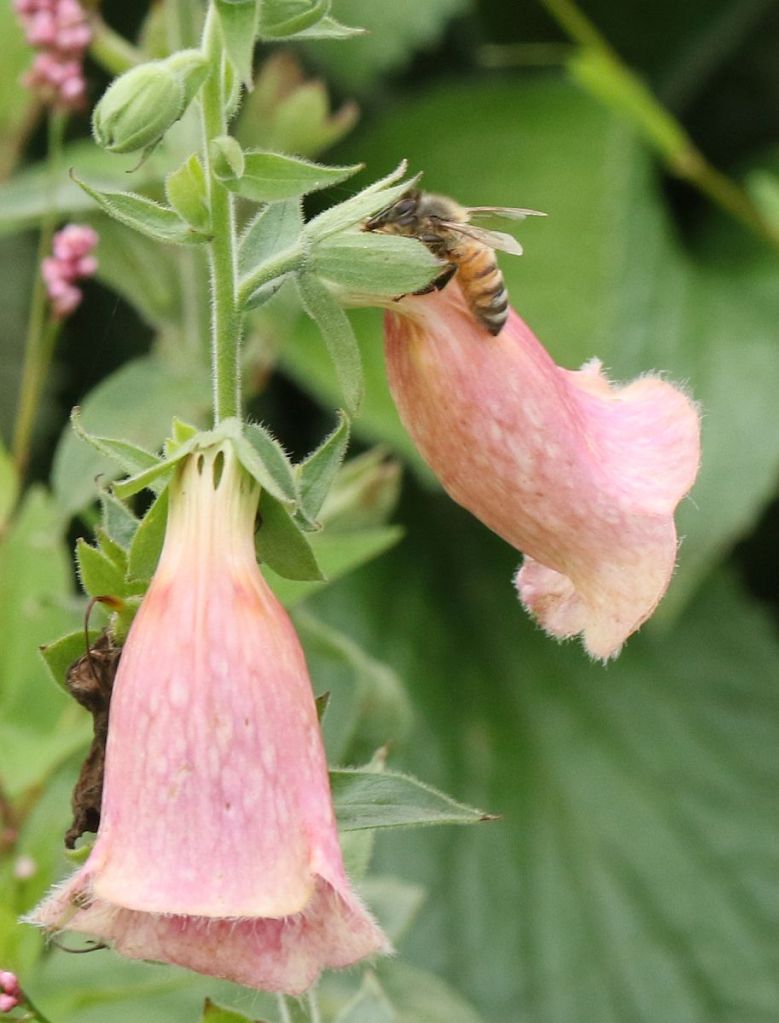
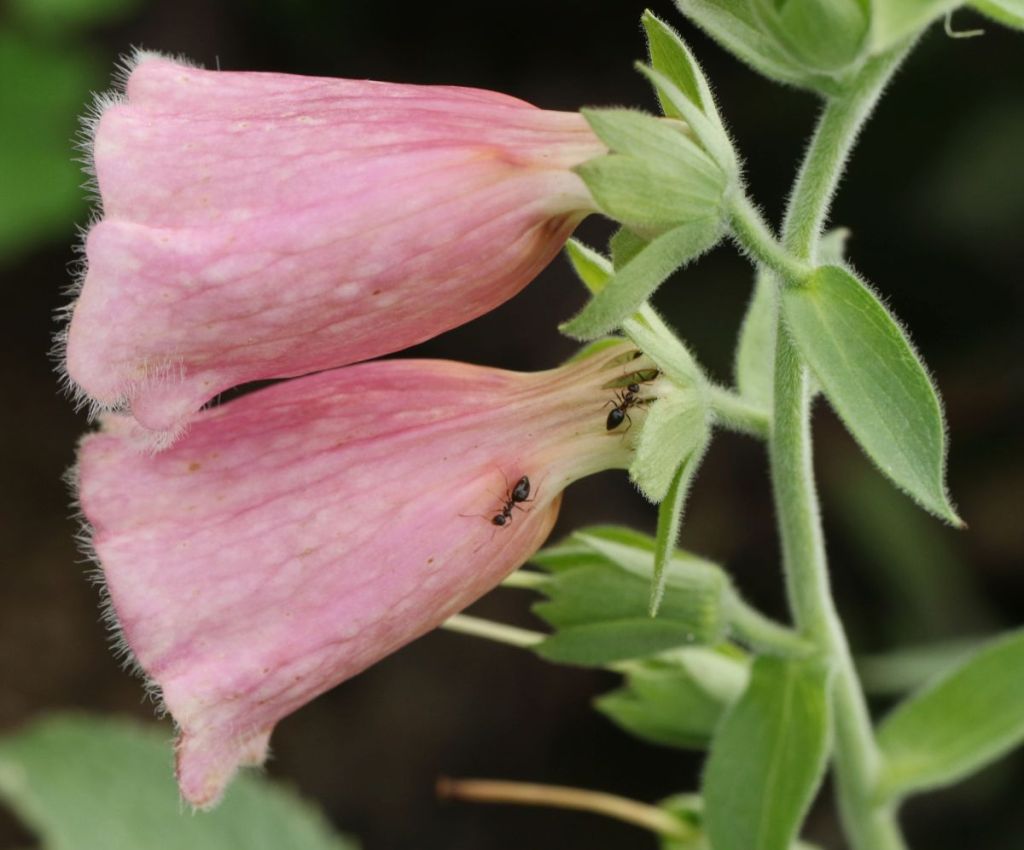

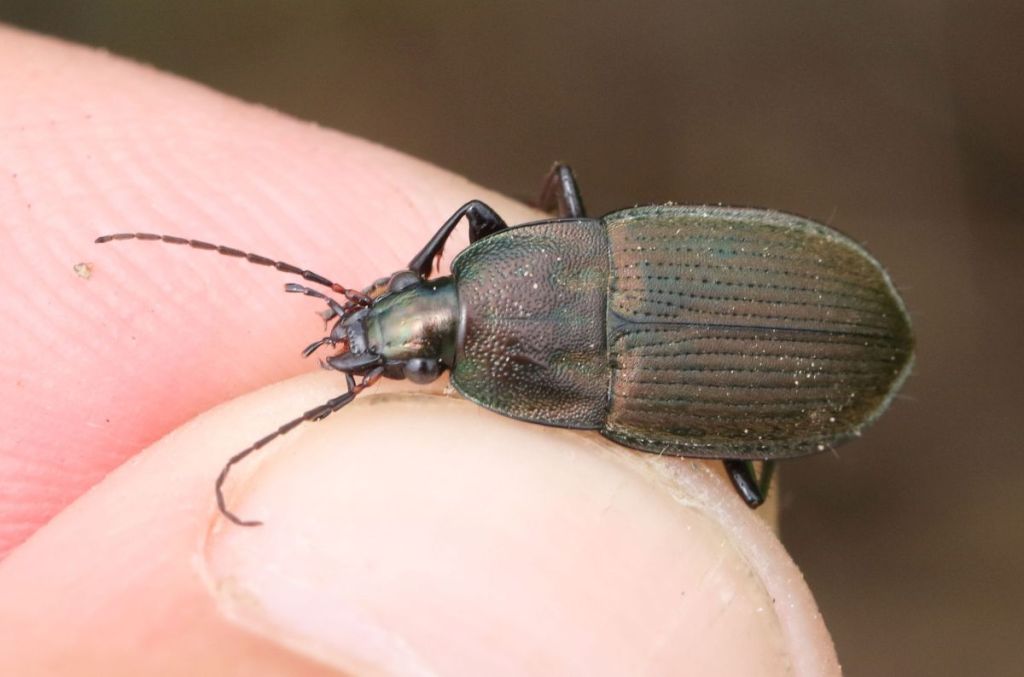

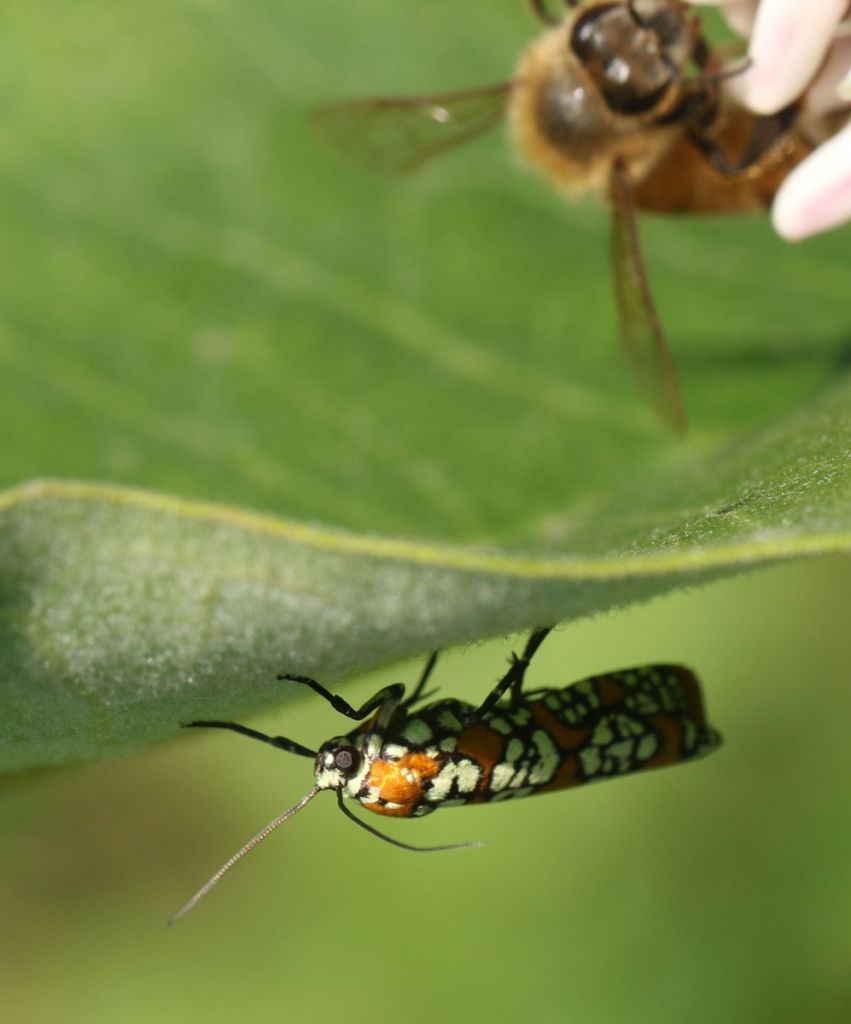
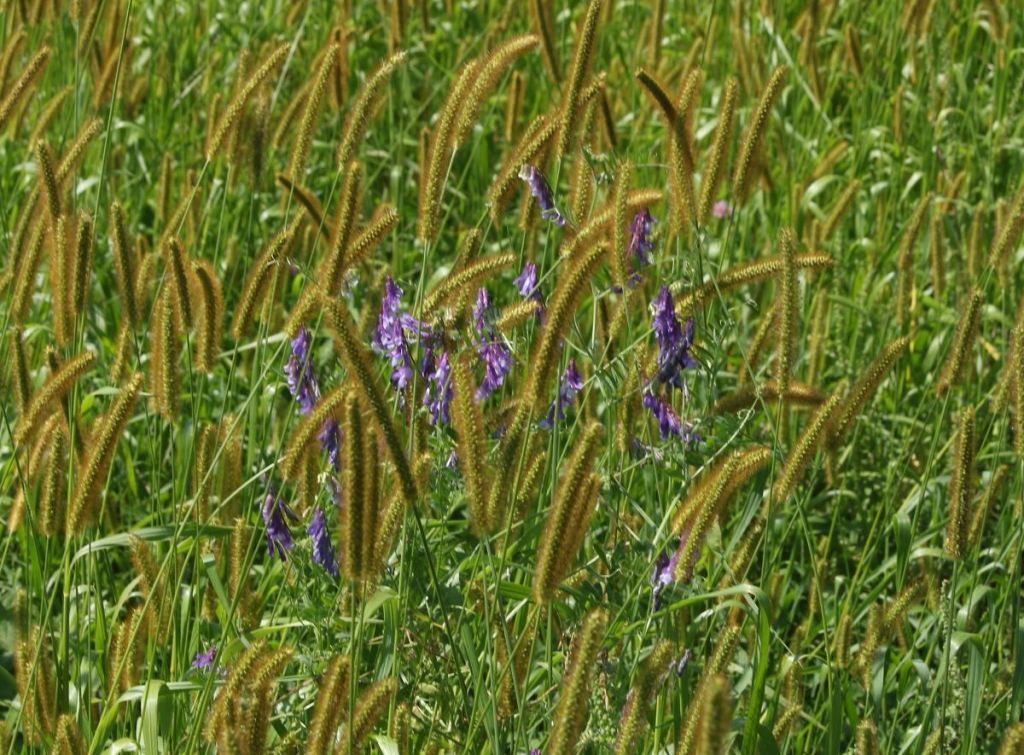
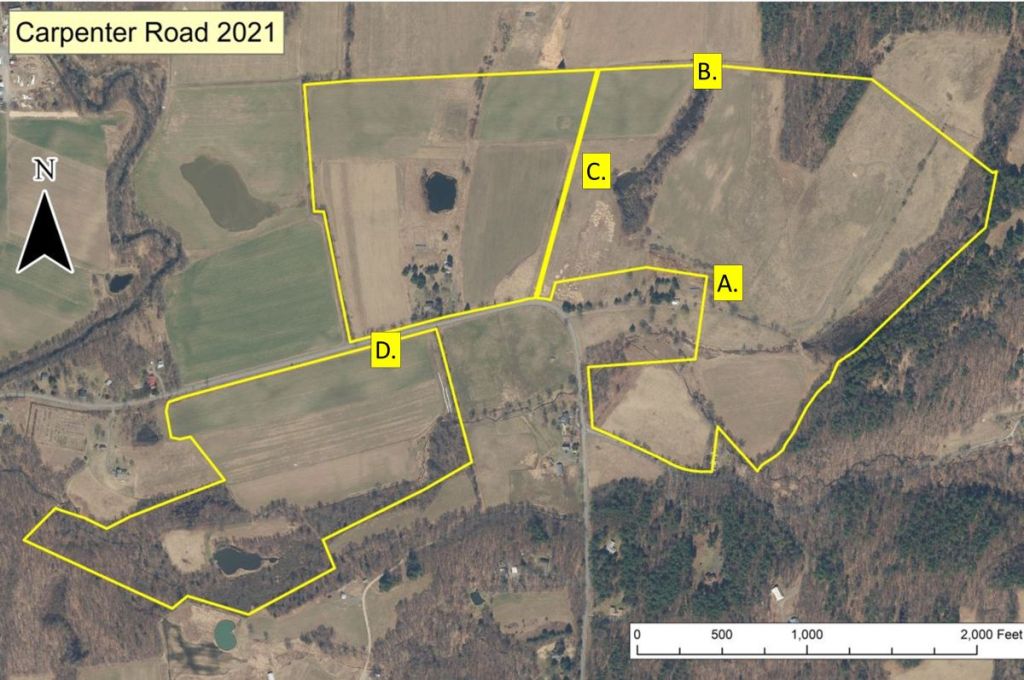
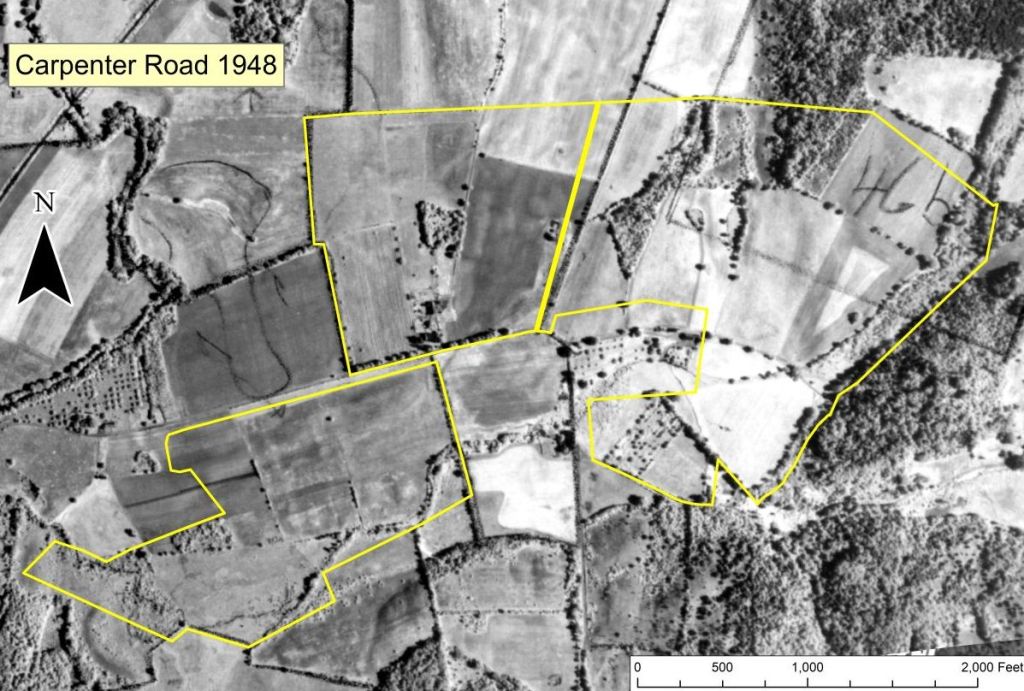
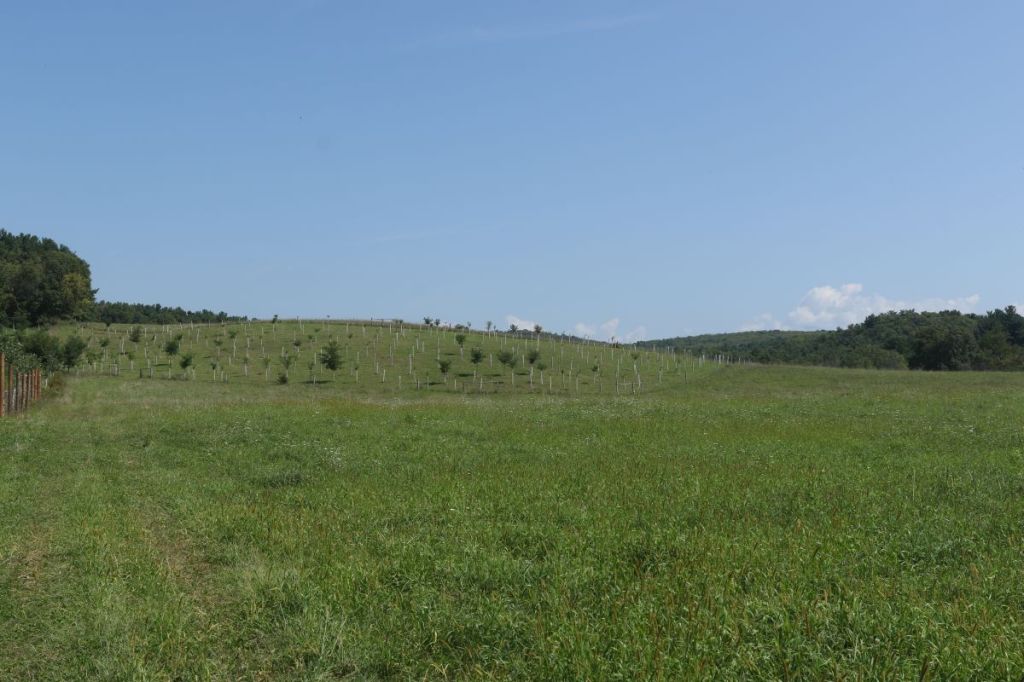
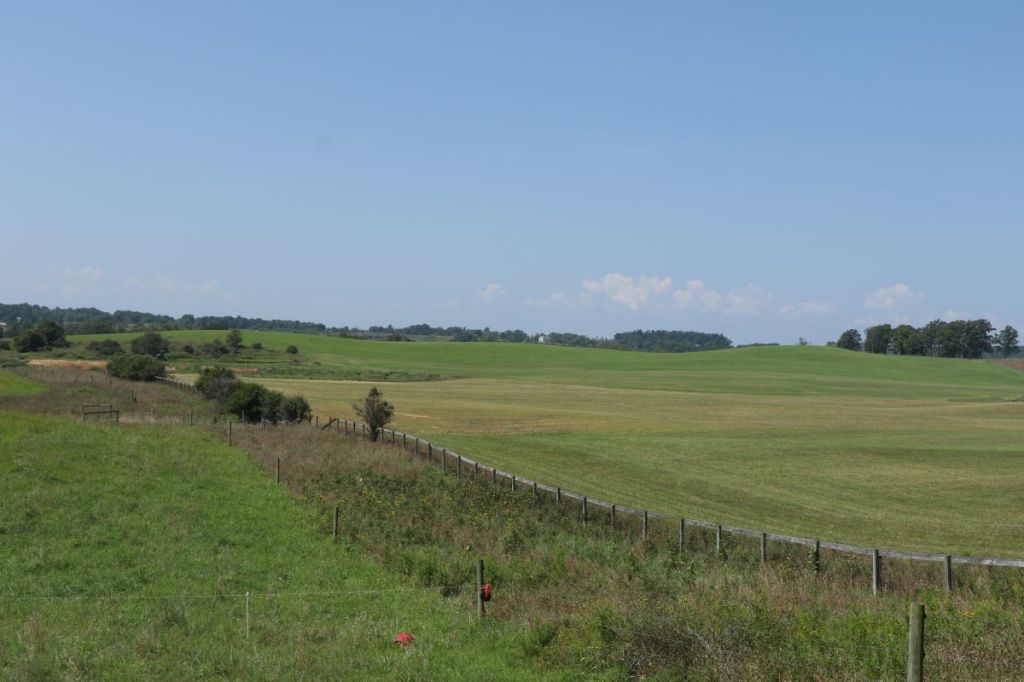
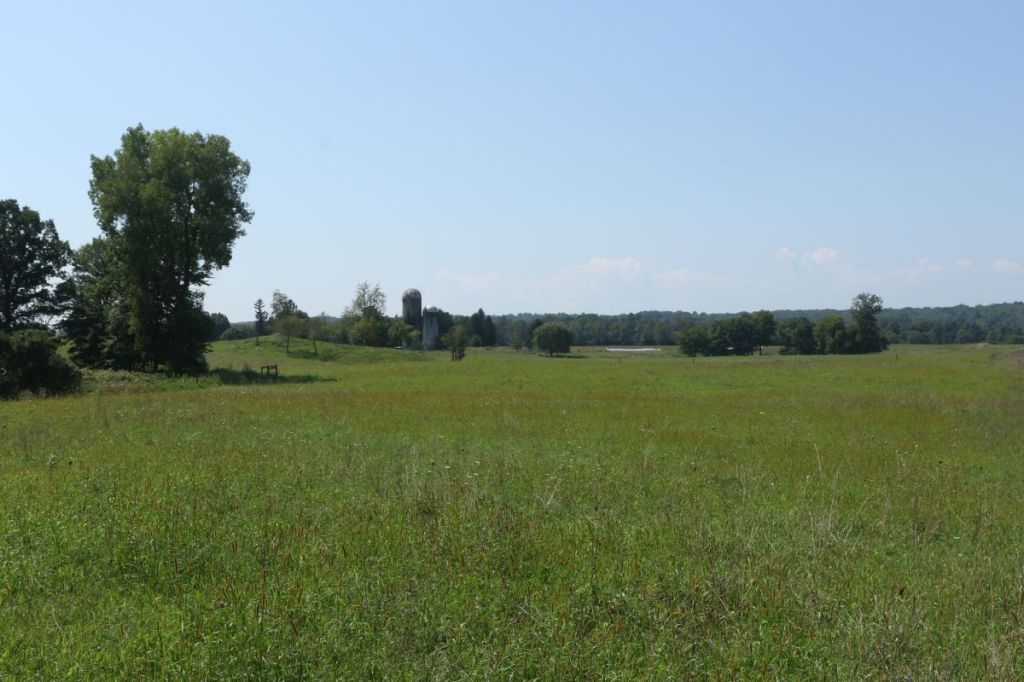
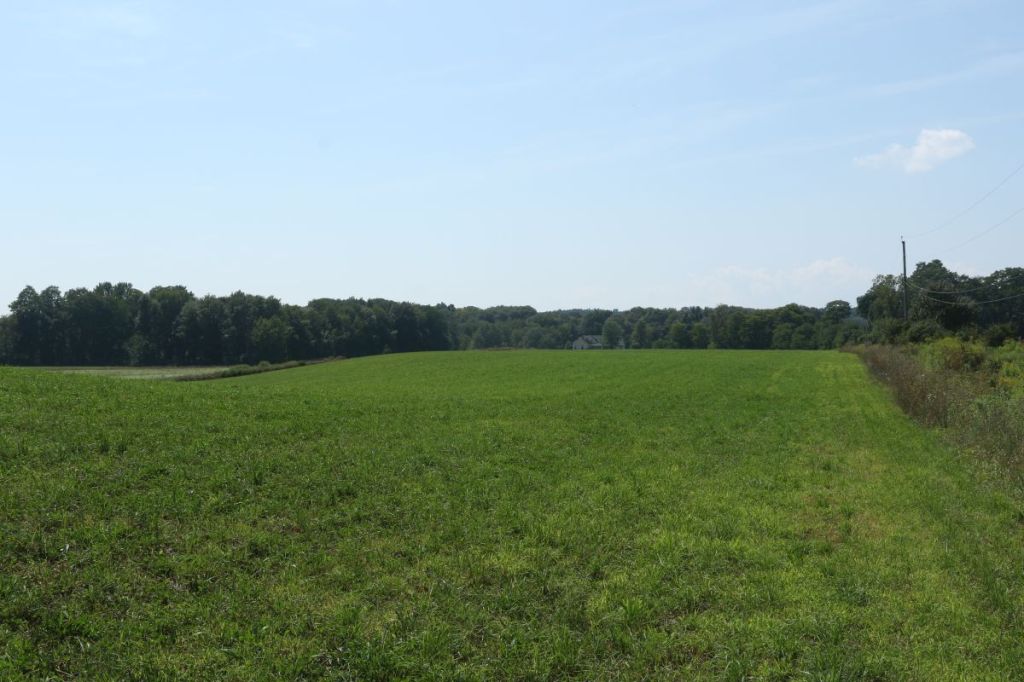
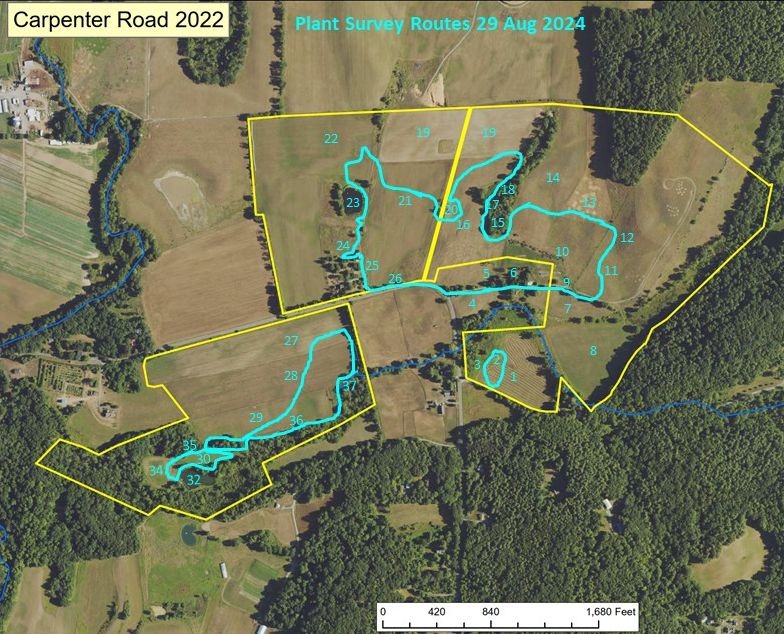
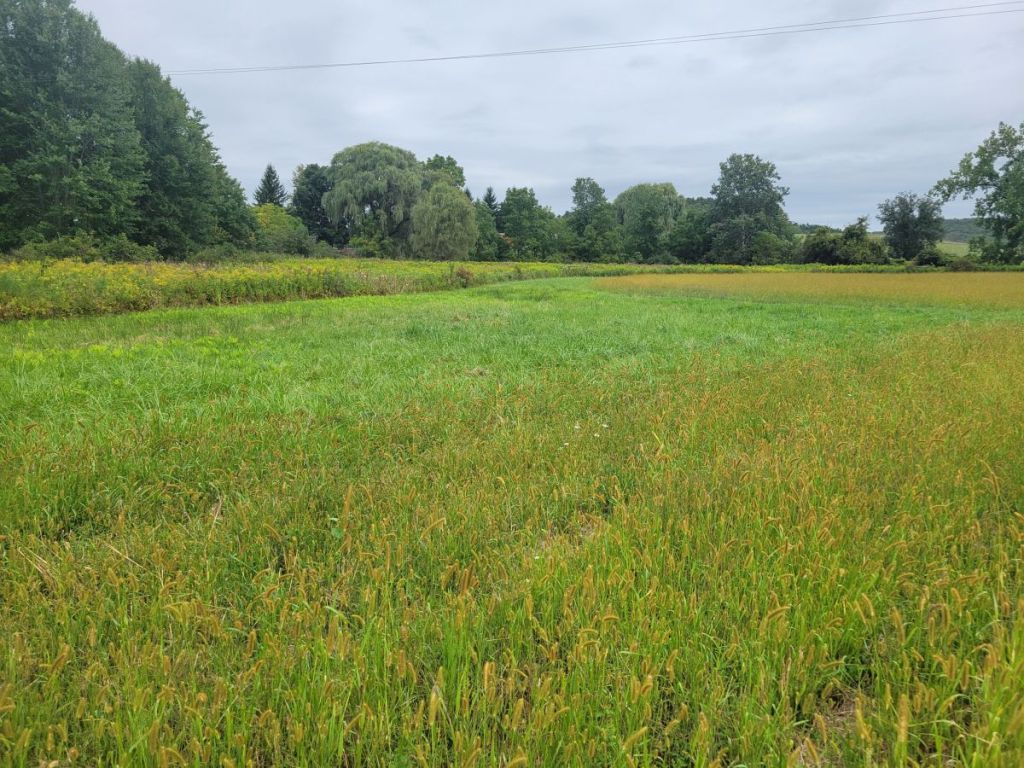
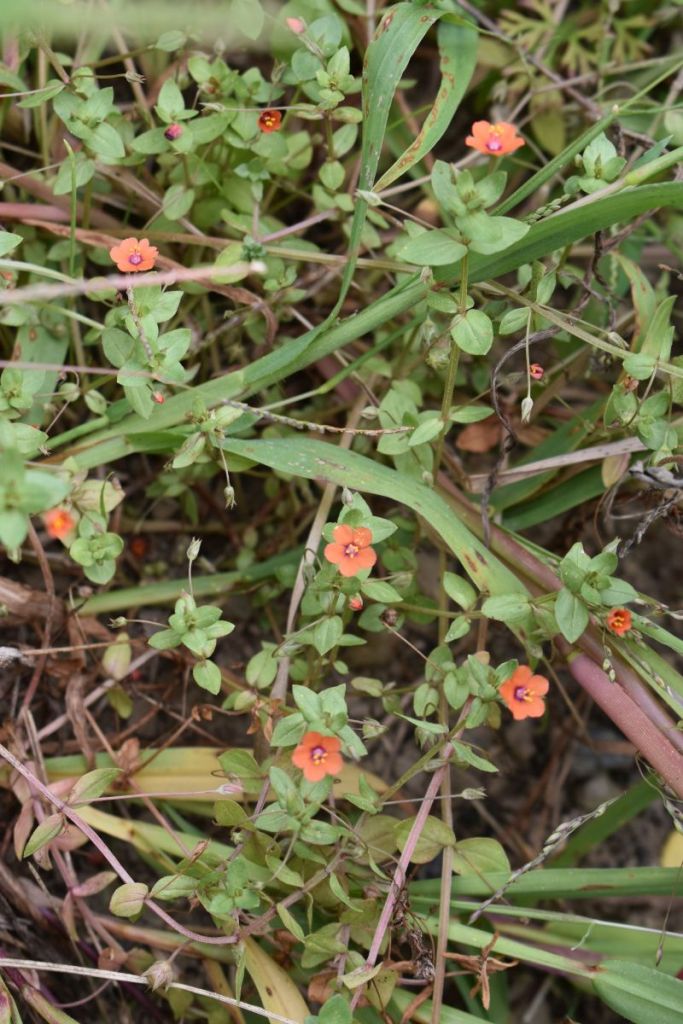
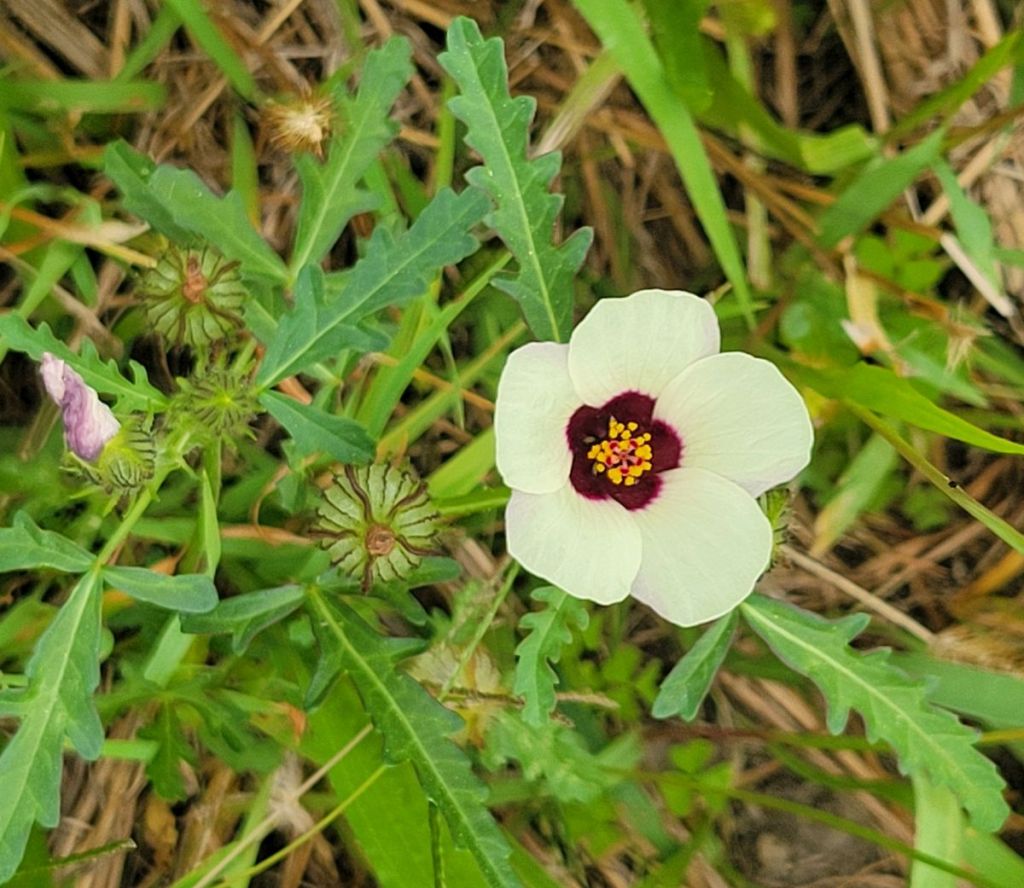
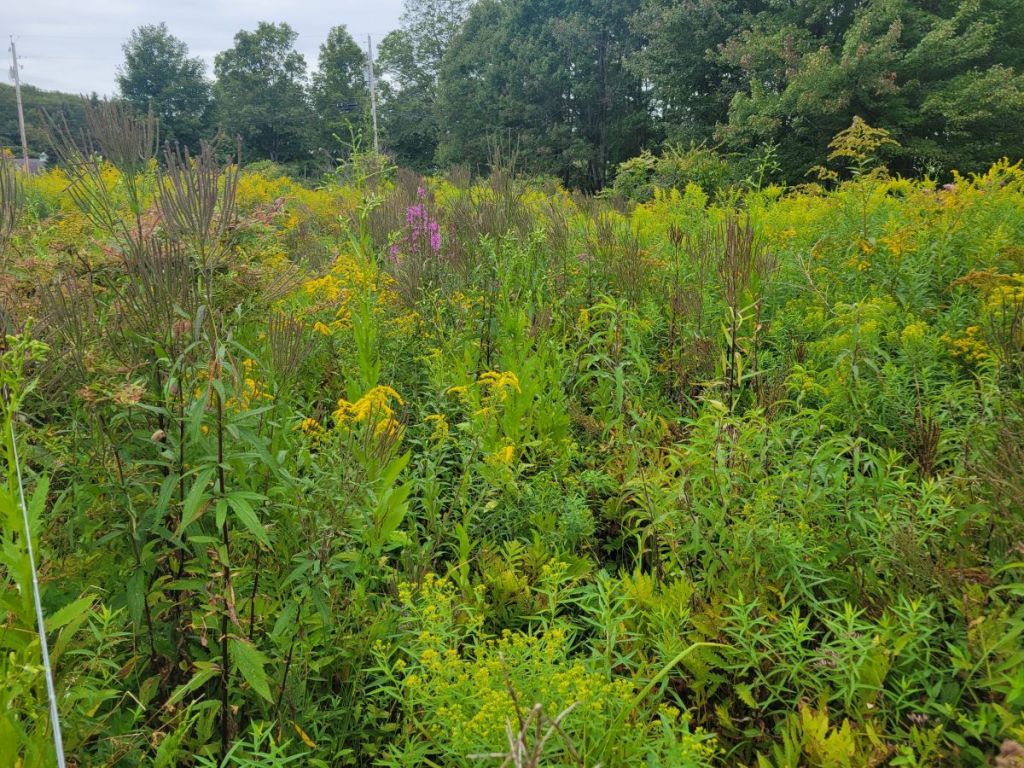

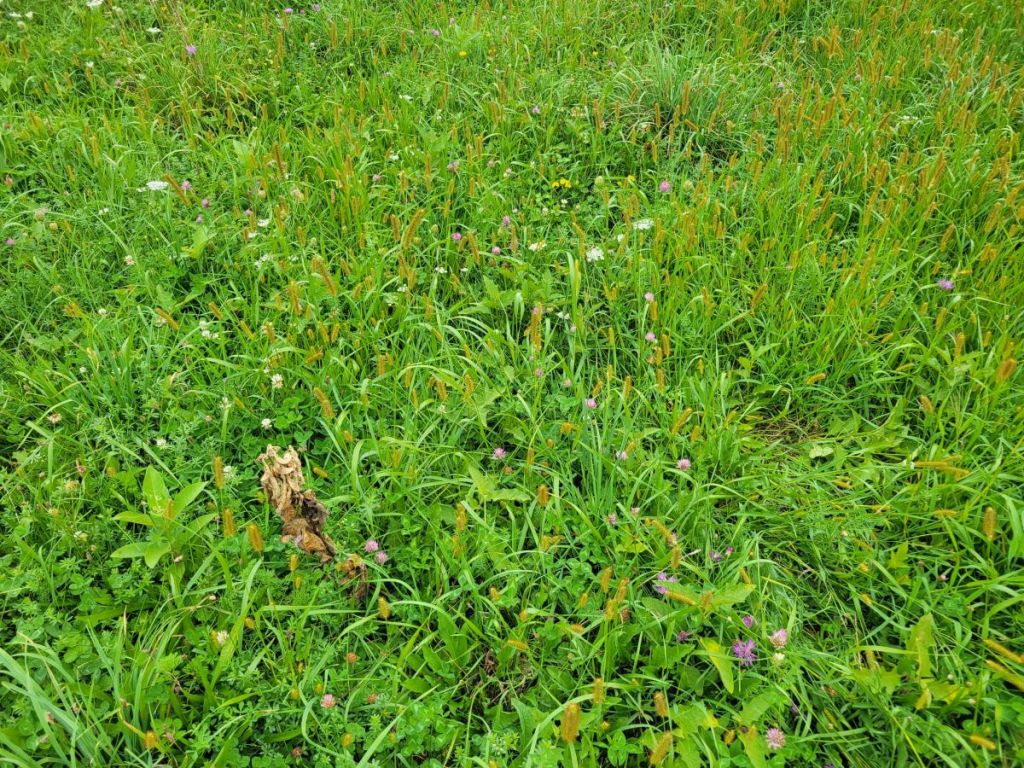

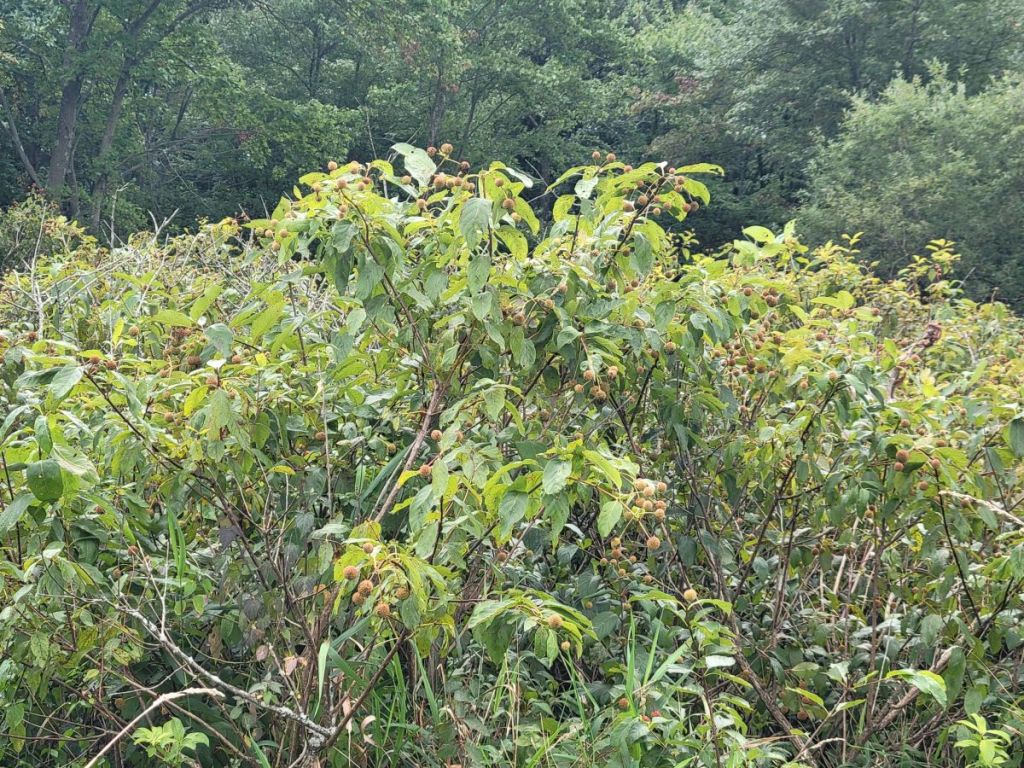
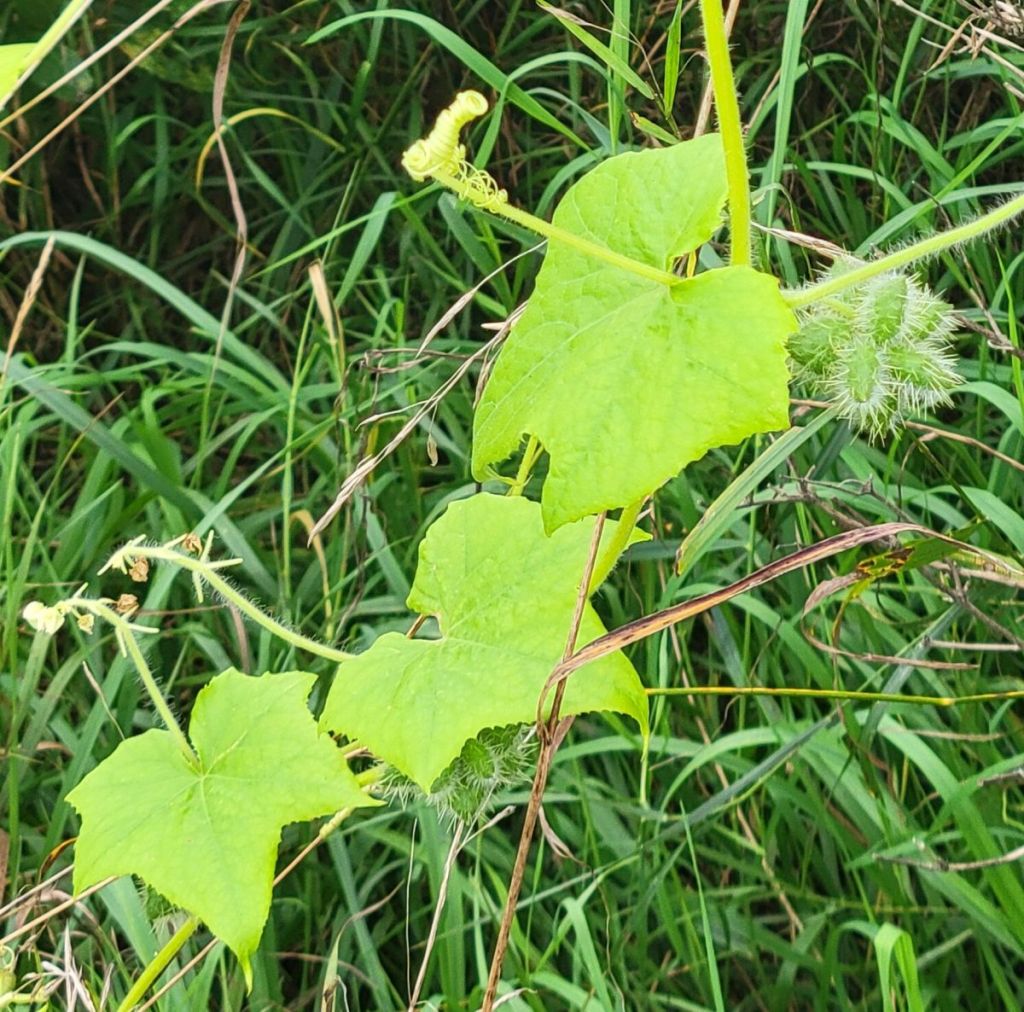

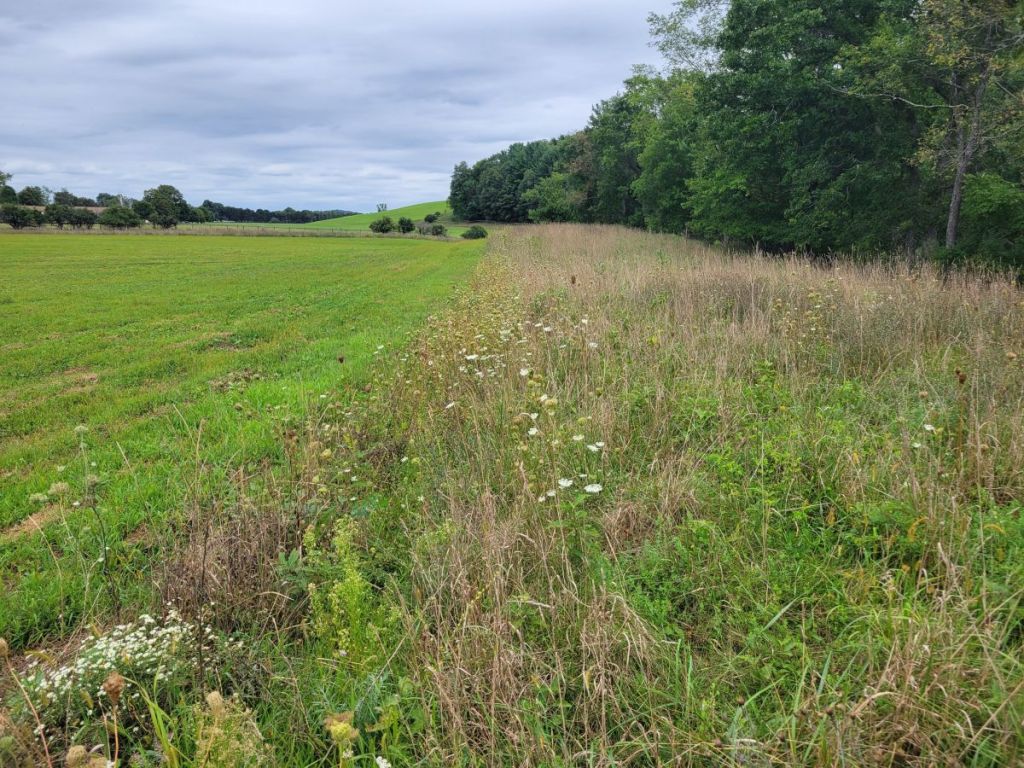
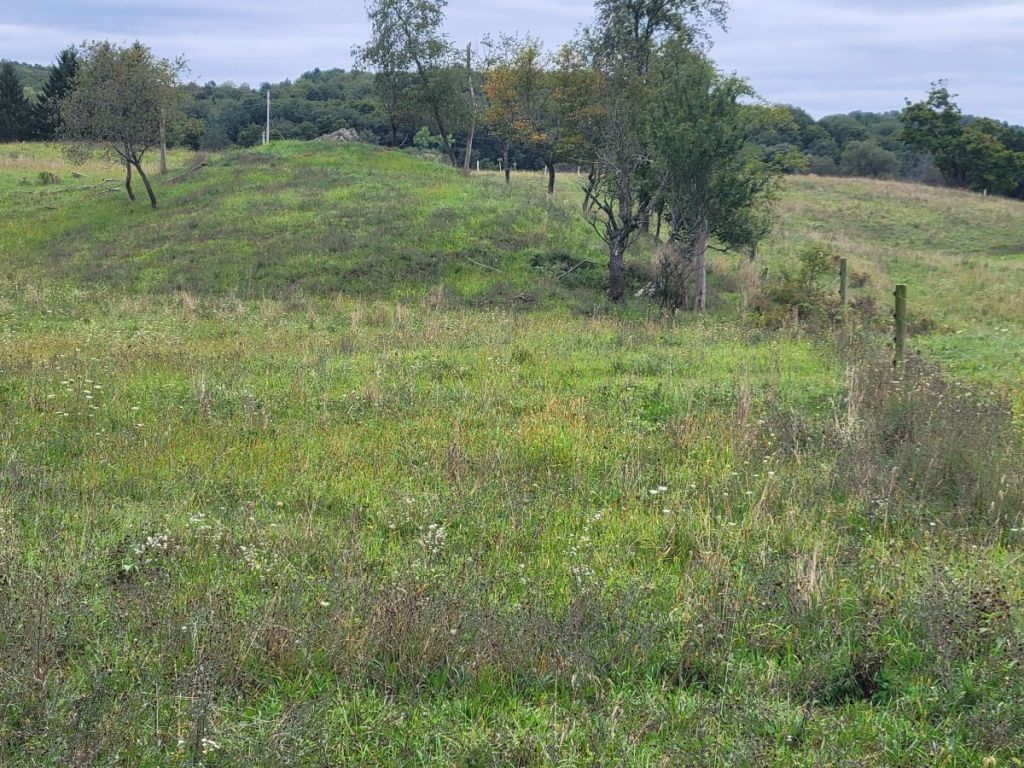
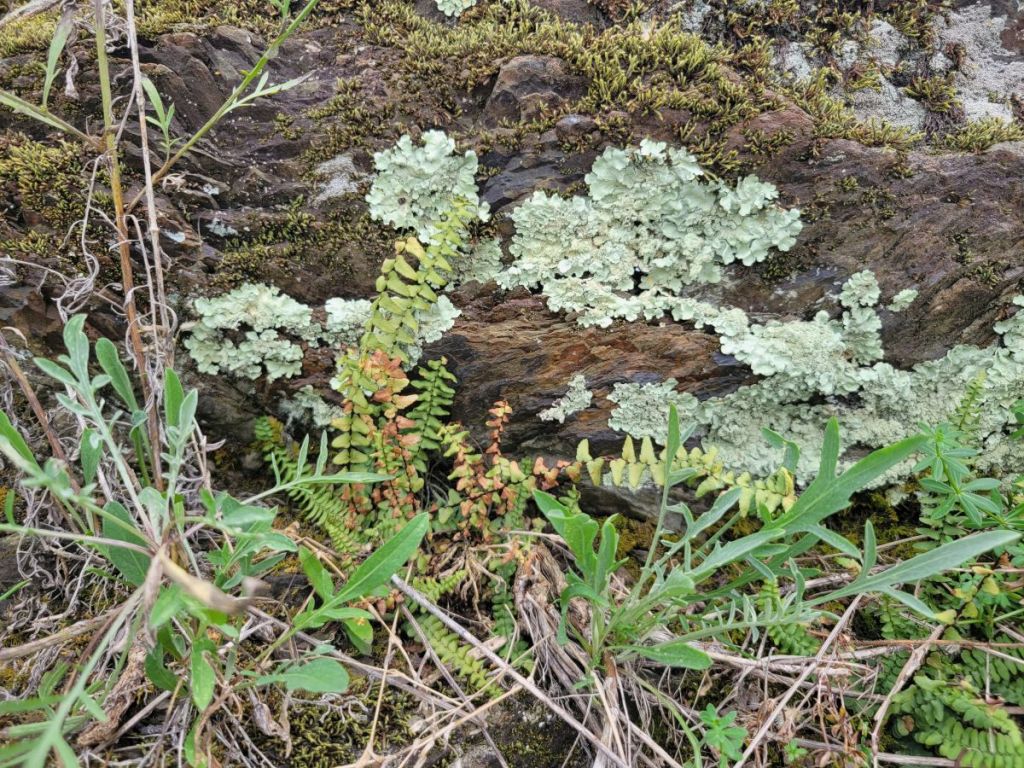
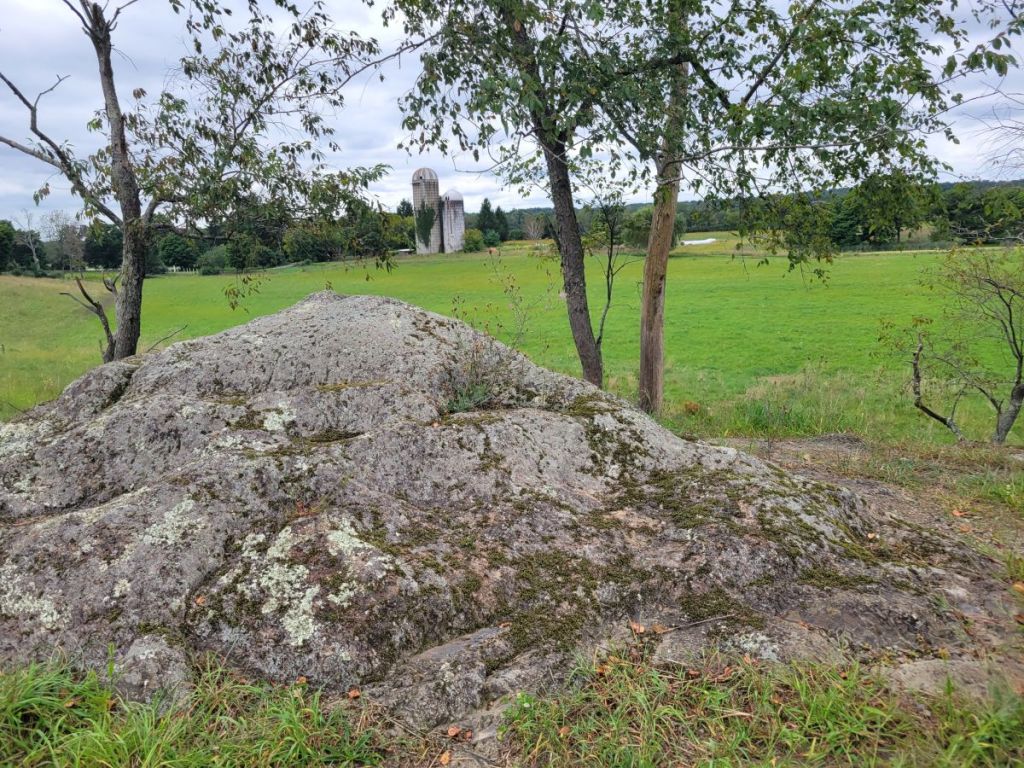

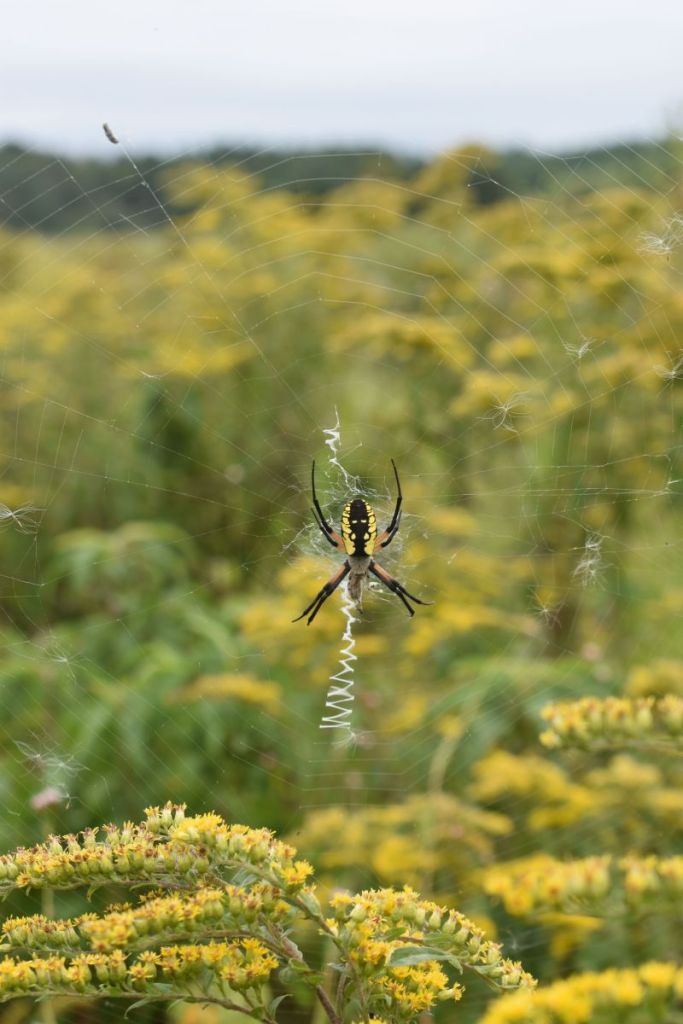
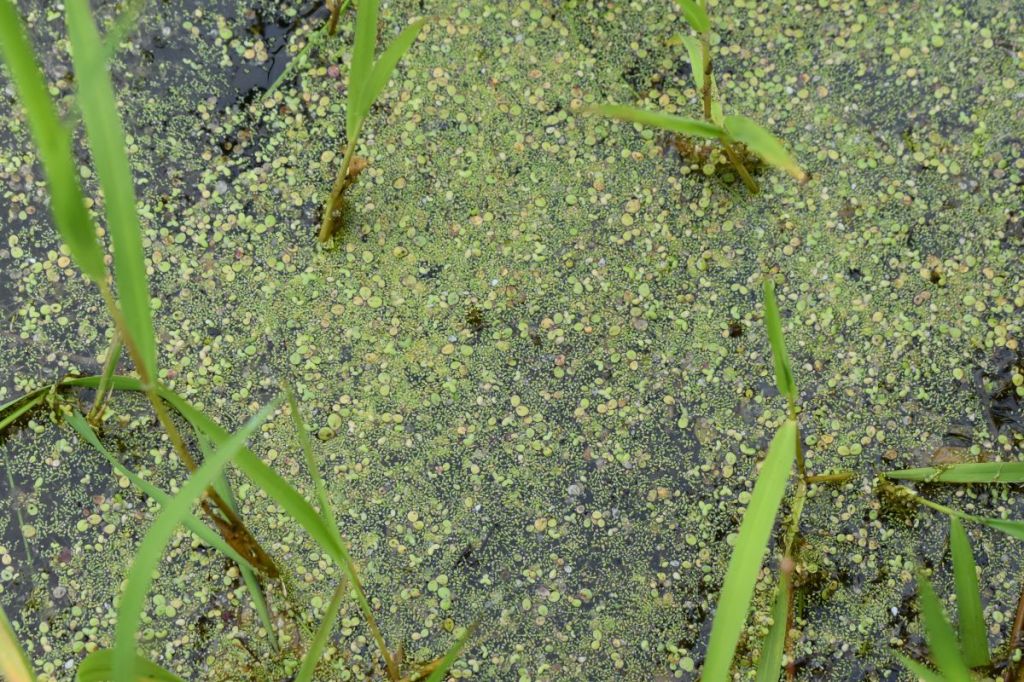

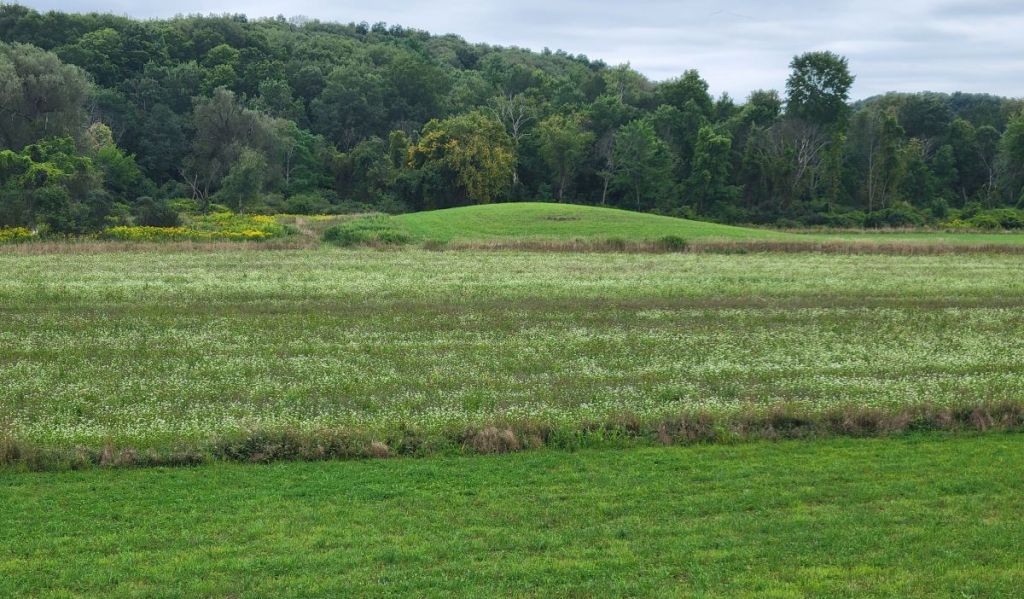

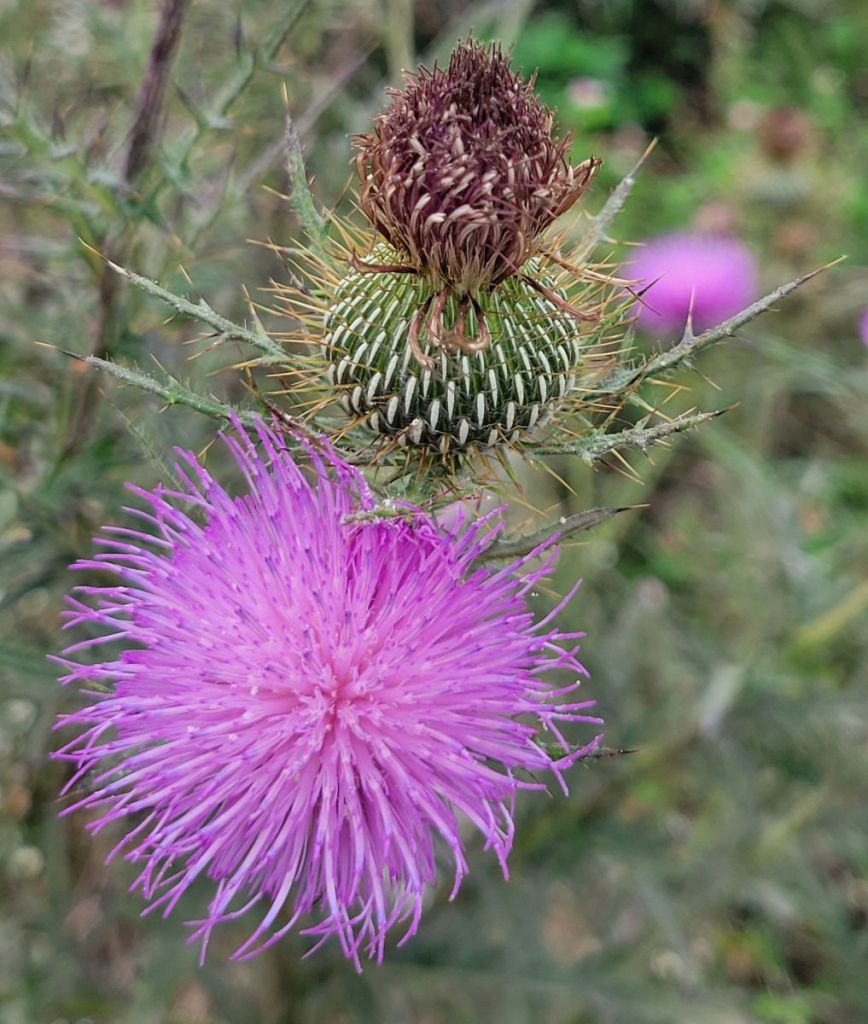

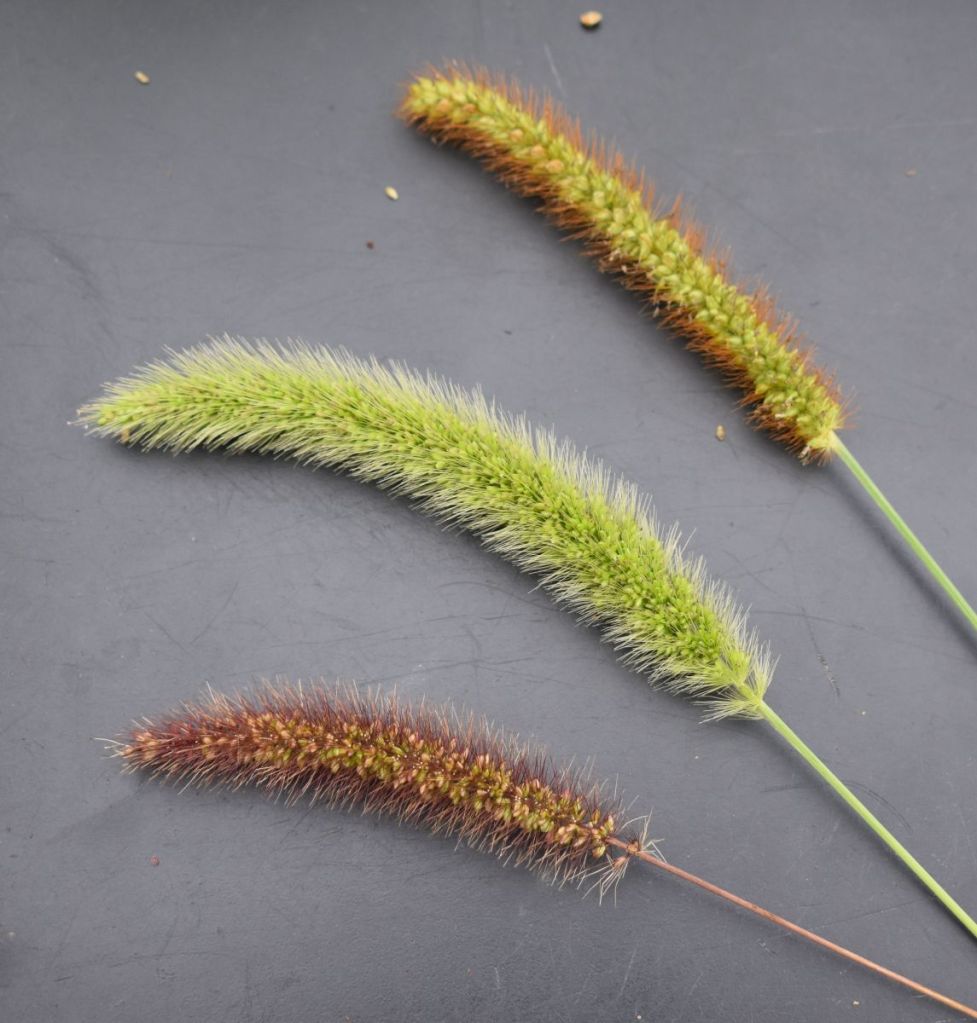
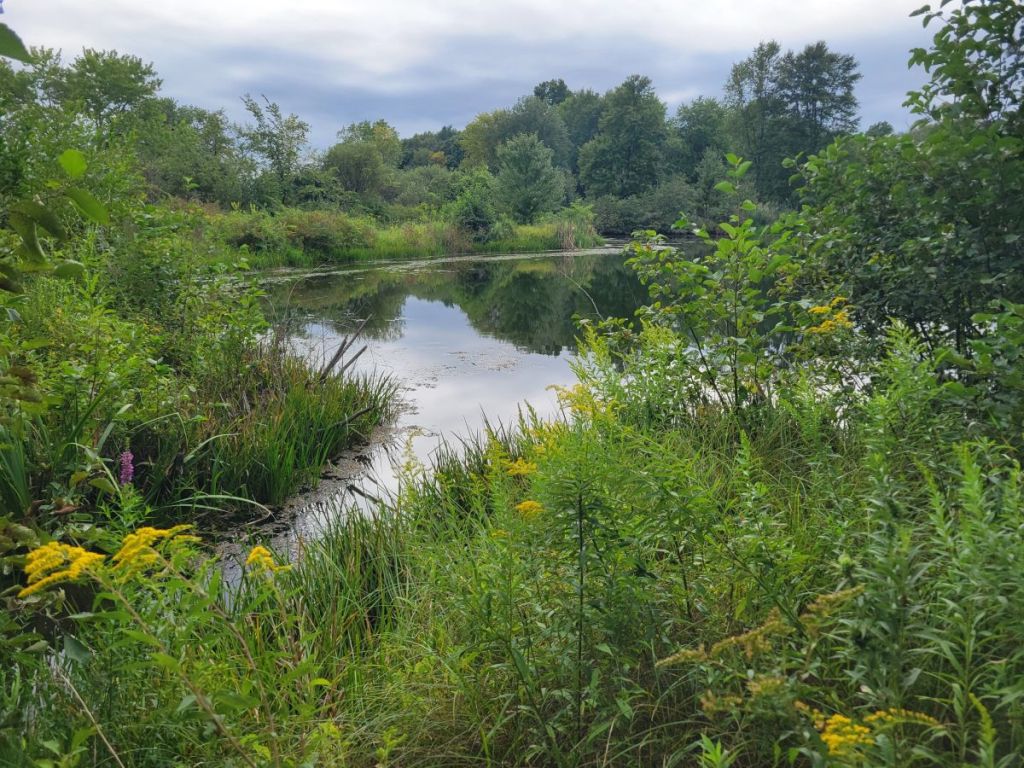
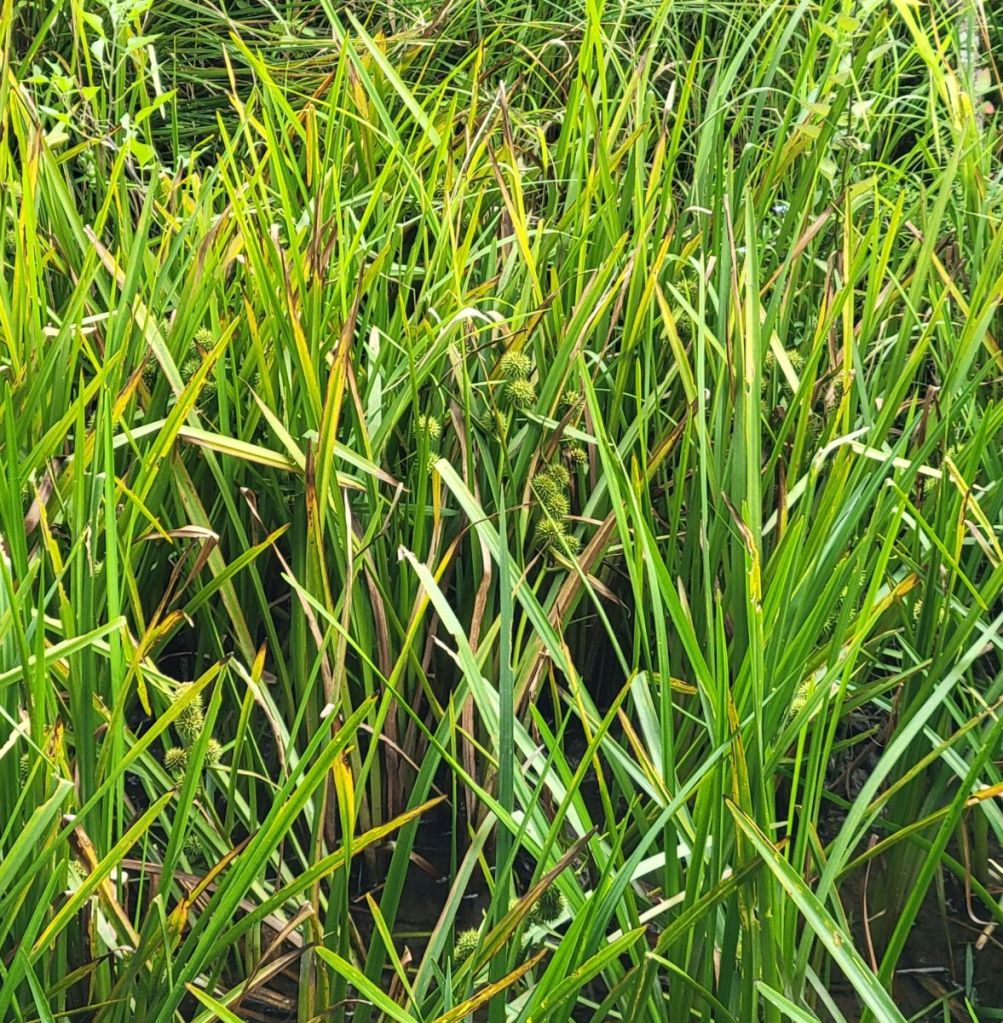
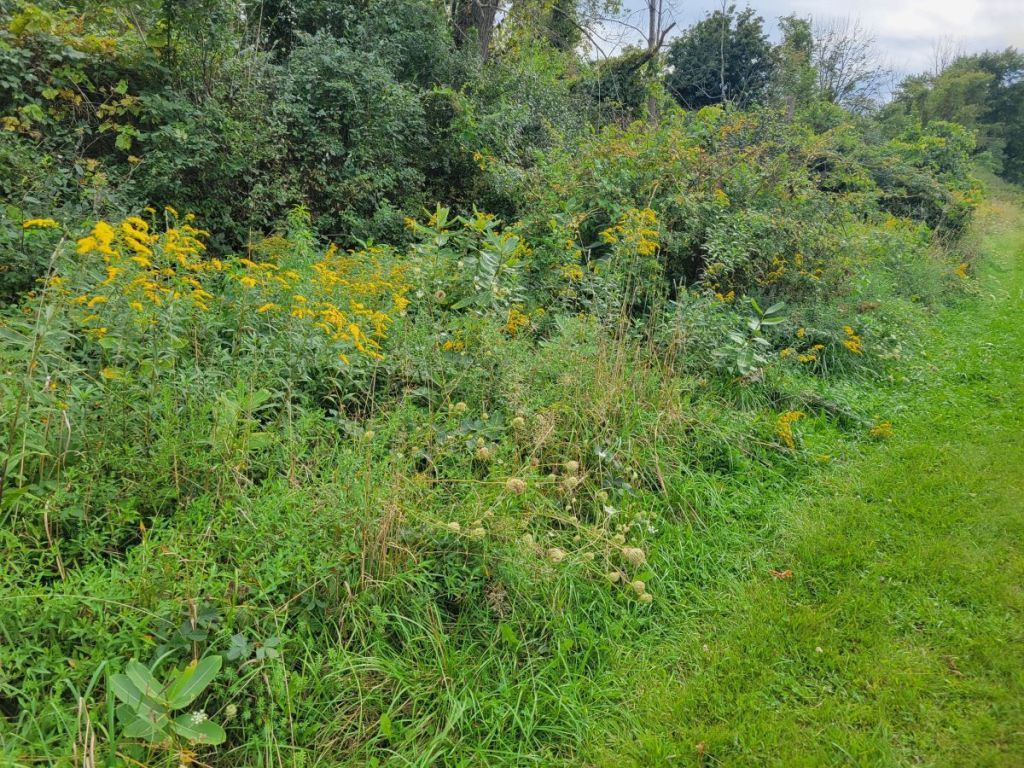

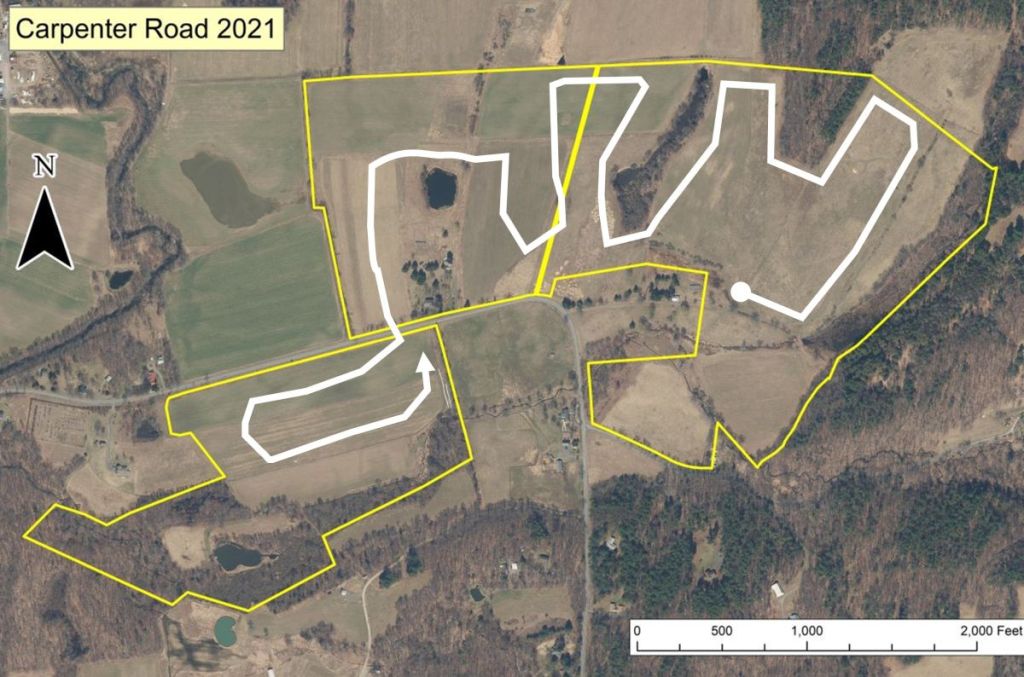
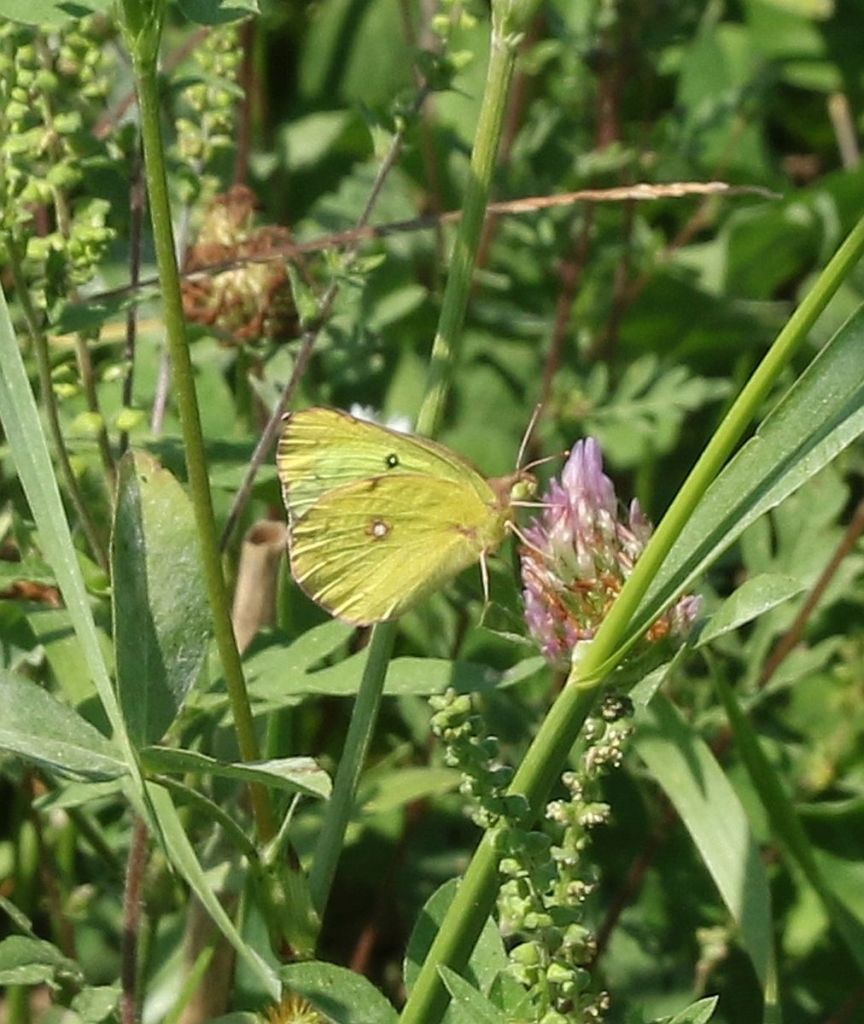

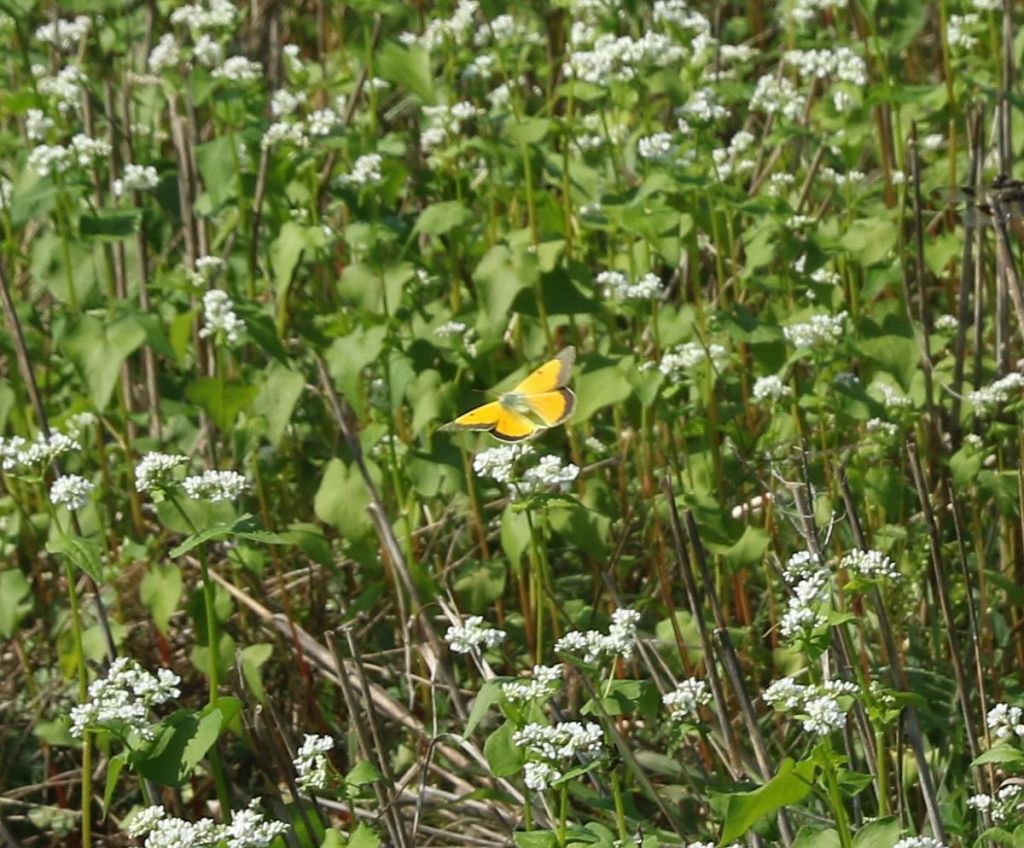


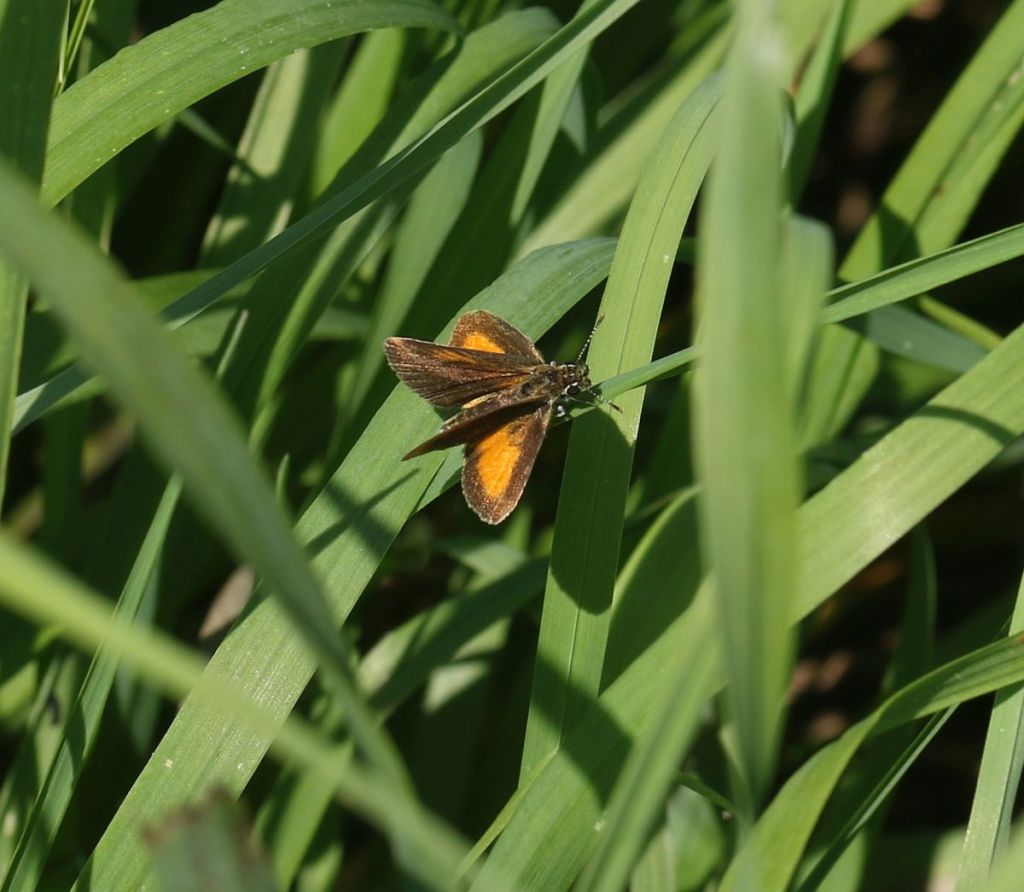

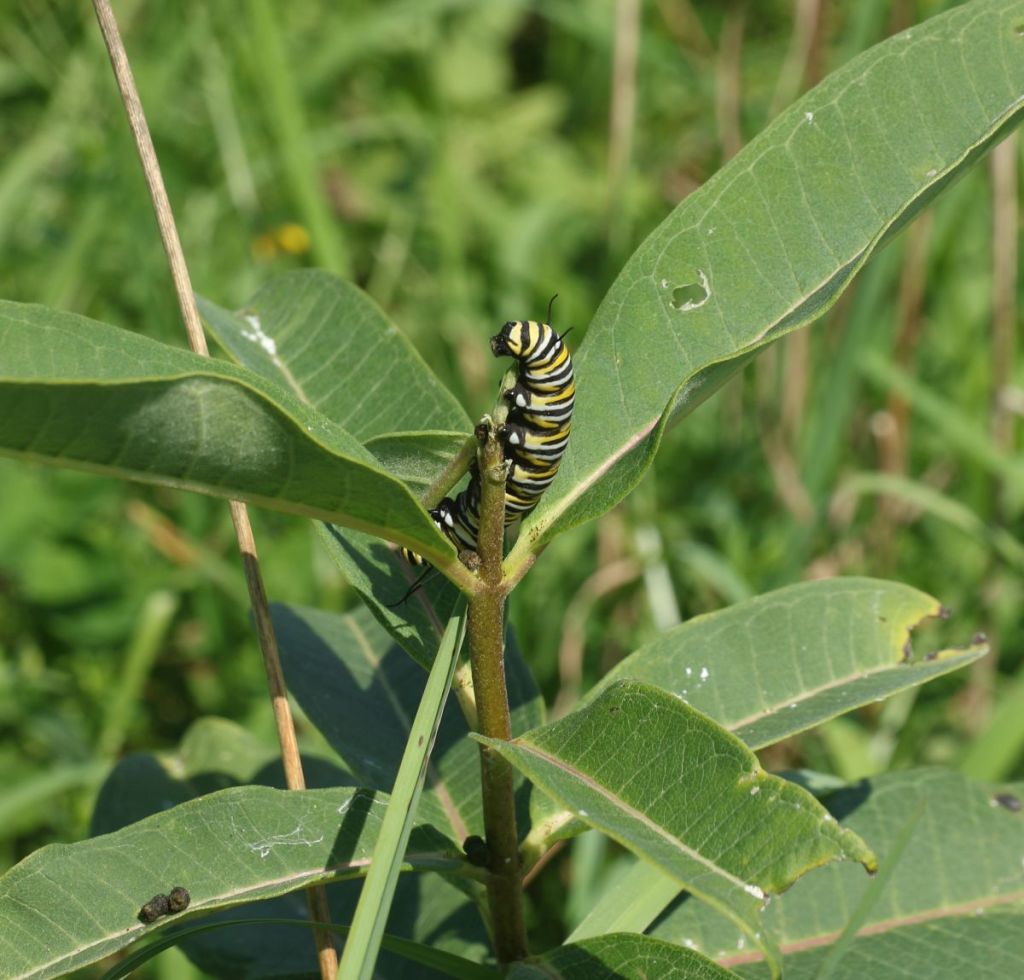

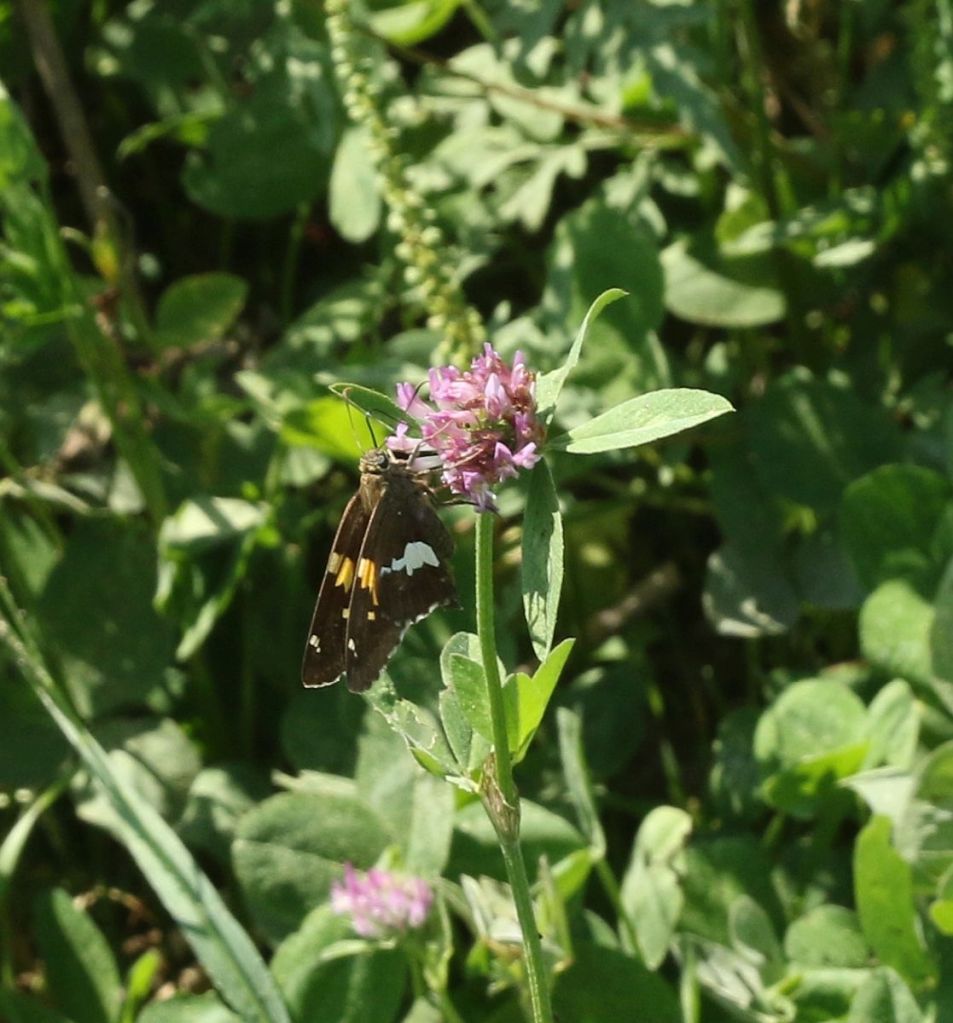
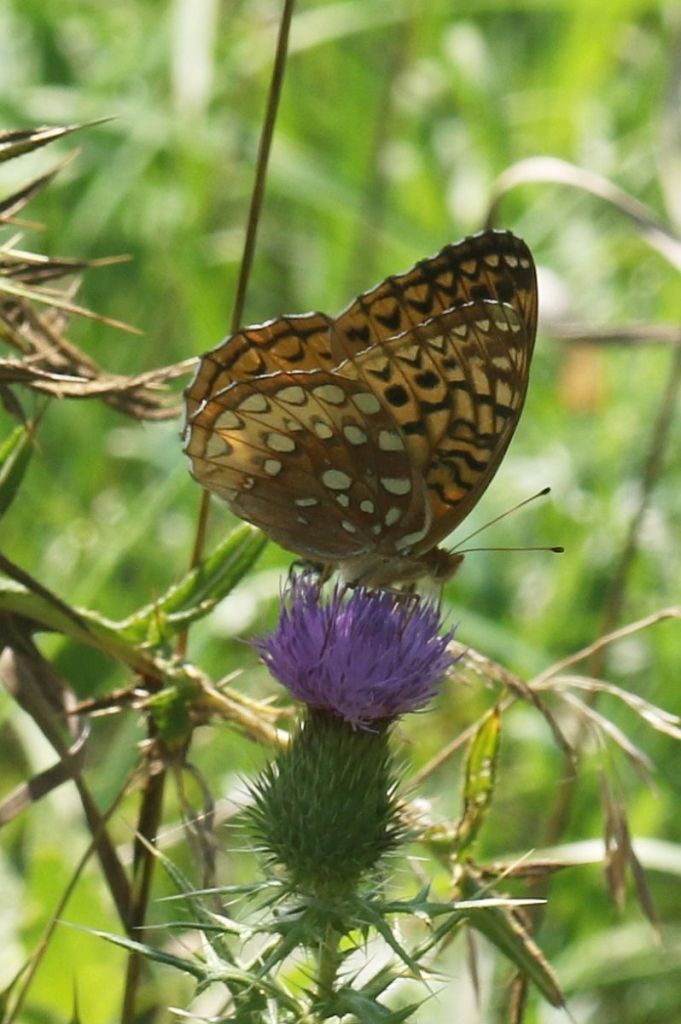

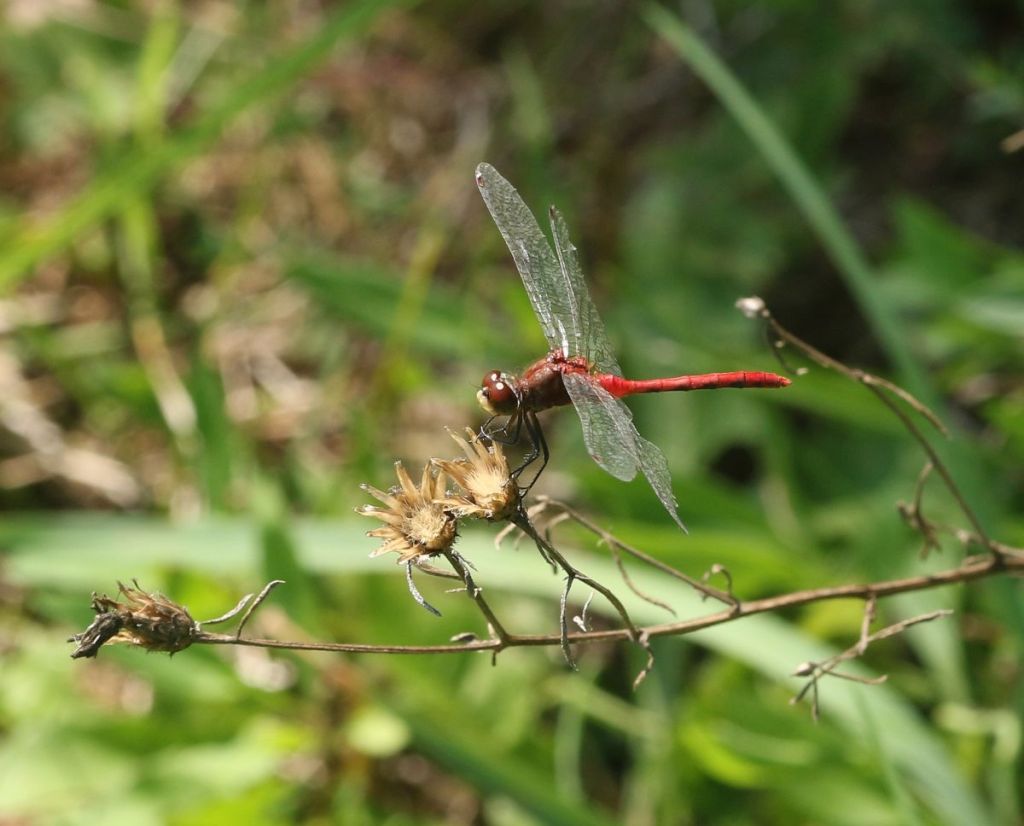
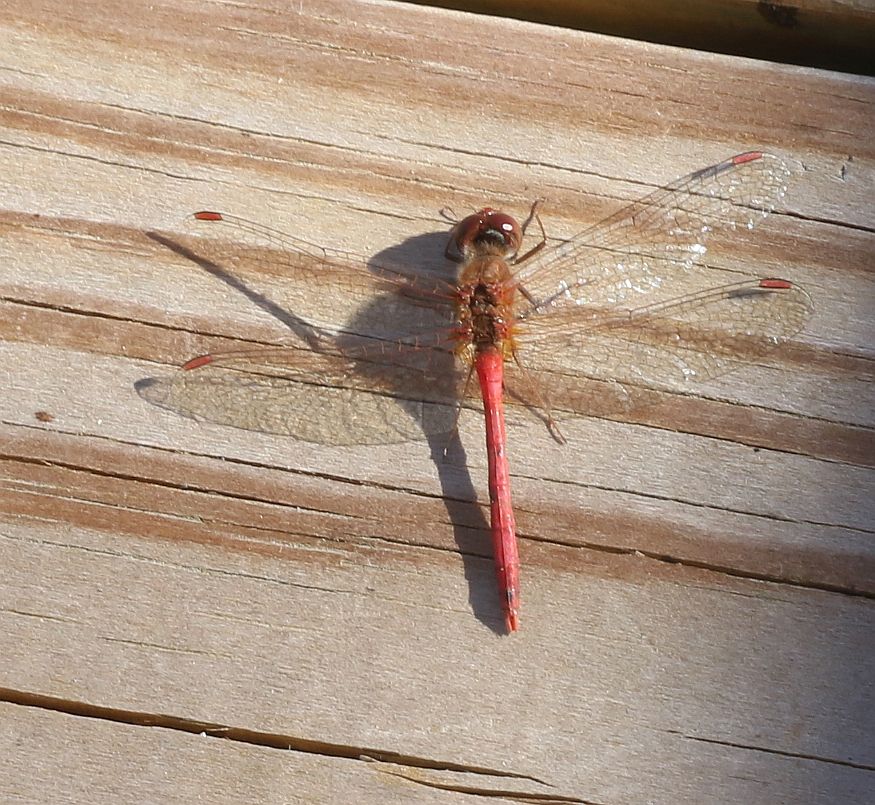
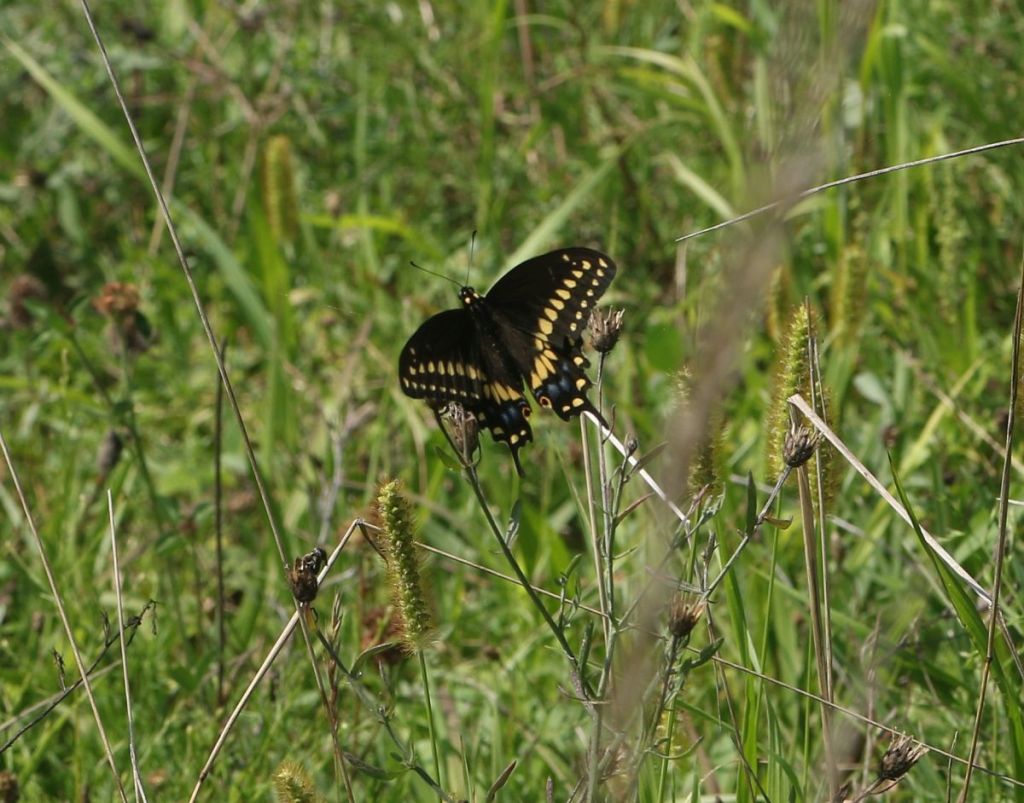
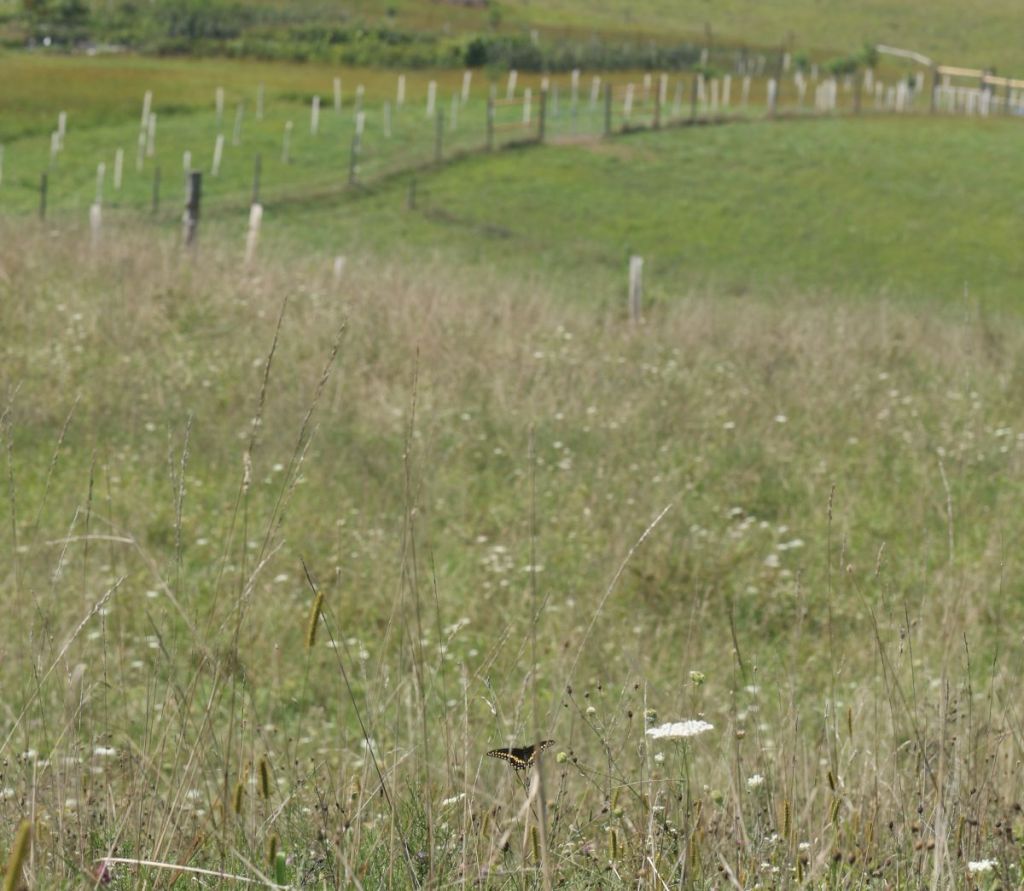


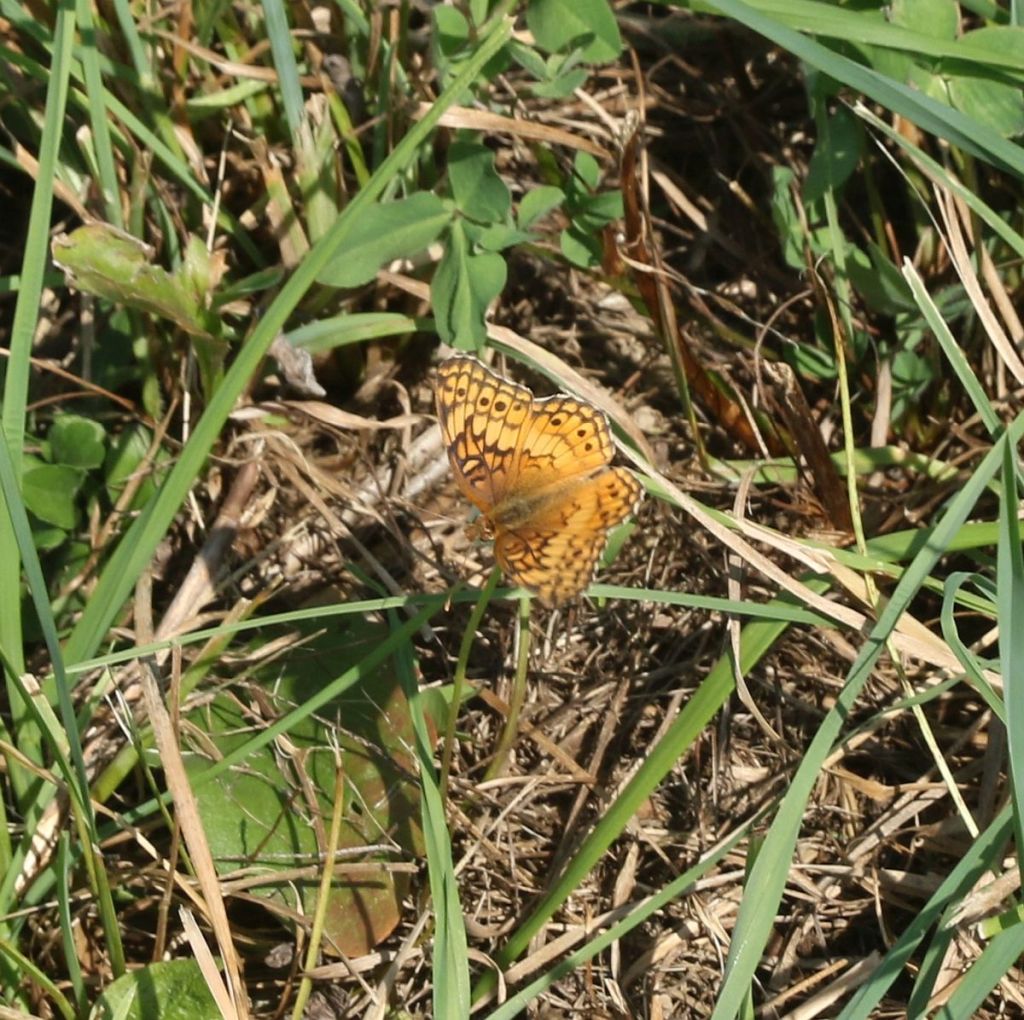


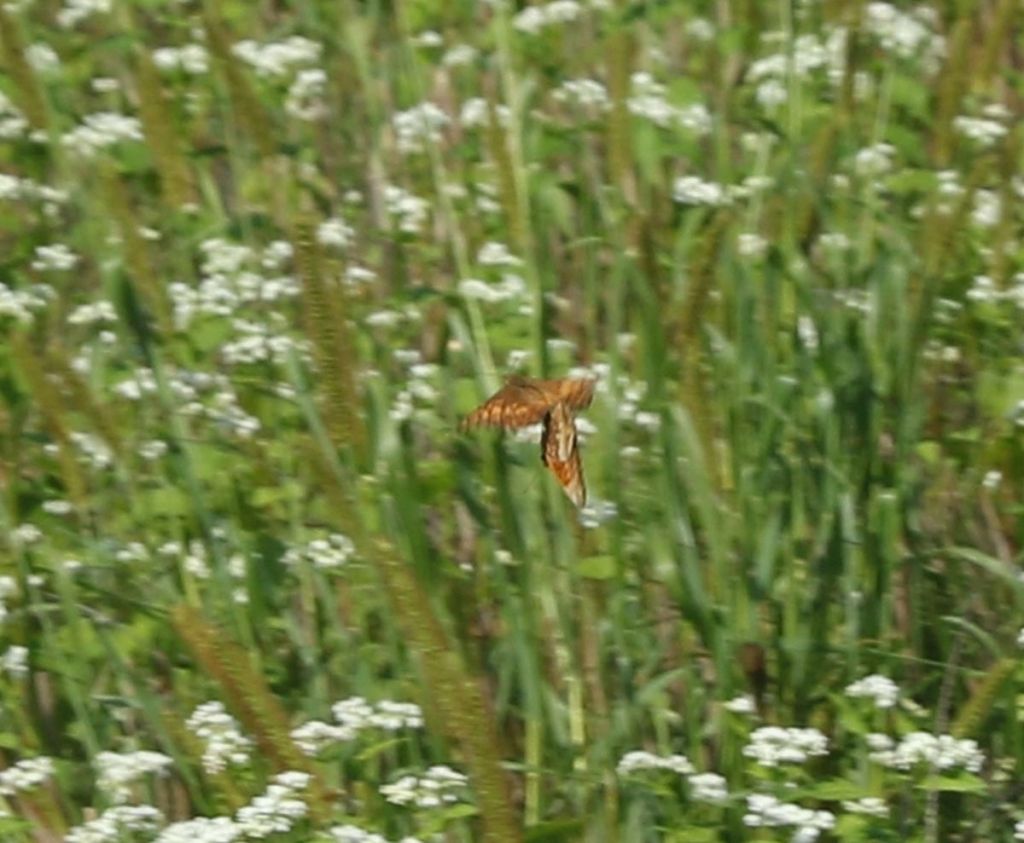
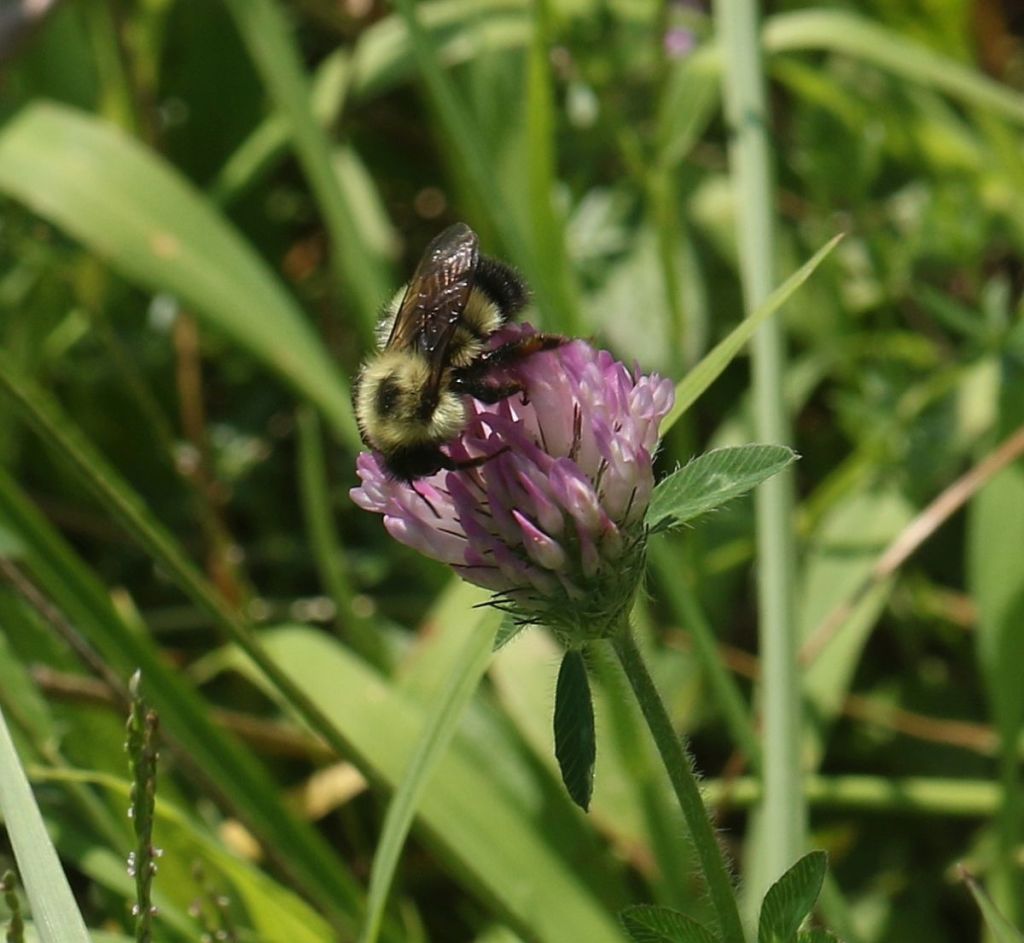
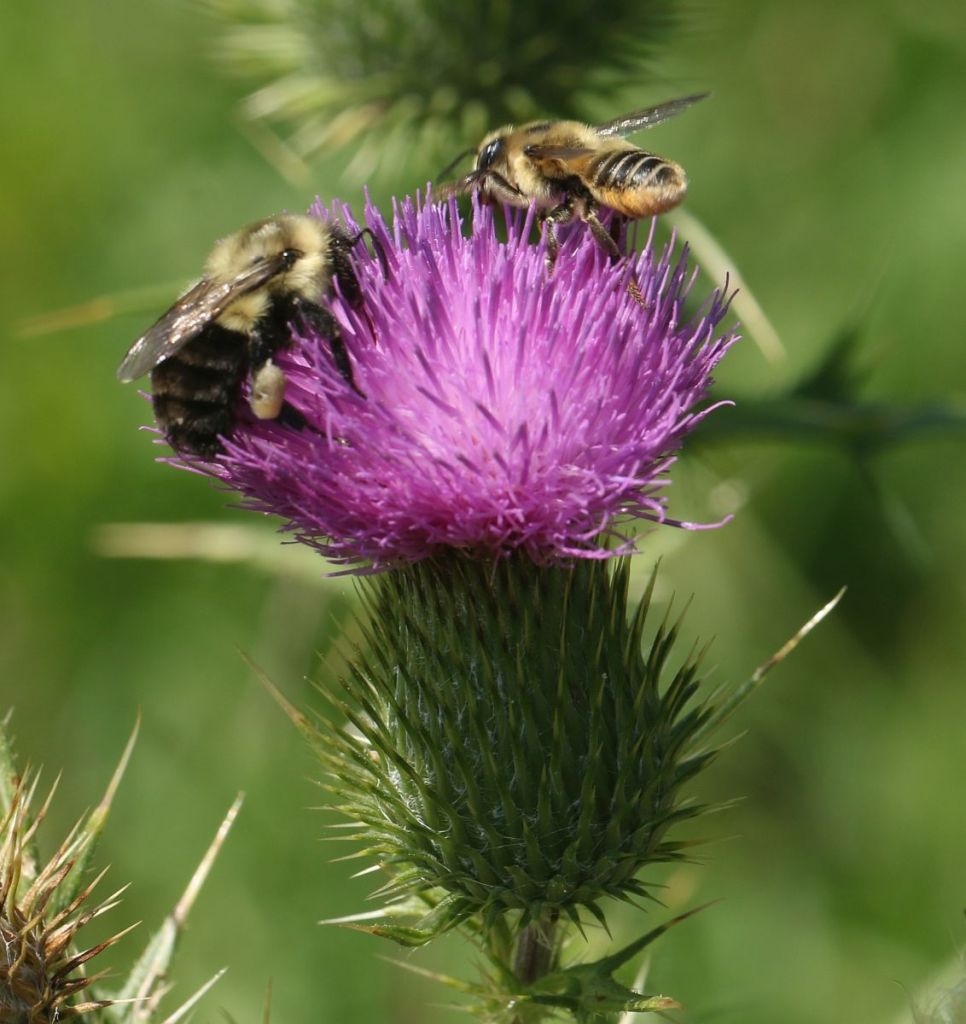
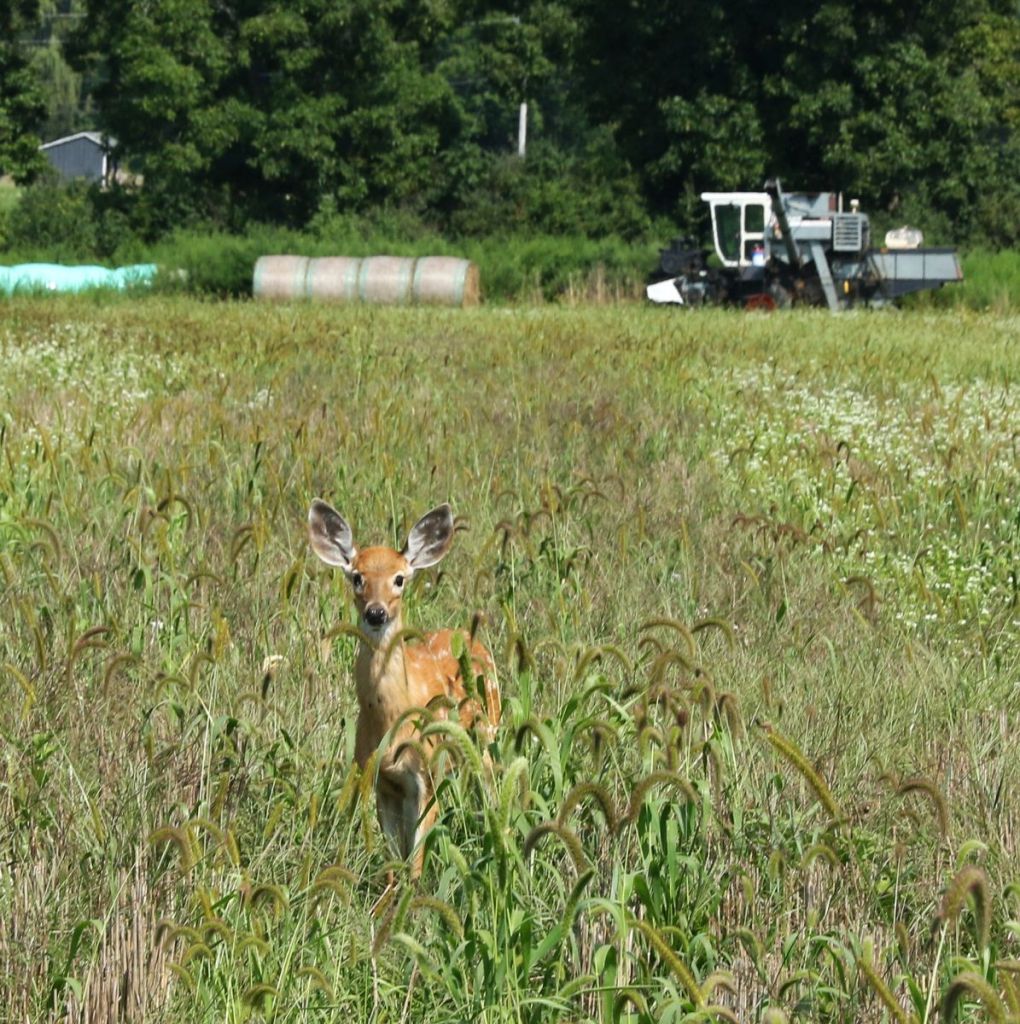
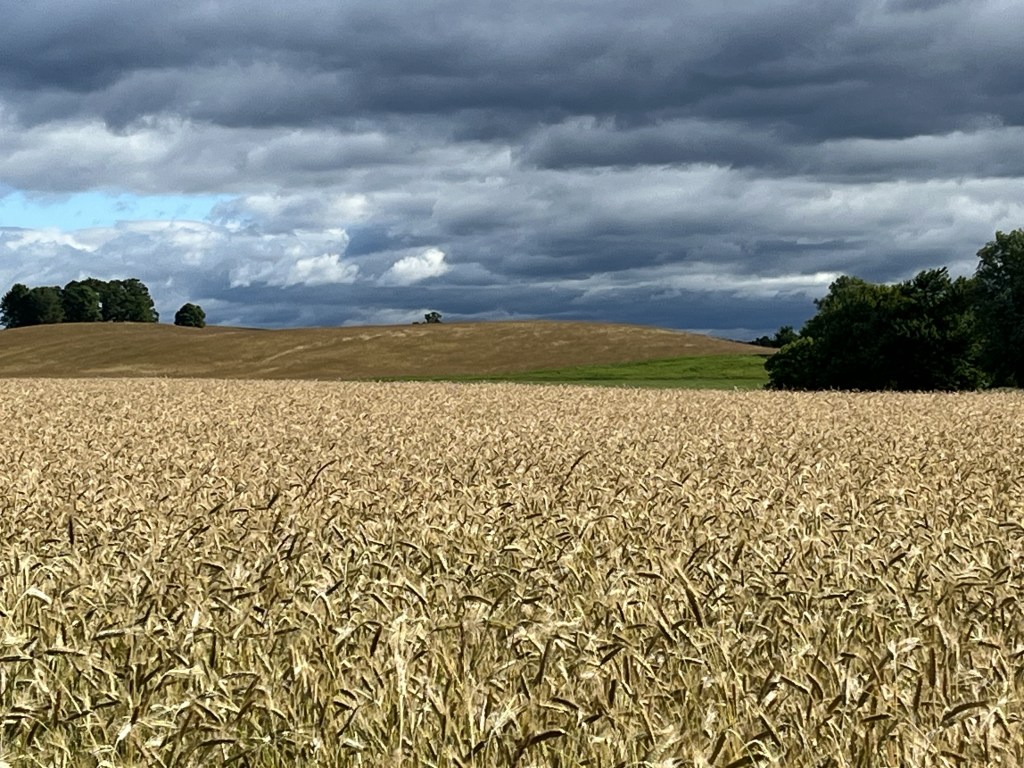

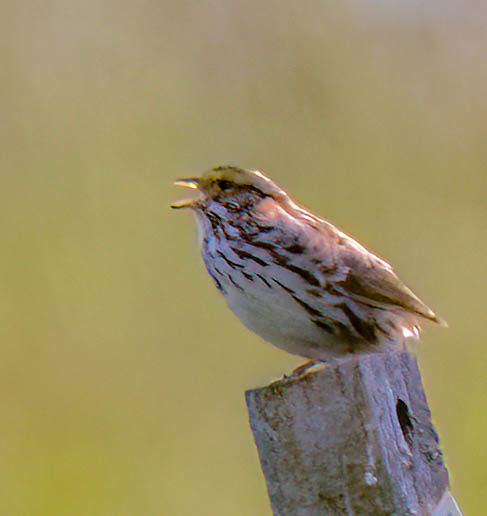
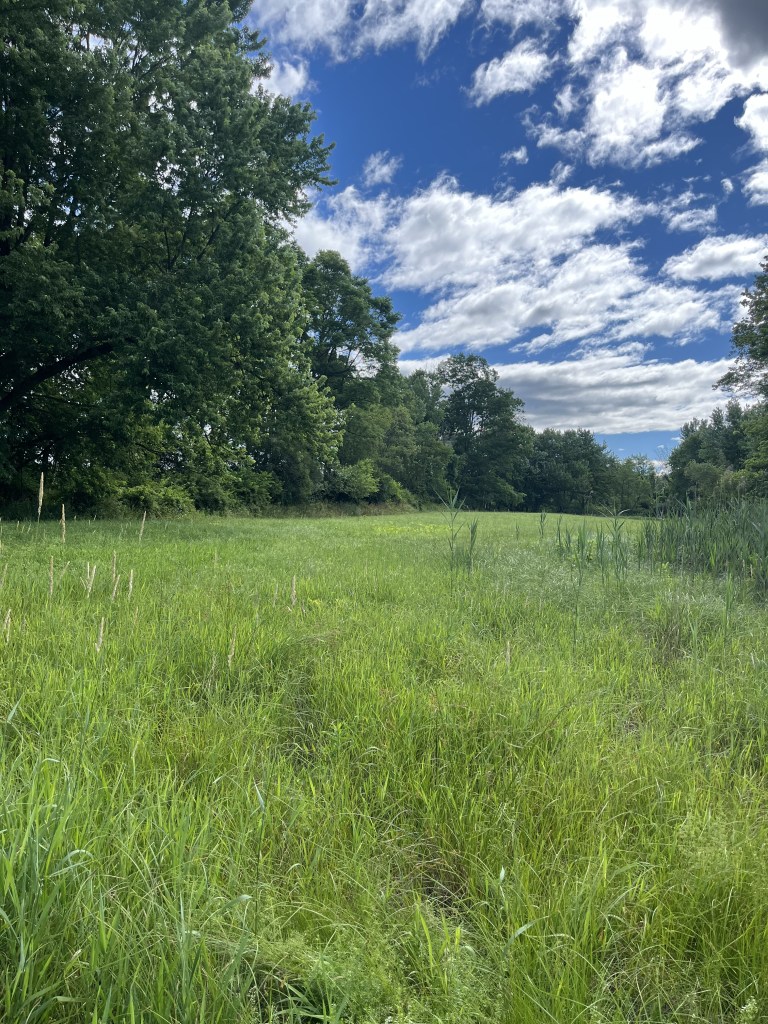
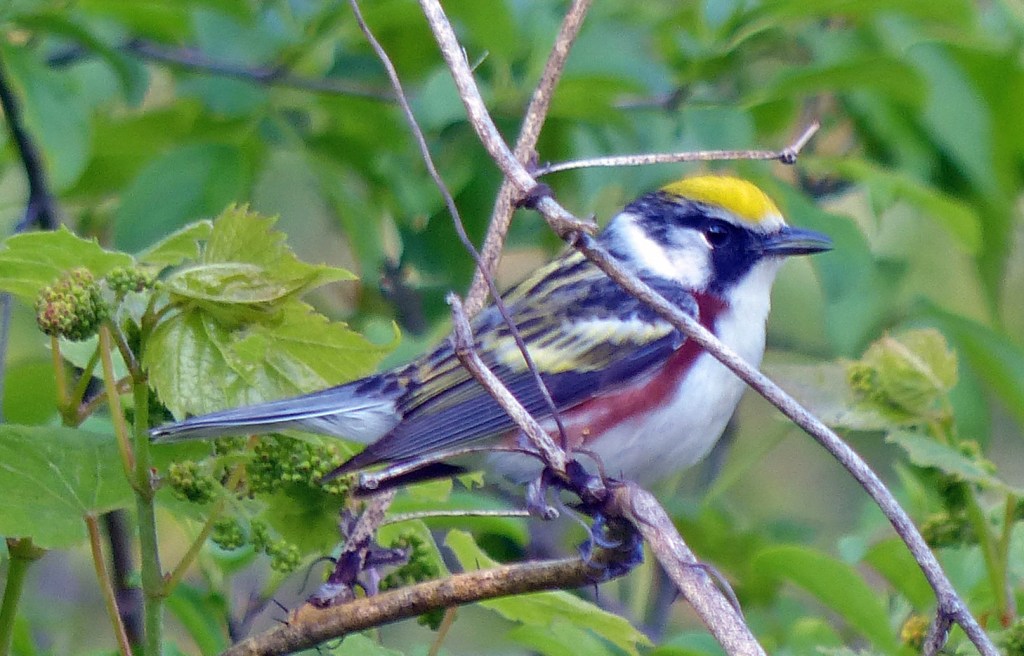
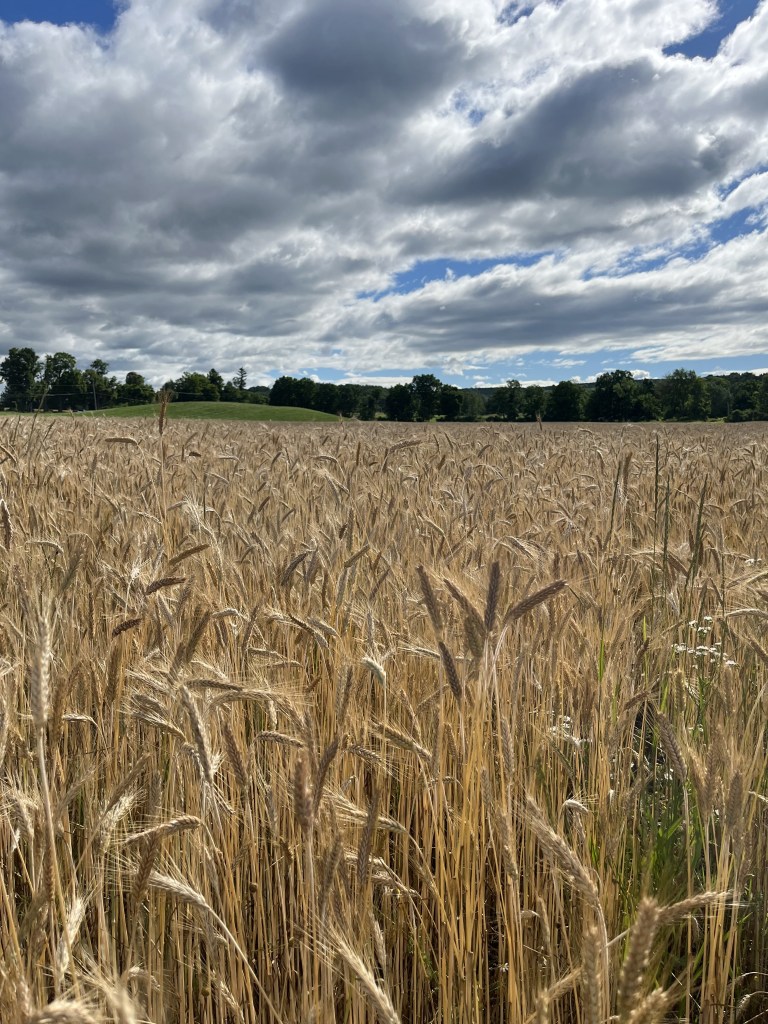
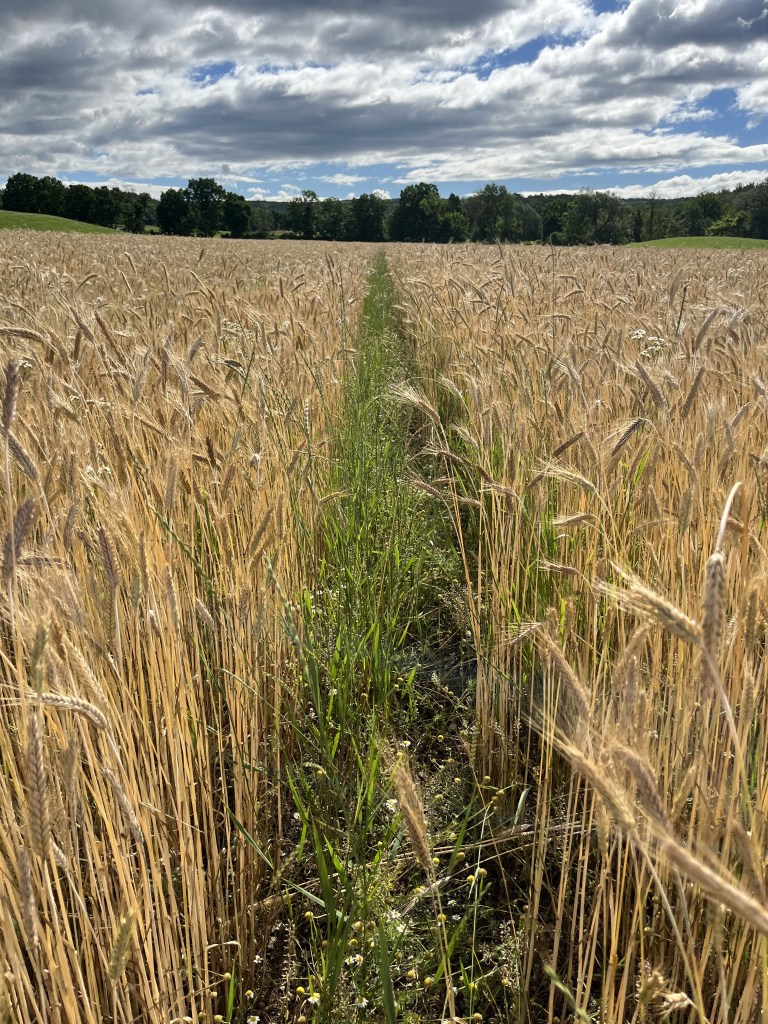
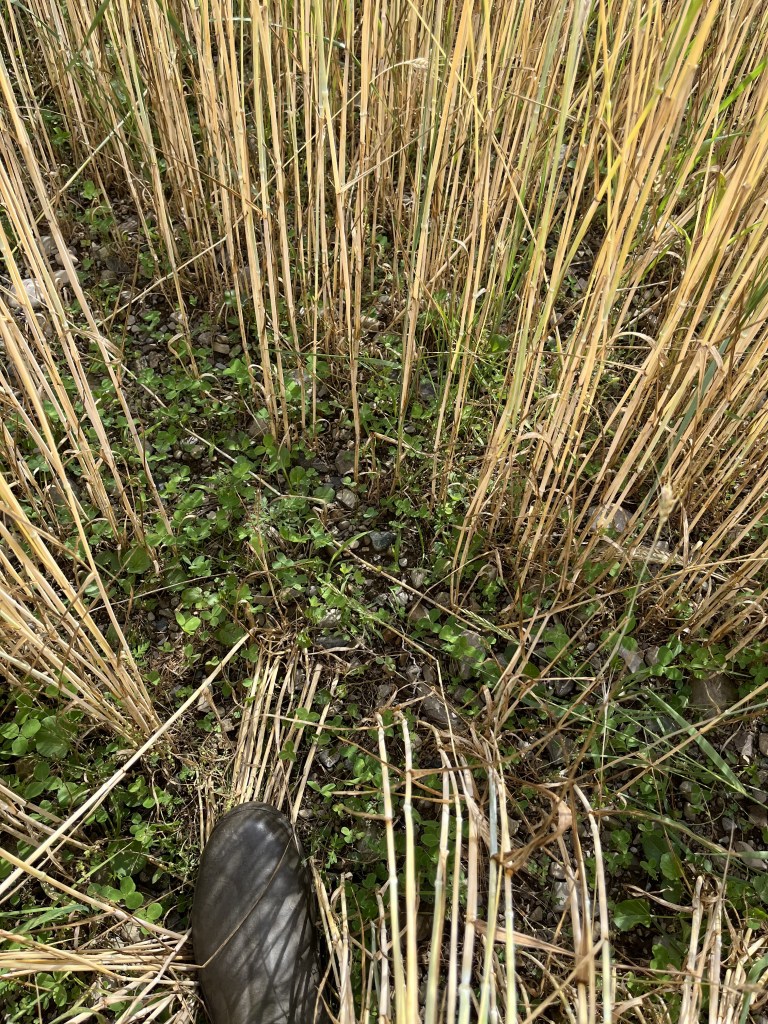
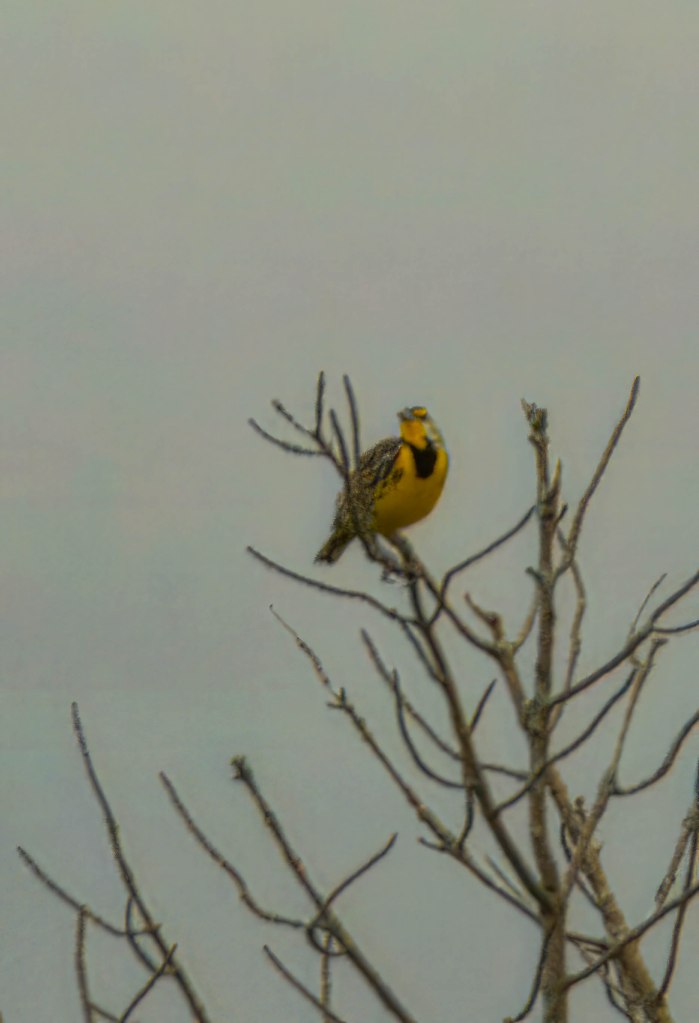
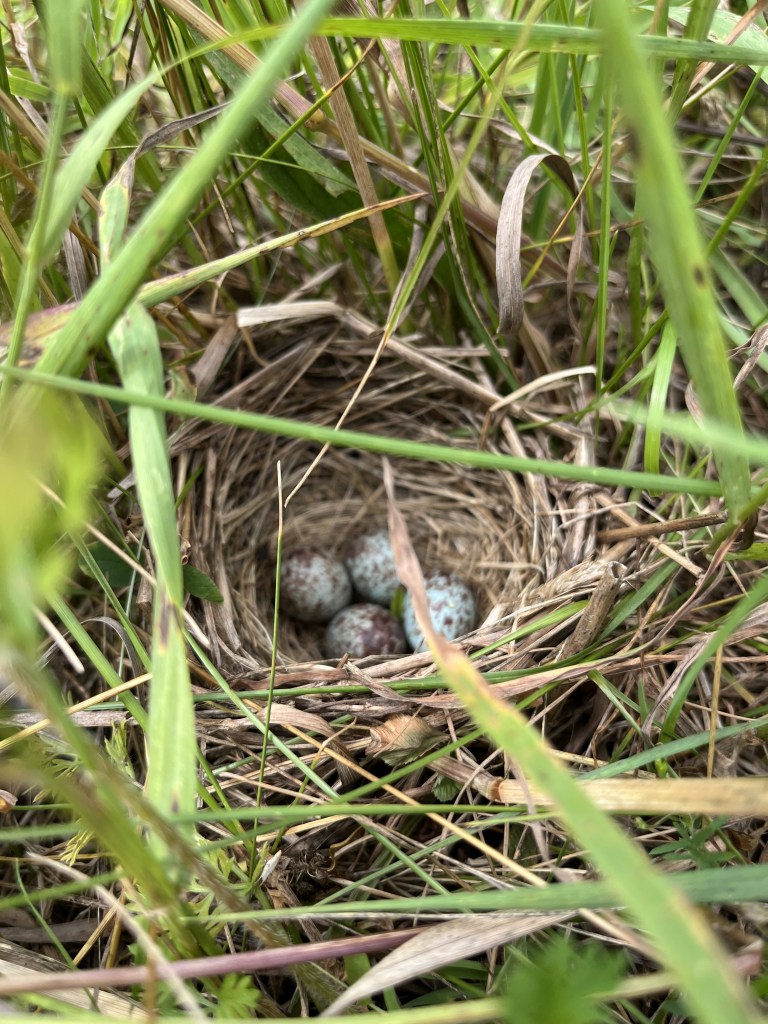
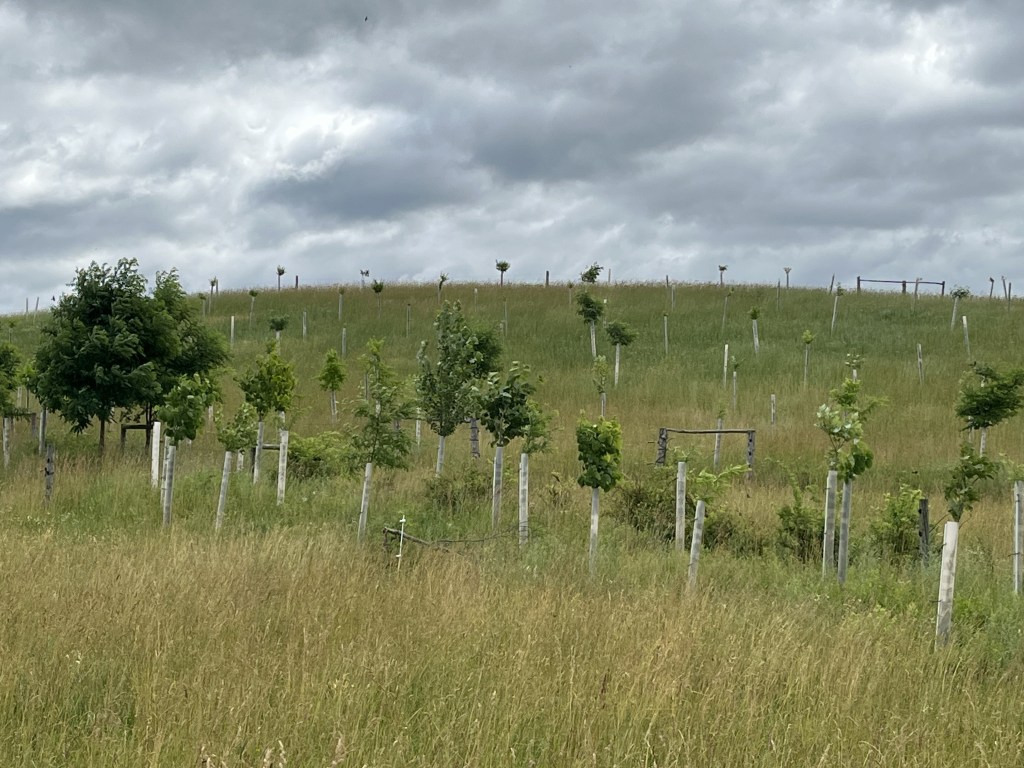
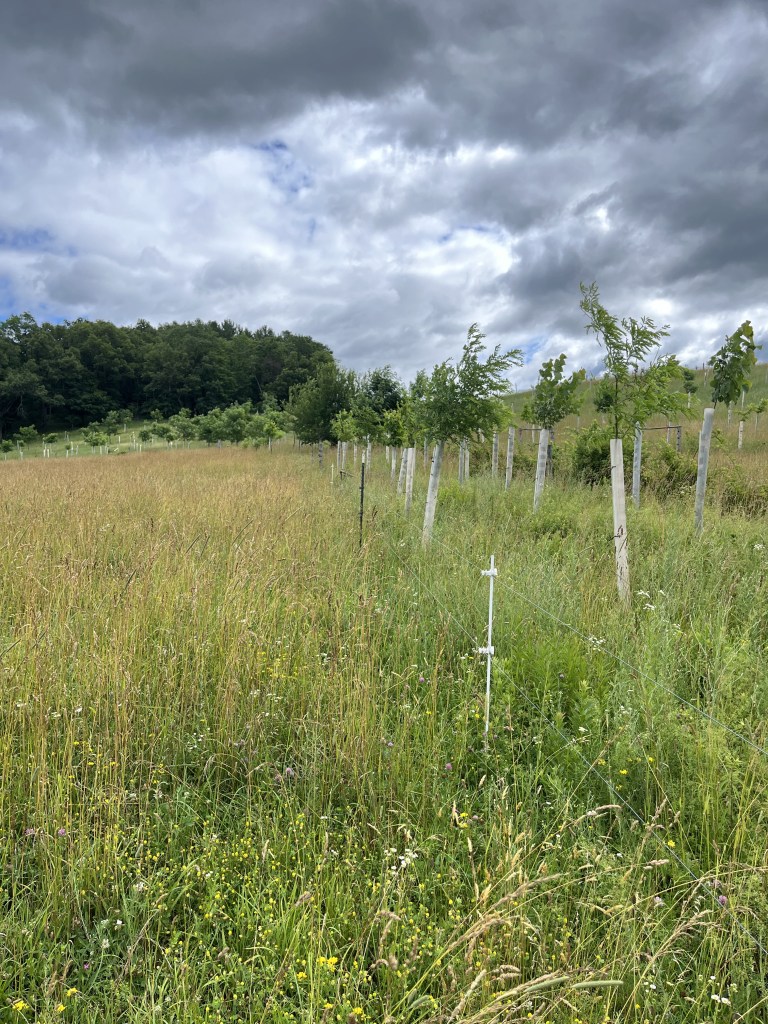
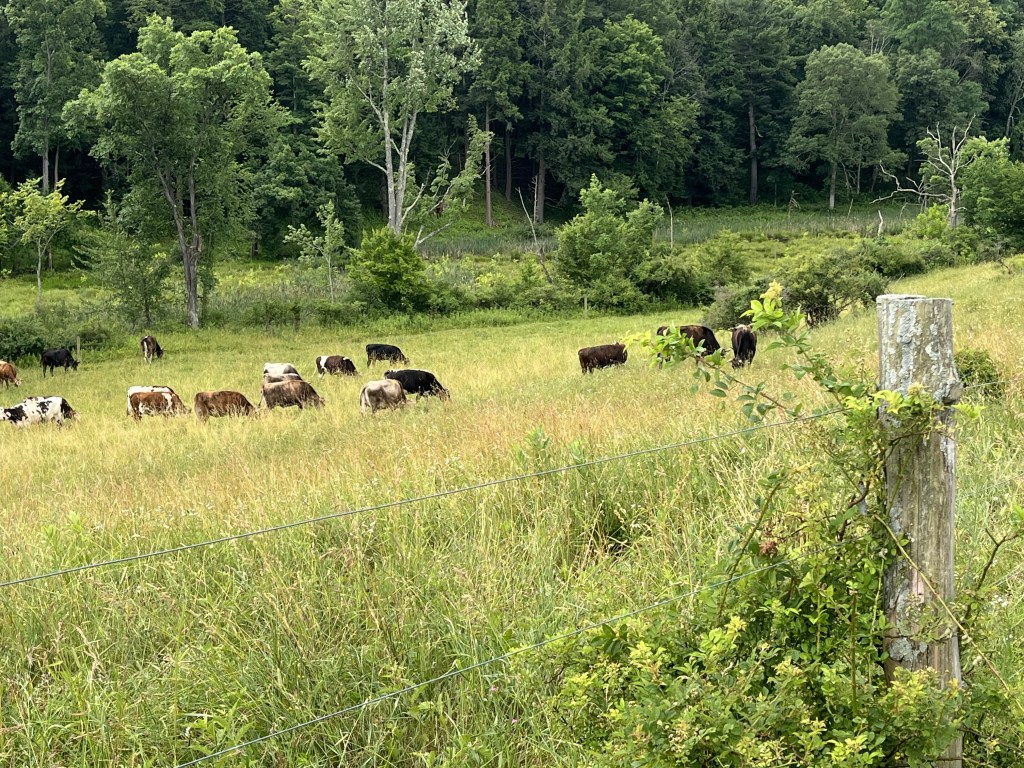


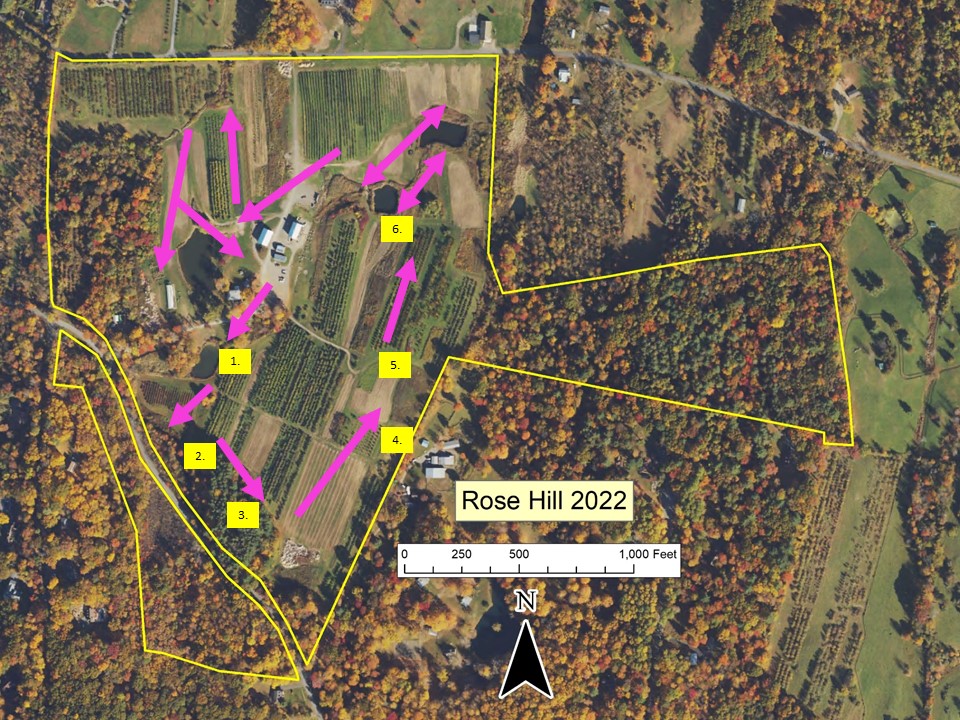

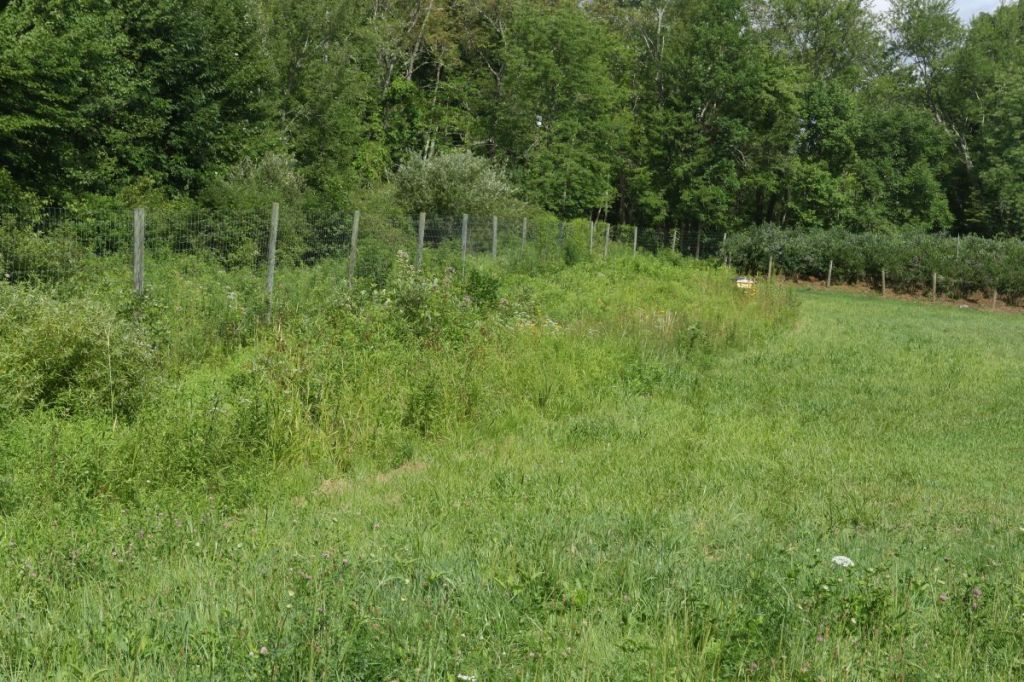
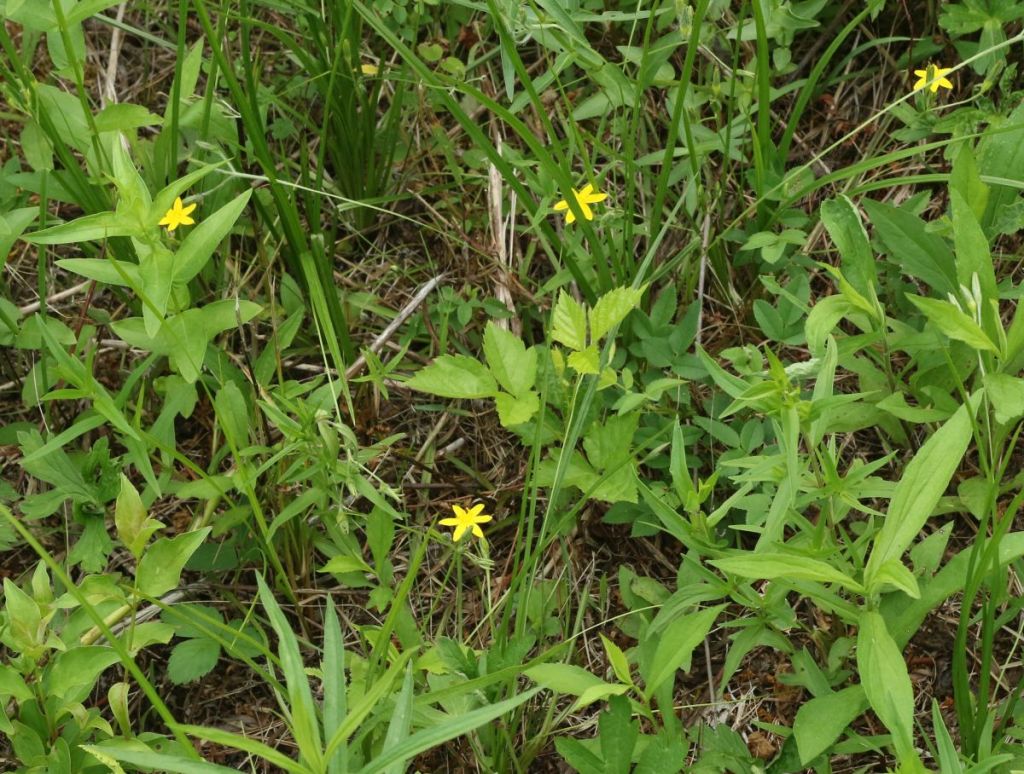

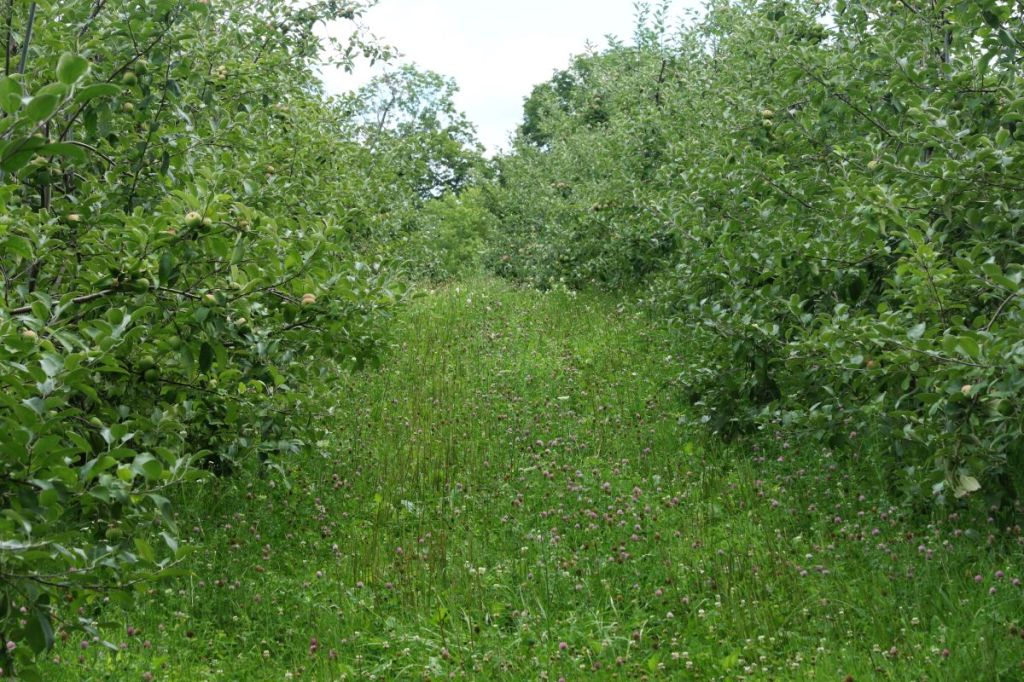

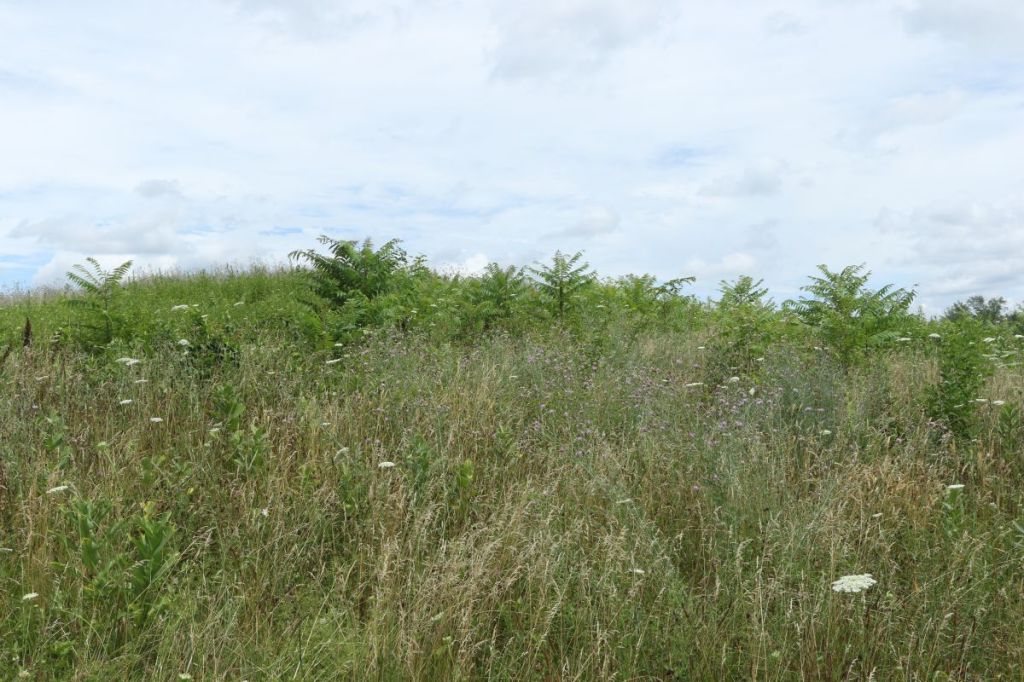
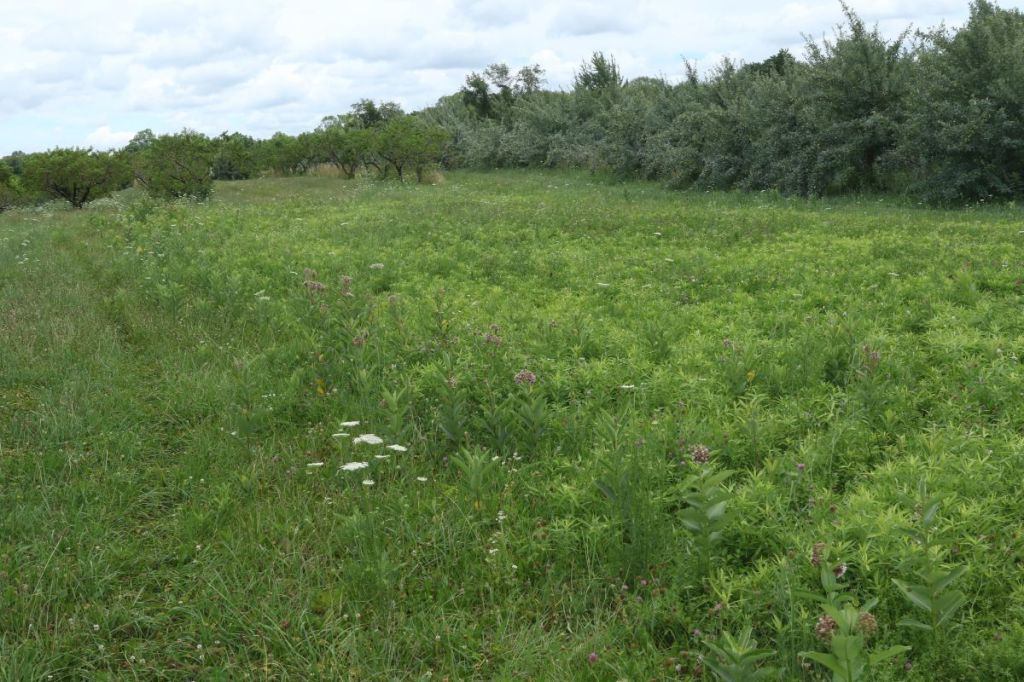

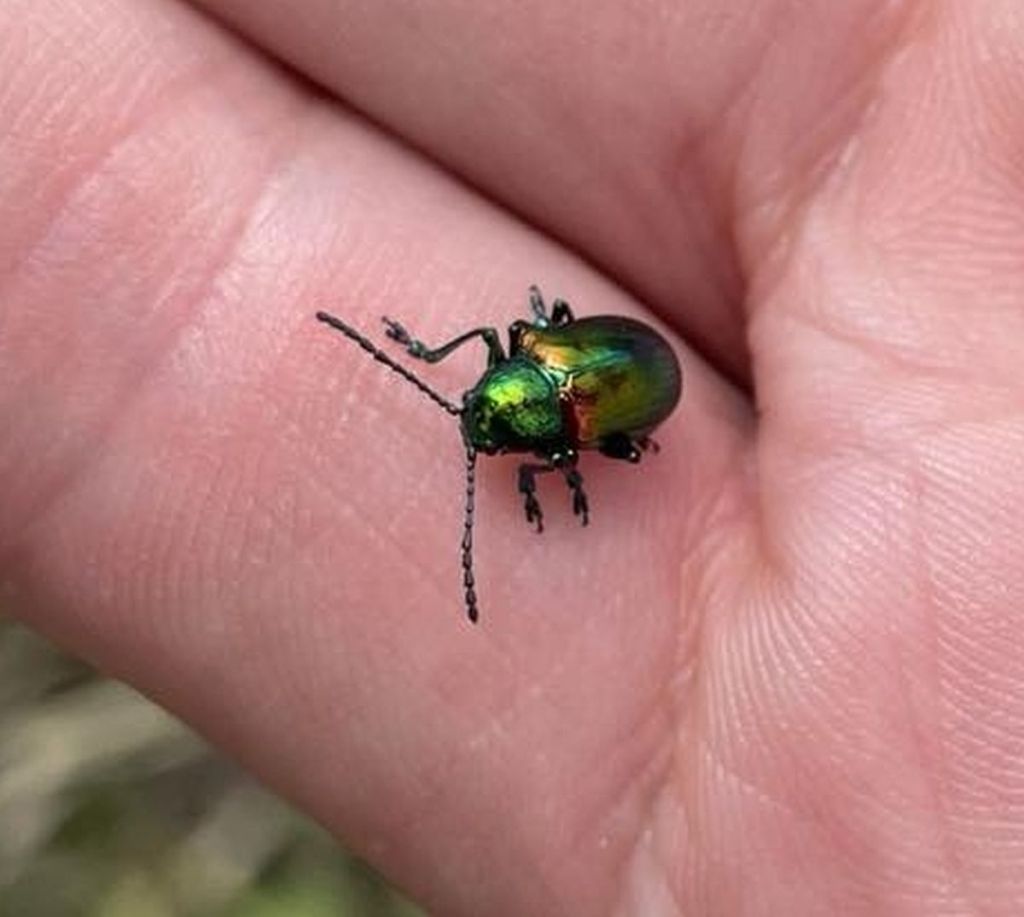
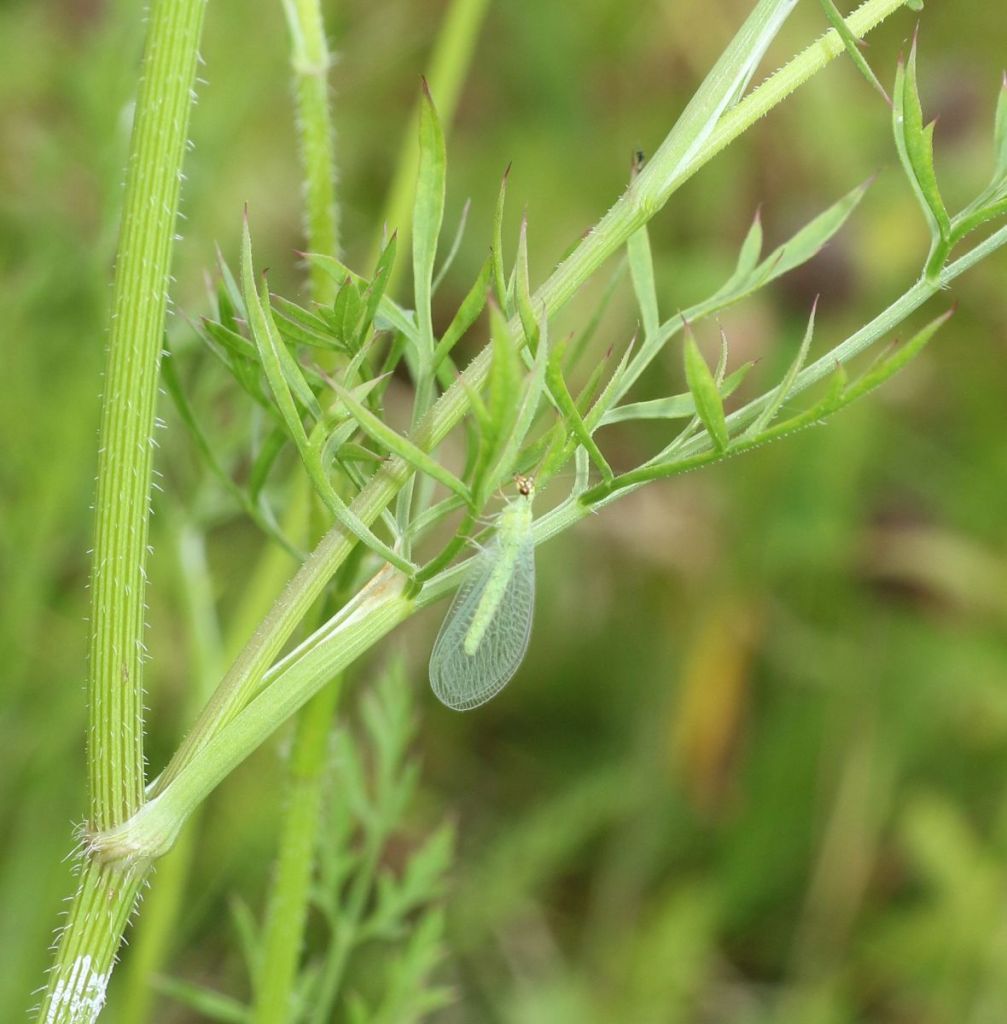
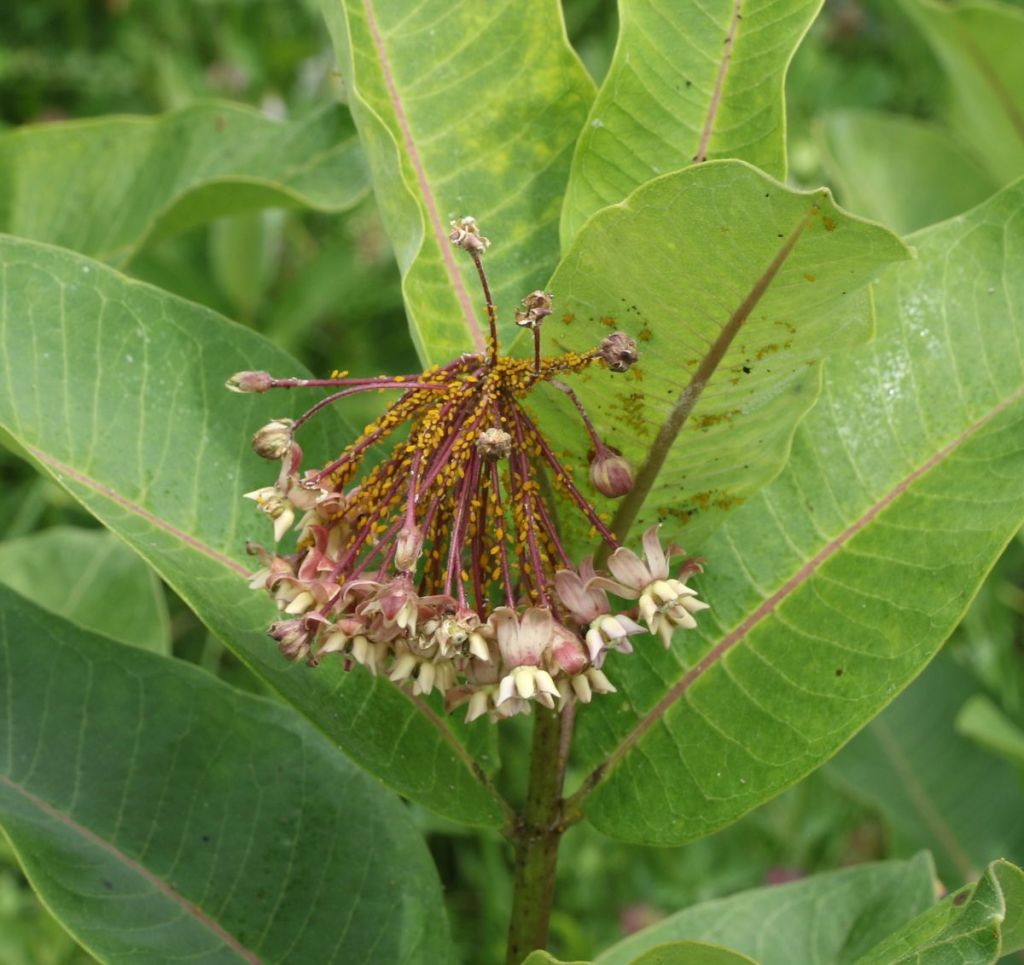
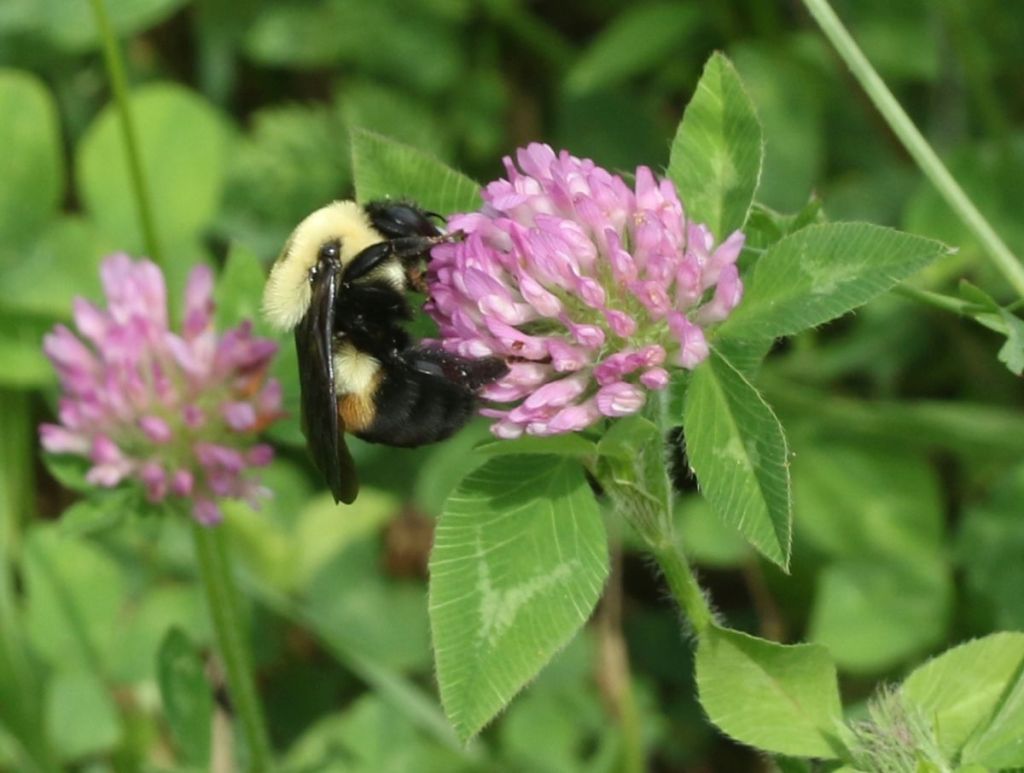

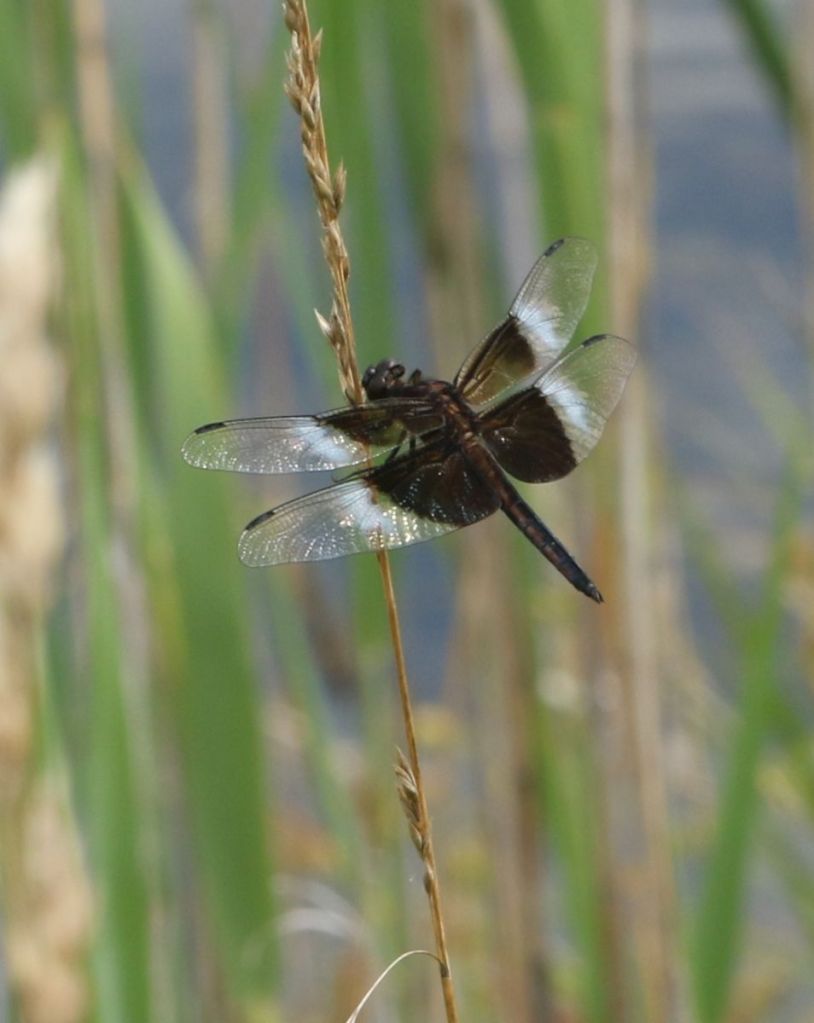
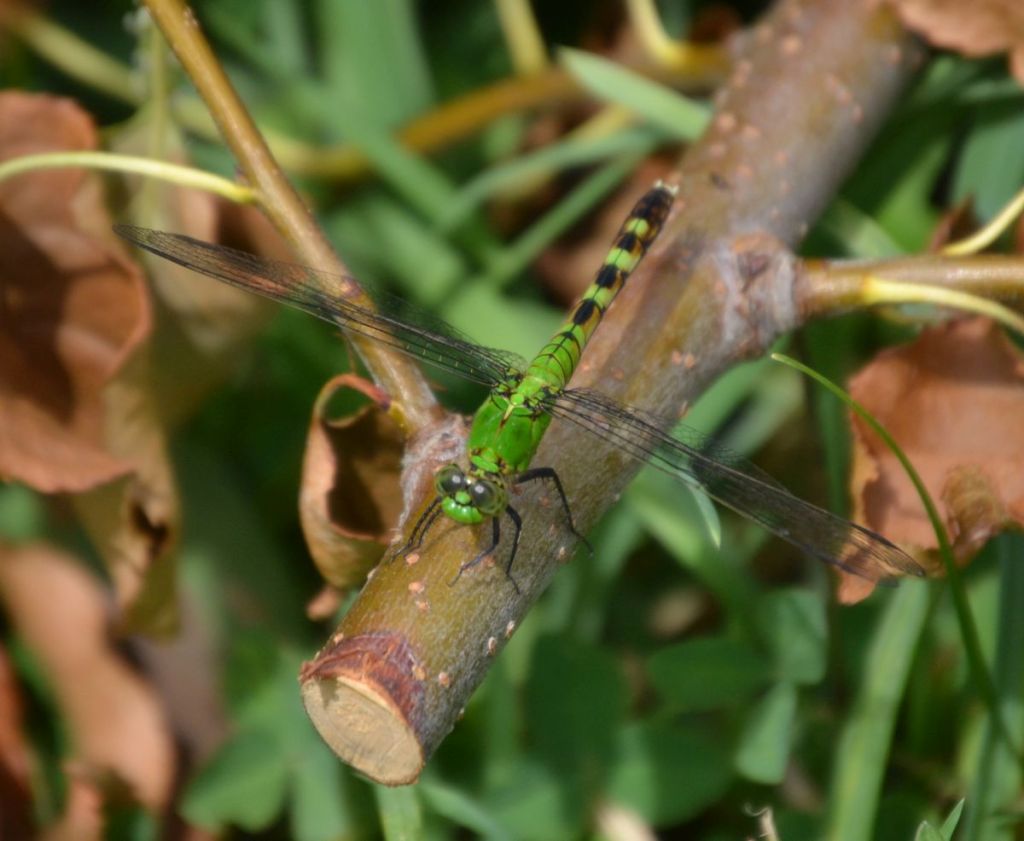
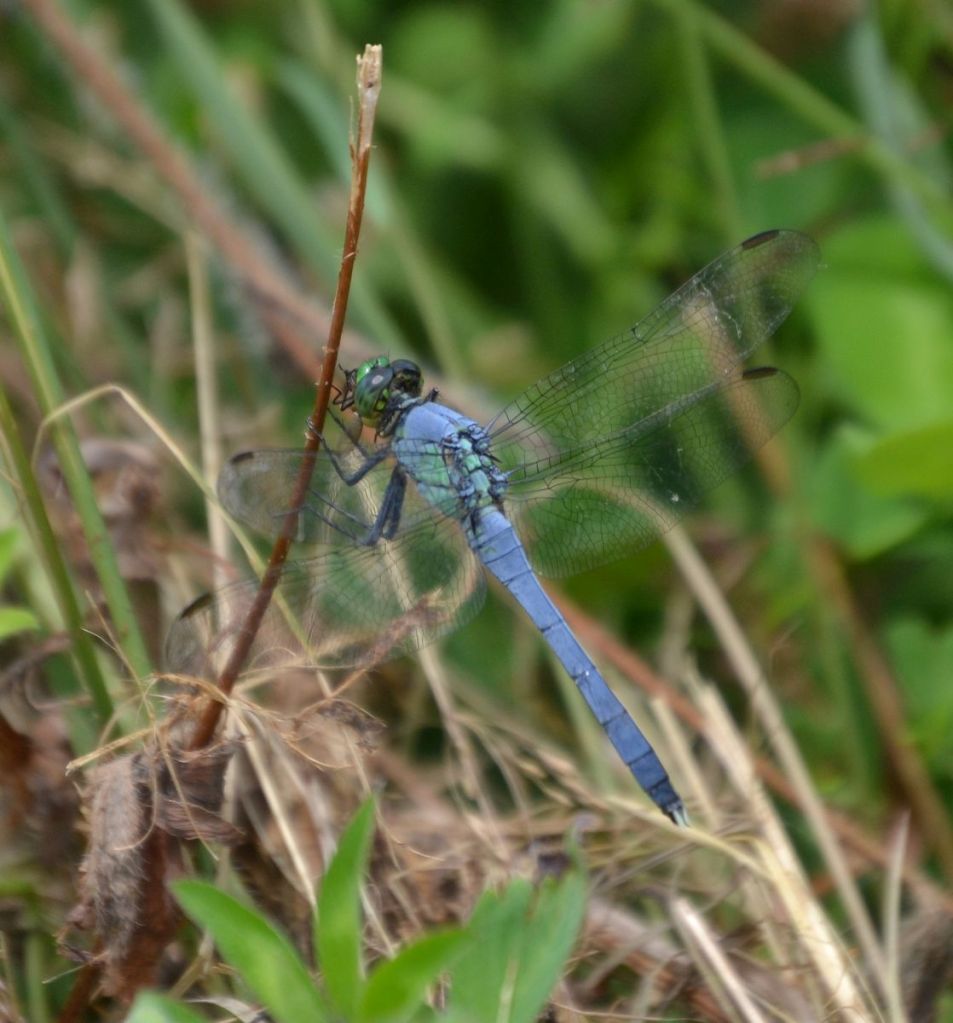
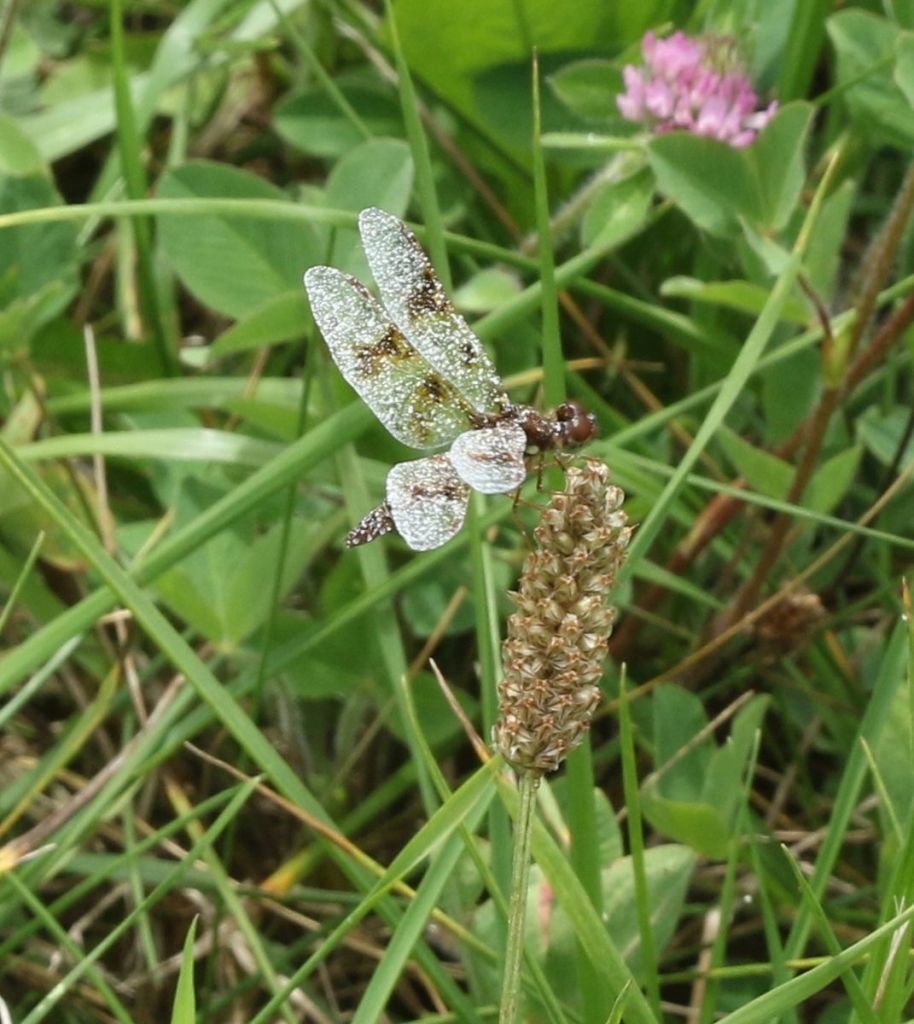
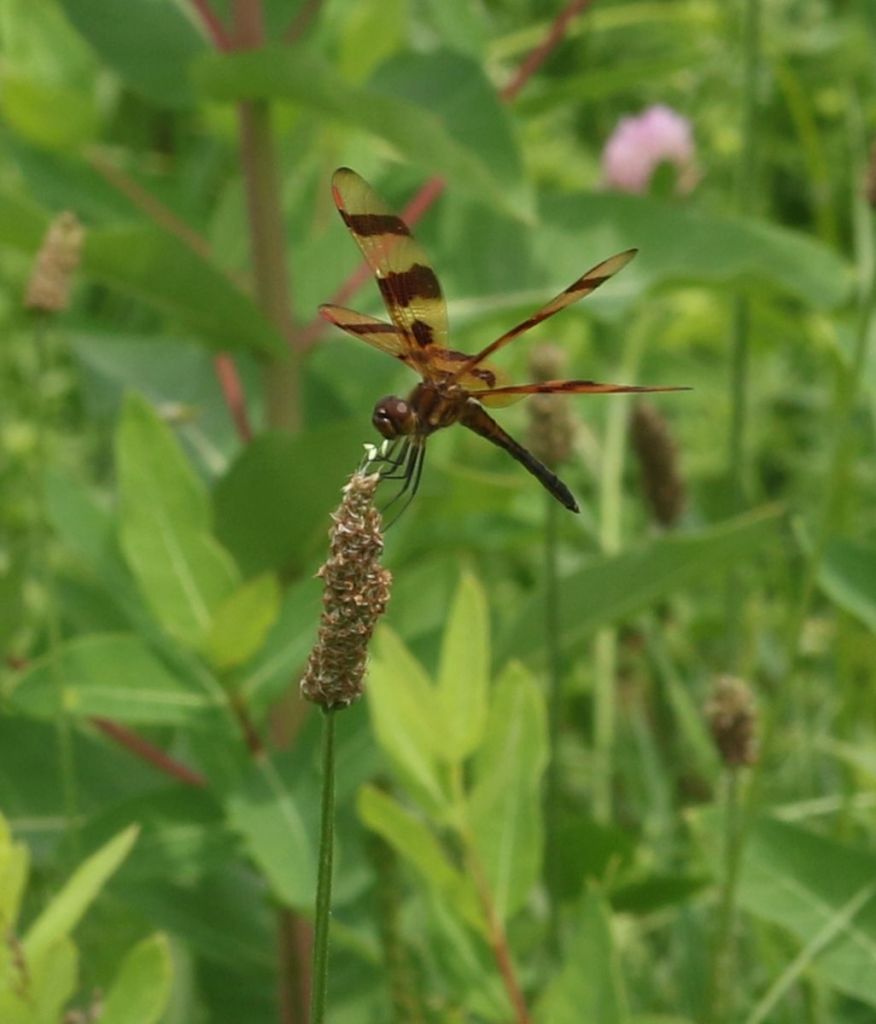
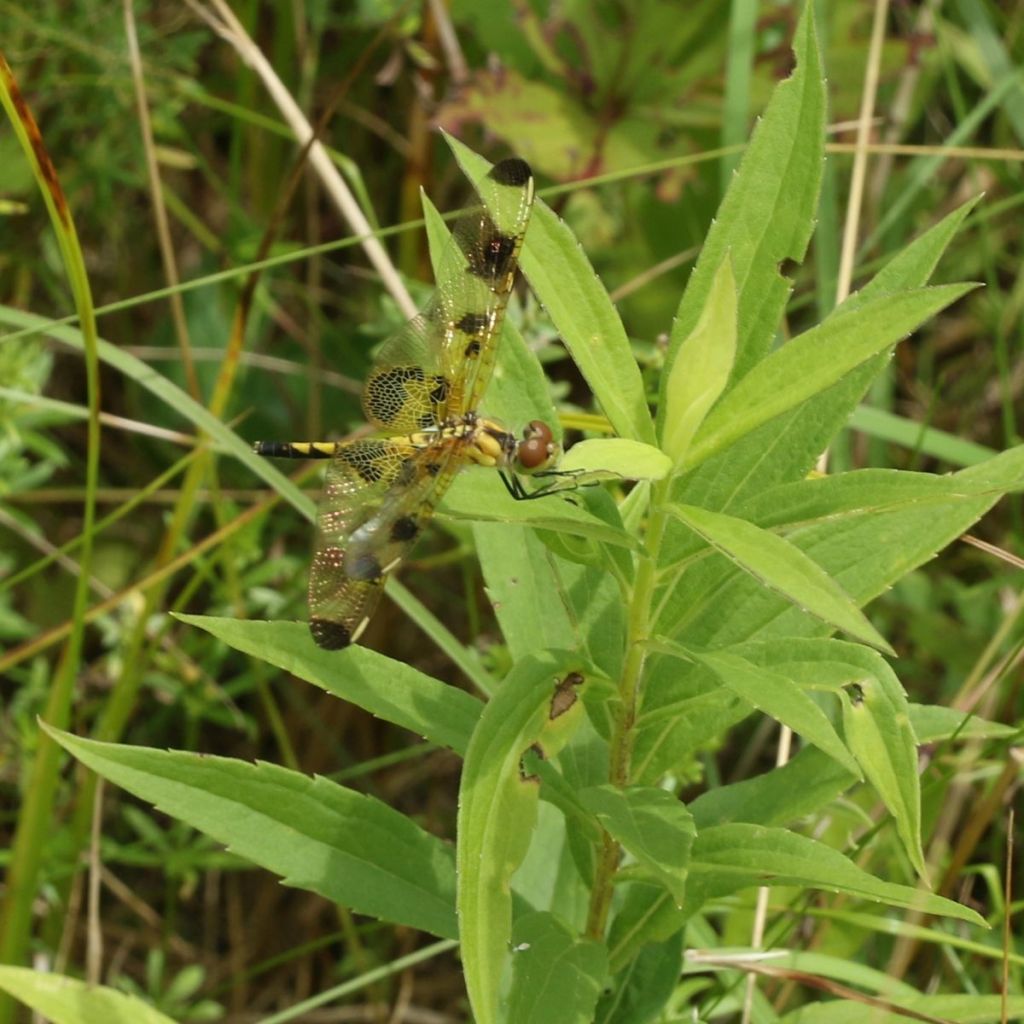
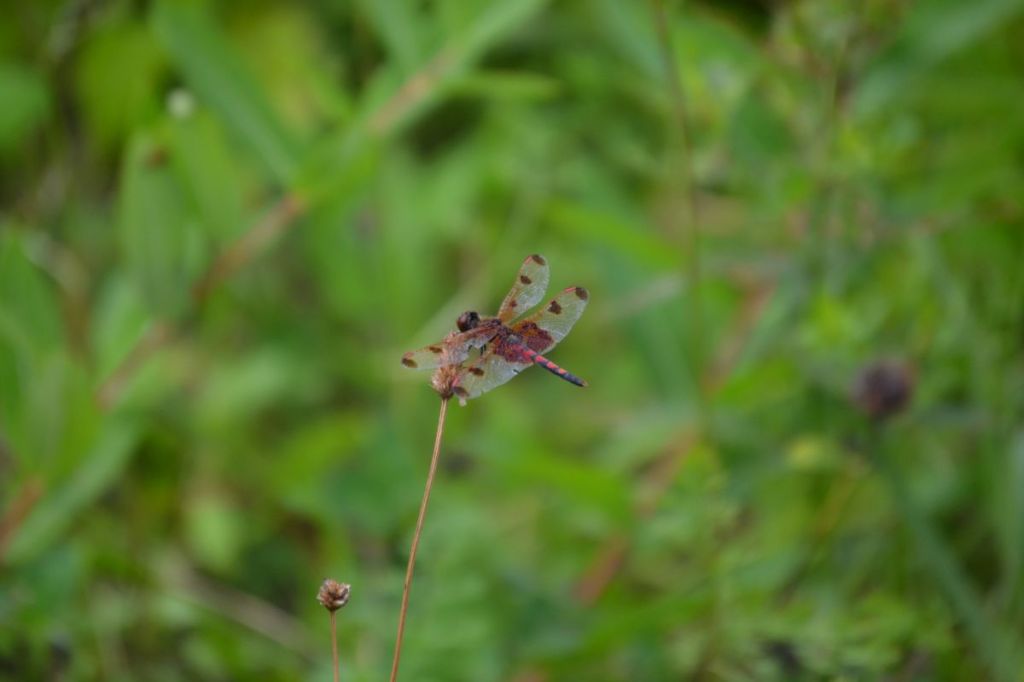
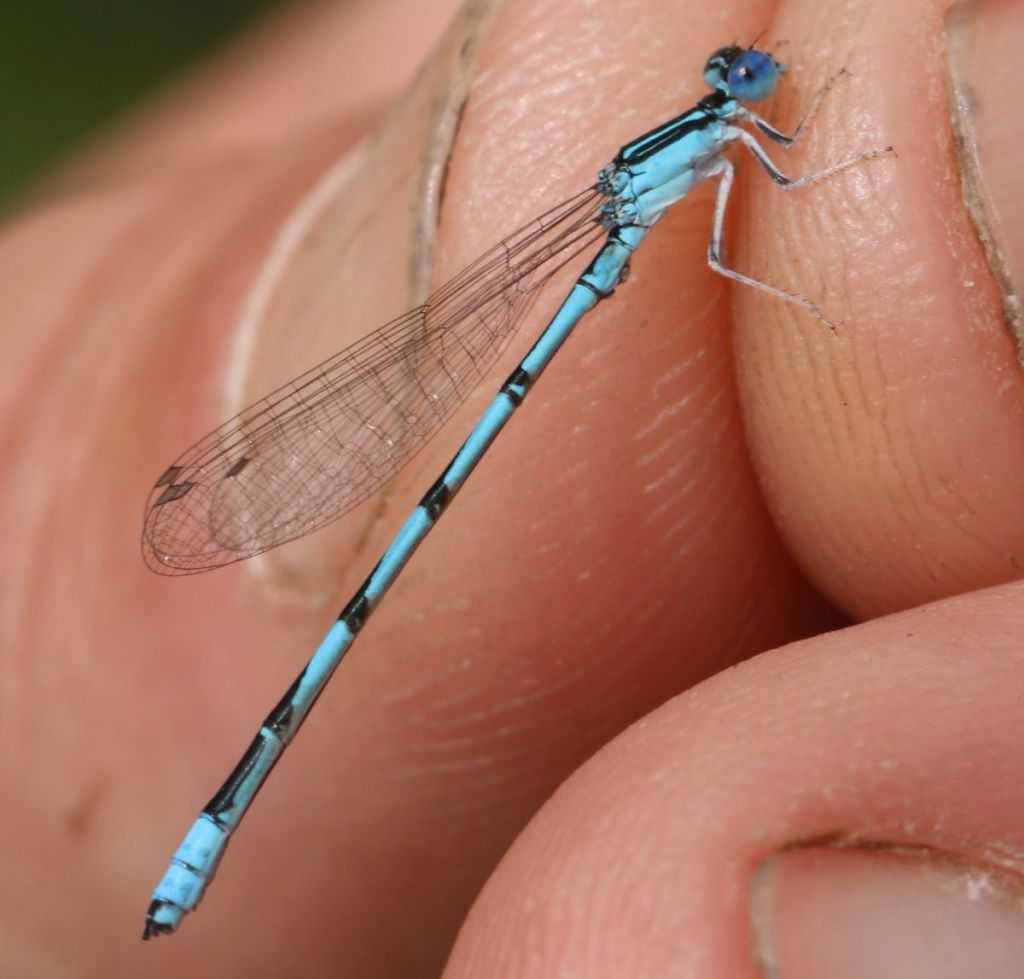

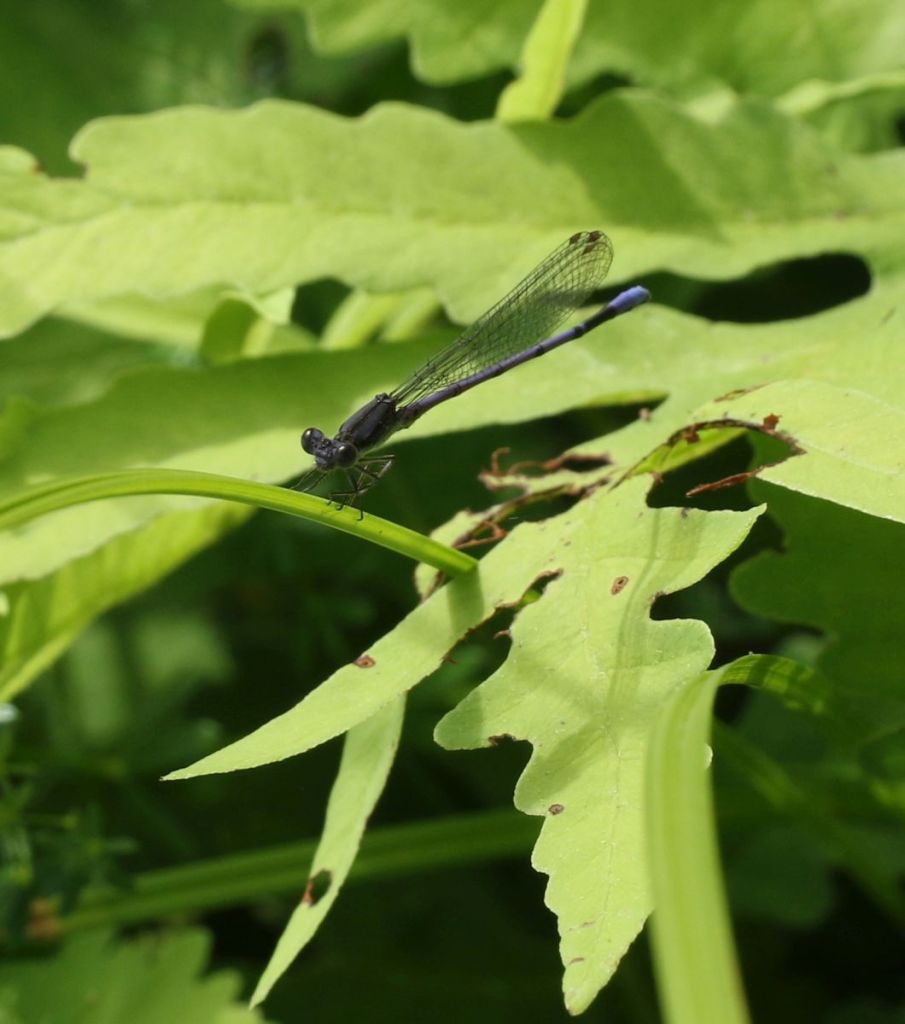
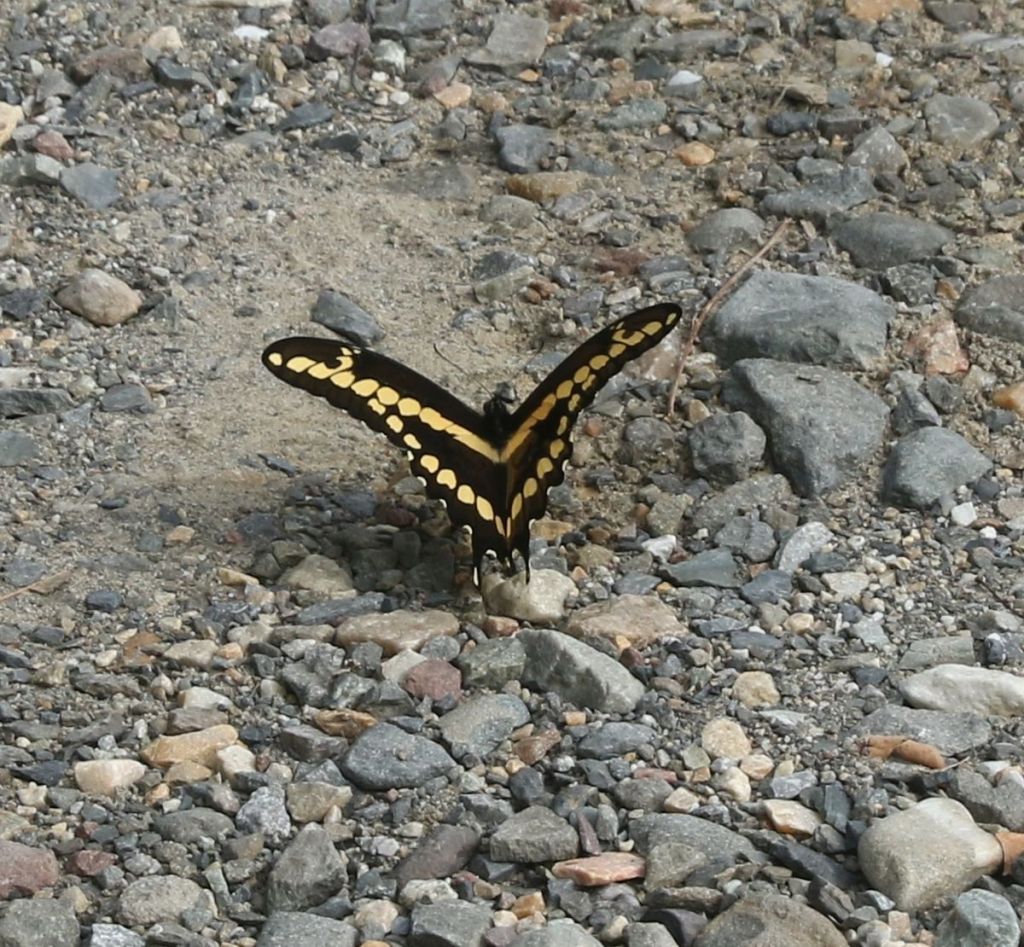

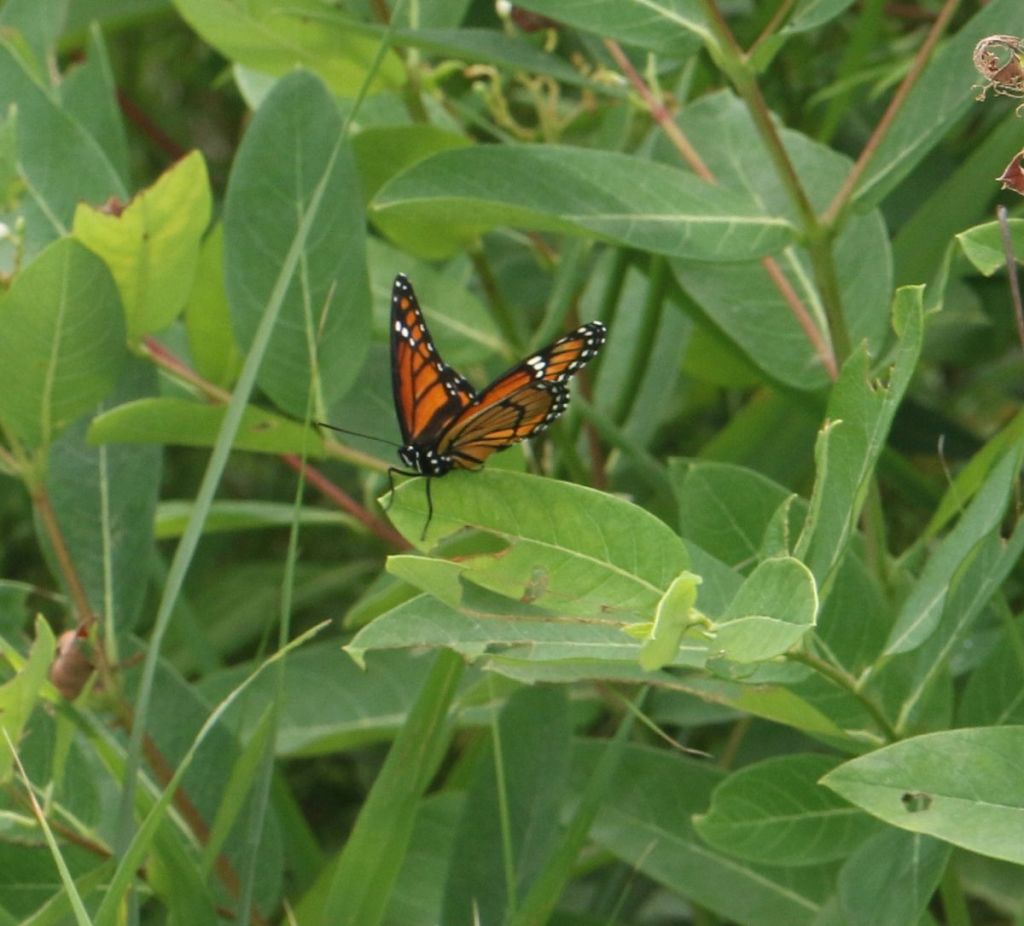
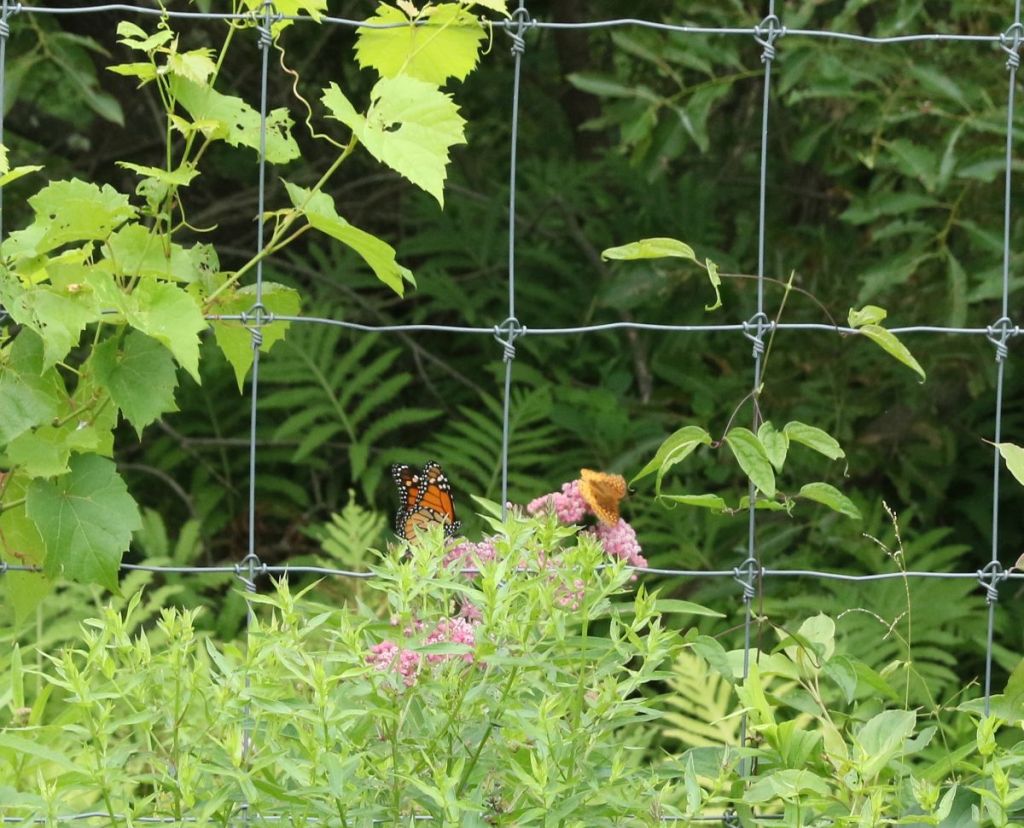

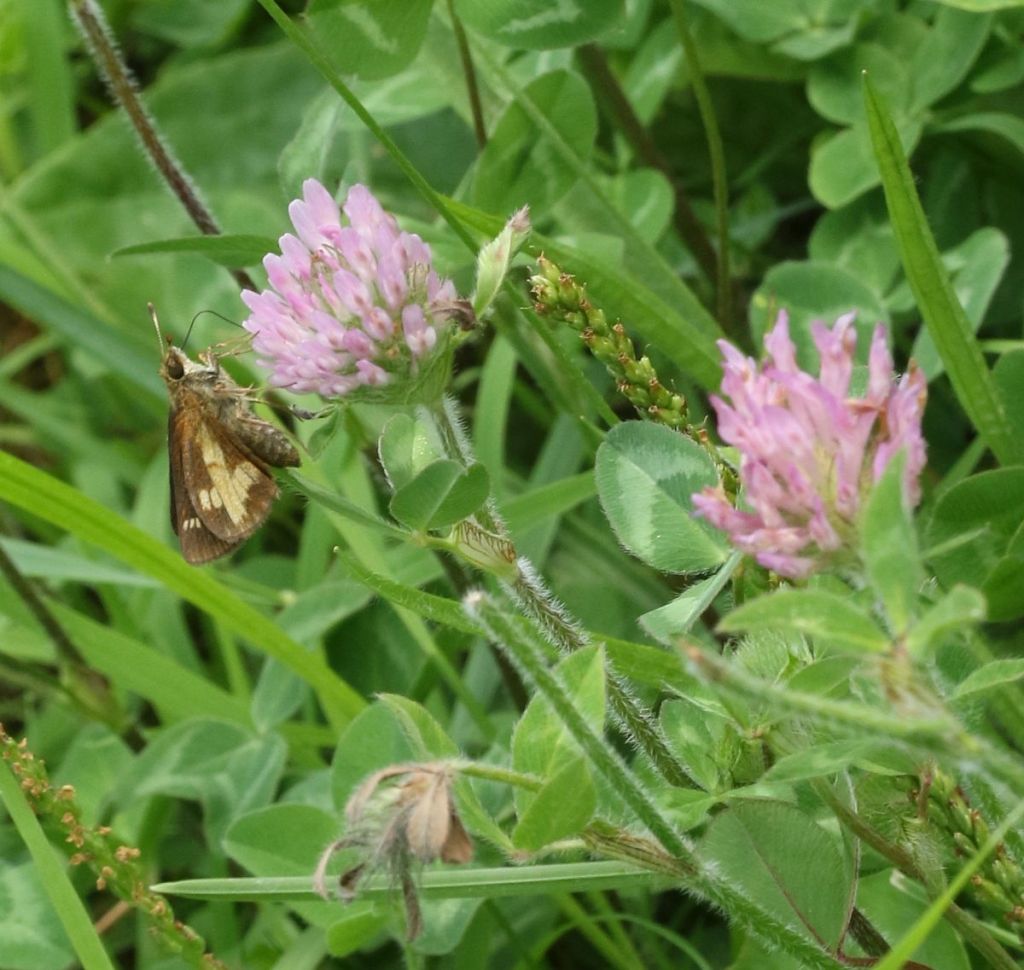
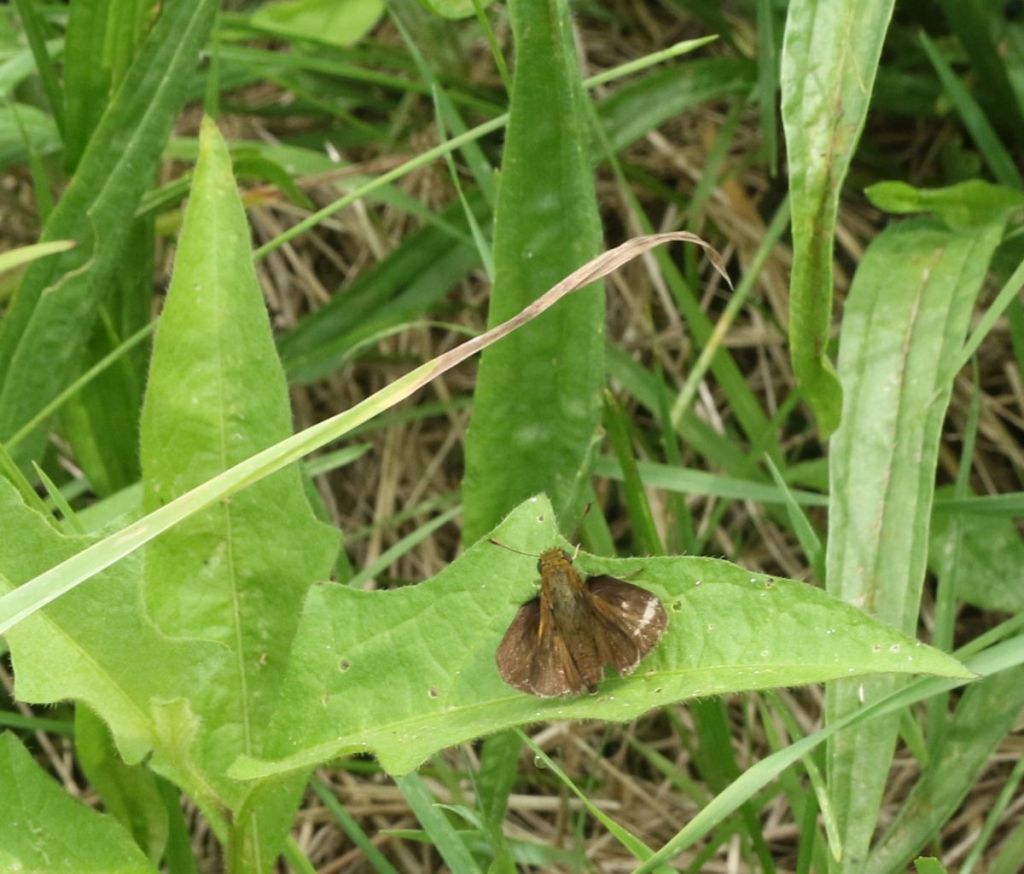


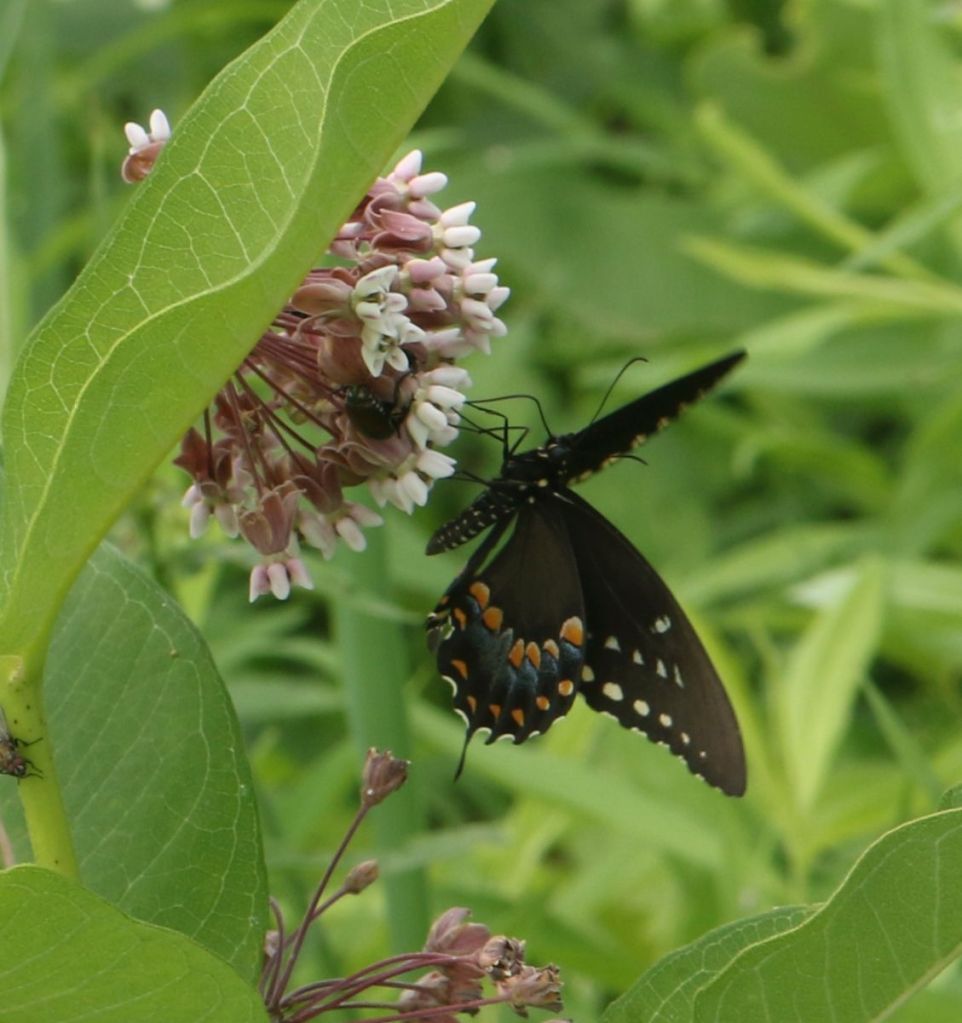

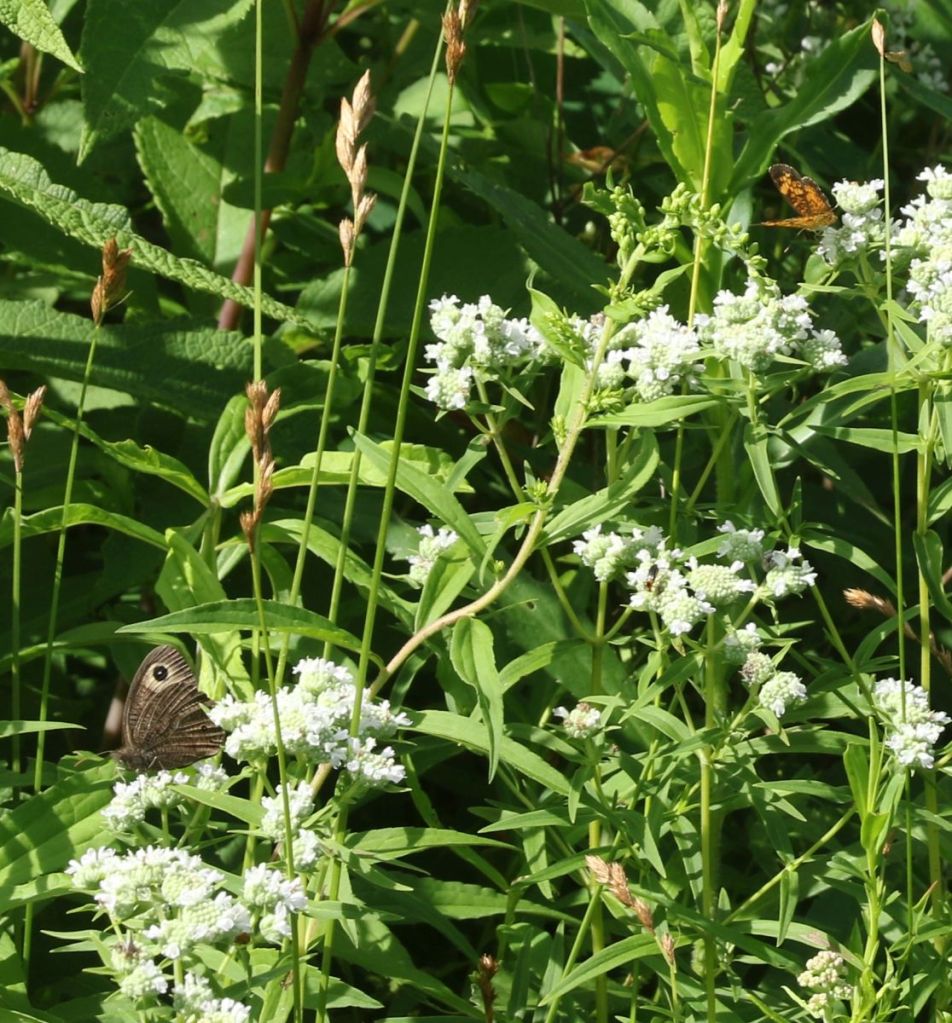
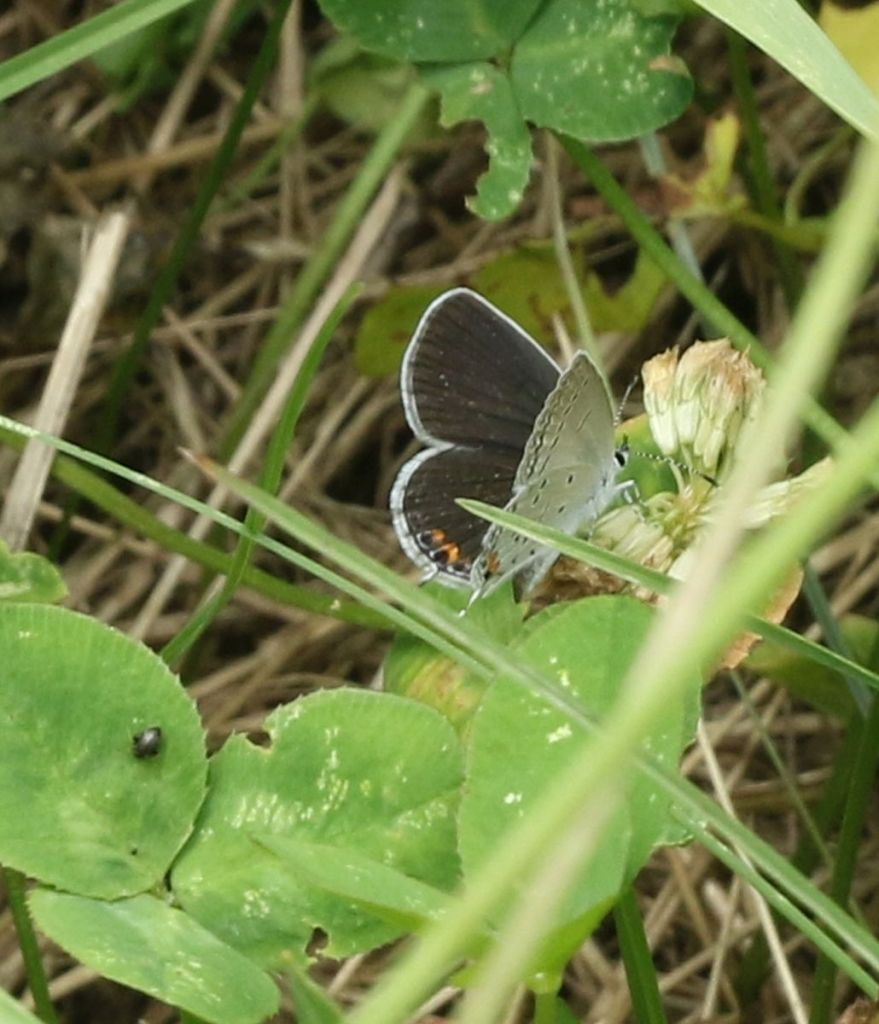


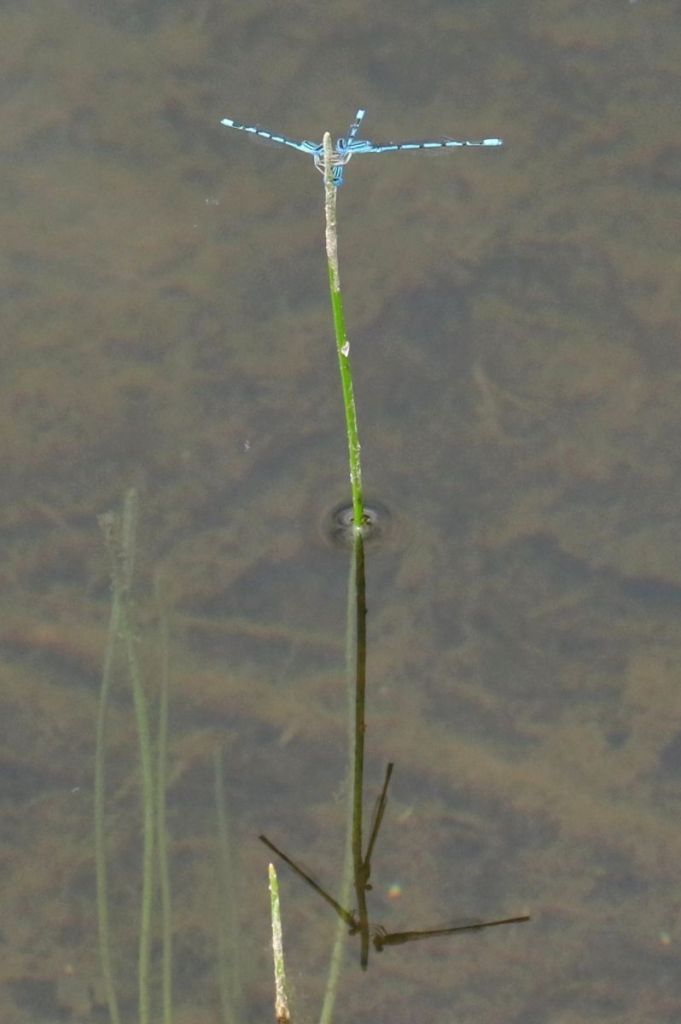

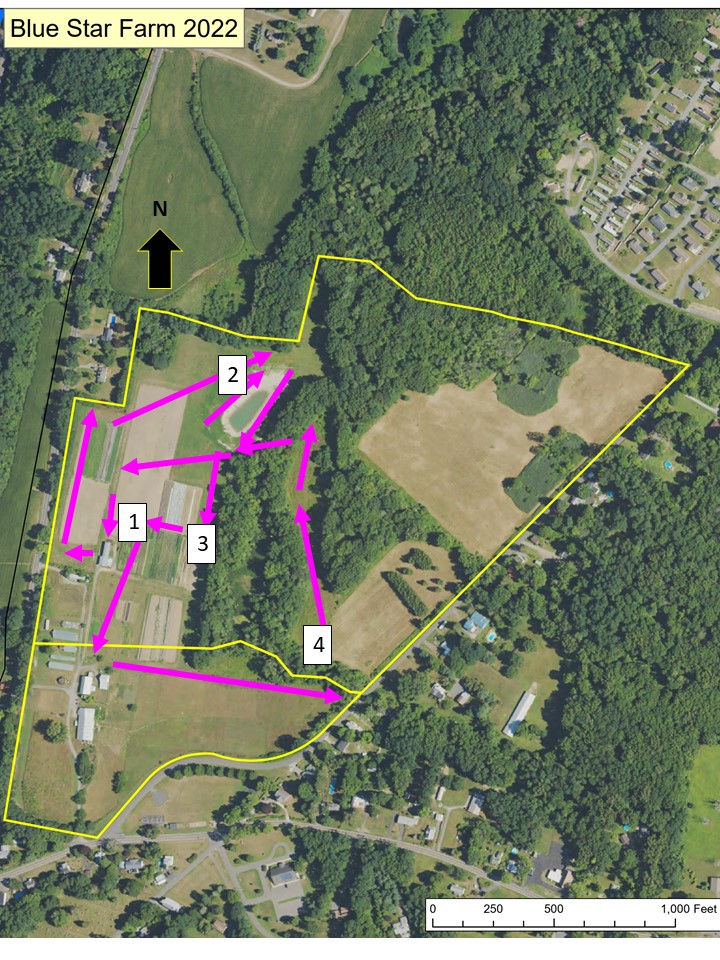


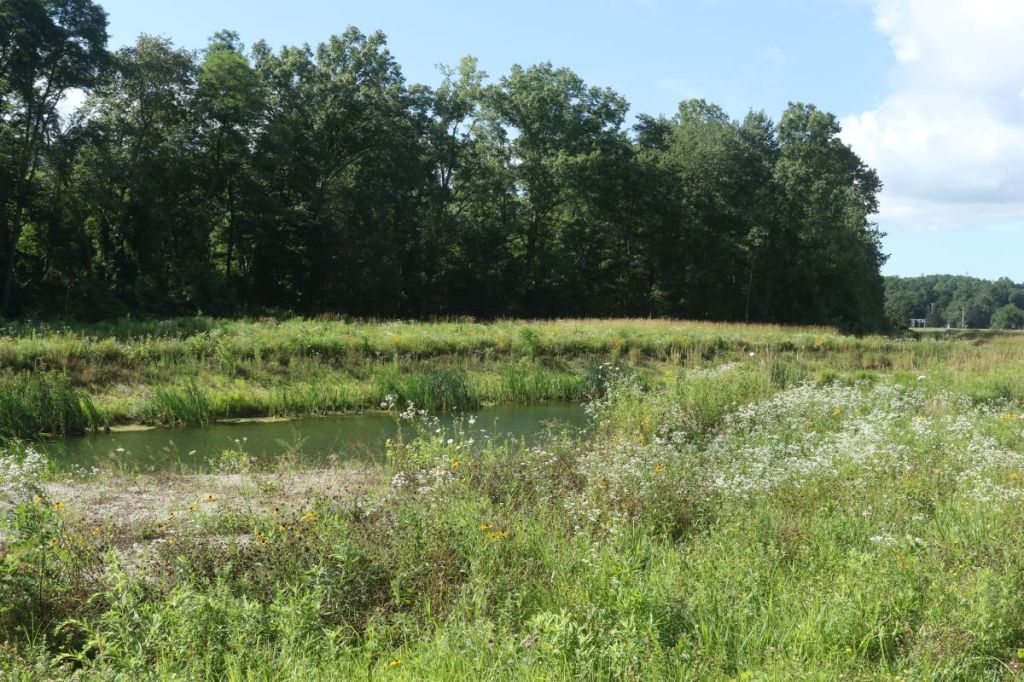
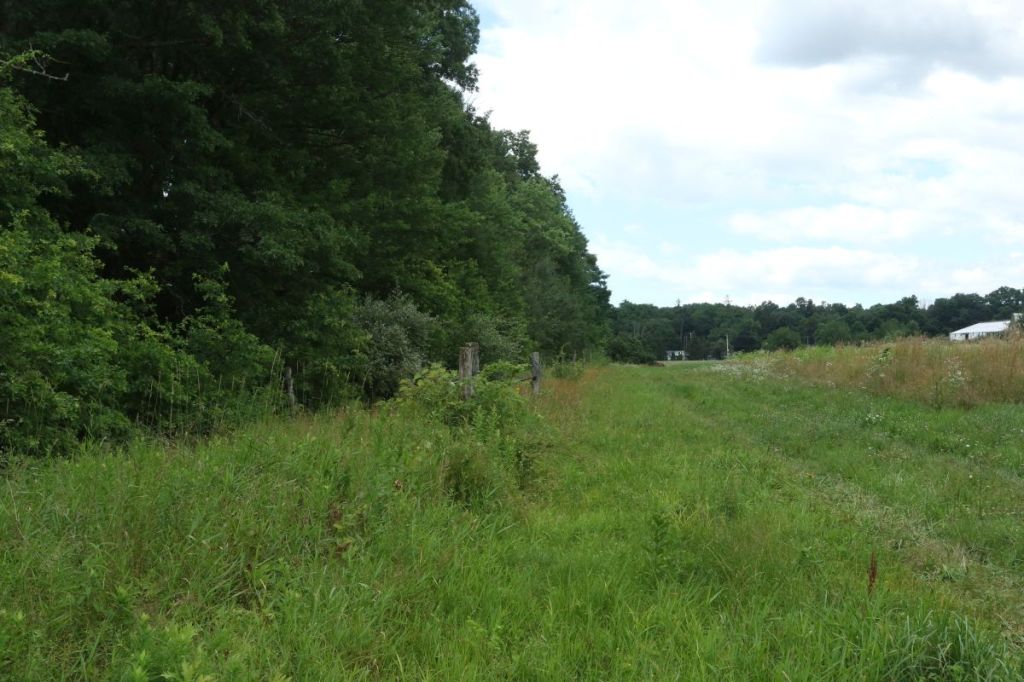

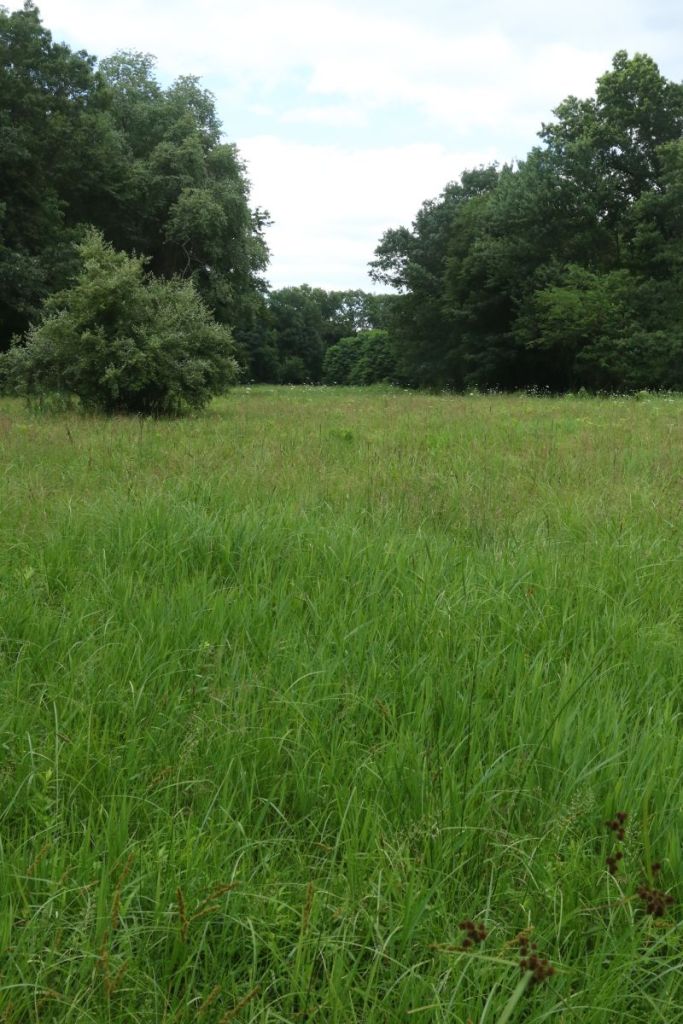


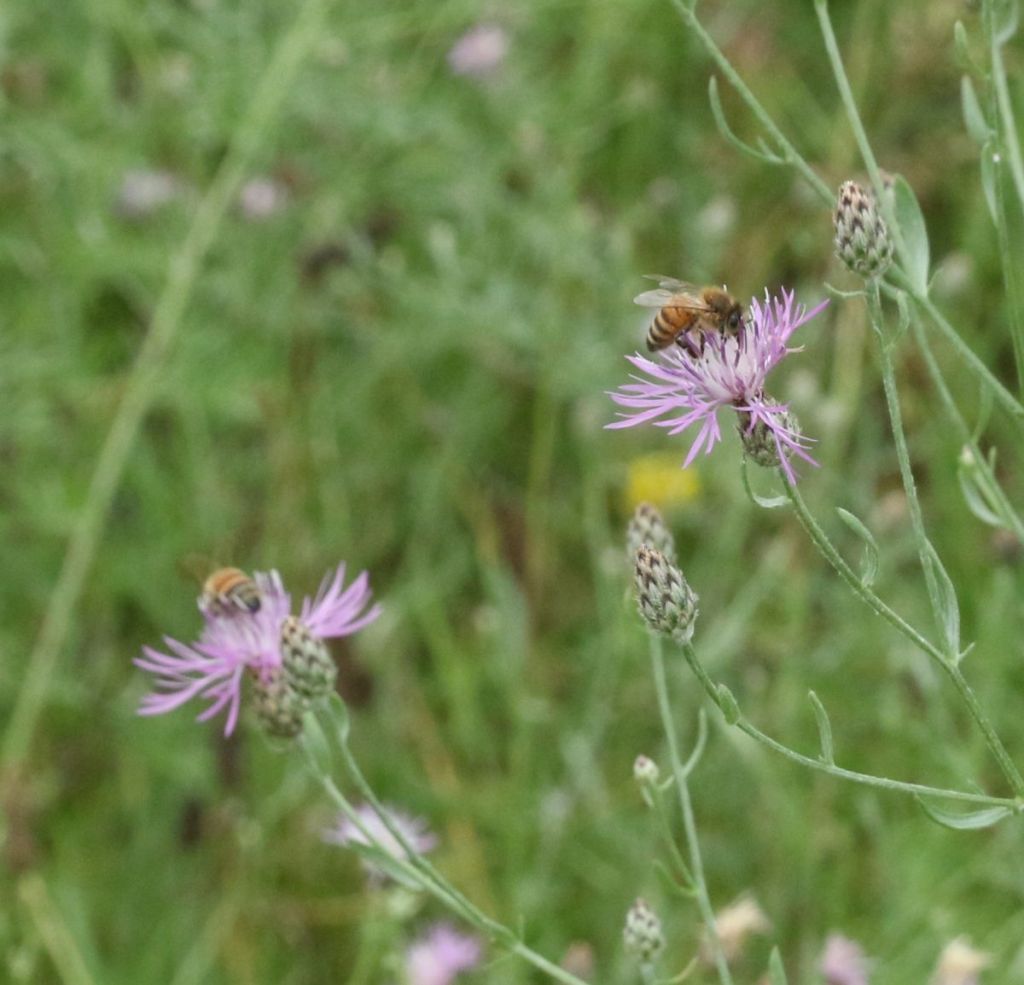
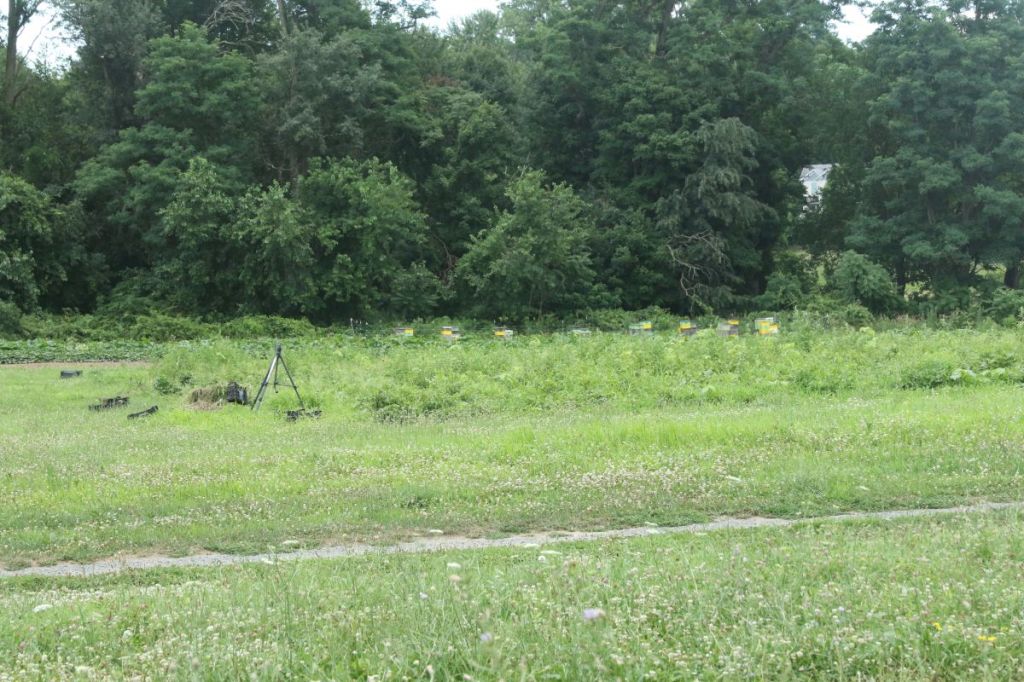
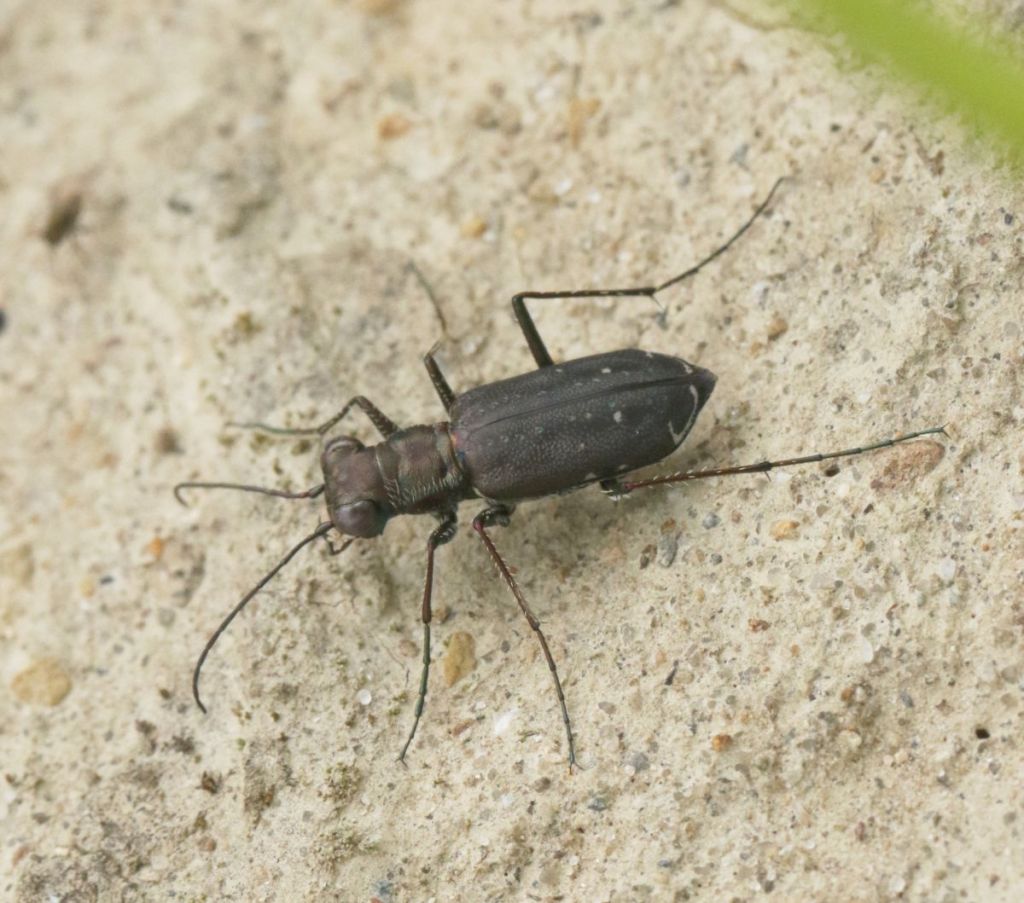
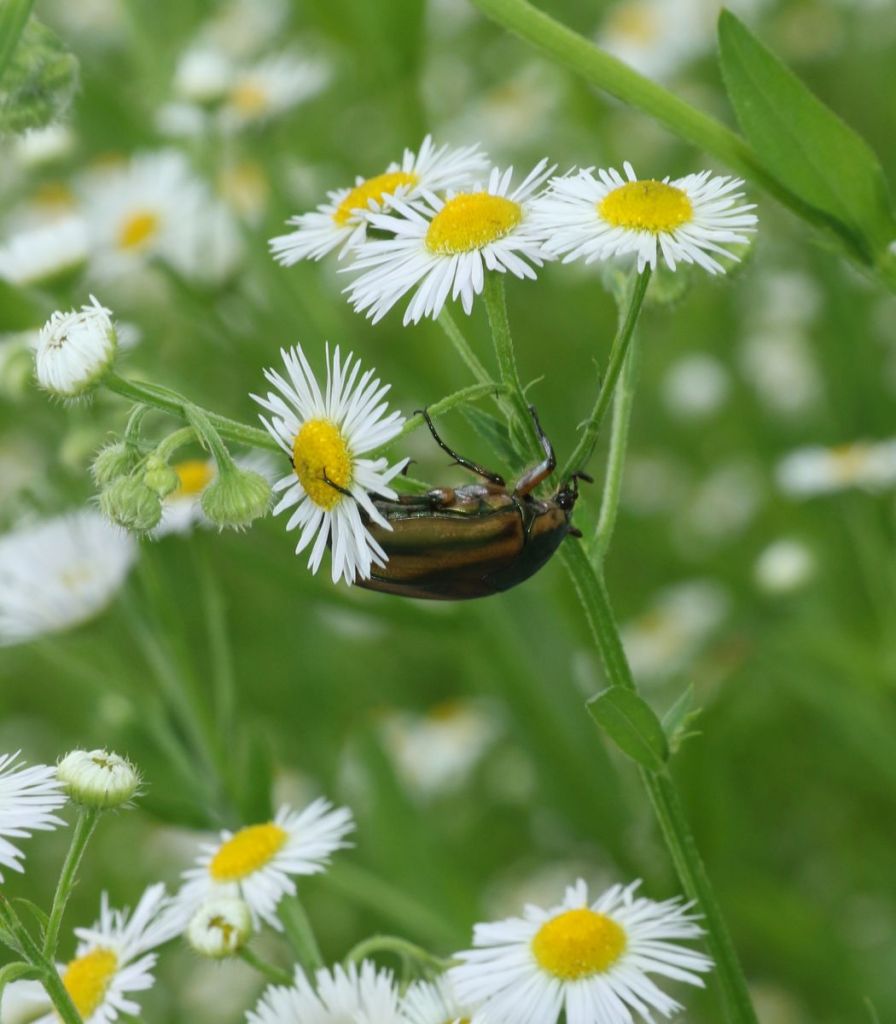

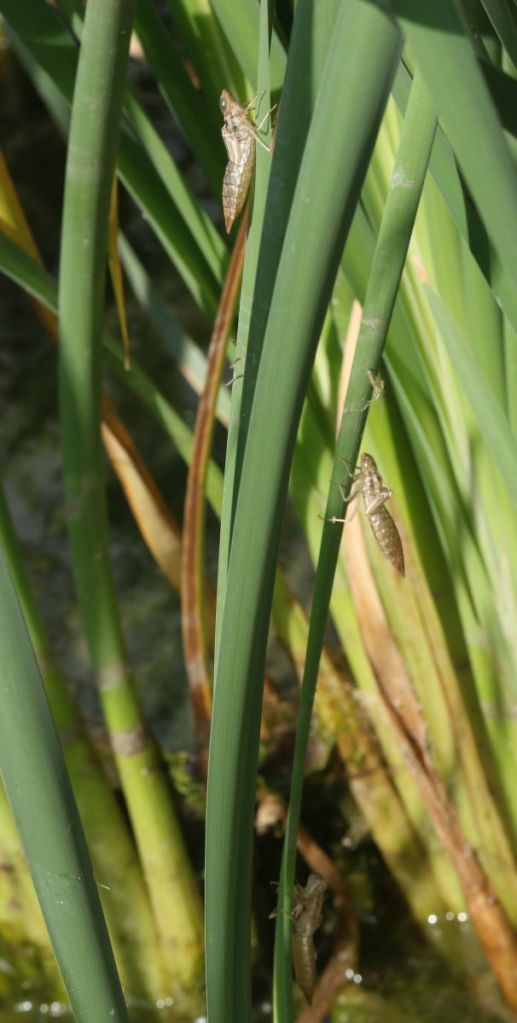
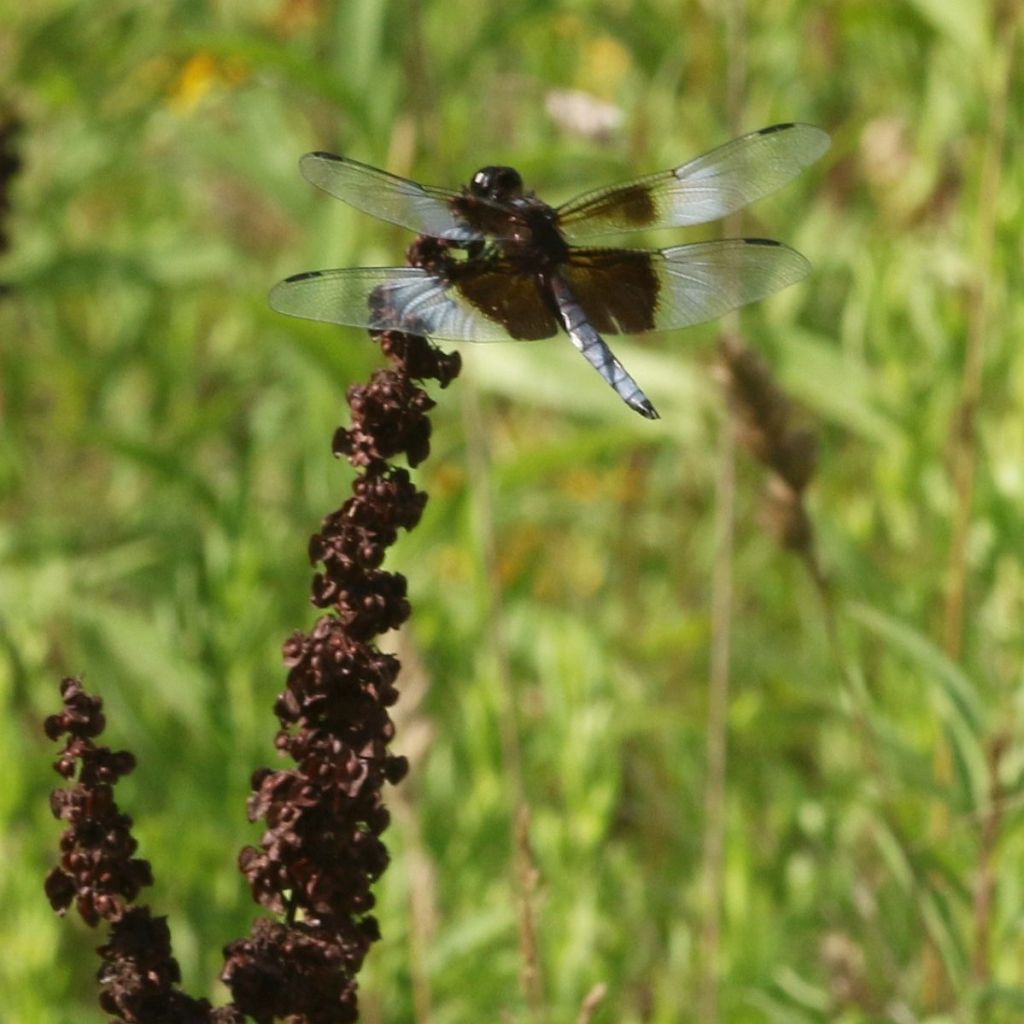
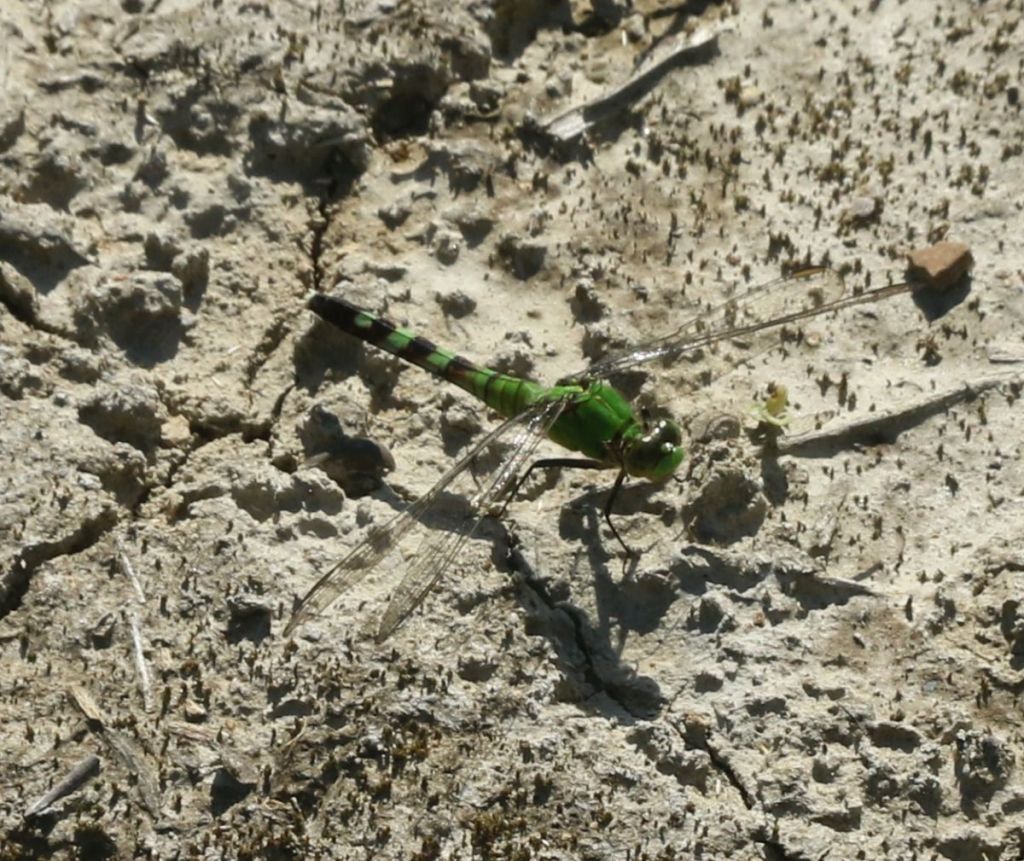
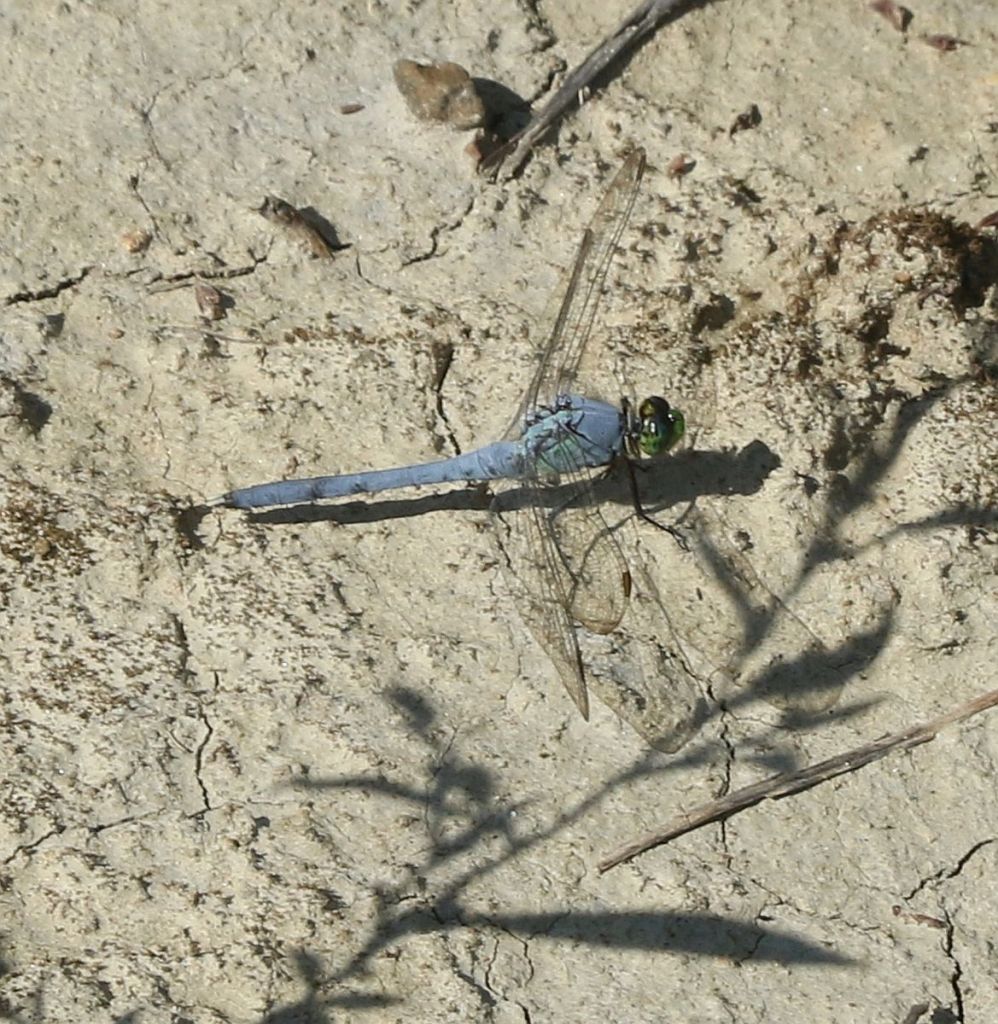
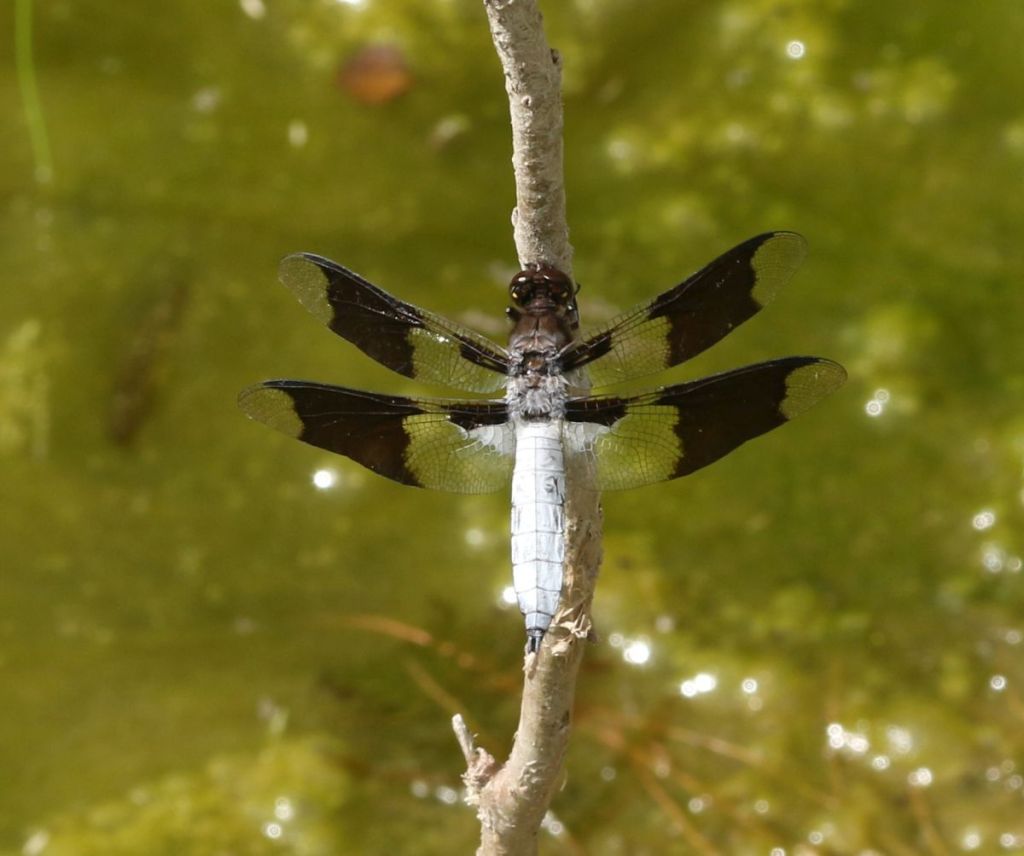

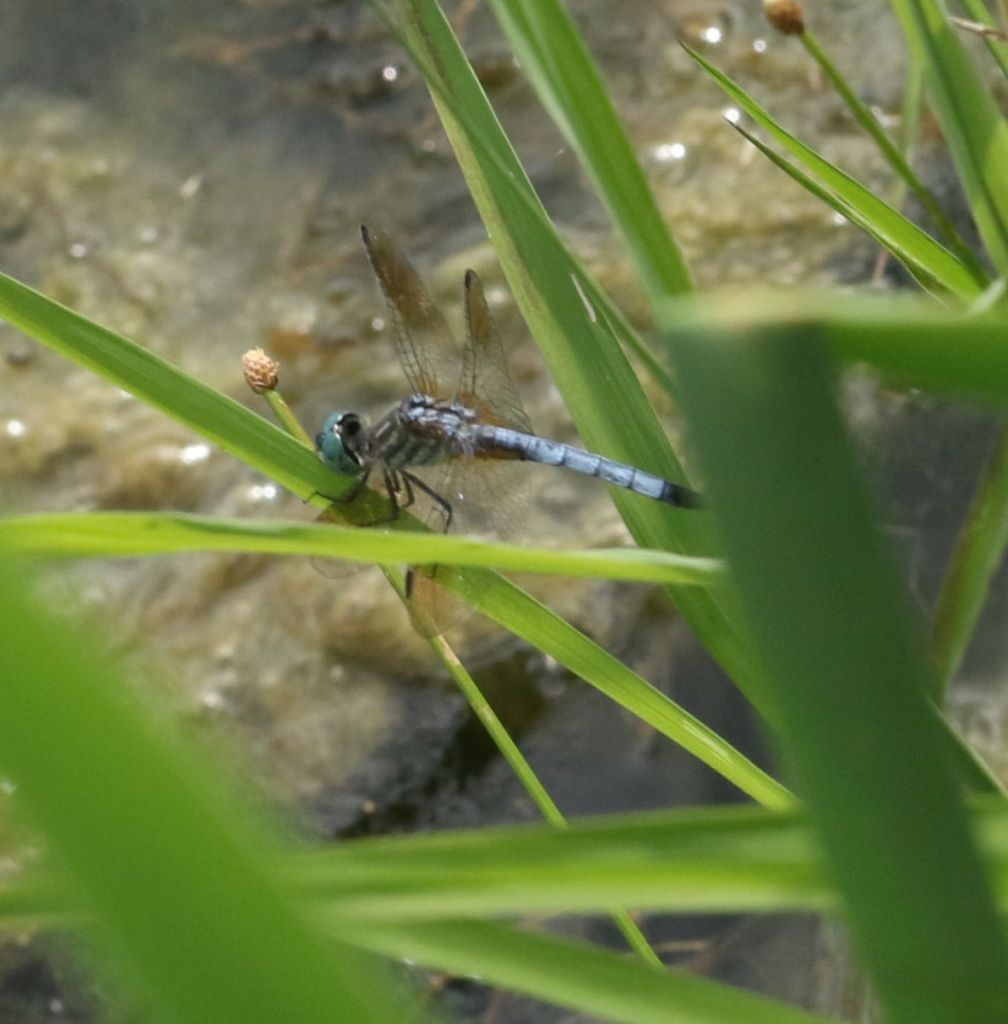
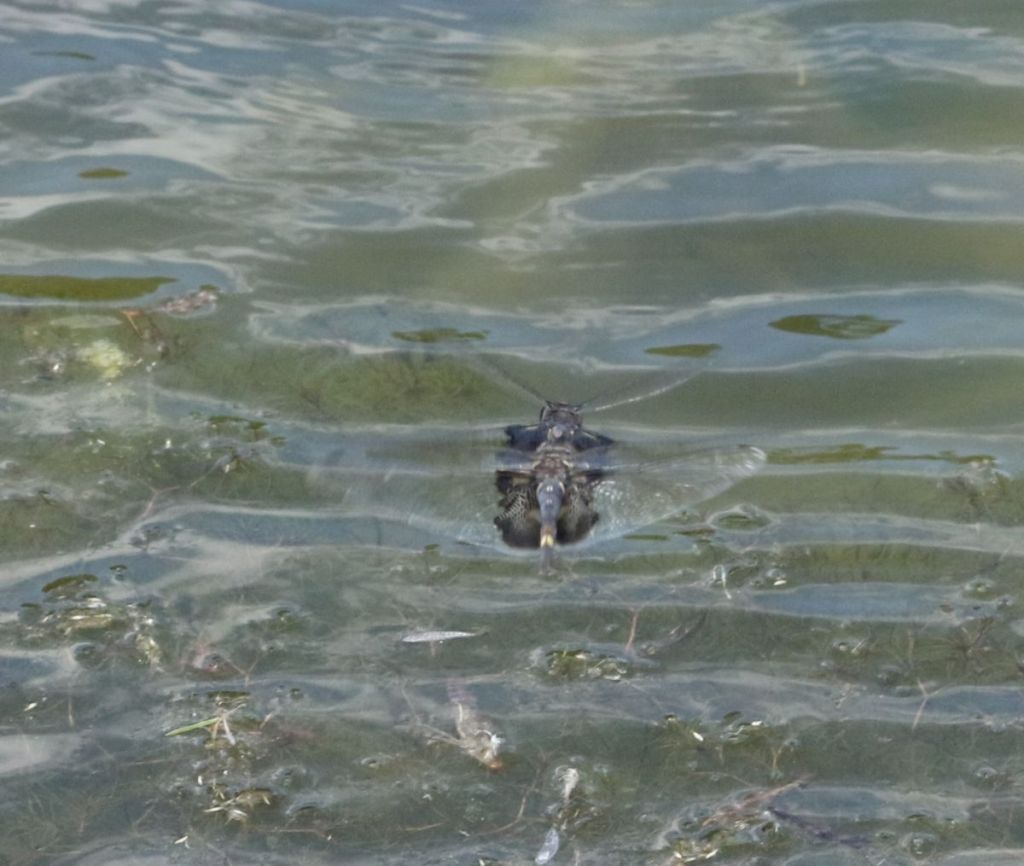
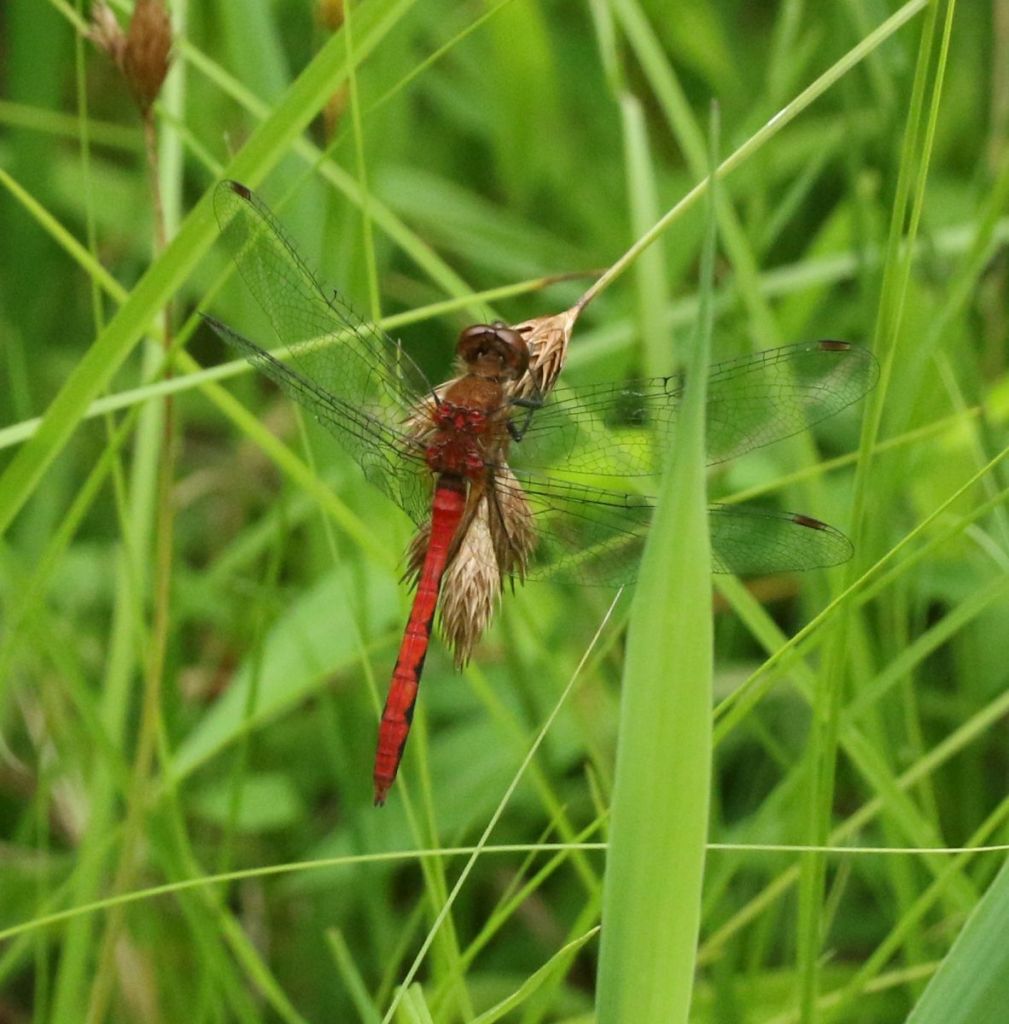
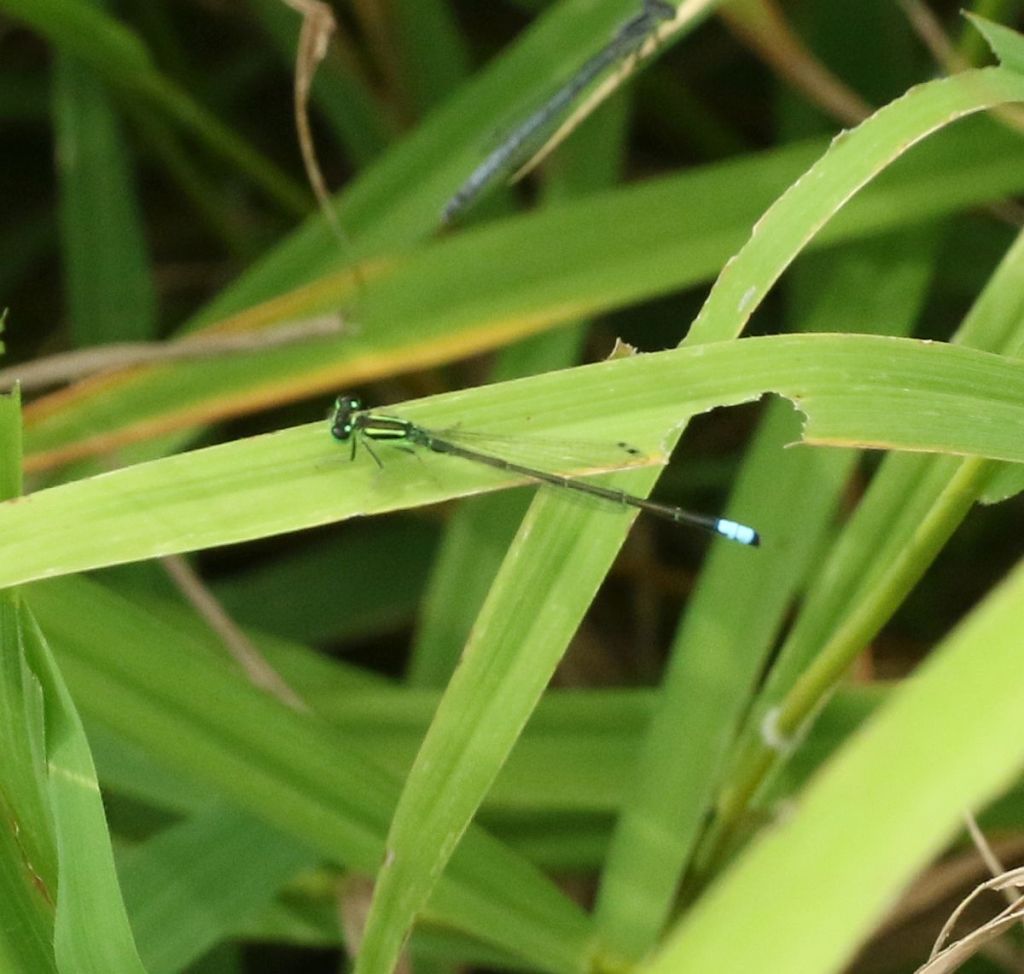
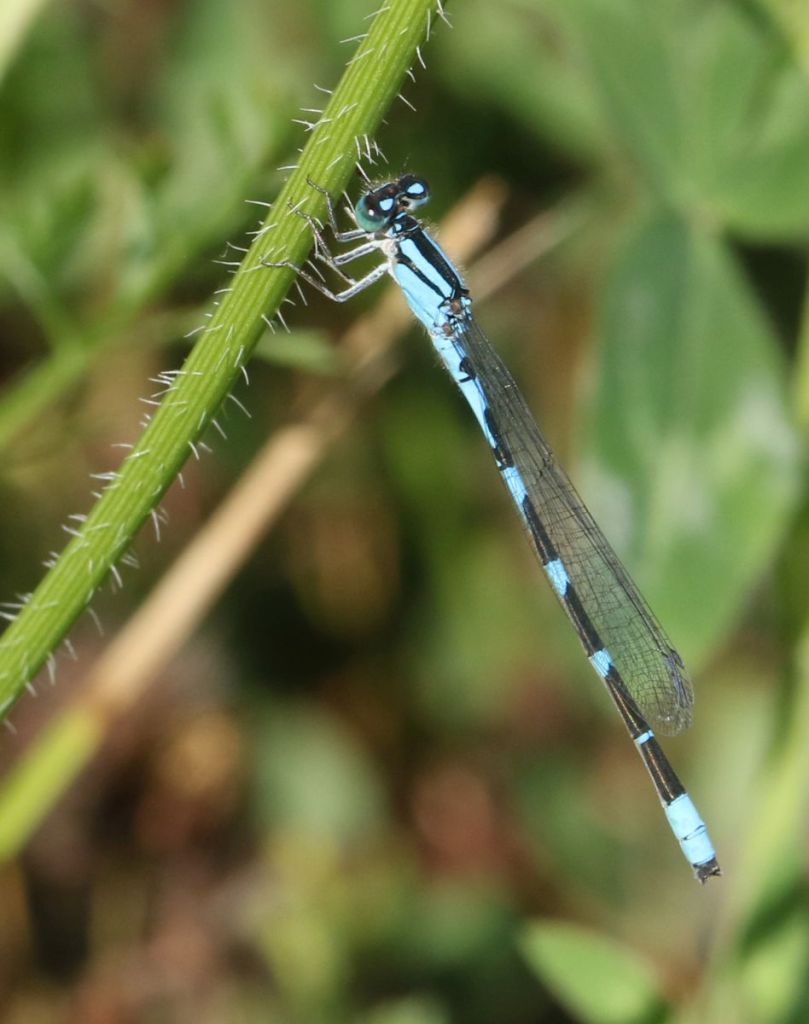

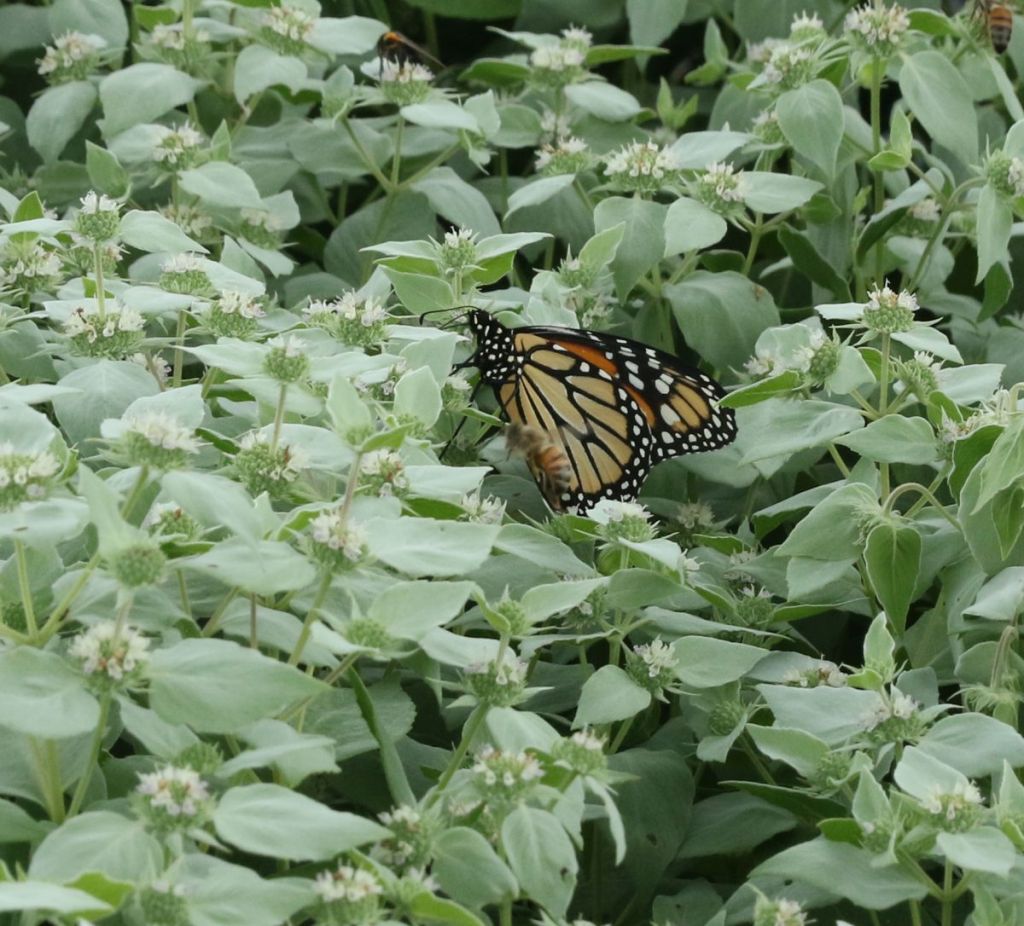
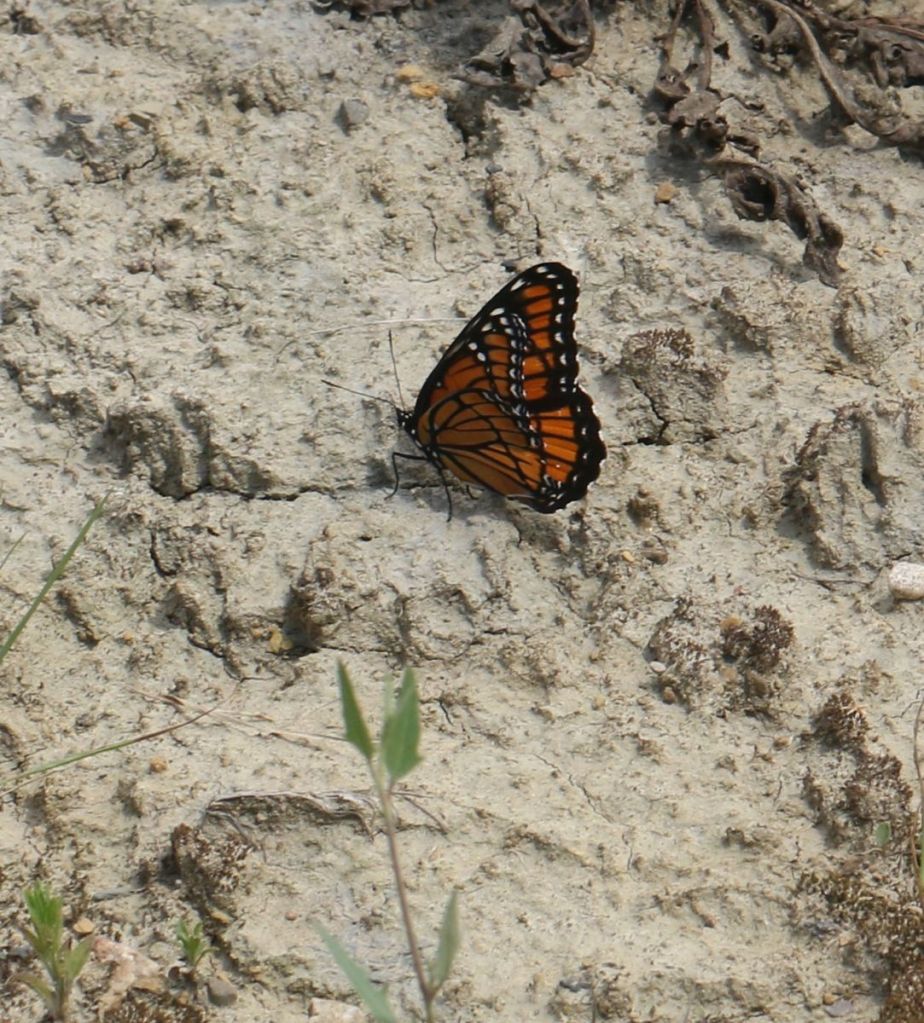

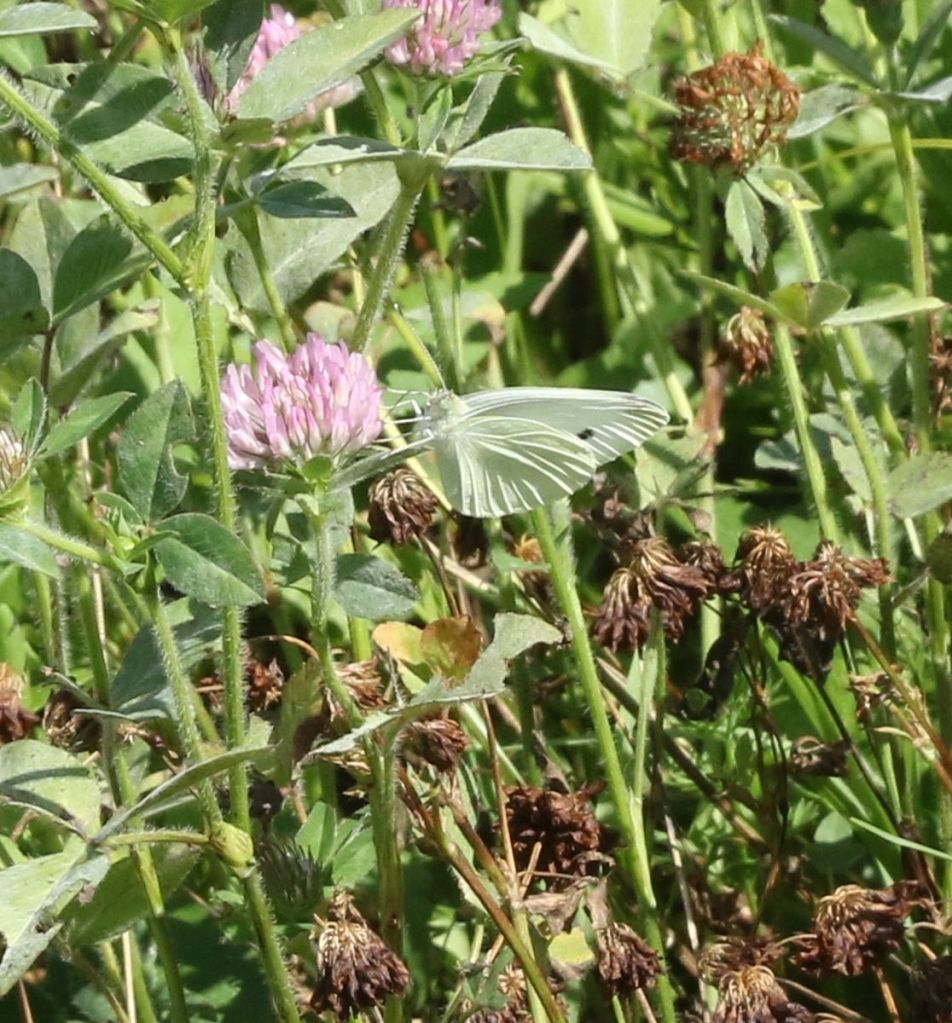
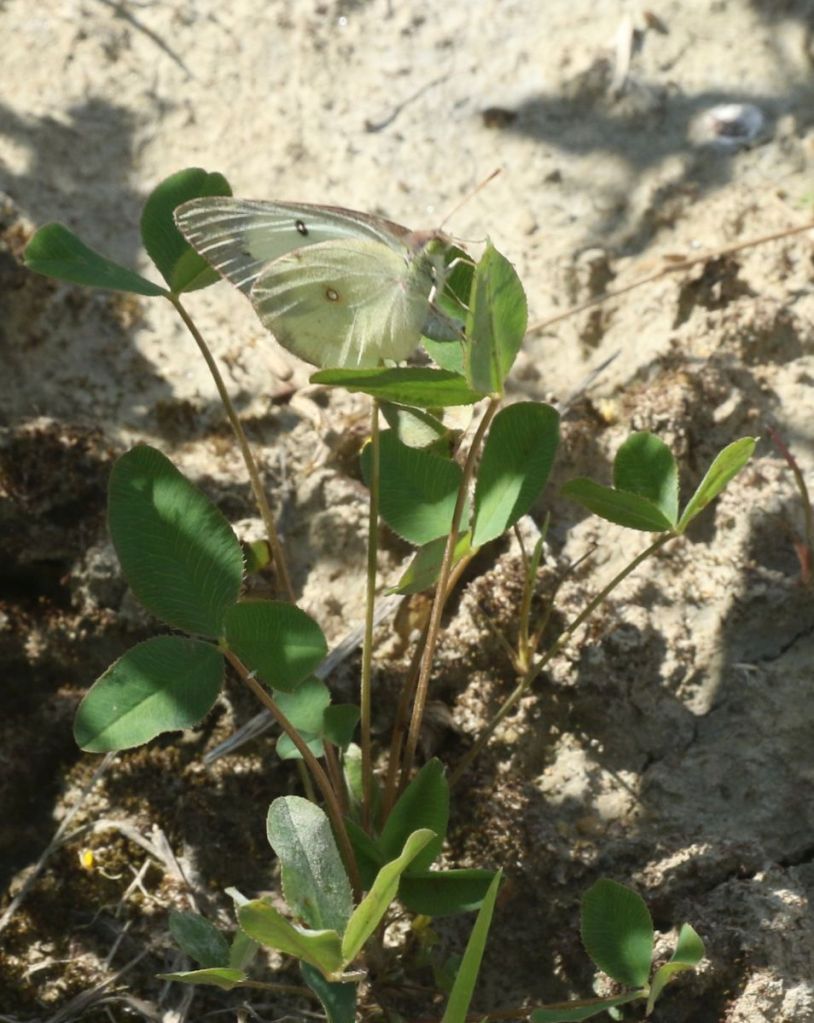
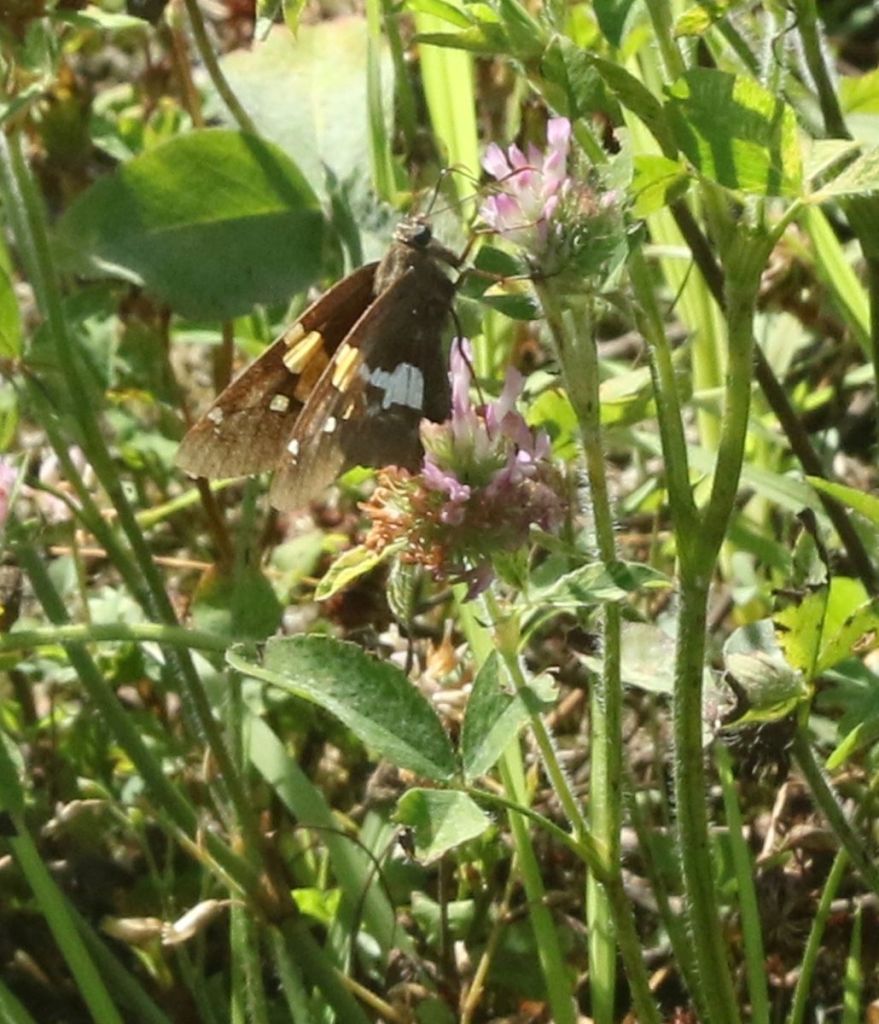
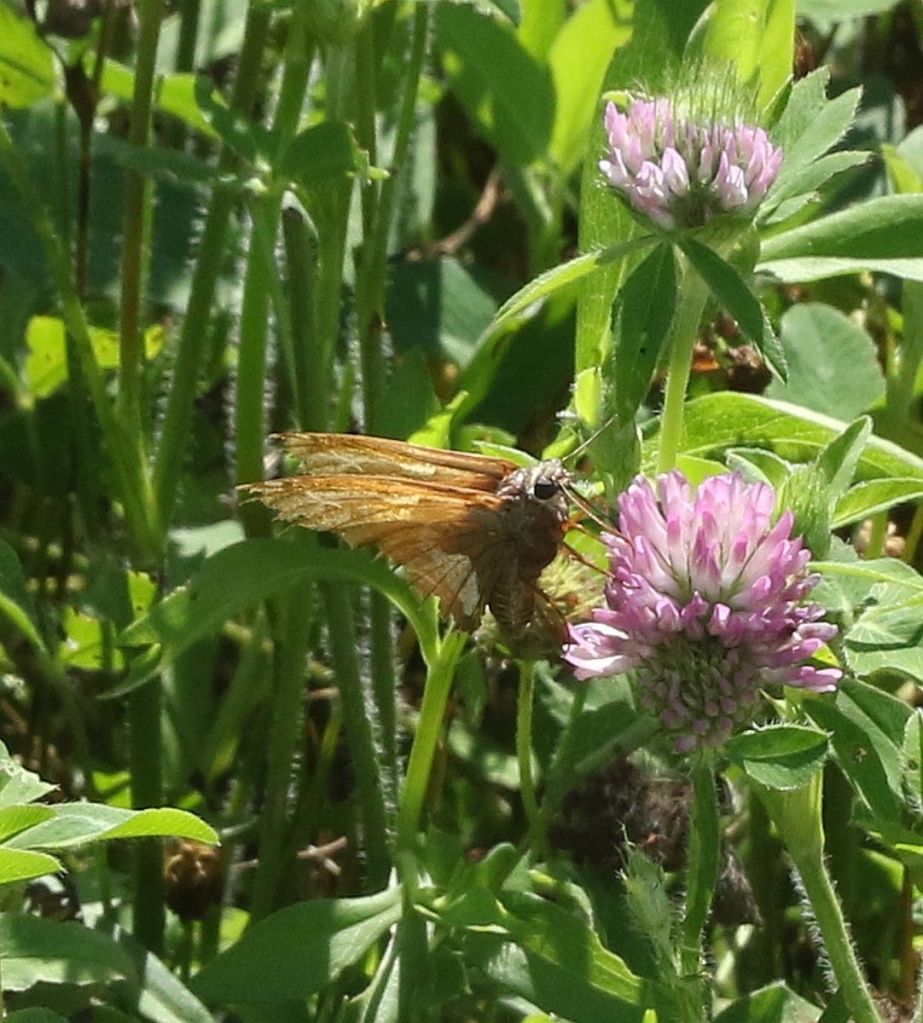
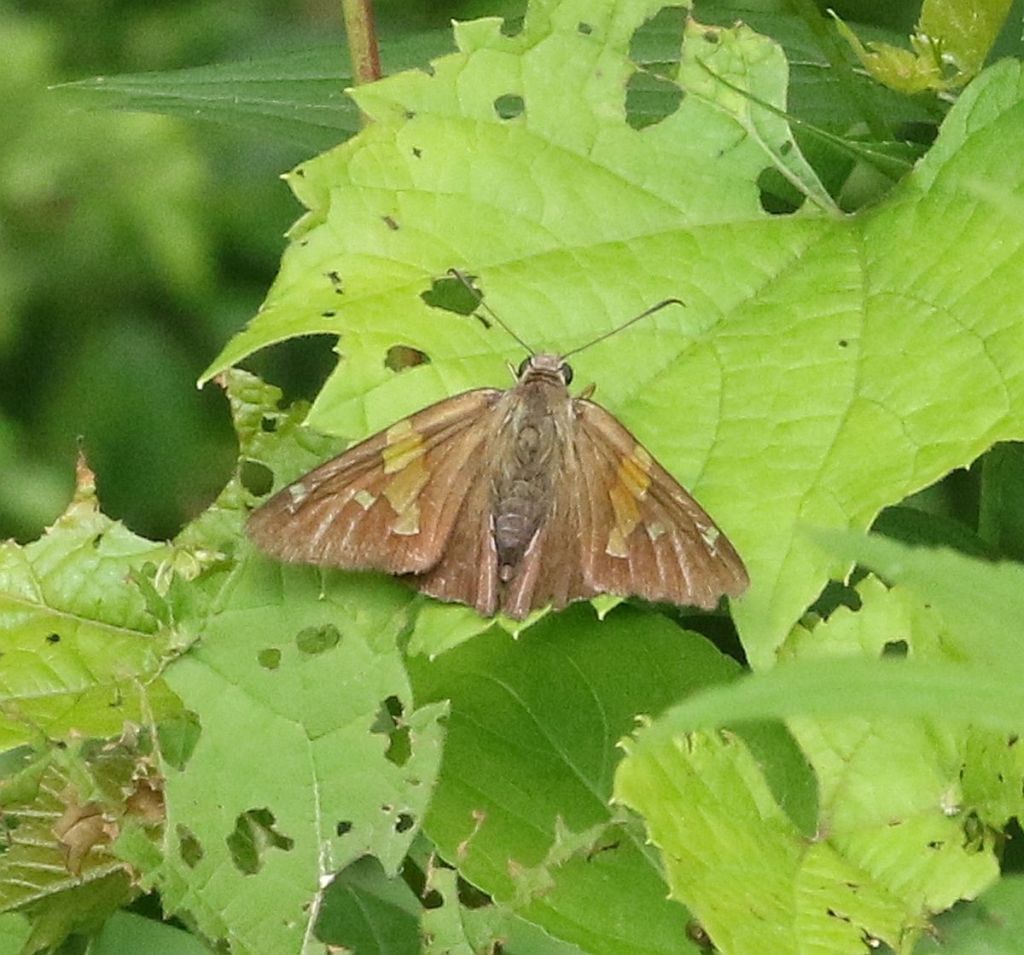
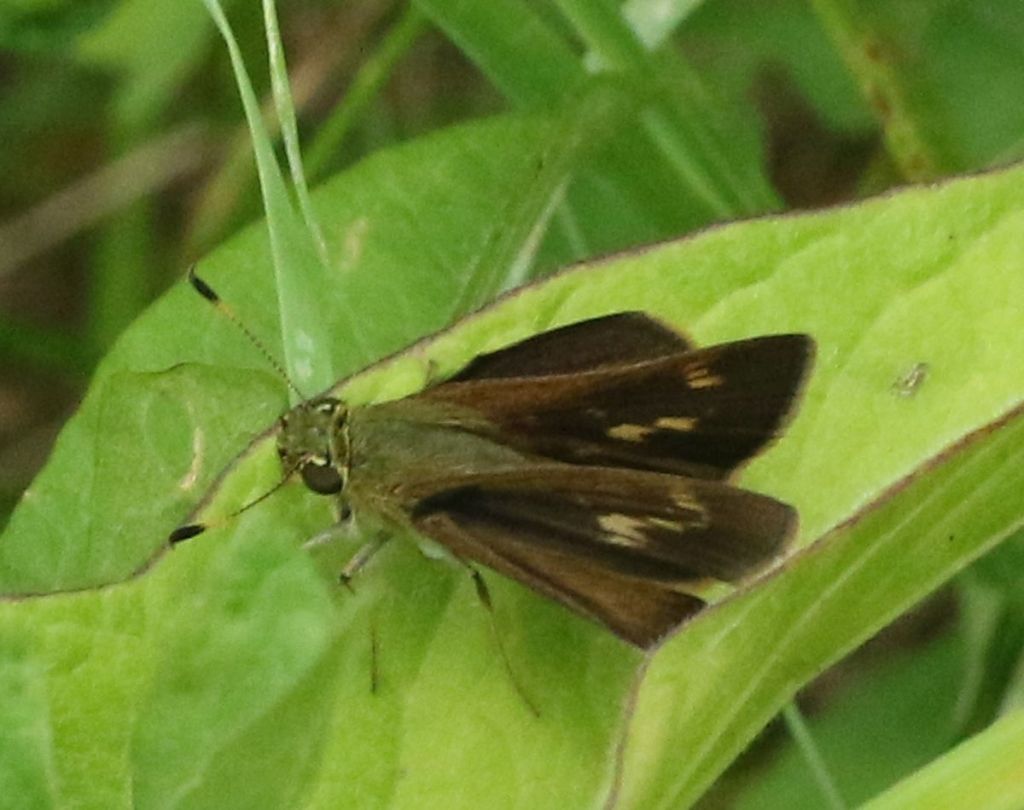
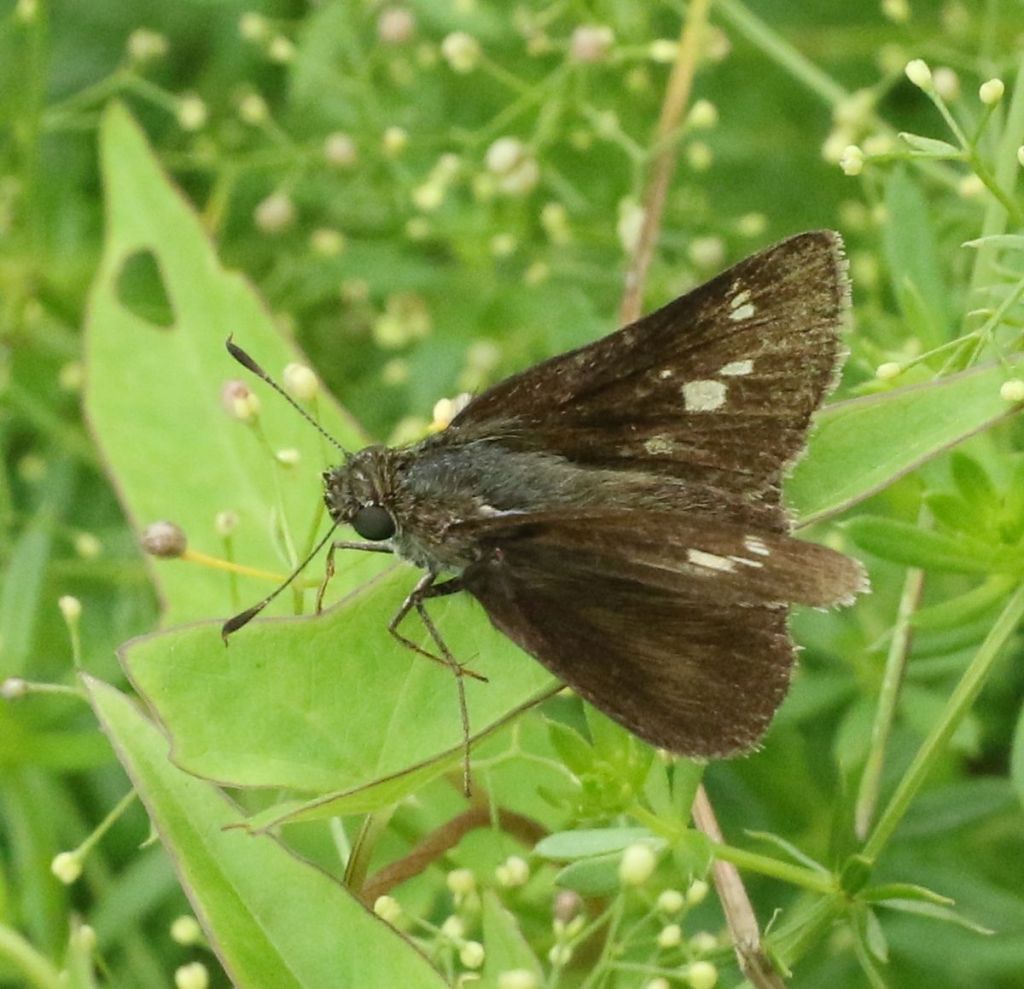
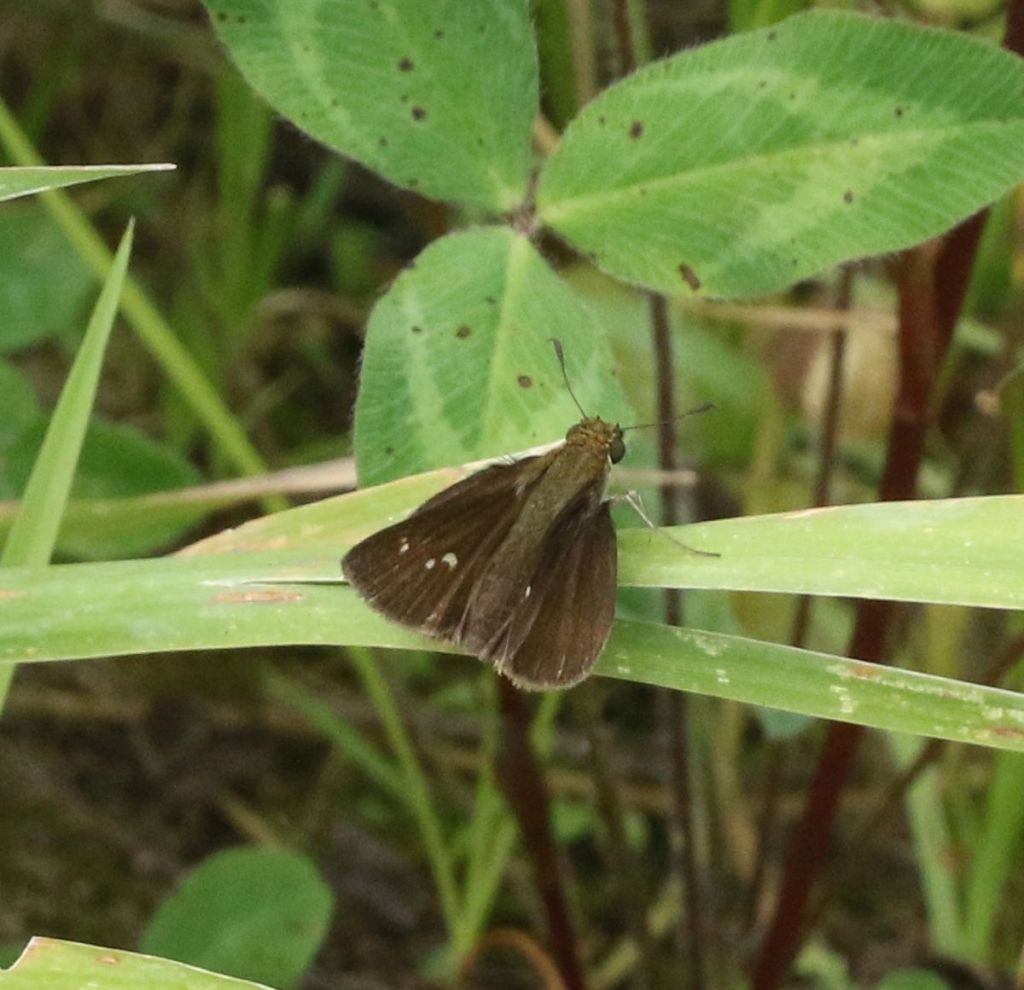
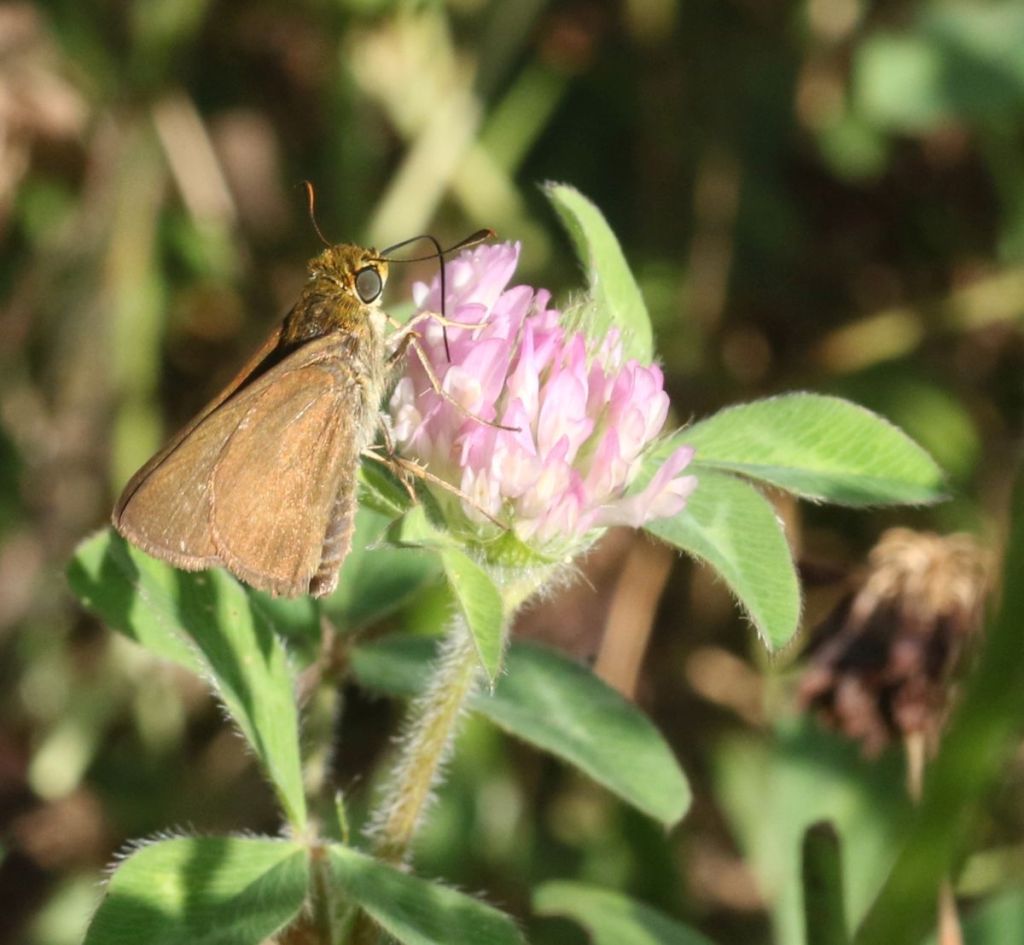
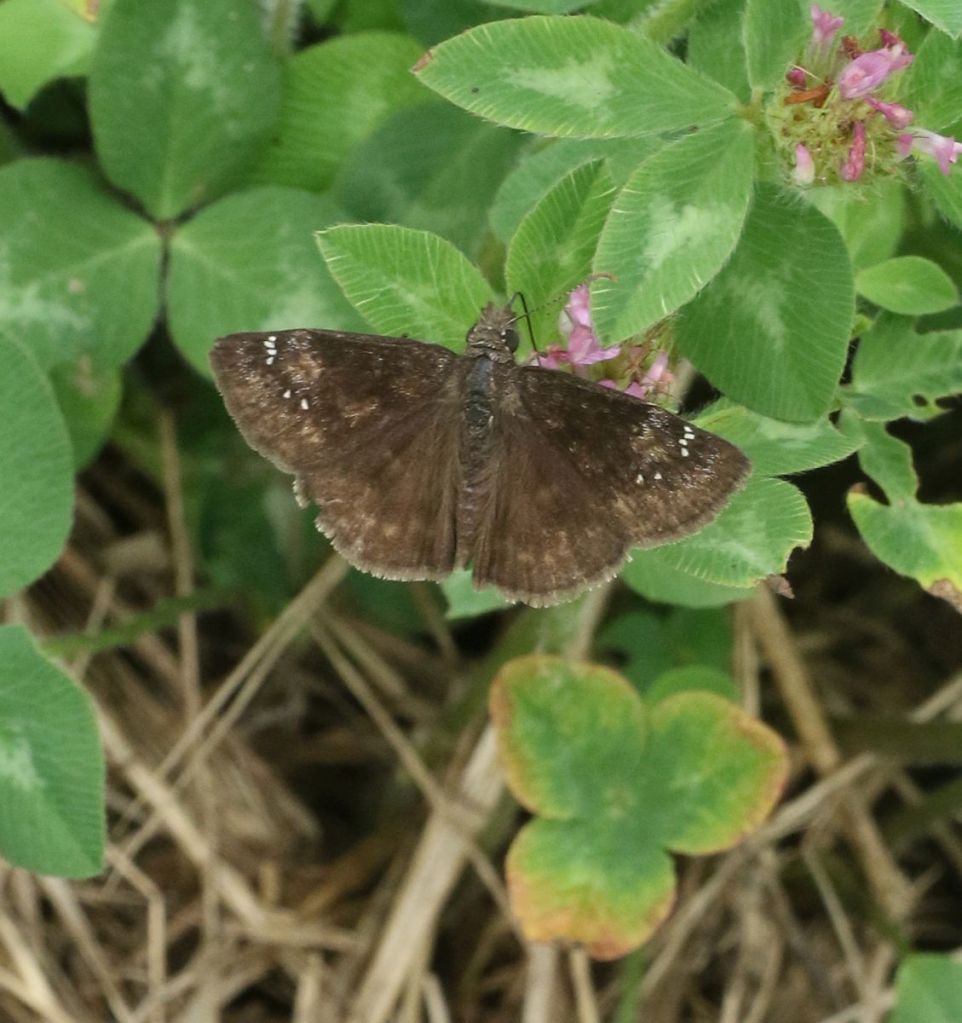
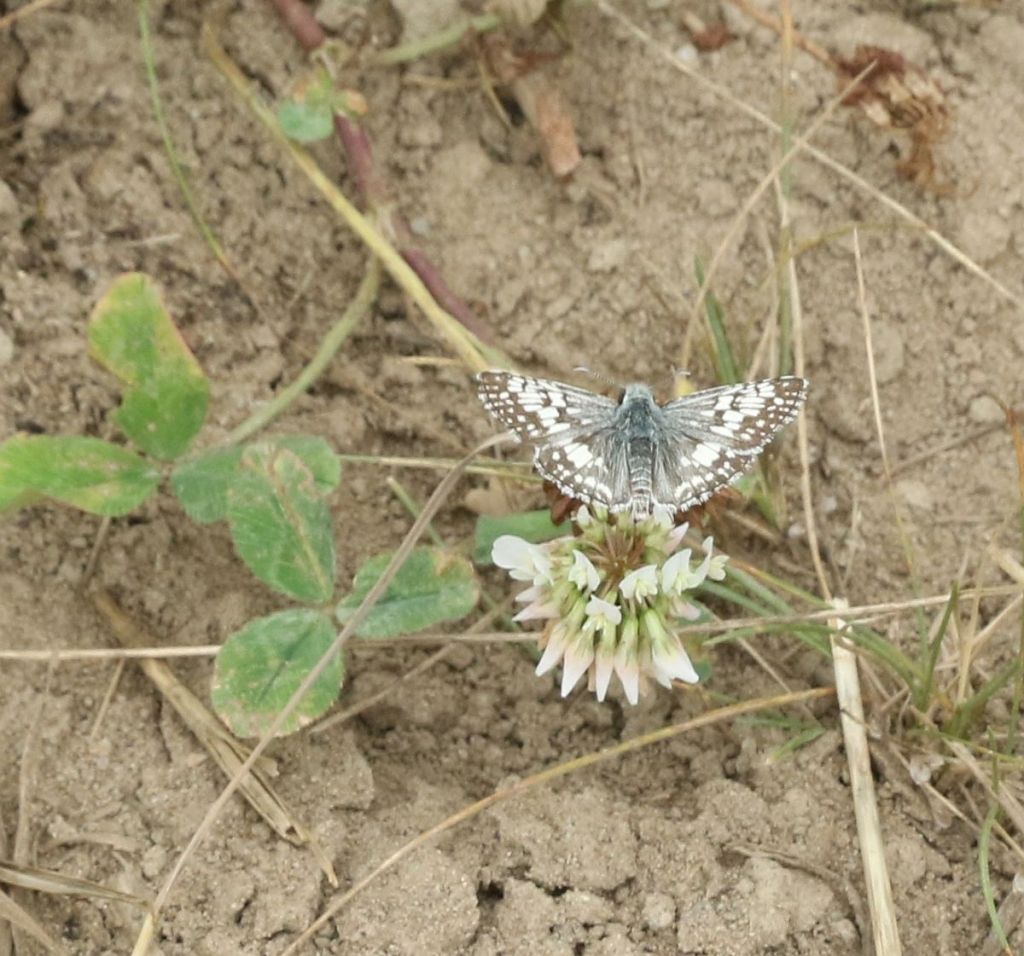


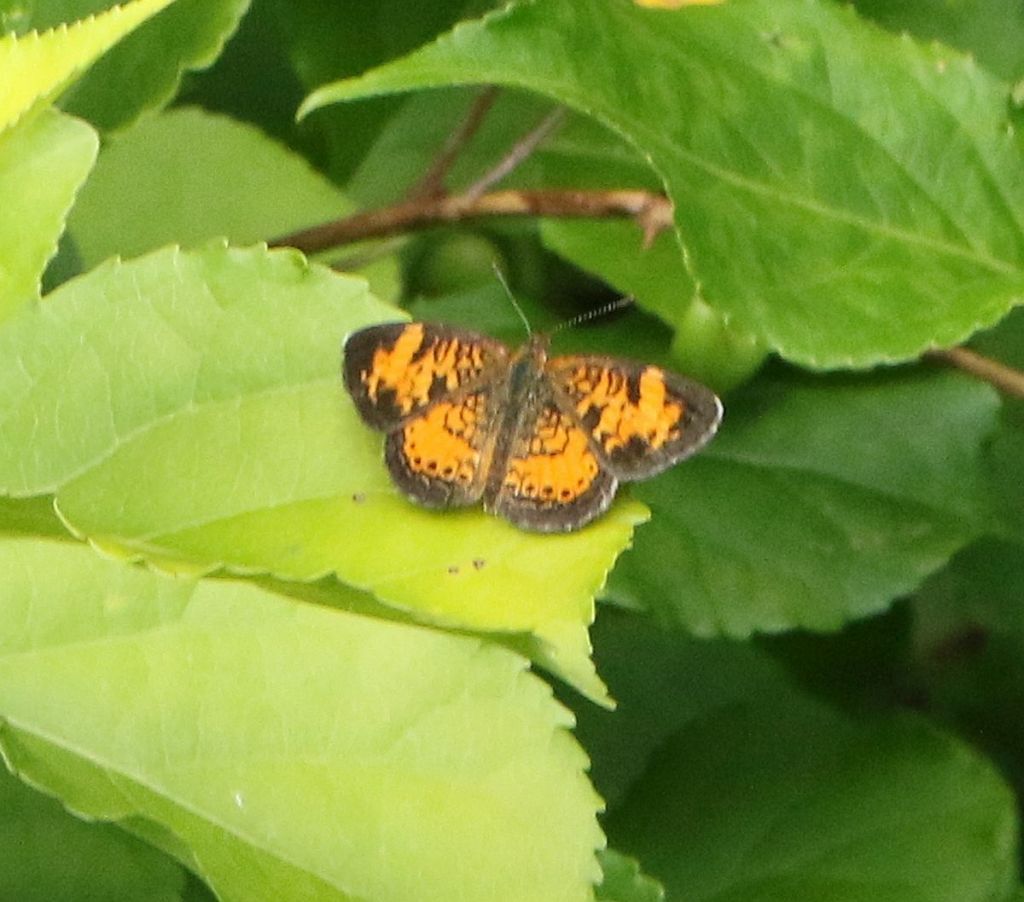
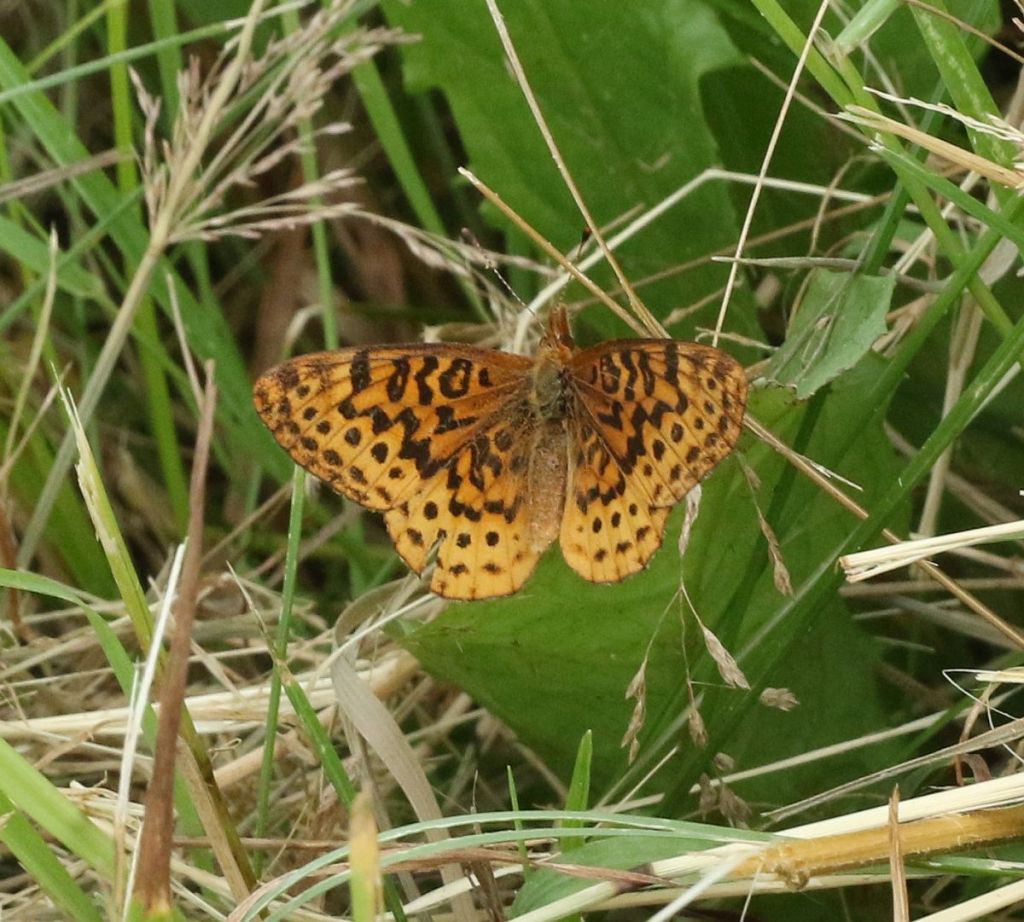

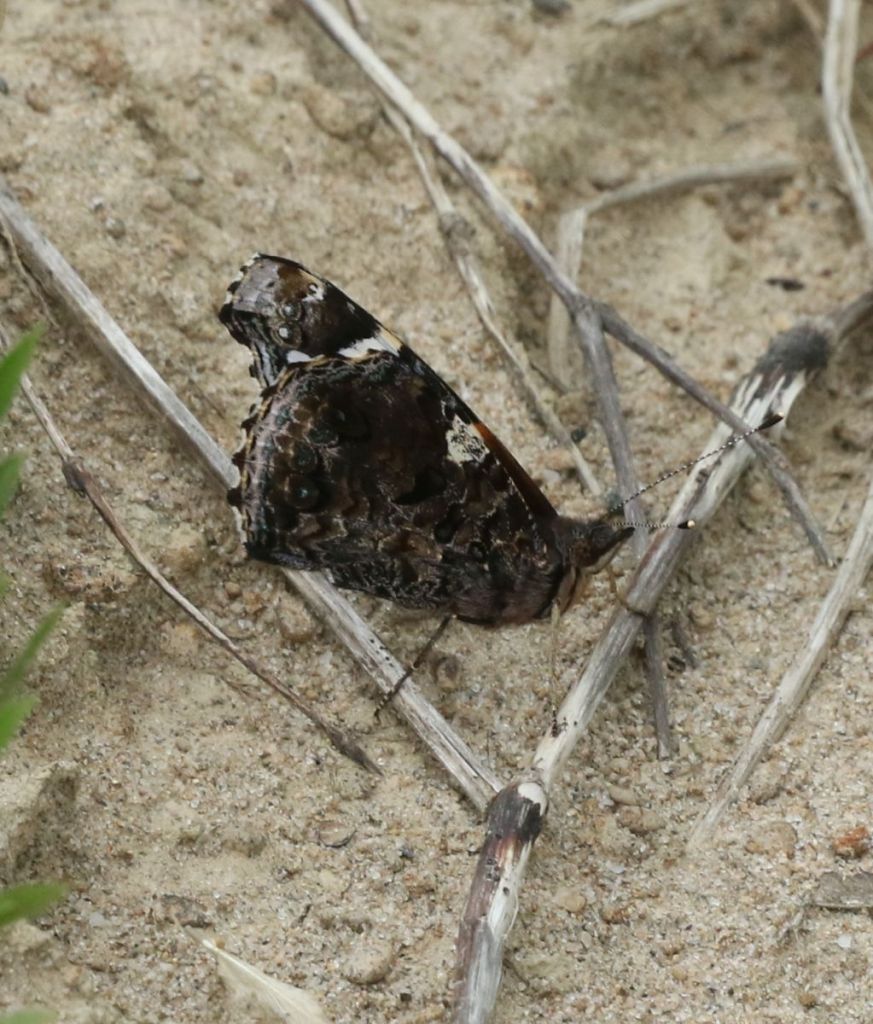
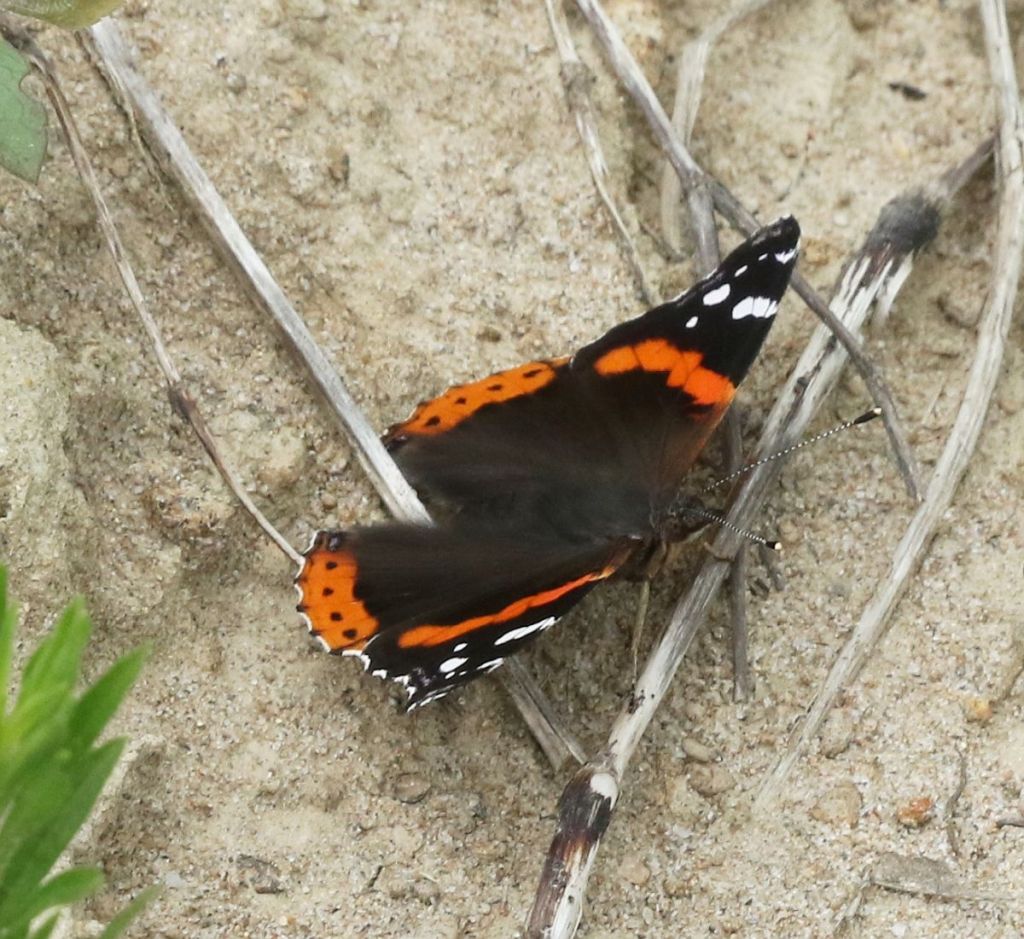
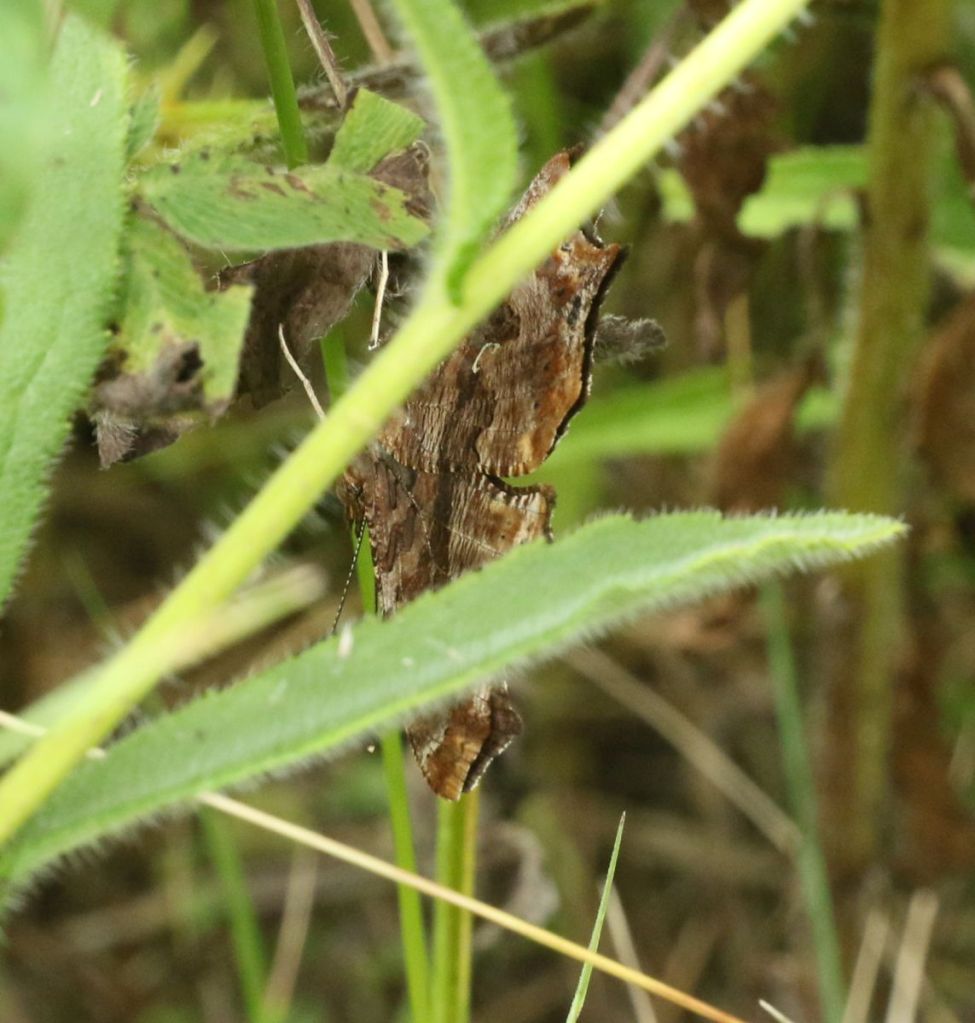
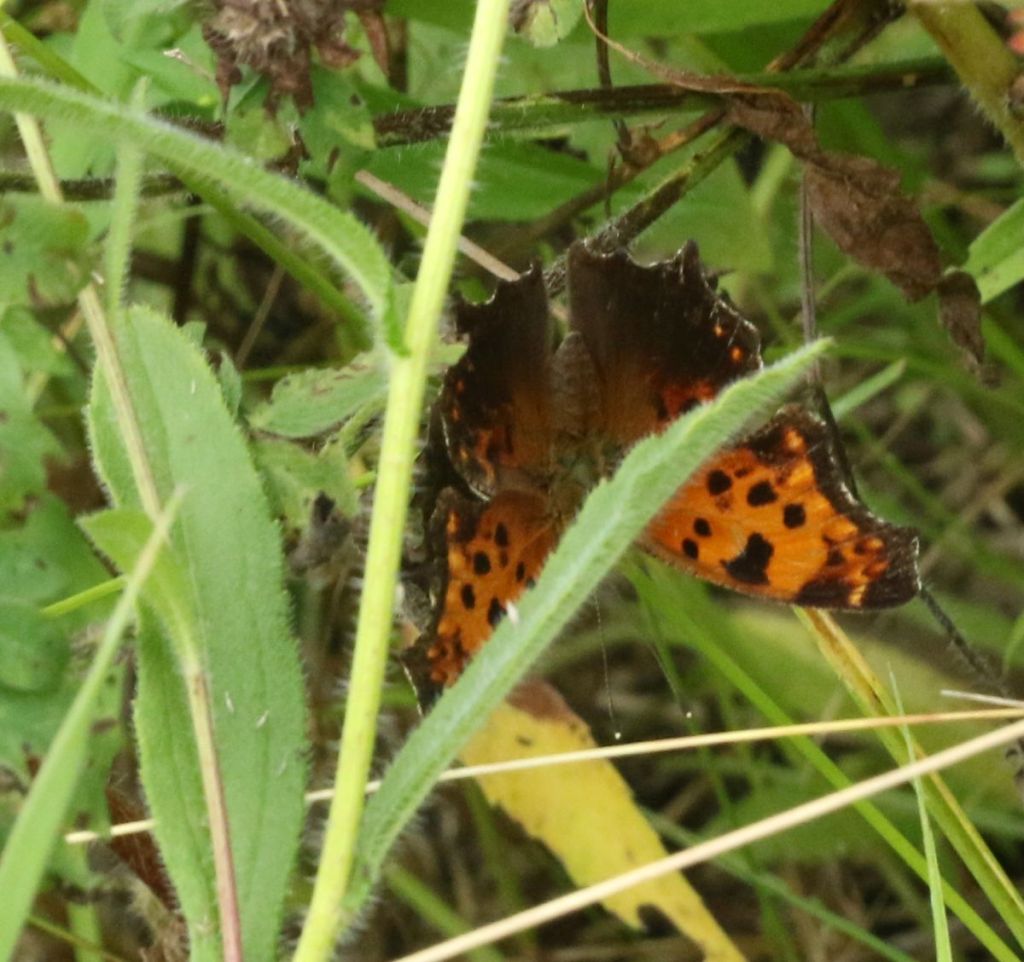
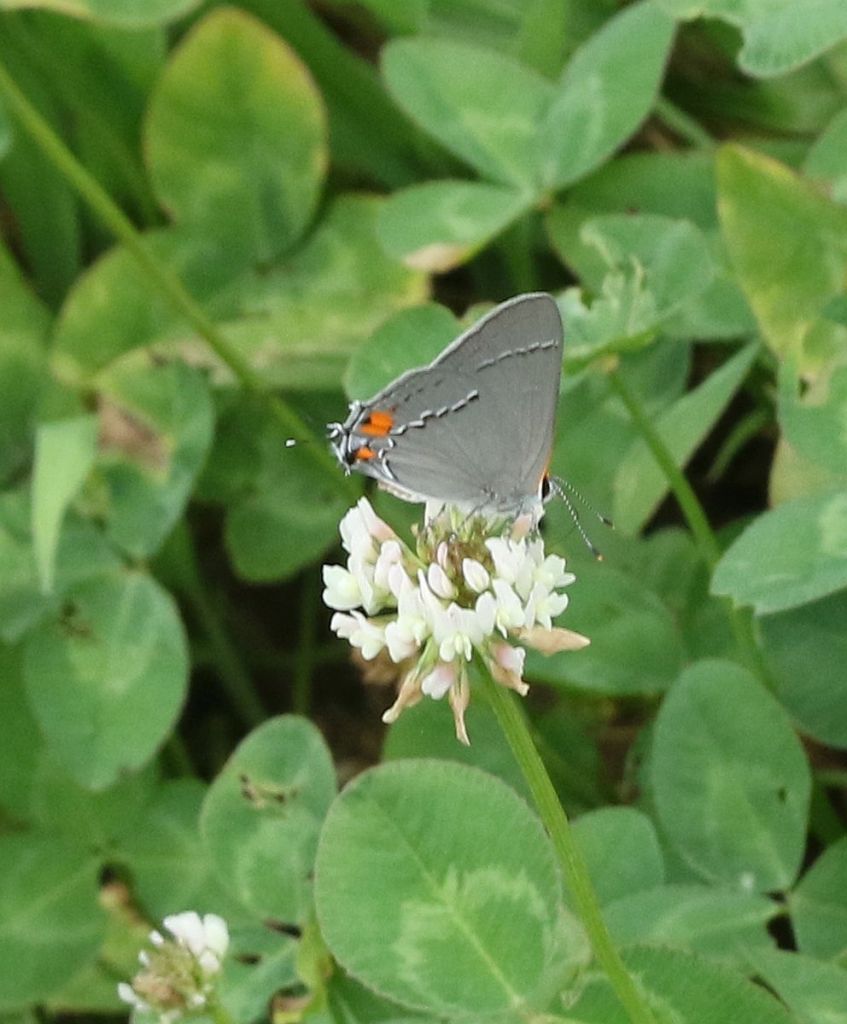
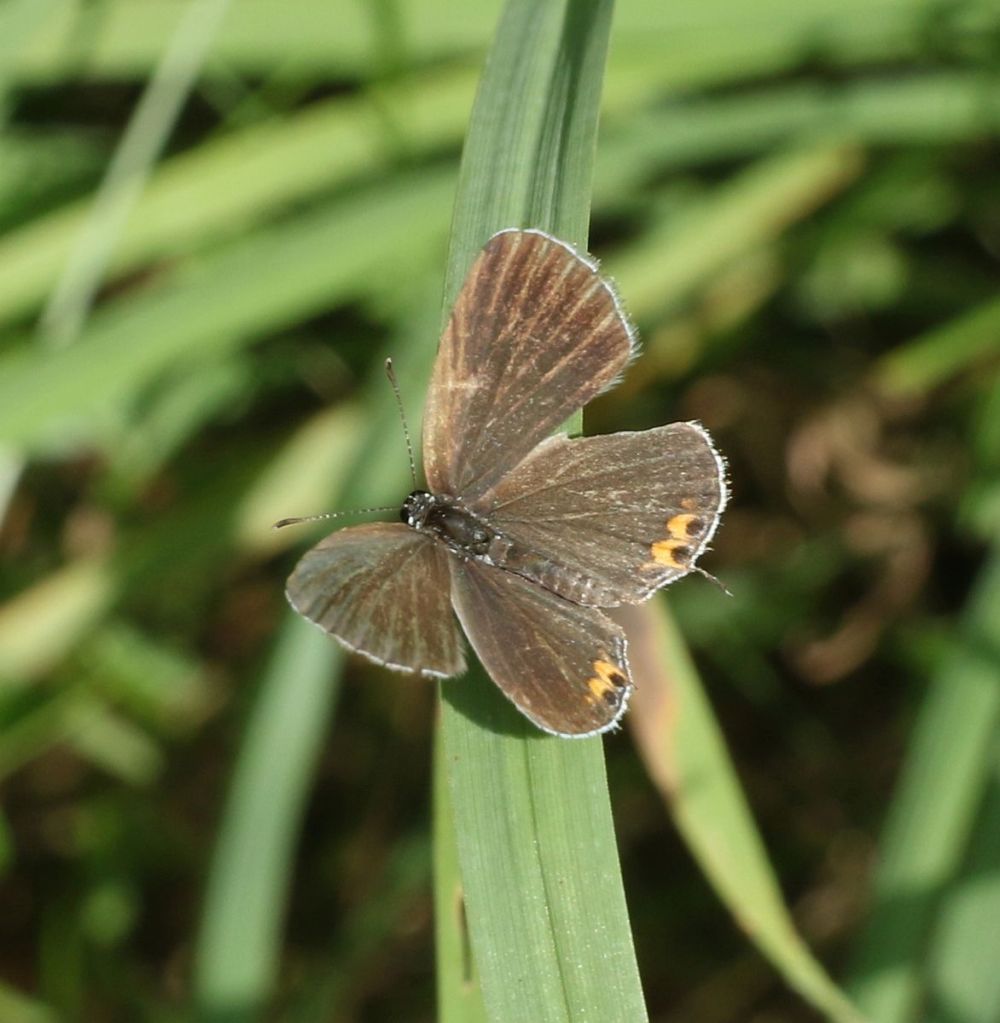
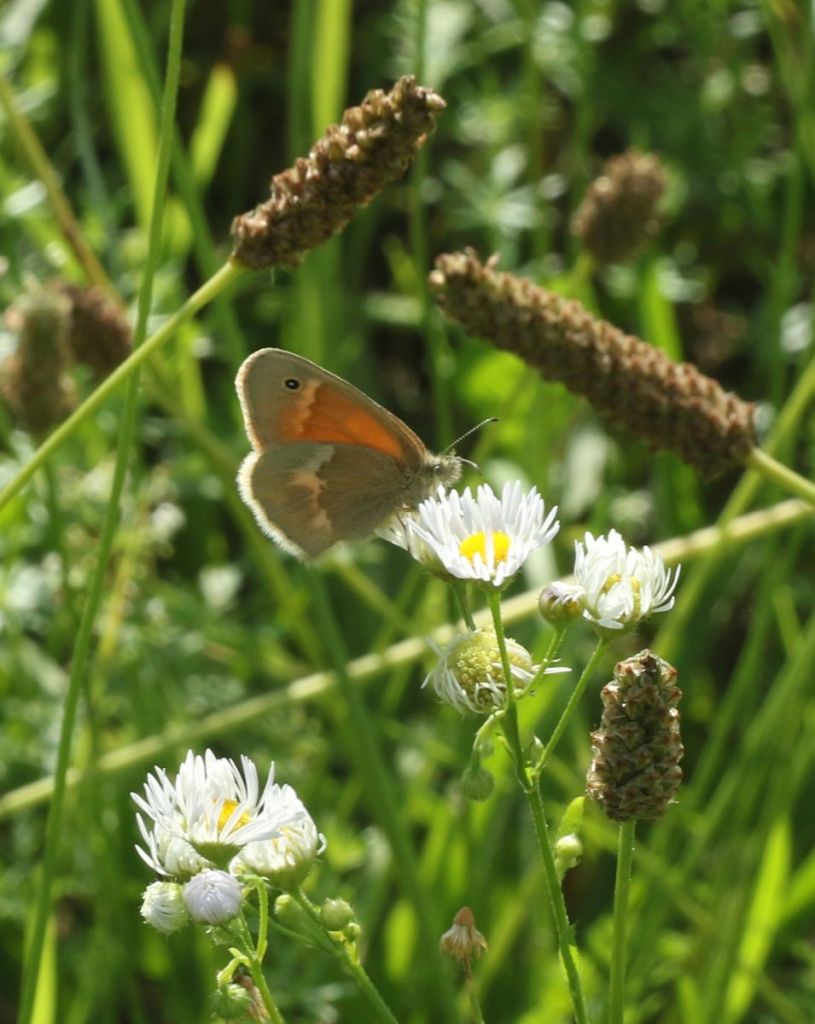
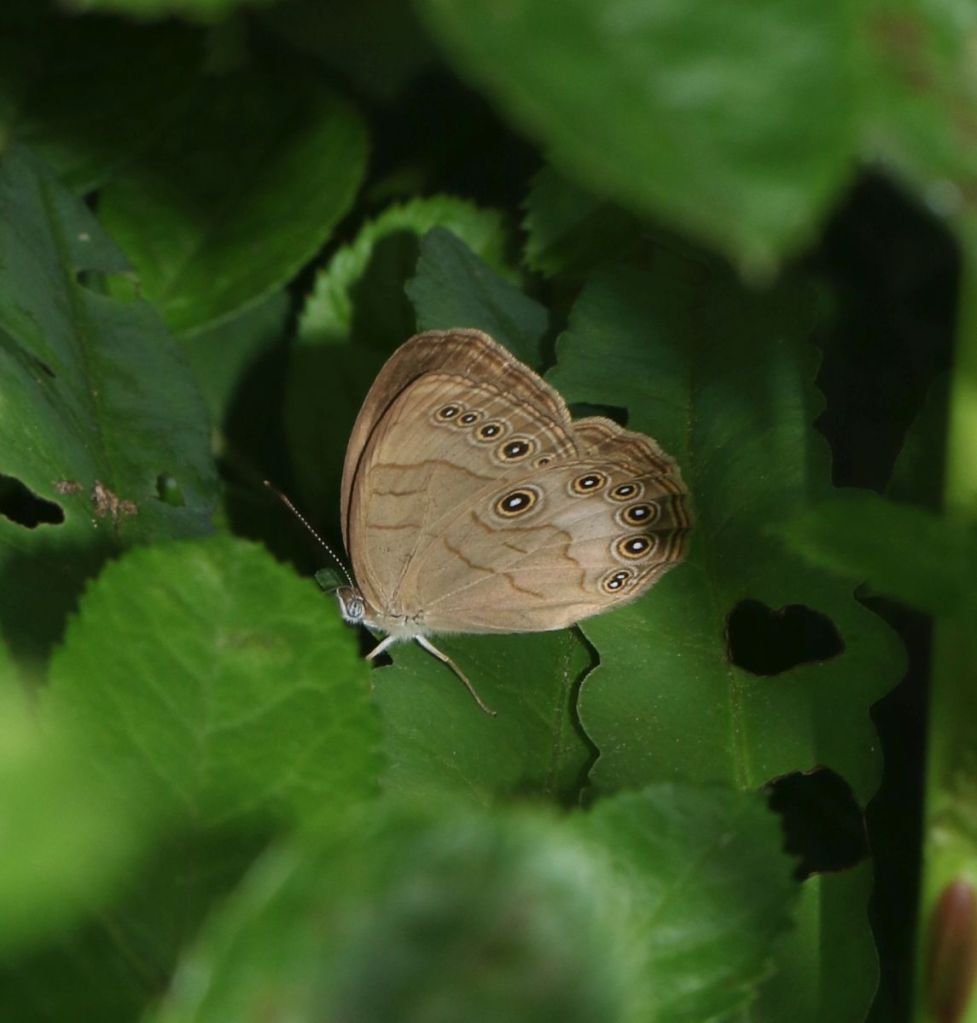
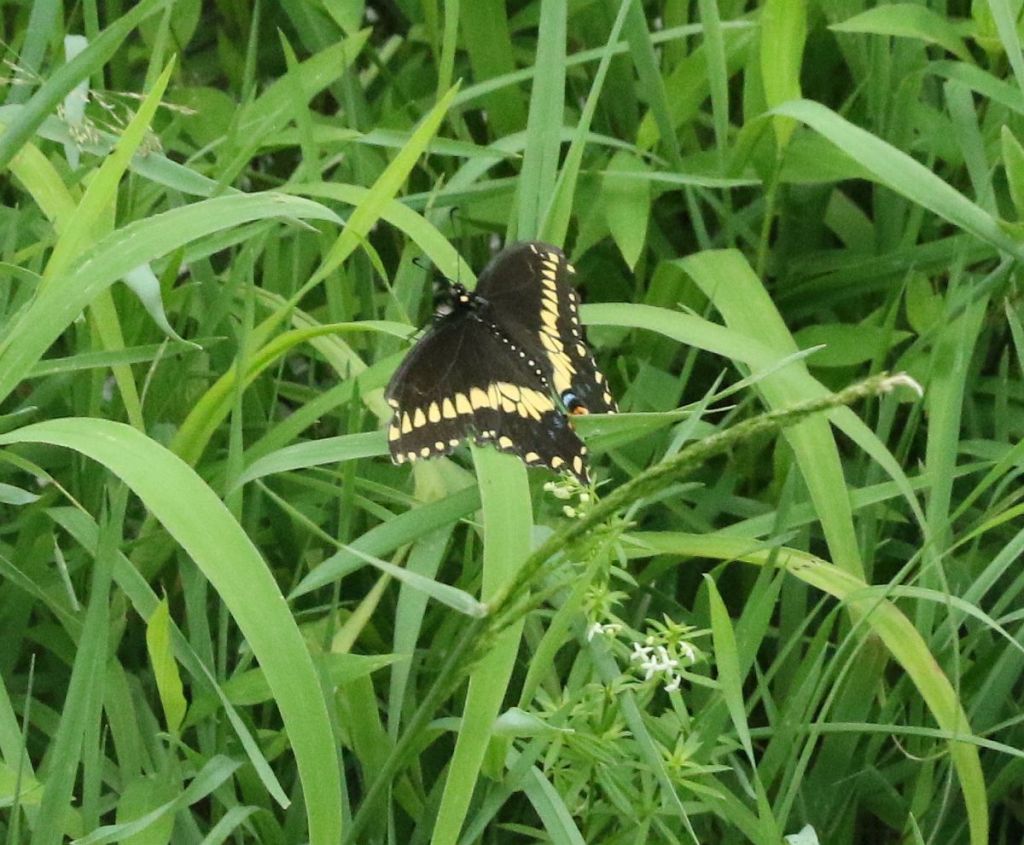

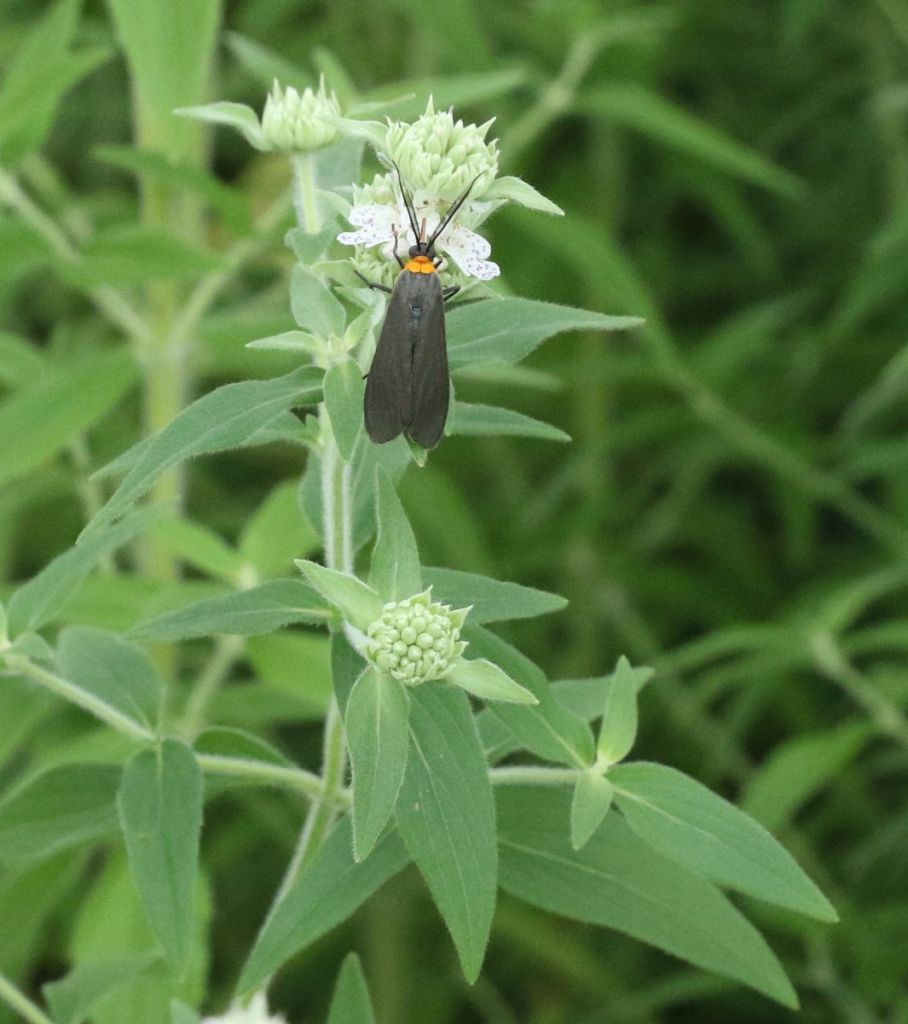

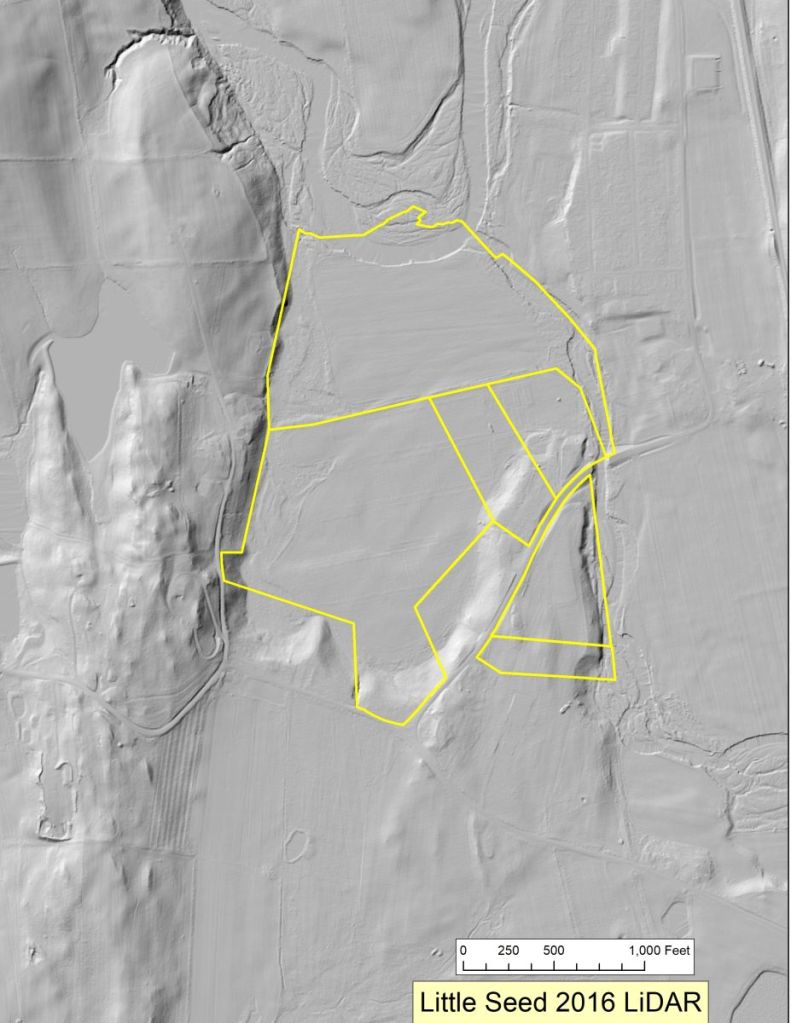
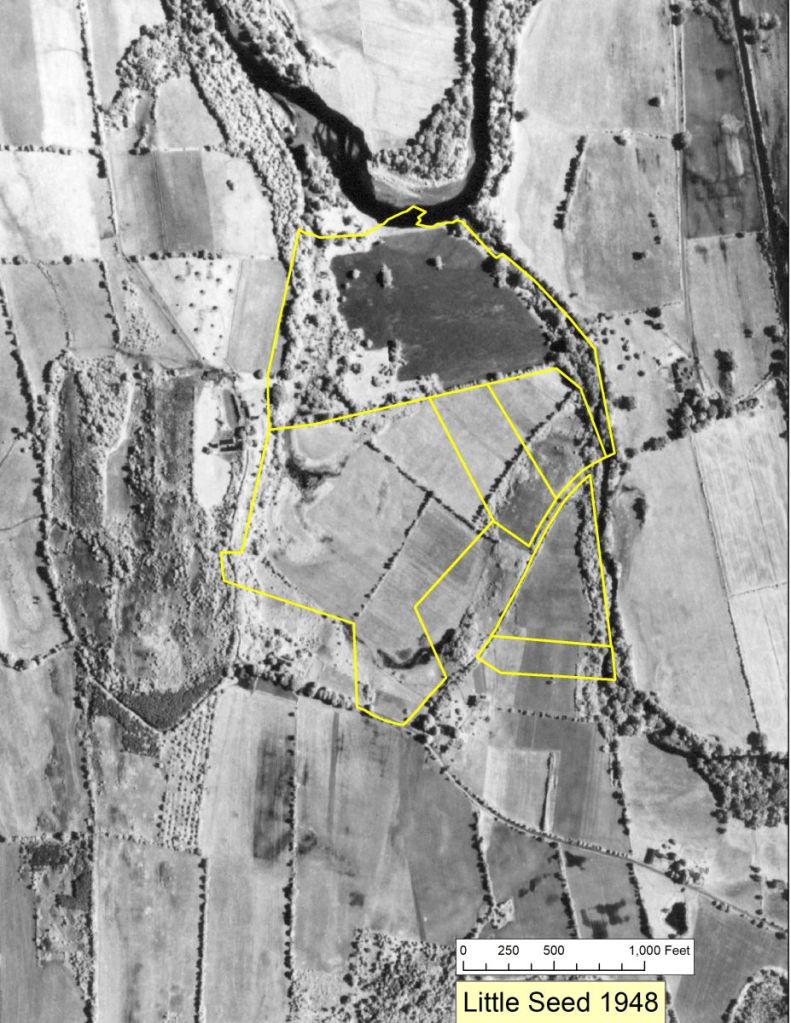

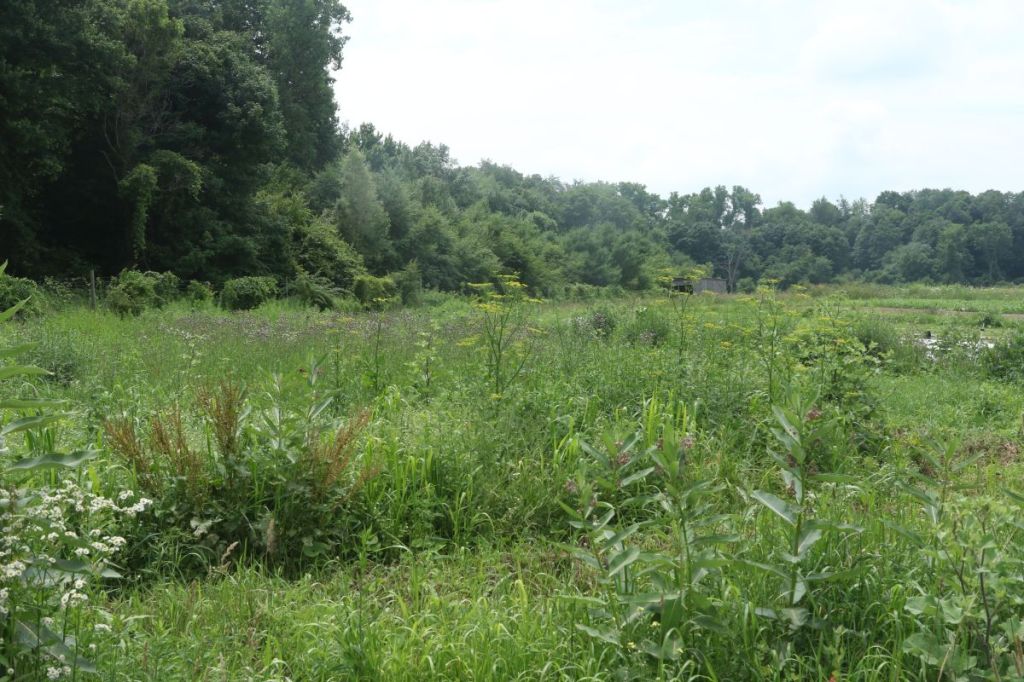
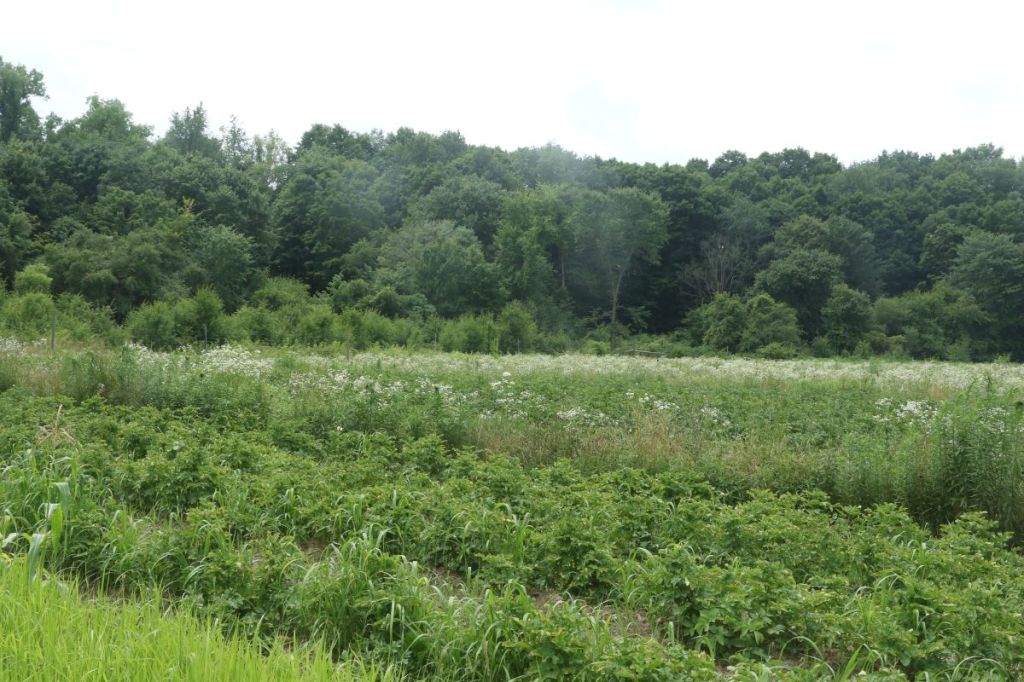
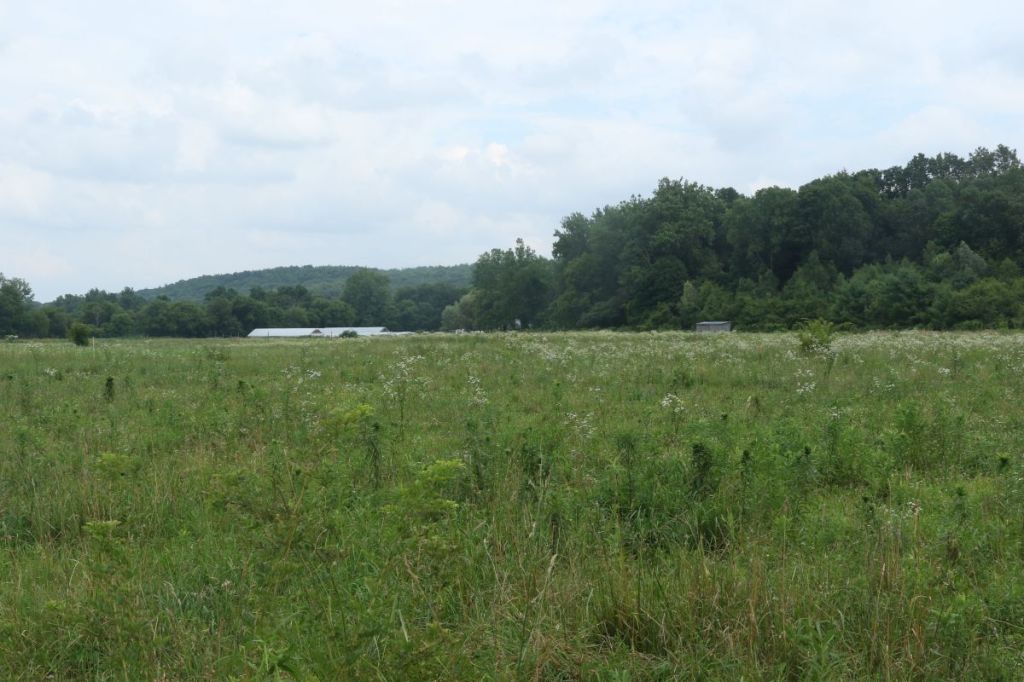
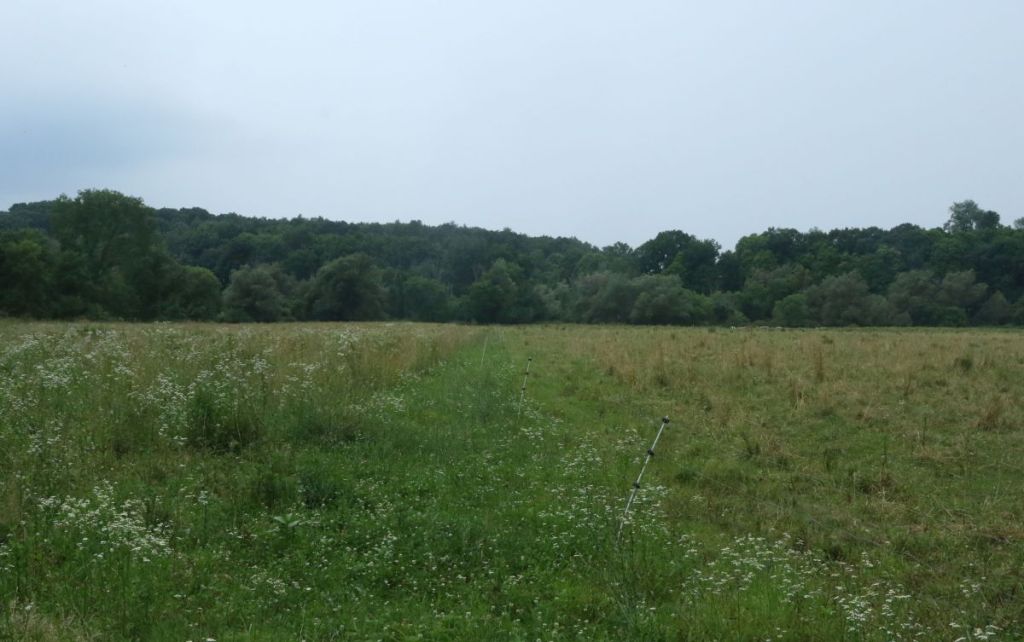
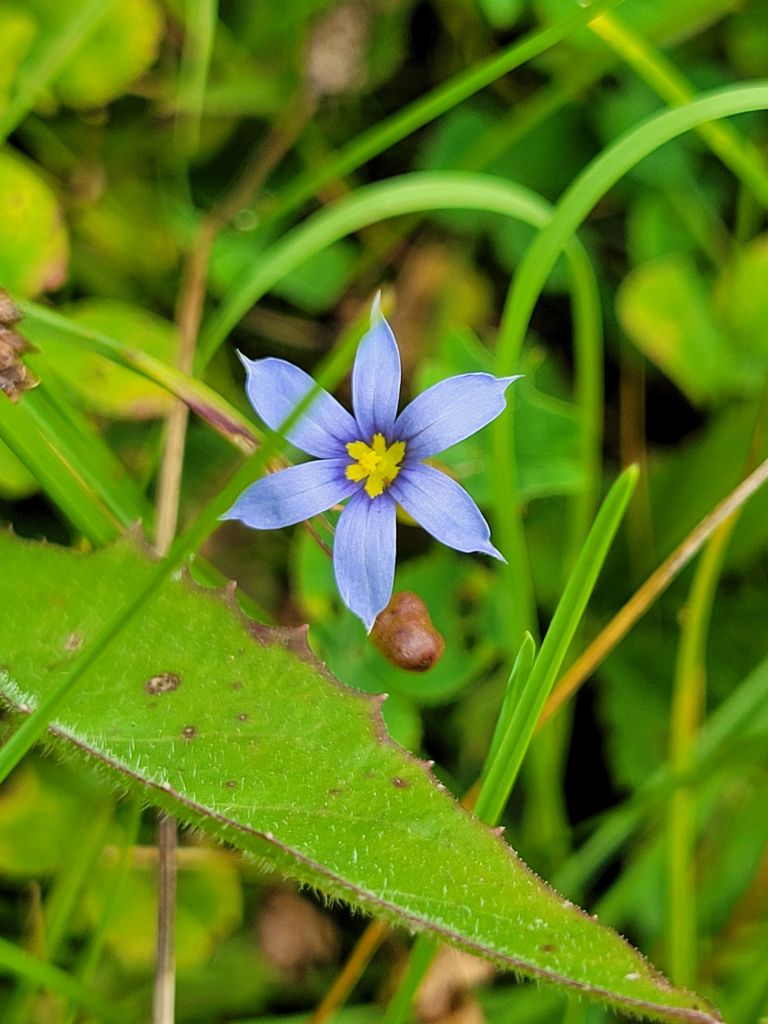
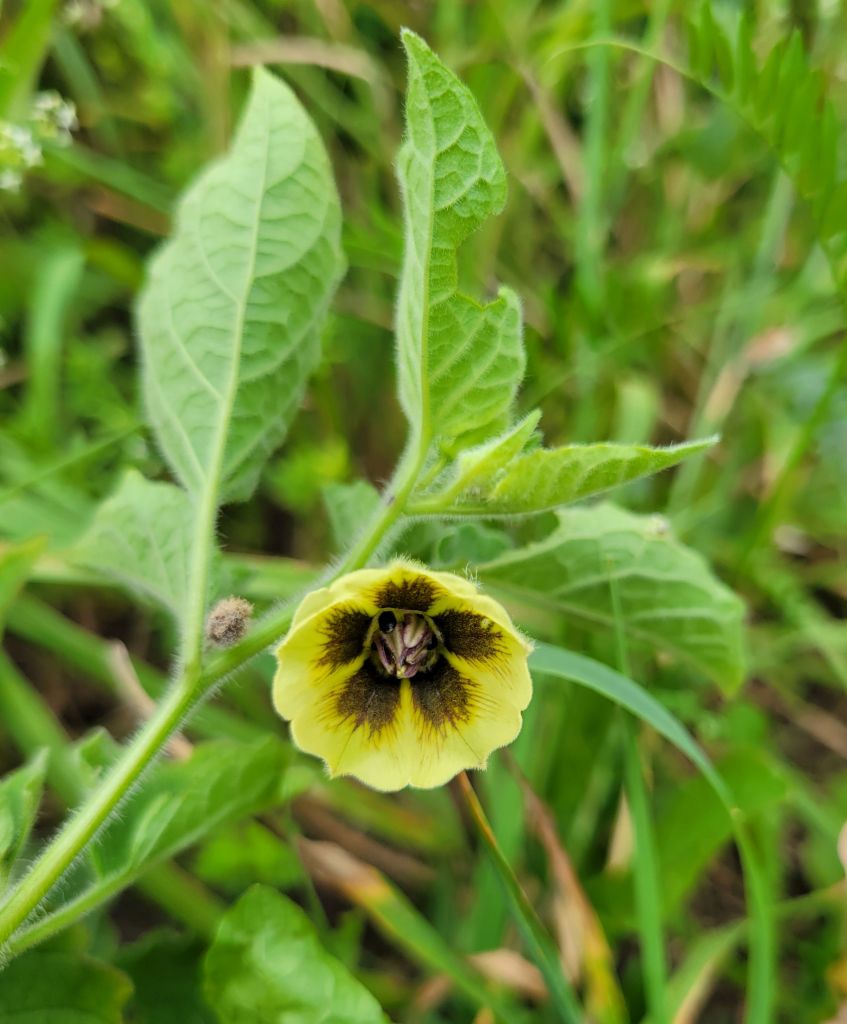
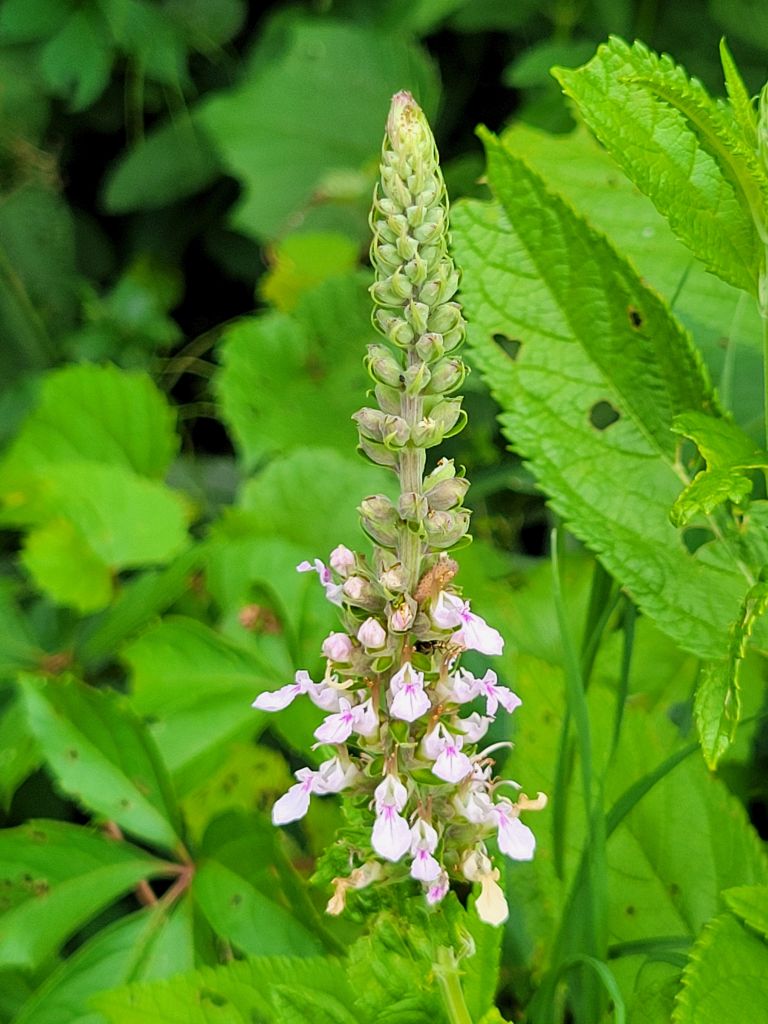
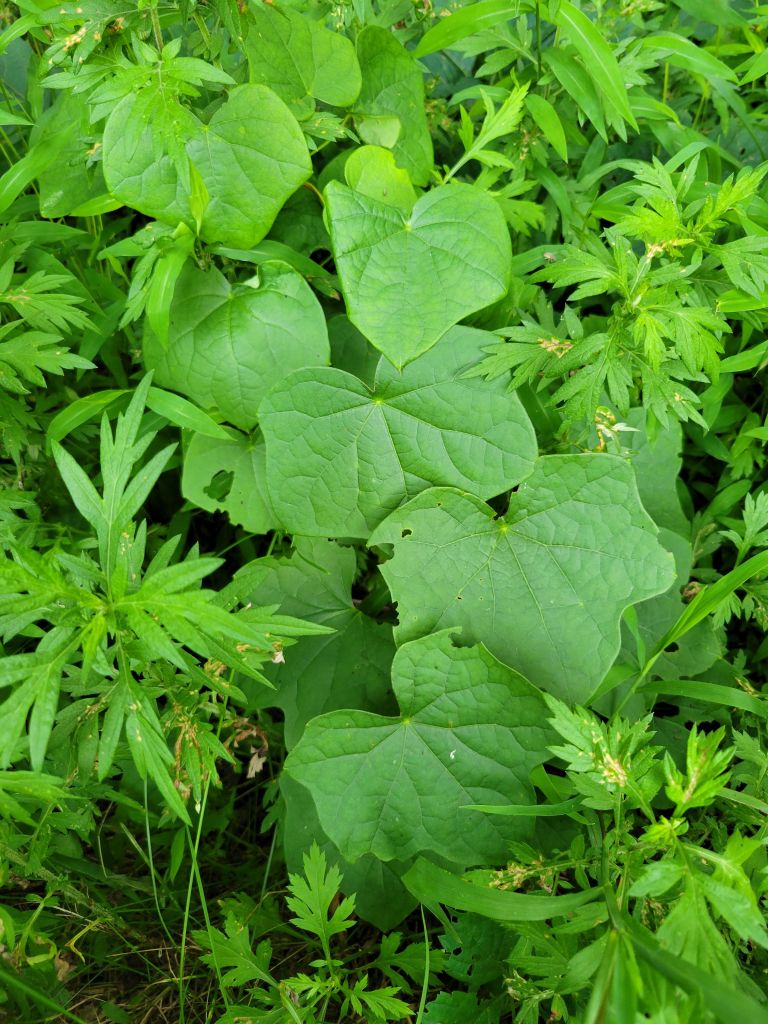
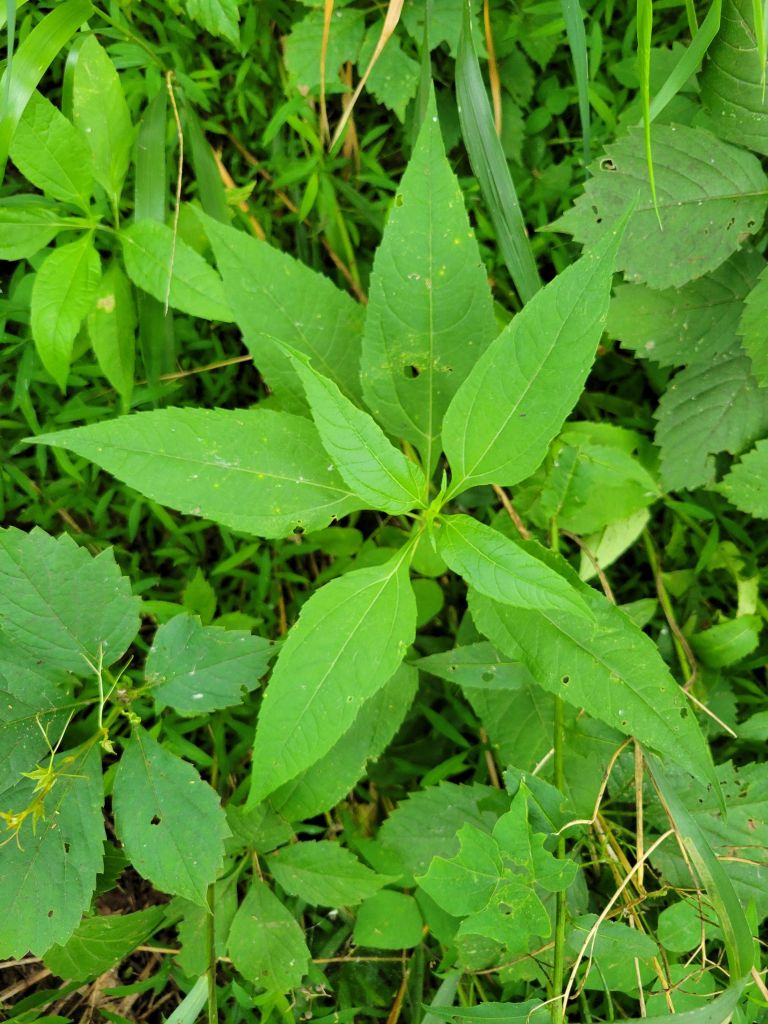
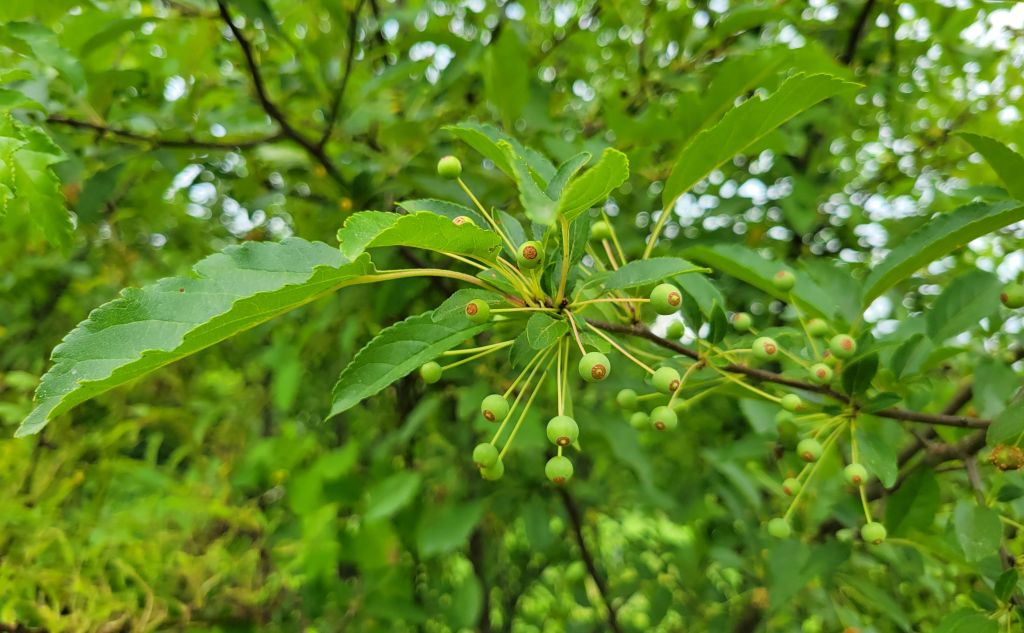
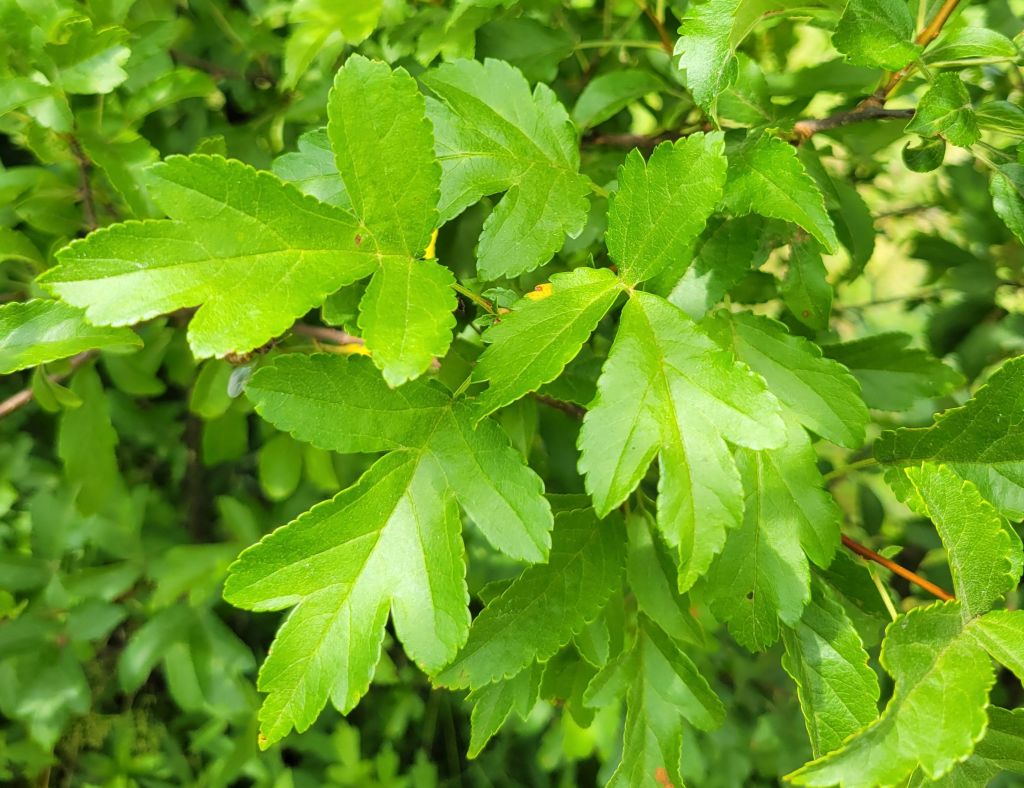
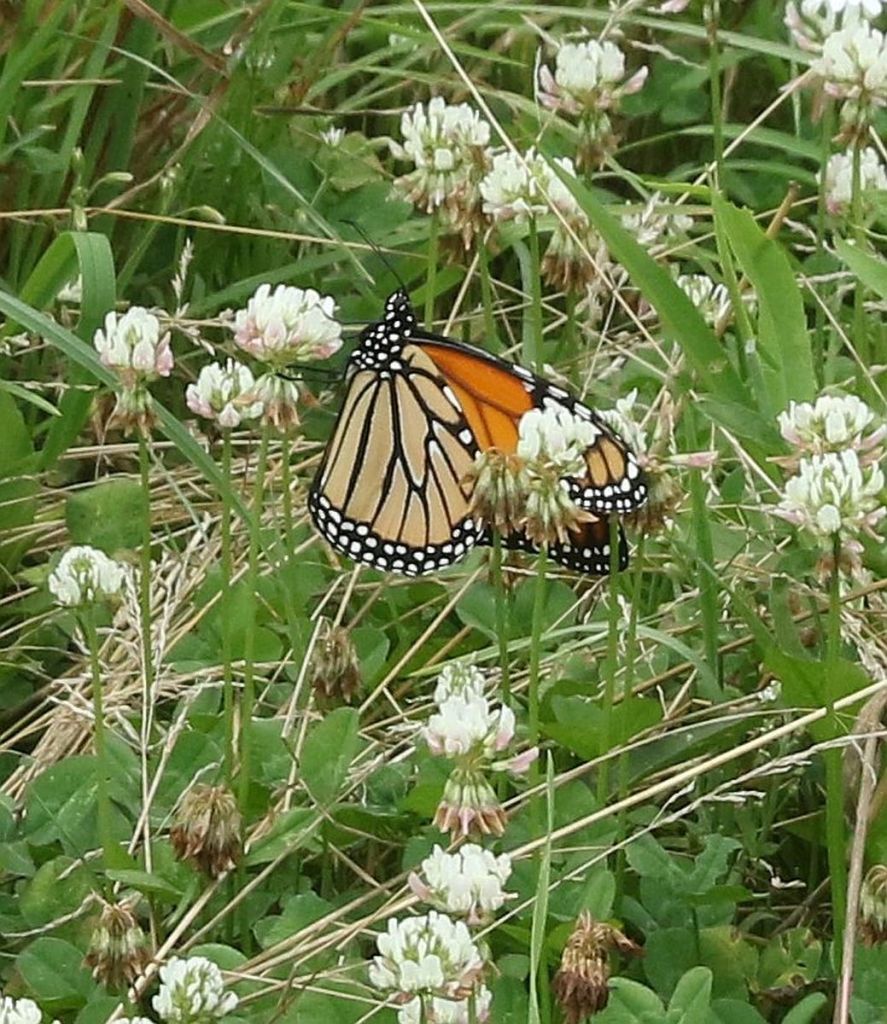
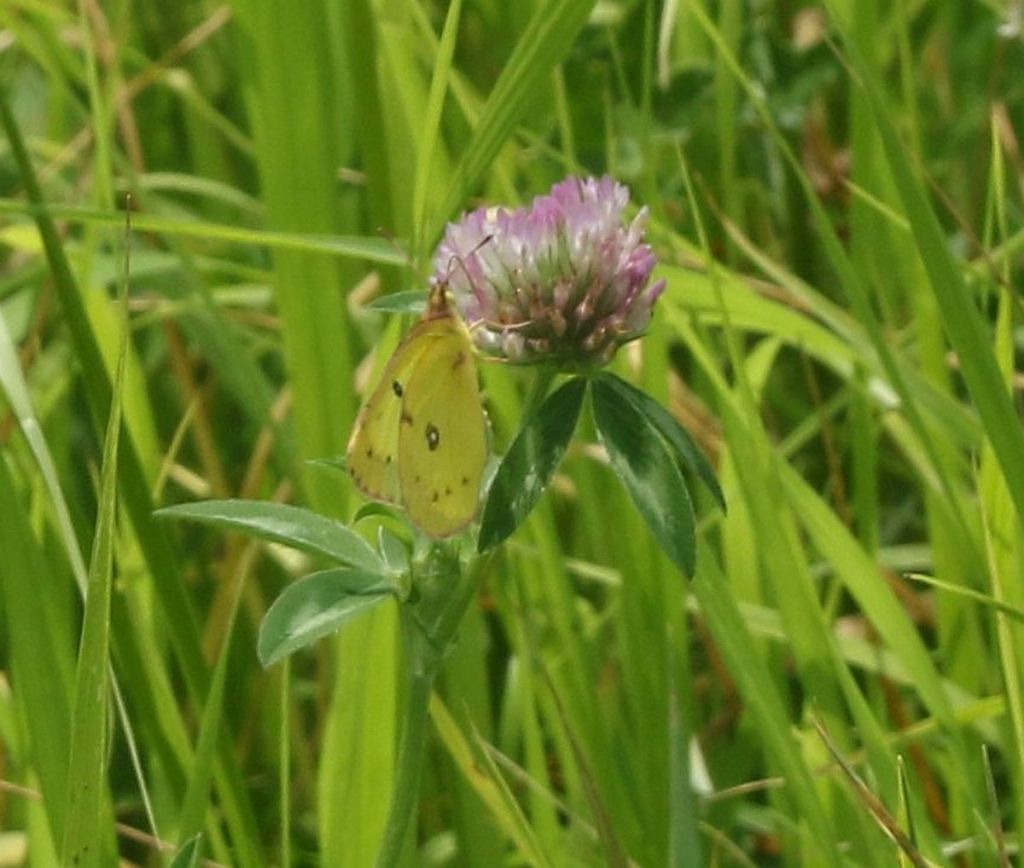
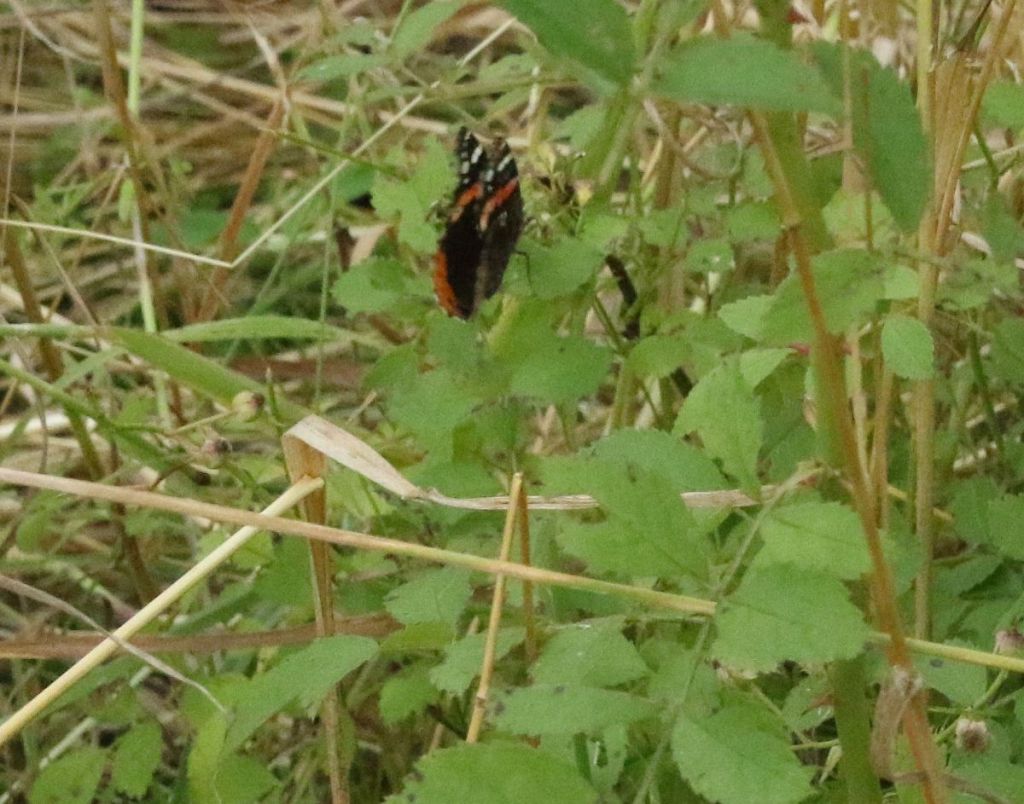
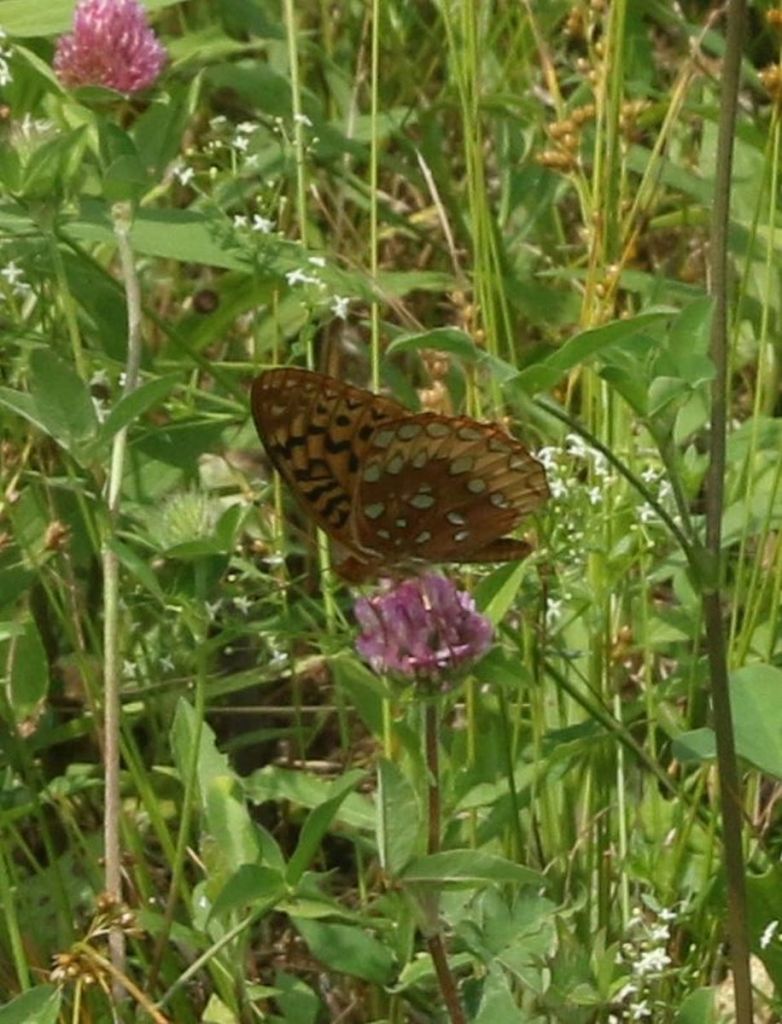
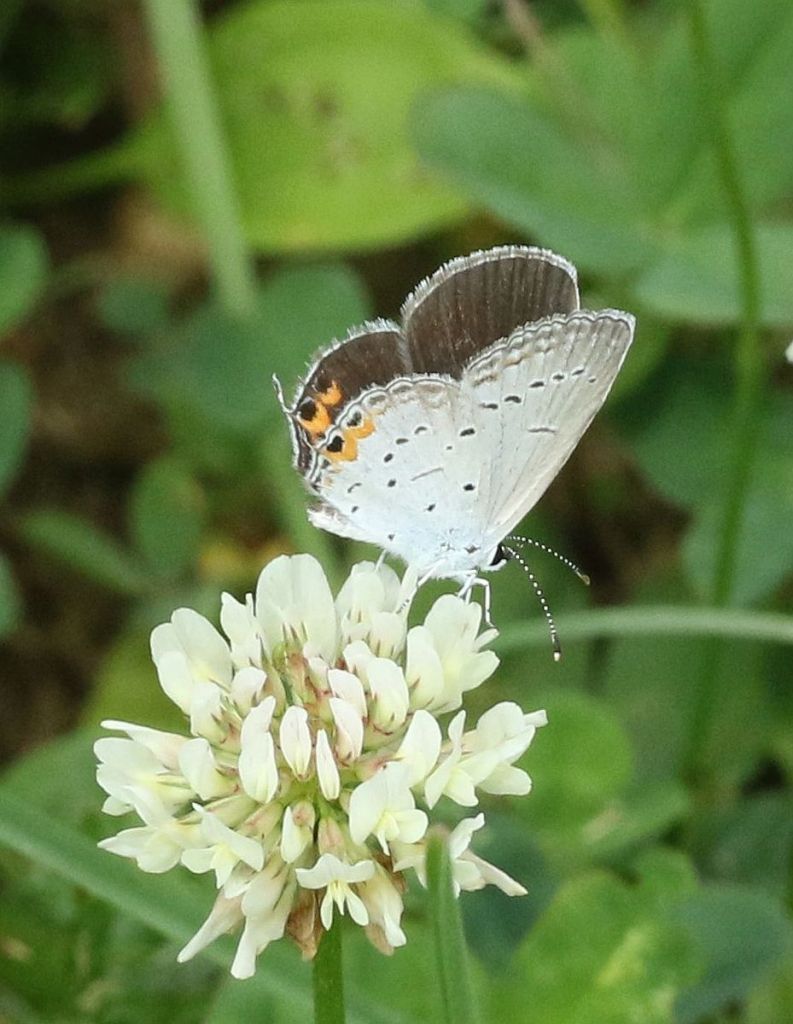
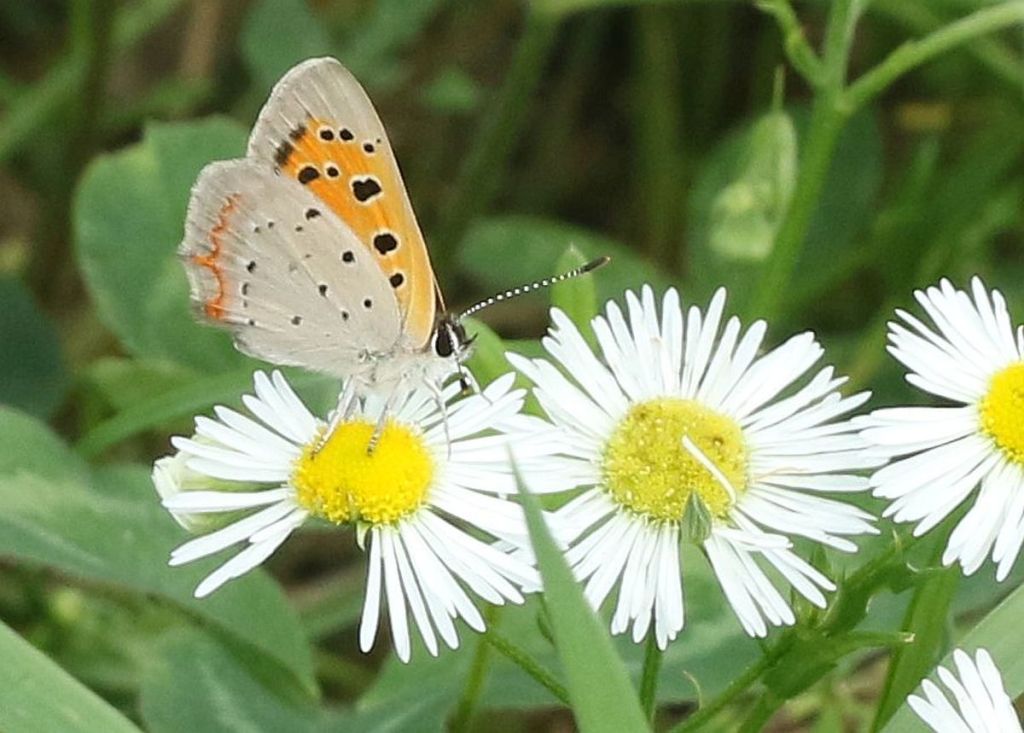

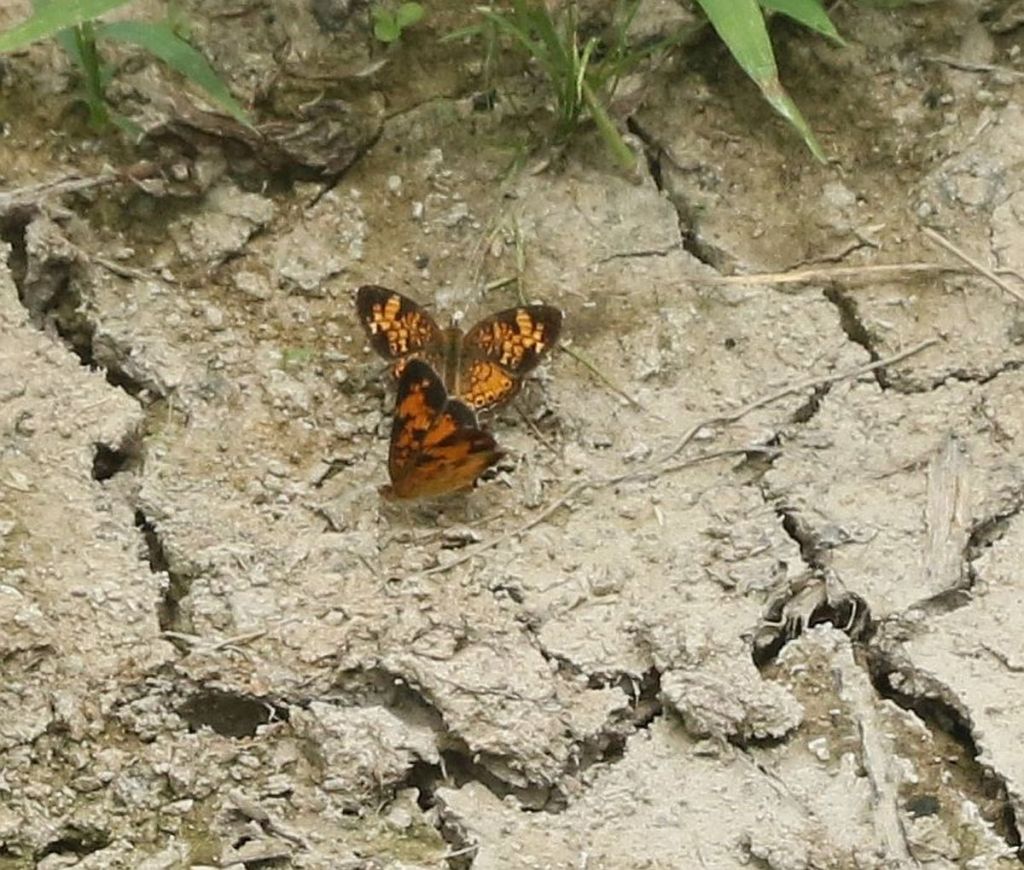
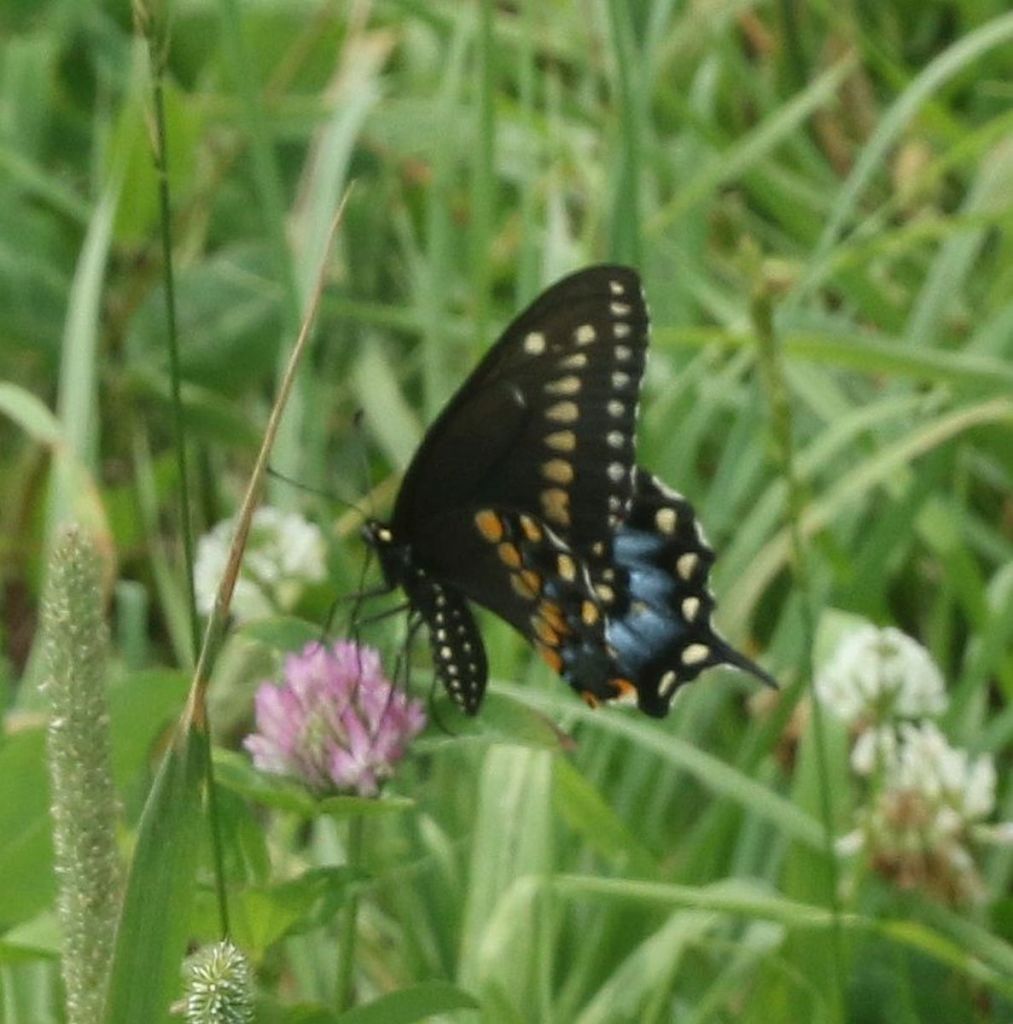
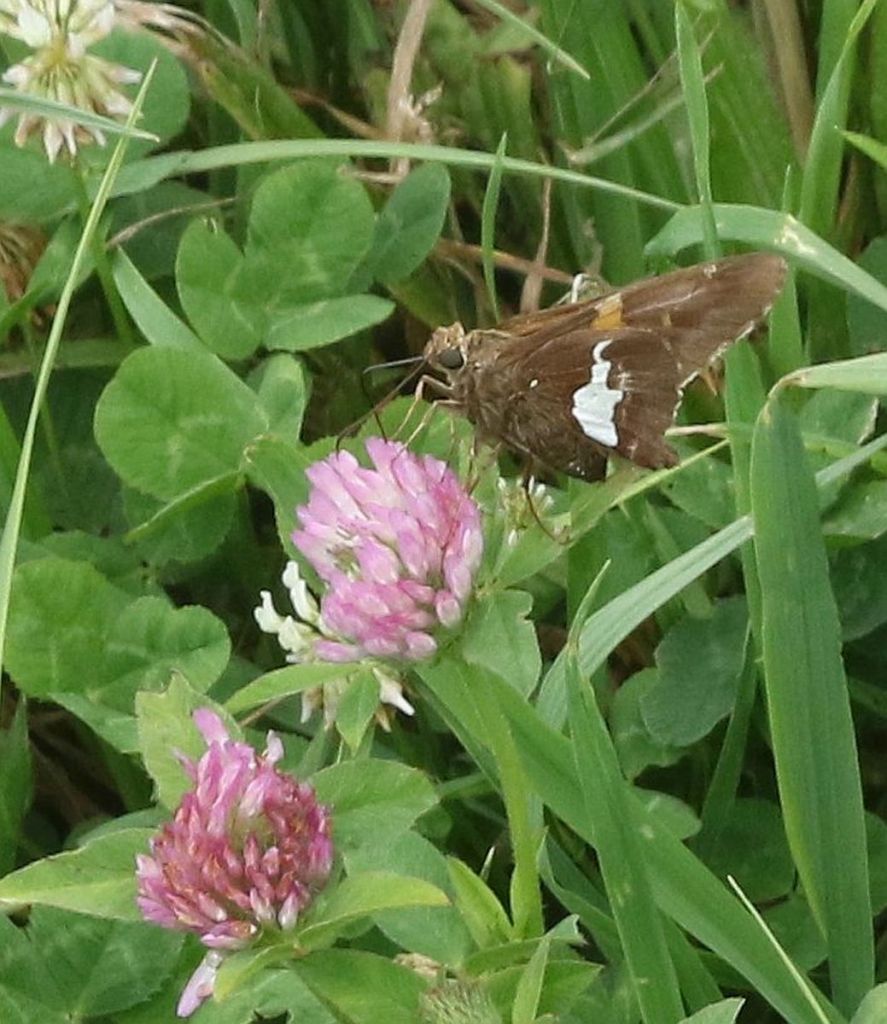

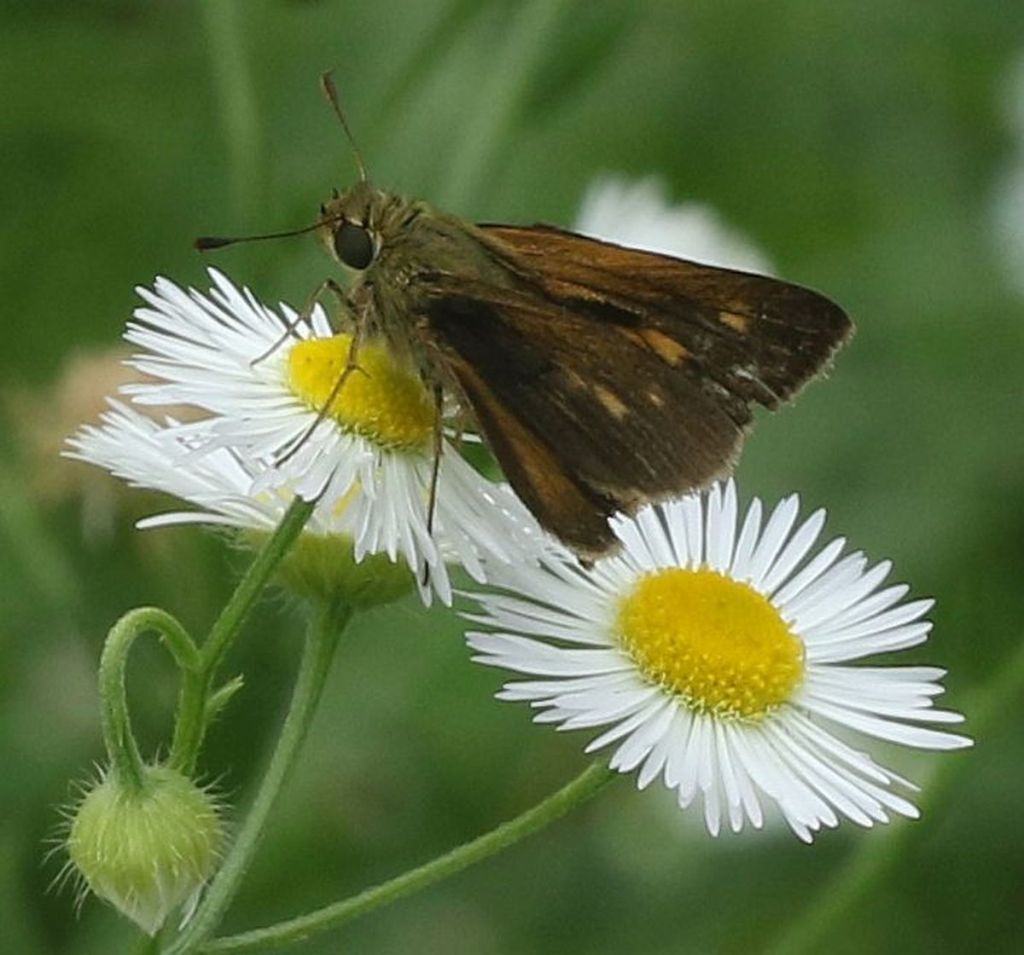


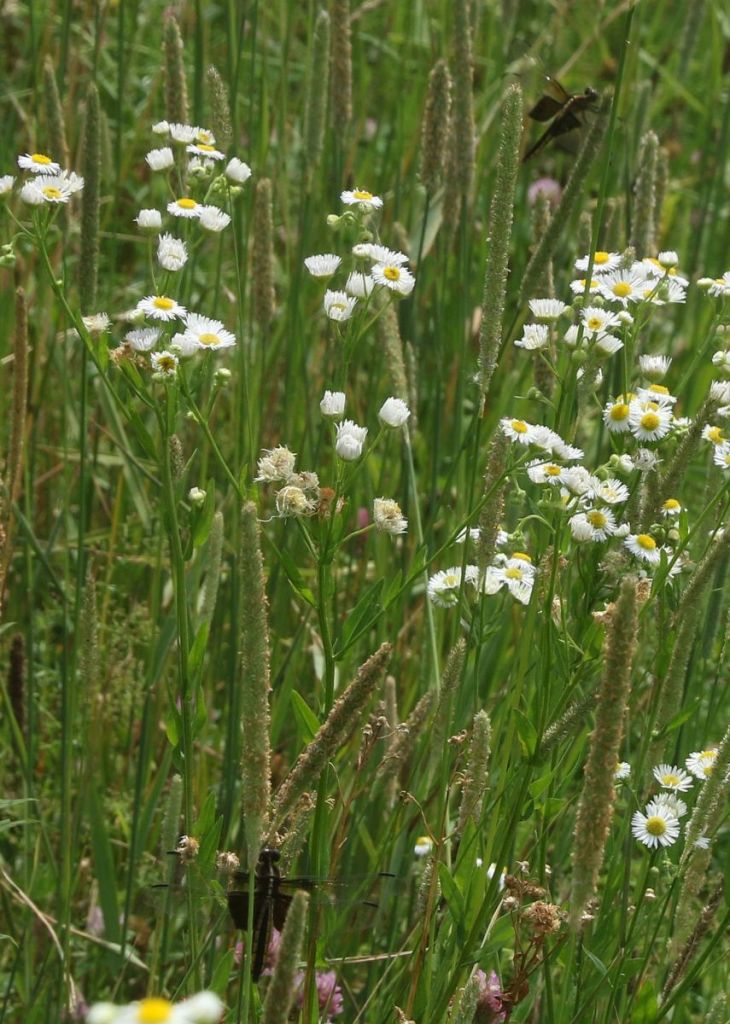
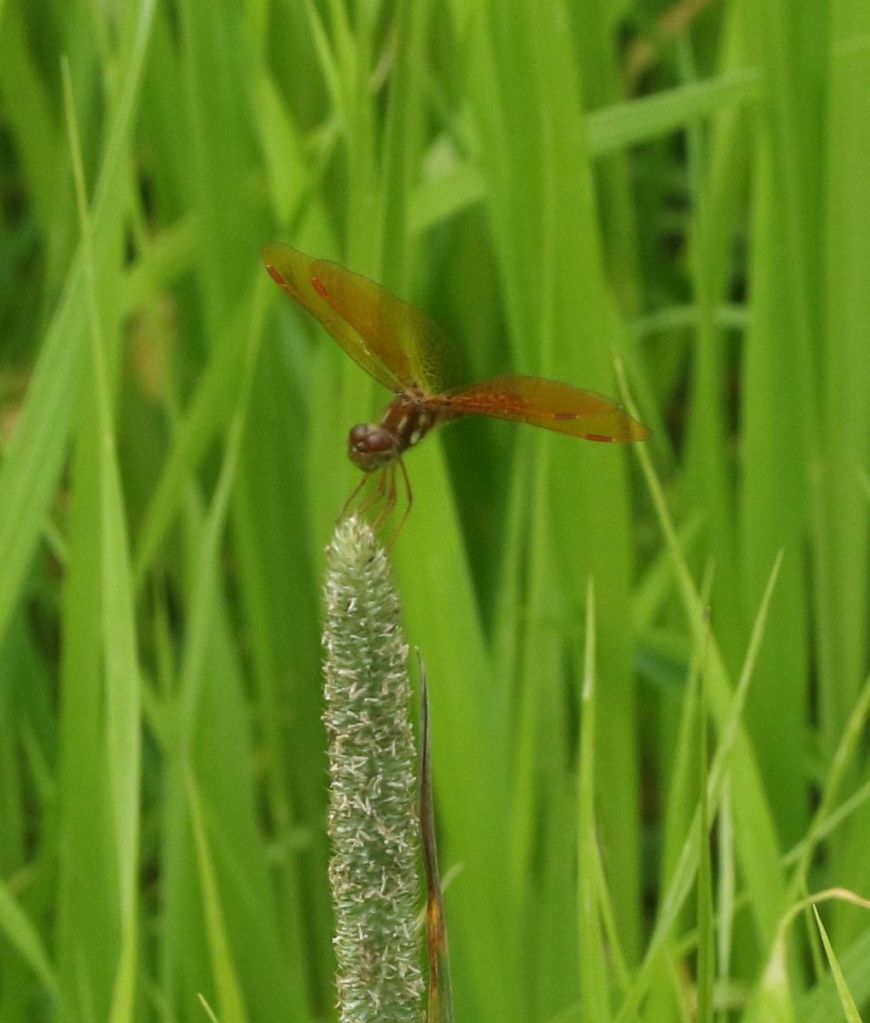
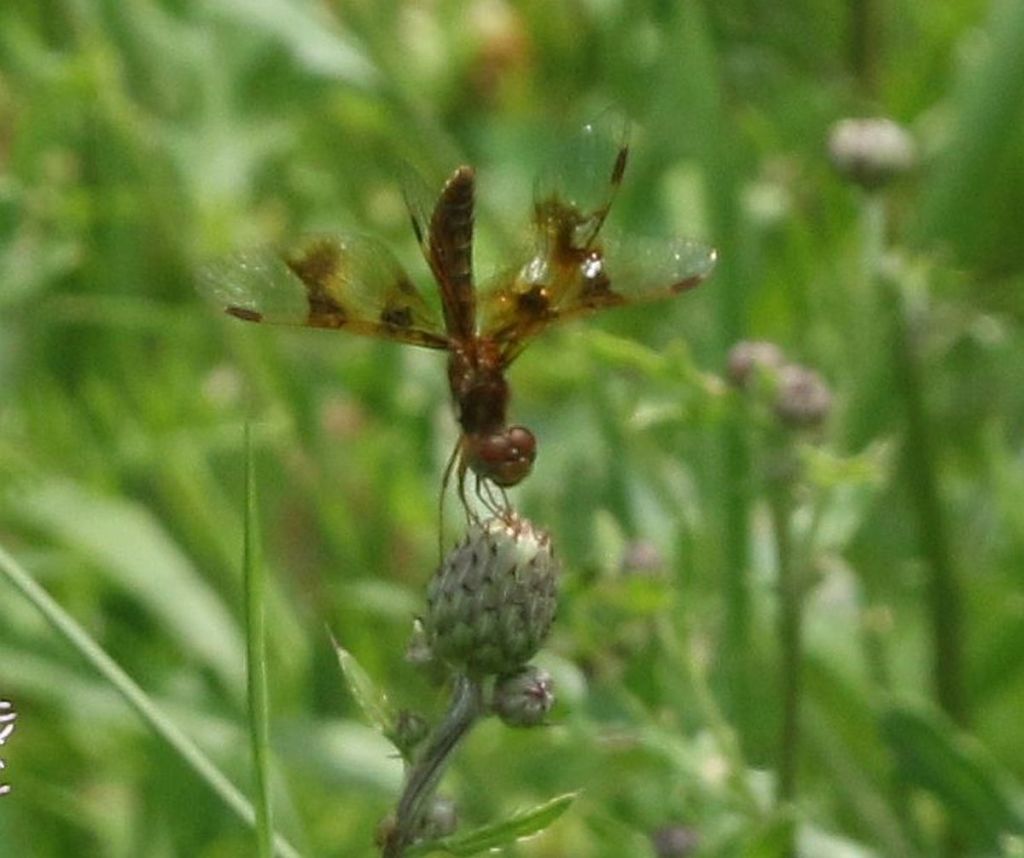
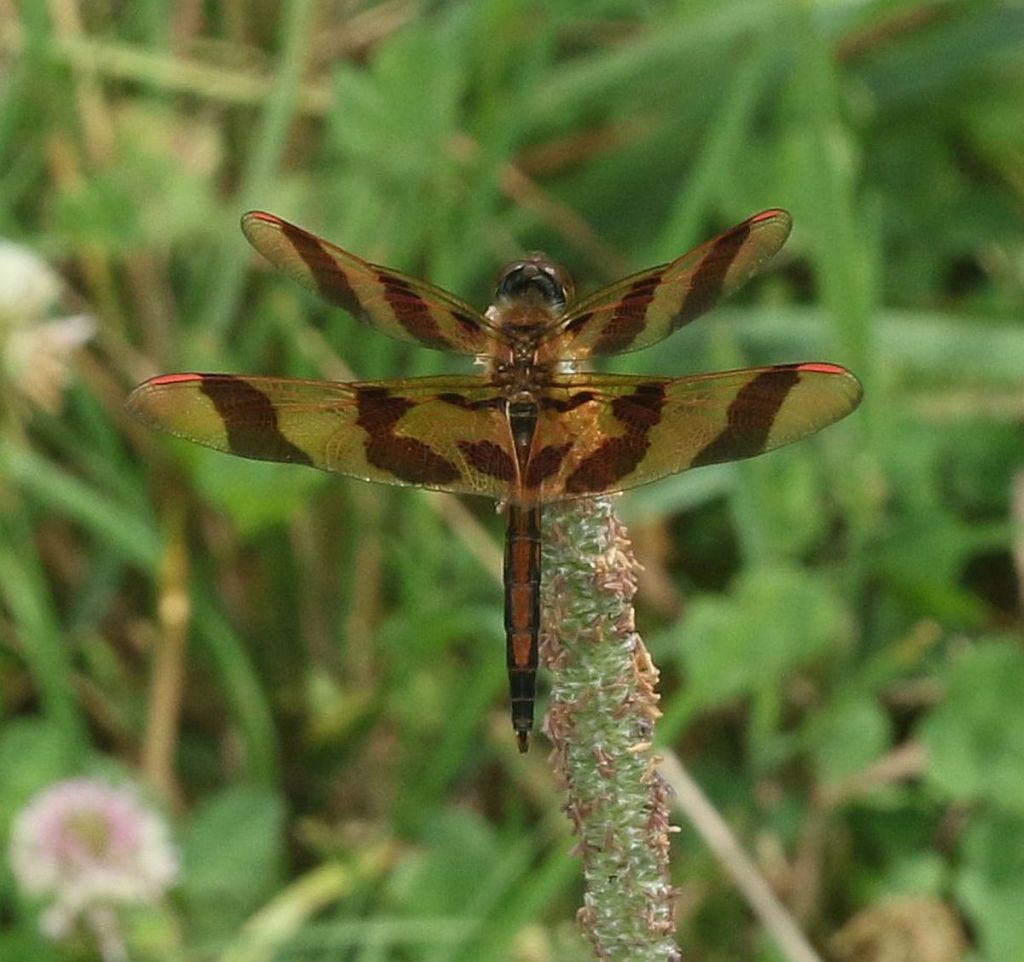
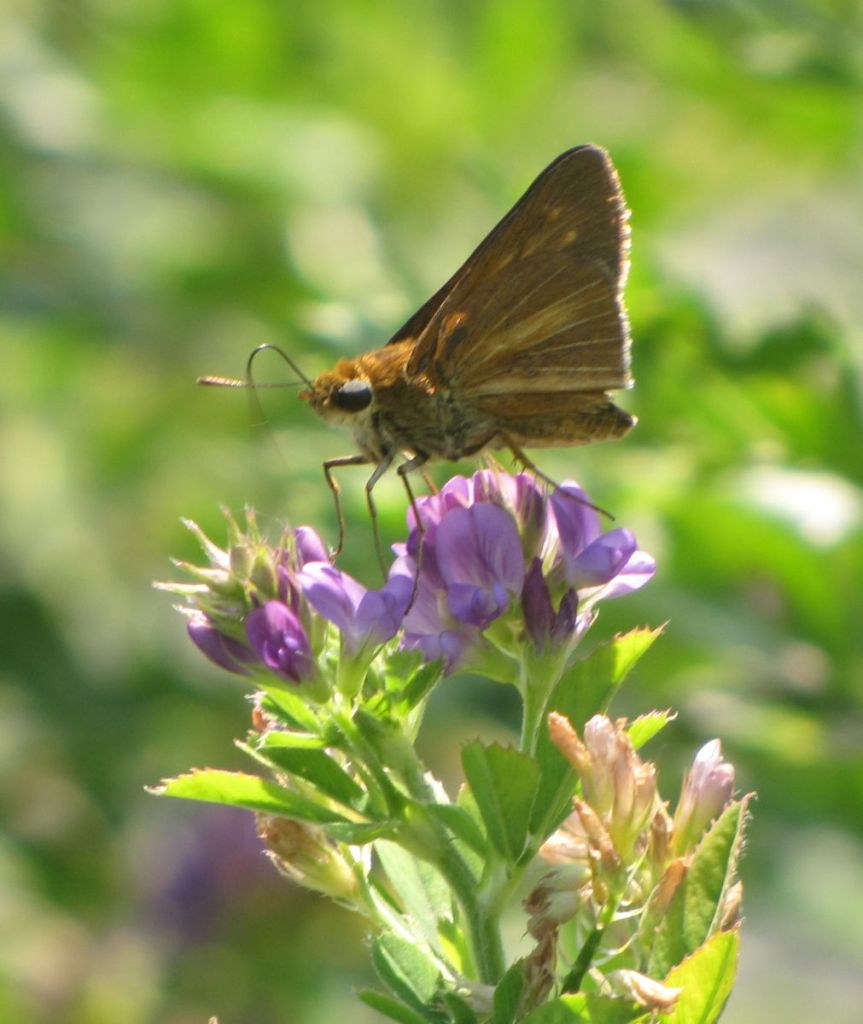
 Farmer-Ecologist Research Circle